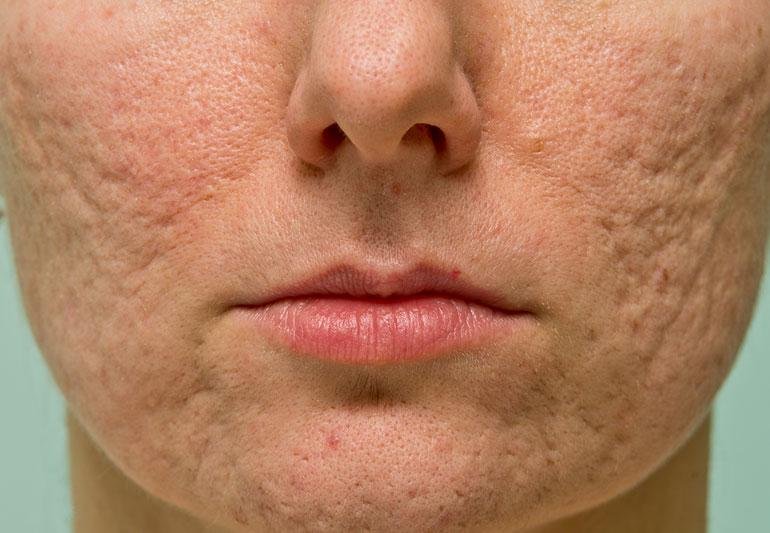
Are you tired of dealing with acne scars that just won’t seem to fade away? You’re not alone.
These pesky reminders of past breakouts can affect not only your skin but also your confidence. But here’s the good news: preventing acne scars is possible, and it doesn’t have to be complicated. Imagine looking in the mirror and seeing clear, smooth skin without those stubborn marks.
You’ll discover simple yet effective strategies to keep acne scars at bay. So, if you’re ready to say goodbye to those unwanted blemishes and hello to a more radiant you, keep reading!
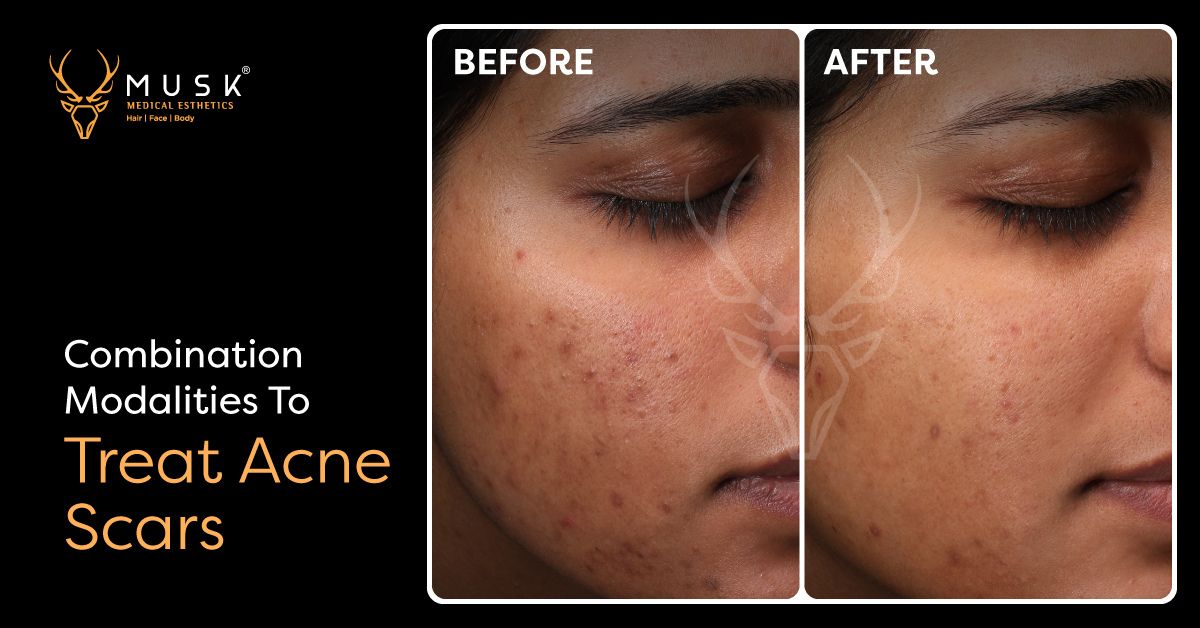
Credit: muskclinic.com
Causes Of Acne Scars
Acne scars form when the skin heals after acne lesions. The healing process can leave marks or indentations. These scars vary based on how deep the acne was and how the skin repairs itself. Understanding what causes acne scars helps in preventing them effectively.
Types Of Acne Scars
- Atrophic scars:These are sunken or depressed scars caused by loss of tissue.
- Hypertrophic scars:Raised scars formed by excess tissue during healing.
- Keloid scars:Thick, raised scars that grow beyond the original wound area.
- Ice pick scars:Narrow, deep scars that look like small holes.
- Rolling scars:Wide, shallow scars giving the skin a wavy texture.
Factors Increasing Scar Risk
- Picking or squeezing acne lesions damages the skin.
- Severe or cystic acne causes deeper skin damage.
- Delayed or poor healing raises the chance of scarring.
- Genetics influence how the skin forms scars.
- Infections during acne worsen skin damage.
- Inflammation lasting long increases scar formation risk.

Credit: www.classycosmeticclinic.com
Early Acne Care
Taking care of your skin early when acne appears is key to preventing scars. The actions you choose right away can make a huge difference in how your skin heals. Delaying treatment or ignoring early signs often leads to stubborn marks that last much longer than the acne itself.
Effective Spot Treatments
Using the right spot treatments can stop acne from worsening and reduce the risk of scars. Look for products with ingredients like salicylic acid or benzoyl peroxide—they target bacteria and unclog pores quickly.
Apply these treatments directly on pimples as soon as you notice them. This helps shrink the blemish before it inflames or leaves damage behind.
Have you tried different spot treatments but didn’t see results? Sometimes, consistency and gentle application make all the difference. Avoid overusing products, as this can irritate your skin and worsen scarring.
Avoiding Picking And Squeezing
Resisting the urge to pick or squeeze pimples is one of the hardest but most important habits to build. Every time you touch a spot, you risk pushing bacteria deeper and causing more inflammation.
Imagine your skin as a delicate surface—pressing hard only creates small wounds that may turn into scars. Instead, treat pimples with clean hands and let them heal naturally.
If you catch yourself picking, try distracting your hands with a stress ball or keeping them busy with other tasks. How often do you notice yourself touching your face without thinking?
Daily Skincare Habits
Daily skincare habits play a crucial role in preventing acne scars. The way you treat your skin every day affects how well it heals and how it looks over time. Simple routines done consistently can make a noticeable difference in avoiding long-lasting marks.
Gentle Cleansing Techniques
Washing your face might seem straightforward, but harsh scrubbing can irritate your skin and worsen acne scars. Use a mild cleanser with ingredients like salicylic acid or benzoyl peroxide to keep pores clear without stripping natural oils.
Try patting your face dry with a soft towel instead of rubbing. Over-washing can dry out your skin, leading to more breakouts and potential scarring. Have you noticed how your skin feels after a rough cleanse? If it’s tight or red, it’s time to switch to gentler methods.
Moisturizing For Skin Repair
Moisturizing is not just about keeping skin soft; it helps repair the skin barrier and speeds up healing. Choose non-comedogenic moisturizers that won’t clog pores but will hydrate deeply.
Look for products with ingredients like ceramides or hyaluronic acid. These support skin recovery and reduce inflammation, which lowers the chance of scars forming. Skipping moisturizer can leave your skin vulnerable—have you ever experienced flaky or irritated skin after neglecting this step?
Sun Protection Importance
Sun exposure can darken acne scars and make them last longer. Wearing sunscreen every day protects your skin from harmful UV rays that damage healing skin cells.
Use a broad-spectrum sunscreen with at least SPF 30, even on cloudy days. Don’t forget to reapply every two hours if you’re outside. Protecting your skin from the sun helps scars fade faster and keeps your skin tone even. How often do you reach for sunscreen before stepping outdoors?
Diet And Lifestyle Tips
Taking care of your skin from the inside out can make a big difference in preventing acne scars. What you eat and how you manage your daily habits play a crucial role in skin healing and overall health. Small changes in your diet and lifestyle can speed up recovery and reduce the chance of scars forming.
Foods That Promote Healing
Certain foods can help your skin repair itself faster. Include plenty of vitamin C-rich fruitslike oranges, strawberries, and kiwi. Vitamin C supports collagen production, which is essential for skin healing.
Don’t forget foods rich in zinc, such as pumpkin seeds, chickpeas, and nuts. Zinc helps reduce inflammation and supports tissue repair. Adding omega-3 fatty acids from sources like salmon or flaxseeds can calm irritated skin and promote healing.
Have you noticed how greasy or sugary foods sometimes make your skin worse? Cutting back on these can prevent flare-ups that lead to scarring. Try swapping out processed snacks for fresh vegetables or nuts to nourish your skin instead.
Stress Management Strategies
Stress can directly impact your skin’s ability to heal. When you’re stressed, your body releases hormones that increase inflammation and oil production, which can worsen acne and delay scar healing.
Simple stress-relief techniques can help keep your skin calm. Activities like deep breathing, yoga, or even short daily walks can reduce stress levels significantly.
Have you tried journaling or mindfulness exercises to clear your mind? These practices not only improve your mental health but can also reflect positively on your skin’s condition. Managing stress isn’t just good for your mood—it’s a key step to prevent acne scars too.
Professional Treatments
Professional treatments can make a significant difference in preventing acne scars. These options target the skin deeply and stimulate healing processes that over-the-counter products often cannot reach. If you want clearer skin faster, these treatments might be worth considering.
Chemical Peels
Chemical peels use special acids to remove the top layer of dead skin cells. This encourages new skin growth and reduces the appearance of scars. You might notice smoother skin after just a few sessions.
Think about how much your skin texture could improve with a peel that fits your skin type. Peels vary in strength, so a dermatologist can customize the treatment based on your needs. Would you prefer a mild peel with minimal downtime or a deeper peel for more dramatic results?
Laser Therapy
Laser therapy targets scar tissue by breaking it down and promoting collagen production. This process helps fill in depressed scars and improve skin tone. The treatment is precise and usually requires multiple sessions for the best effect.
Many people find their skin looks clearer and more even after laser therapy. However, it’s important to protect your skin from the sun afterward to keep results lasting. Are you ready to commit to a treatment that can visibly reshape your skin?
Microneedling
Microneedling involves tiny needles creating micro-injuries in the skin, which triggers natural healing. This boosts collagen and elastin, essential for skin repair and reducing scars. The treatment also helps your skincare products absorb better.
Microneedling can be tailored to your skin’s sensitivity and scar severity. Patients often notice smoother skin and less visible scars within a few weeks. Could microneedling be the solution to refresh your skin from within?
Home Remedies To Try
Trying home remedies to prevent acne scars can be both effective and gentle on your skin. Many natural ingredients offer healing properties that reduce inflammation and support skin repair. Before you start, it’s important to understand which ingredients work best and how to use them safely.
Natural Ingredients For Skin
You might find powerful healing in your kitchen. Ingredients like honey have antibacterial properties that help soothe irritated skin and speed up healing.
Aloe vera gel is another excellent choice. It calms redness and promotes skin regeneration, making it a favorite for reducing scars.
Consider using lemon juice cautiously. It contains vitamin C, which can lighten dark spots, but it may also irritate sensitive skin if used improperly.
- Green tea extract can reduce inflammation and protect skin from damage.
- Coconut oil moisturizes and helps restore the skin barrier.
- Turmeric has anti-inflammatory effects and can improve skin texture.
Have you tried mixing some of these in a simple mask? Combining honey and turmeric, for example, can deliver a potent boost to your skin’s healing process.
Precautions With Diy Methods
DIY remedies sound tempting, but you must handle them carefully. Natural does not always mean safe for everyone.
Patch test any ingredient on a small skin area before applying it to your face. This simple step can prevent unwanted reactions like redness or itching.
Avoid using harsh ingredients like lemon juice or baking soda directly on broken skin or open acne. These can worsen irritation and lead to more scars.
Ask yourself: How does my skin usually react to new products? If you have sensitive skin, stick to gentle options like aloe vera or honey.
Remember, consistency matters more than intensity. Using a mild remedy regularly is better than applying a strong one once and causing damage.
When To See A Dermatologist
Knowing when to see a dermatologist can make a significant difference in preventing acne scars from becoming permanent. Not all acne scars require medical attention, but certain signs indicate it’s time to seek expert help. Recognizing these signs early can save you from prolonged skin issues and guide you to the most effective treatments.
Signs Of Severe Scarring
Severe scarring often appears as deep pits, raised bumps, or large discoloration areas on your skin. If your scars are painful, spreading, or affecting your confidence, these are clear signals to consult a dermatologist.
Look out for scars that do not improve after months of home care. Uneven skin texture or scars that interfere with your daily life are also red flags. Don’t wait for scars to worsen; early intervention can prevent permanent damage.
Customized Treatment Plans
A dermatologist can create a treatment plan tailored specifically to your skin type and scar severity. These plans may include options like chemical peels, laser therapy, or microneedling—all designed to target your unique scarring issues effectively.
Personalized care means better results and fewer side effects. Have you ever tried generic treatments that didn’t work? A professional approach can be the difference between frustration and clear skin.

Credit: flawlessaestheticclinic.co.uk
Frequently Asked Questions
What Are The Best Ways To Prevent Acne Scars?
To prevent acne scars, avoid picking or squeezing pimples. Use gentle skincare products. Apply sunscreen daily. Treat acne early with proper medication. Maintain a consistent skincare routine to reduce inflammation and promote healing.
How Does Sunscreen Help In Acne Scar Prevention?
Sunscreen protects skin from UV damage, which worsens scars. It prevents darkening of acne marks and helps skin heal evenly. Daily use reduces redness and hyperpigmentation, leading to less noticeable scars over time.
Can Diet Affect The Formation Of Acne Scars?
Yes, a healthy diet rich in vitamins and antioxidants supports skin healing. Avoid high sugar and dairy, which may worsen acne. Drinking water and eating fruits help reduce inflammation and promote clear skin, minimizing scar risk.
When Should I See A Dermatologist For Acne Scars?
Visit a dermatologist if acne scars are deep or persistent. Early professional treatment can prevent worsening and improve appearance. Dermatologists offer treatments like chemical peels, laser therapy, and microneedling for effective scar reduction.
Conclusion
Preventing acne scars takes care and patience. Treat your skin gently and avoid picking pimples. Use sunscreen daily to protect healing skin. Keep a consistent skincare routine with mild products. Drink water and eat healthy foods for better skin. See a doctor if scars start to form.
Small steps now can save your skin later. Stay calm and give your skin time to heal. Clear, smooth skin is possible with good habits. Keep these tips in mind for lasting results.
