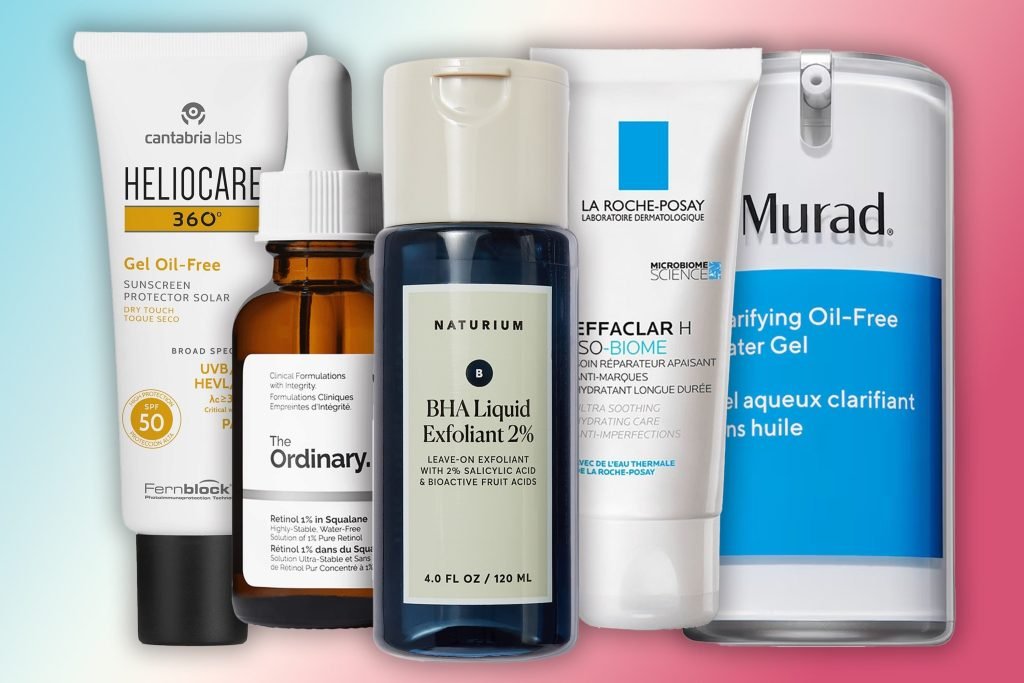
Dealing with hormonal acne can feel like an endless battle. You’ve tried countless products, but those stubborn breakouts just won’t quit.
Sound familiar? You’re not alone, and there’s hope on the horizon. Imagine waking up to clearer, healthier skin that boosts your confidence every day. Sounds like a dream, right? You’ll discover a skincare routine specifically designed to tackle hormonal acne.
We’ll guide you through simple, effective steps to soothe and transform your skin. Ready to unlock the secrets to a radiant complexion? Let’s dive in and get you one step closer to the clear skin you deserve.
Causes Of Hormonal Acne
Understanding the causes of hormonal acne is key to managing it effectively. Hormonal acne is not just about your skin reacting; it’s deeply connected to changes happening inside your body. Knowing what triggers these changes can help you take control of your skincare routine and reduce breakouts.
Hormones And Skin
Your skin is very responsive to hormones, especially androgens like testosterone. These hormones increase oil production in your skin’s sebaceous glands. Excess oil clogs pores, creating an environment where acne-causing bacteria can thrive.
Have you noticed flare-ups around your menstrual cycle or during periods of stress? This happens because hormone levels fluctuate, often causing your skin to become oilier and more prone to pimples. Understanding your own hormonal patterns can be a game-changer in timing your skincare efforts.
Common Triggers
Besides natural hormone changes, several factors can trigger hormonal acne. These include:
- Stress:It prompts your body to release cortisol, which can worsen acne.
- Diet:High sugar and dairy intake can increase inflammation and oil production.
- Medications:Some drugs, like steroids or birth control, impact your hormone levels.
- Poor Sleep:Lack of rest disrupts hormone balance and skin repair.
Think about your daily habits—do you get enough sleep or eat a balanced diet? Small changes here might reduce your flare-ups more than you expect. What triggers do you notice most affecting your skin?
Choosing The Right Cleanser
Choosing the right cleanser is a crucial step in managing hormonal acne. Your skin needs a product that cleans deeply without stripping away its natural oils. The right cleanser can calm inflammation, reduce breakouts, and prepare your skin for the rest of your routine.
Gentle Formulas
Look for cleansers labeled as gentle or for sensitive skin. These usually have a mild pH and avoid harsh scrubbing agents.
I once switched to a creamy, sulfate-free cleanser and noticed less redness and fewer flare-ups within weeks. Gel-based or cream-based cleansers with soothing ingredients like aloe vera or chamomile are ideal choices. They clean without irritating your skin or triggering more oil production.
Ingredients To Avoid
Some ingredients can worsen hormonal acne by irritating your skin or clogging pores.
- Sulfates:These can strip your skin’s natural barrier and cause dryness.
- Alcohol:Often found in foaming cleansers, it can increase oil production as your skin tries to compensate.
- Fragrances and dyes:These can cause allergic reactions or irritation.
- Heavy oils:Ingredients like coconut oil might clog pores and trigger breakouts in acne-prone skin.
Have you noticed your skin reacting badly to certain cleansers? Paying attention to the ingredient list can help you avoid those triggers and find a product that supports clearer skin.
Effective Exfoliation Techniques
Effective exfoliation is key for managing hormonal acne. It removes dead skin cells that clog pores and cause breakouts. Choosing the right technique helps keep skin clear and smooth. Gentle exfoliation supports skin healing without irritation. Understanding the types and how often to exfoliate enhances your skincare routine.
Chemical Vs. Physical Exfoliants
Chemical exfoliants use acids or enzymes to dissolve dead skin cells. They work below the surface to clear pores and improve skin texture. Common types include:
- Alpha Hydroxy Acids (AHAs) like glycolic acid
- Beta Hydroxy Acids (BHAs) like salicylic acid
- Enzymes from fruits like papaya or pumpkin
Physical exfoliants remove dead cells by scrubbing the skin. These include:
- Face scrubs with small, gentle beads
- Exfoliating brushes or sponges
- Natural options like oatmeal or sugar
Chemical exfoliants are often better for hormonal acne. They clean pores deeply and reduce inflammation. Physical exfoliants can irritate sensitive or acne-prone skin if used too harshly. Always choose gentle options and avoid rough scrubbing.
Frequency And Tips
Exfoliate 1-3 times per week depending on skin sensitivity. Start slowly to see how your skin reacts. Over-exfoliating can cause redness and worsen acne.
- Apply chemical exfoliants after cleansing, before moisturizing
- Use physical exfoliants gently with light pressure
- Avoid exfoliating on active, inflamed acne spots
- Wear sunscreen daily to protect fresh skin cells
- Listen to your skin and adjust frequency as needed
Consistent, gentle exfoliation improves skin clarity and texture. It supports the healing process of hormonal acne effectively.

Credit: www.reddit.com
Targeted Treatments
Targeted treatments help clear hormonal acne by focusing on the root causes. These treatments reduce inflammation, unclog pores, and balance skin oil. Using the right products can improve skin texture and prevent new breakouts. Consistency matters for visible results. Choose treatments that suit your skin type and acne severity.
Topical Retinoids
Topical retinoids improve skin cell turnover. They prevent dead cells from blocking pores. Retinoids reduce swelling and redness caused by acne. Regular use helps fade acne scars and smooth skin. Start with a low concentration to avoid irritation. Apply retinoids at night and use sunscreen during the day.
Benzoyl Peroxide And Salicylic Acid
Benzoyl peroxide kills acne-causing bacteria on the skin. It reduces inflammation and helps dry out pimples. Salicylic acid exfoliates inside pores to remove excess oil and dirt. Both ingredients unclog pores and prevent new breakouts. Use products with gentle formulas to avoid dryness. Apply them once or twice daily depending on your skin’s tolerance.
Natural Remedies
Natural remedies can support acne treatment gently. Tea tree oil has antibacterial properties that calm acne. Aloe vera soothes irritated skin and reduces redness. Green tea extract helps reduce inflammation and oil production. Always test natural products on a small skin area first. Combine natural remedies with medical treatments for best results.
Moisturizing For Acne-prone Skin
Moisturizing is a crucial step in caring for hormonal acne-prone skin. Many believe oily or acne-prone skin does not need moisture, but this is not true. Proper hydration helps balance oil production and soothes irritated skin. Choosing the right moisturizer supports skin healing and prevents breakouts.
Non-comedogenic Options
Non-comedogenic moisturizers do not clog pores. This is vital for acne-prone skin to avoid extra breakouts. Look for labels stating “non-comedogenic” or “won’t clog pores.” Gel-based or water-based moisturizers are often better choices. Ingredients like hyaluronic acid and niacinamide hydrate without heaviness. Avoid heavy oils and thick creams that may block pores.
Hydration Importance
Hydration keeps skin soft and reduces dryness. Hormonal acne treatments can dry out the skin, causing more oil production. Proper moisture calms this cycle. It helps maintain the skin’s natural barrier and reduces redness. Hydrated skin recovers faster from acne scars and irritation. Drinking water also supports skin hydration from inside.
Sun Protection
Sun protection plays a crucial role in managing hormonal acne. UV rays can worsen inflammation and cause dark spots, making breakouts even more visible. Protecting your skin daily helps keep acne scars from darkening and supports overall skin healing.
Choosing Acne-friendly Sunscreens
Not all sunscreens are created equal, especially if you have hormonal acne. Look for products labeled “non-comedogenic” to avoid clogging pores.
- Opt for mineral-based sunscreens with zinc oxide or titanium dioxide as active ingredients. They sit on top of the skin and reduce irritation.
- Avoid heavy creams and oily formulas that may trigger breakouts. Gel or water-based sunscreens work better for acne-prone skin.
- Check for added ingredients like niacinamide or antioxidants, which can calm redness and support skin repair.
Have you ever felt sunscreen made your acne worse? Switching to a lightweight, acne-friendly formula can change how your skin reacts to sun protection.
Daily Application Tips
Applying sunscreen properly is just as important as choosing the right one. Use about a nickel-sized amount to cover your face thoroughly.
- Apply sunscreen as the last step of your morning skincare routine, after moisturizer.
- Don’t forget often-missed areas like your jawline and neck, where hormonal acne tends to appear.
- Reapply every two hours if you’re outside, and immediately after sweating or swimming.
Think about your daily habits—are you applying sunscreen consistently? Making it a habit can prevent flare-ups and protect your skin’s progress.
Lifestyle Adjustments
Adjusting your lifestyle can make a big difference in managing hormonal acne. Small changes in daily habits often help reduce breakouts and improve your skin’s overall health. Let’s look at some practical ways to support your skin through what you eat, how you handle stress, and the quality of your sleep.
Diet And Acne
Your diet directly affects your skin’s condition. Eating too much sugar and dairy can trigger acne for some people, so try reducing these to see if your skin improves.
Focus on foods rich in antioxidants and omega-3 fatty acids like berries, nuts, and fish. These help fight inflammation and keep your skin balanced.
Have you noticed certain foods worsen your acne? Keeping a food diary can help identify triggers unique to you.
Stress Management
Stress causes your body to produce hormones that can worsen acne. Finding ways to relax can reduce these hormone spikes and calm your skin.
Simple activities like deep breathing, yoga, or even a short walk outside can help lower stress levels.
What stress-relief method fits into your daily routine? Even small moments of calm can create big skin benefits.
Sleep And Skin Health
Sleep is when your body repairs itself, including your skin. Lack of sleep can increase inflammation and make acne worse.
Try to get 7-8 hours of quality sleep every night. Creating a bedtime routine, like turning off screens an hour before bed, can improve your rest.
Do you notice your skin flares up after a bad night’s sleep? Prioritizing rest can be one of the easiest ways to support your skin health.

Credit: www.eraorganics.com
When To See A Dermatologist
Knowing when to see a dermatologist can make a huge difference in managing hormonal acne effectively. While mild breakouts might clear up with over-the-counter products, some signs mean it’s time to seek professional help. Ignoring these signs can lead to scarring or prolonged skin issues, so don’t hesitate to get expert advice.
Signs Of Severe Acne
Severe acne often shows up as painful cysts or nodules that don’t respond to regular treatments. If your acne causes redness, swelling, or leaves dark spots and scars, these are warning signs. You might also notice acne spreading rapidly or appearing on unusual areas like your back or chest.
Ask yourself: Is your acne affecting your confidence or daily life? If yes, it’s a clear sign to consult a dermatologist. Early intervention can prevent long-term damage and improve your skin faster.
Professional Treatments
Dermatologists offer treatments that go beyond what you can get in stores. These include prescription medications like topical retinoids or antibiotics, which target acne at its root.
They can also provide in-office procedures such as chemical peels, light therapy, or corticosteroid injections for cystic acne. These treatments often speed up healing and reduce inflammation more effectively than home remedies.
Have you tried multiple products without success? Professional care might be the missing piece to your skincare puzzle. A dermatologist can tailor treatments specifically for your skin type and hormonal patterns, giving you the best chance at clearer skin.

Credit: twlskin.com
Frequently Asked Questions
What Causes Hormonal Acne And How To Treat It?
Hormonal acne is caused by hormone fluctuations, especially during puberty or menstrual cycles. Treat it by using gentle cleansers, non-comedogenic moisturizers, and targeted treatments like salicylic acid or benzoyl peroxide.
How Often Should I Follow A Skincare Routine For Hormonal Acne?
Follow your skincare routine twice daily, morning and night. Consistency helps regulate oil production and reduces acne flare-ups effectively.
Which Ingredients Work Best For Hormonal Acne Skincare?
Look for ingredients like salicylic acid, benzoyl peroxide, niacinamide, and retinoids. These ingredients unclog pores, reduce inflammation, and balance oil production.
Can Diet Affect Hormonal Acne And Skincare Results?
Yes, diet impacts hormonal acne. Avoid high-glycemic foods and dairy, which may worsen acne. Eat a balanced diet rich in antioxidants for better skin.
Conclusion
Hormonal acne needs gentle, steady care for best results. Choose products that calm skin and reduce oil. Cleanse twice daily to keep pores clear. Moisturize to protect and heal your skin. Avoid harsh scrubs that irritate and worsen acne. Healthy habits like good sleep and balanced food help too.
Patience matters—results take time to show. Stick to your routine and watch your skin improve. Clear skin feels good and boosts confidence. Keep caring for your skin every day.
