
Are you curious about how to give your skin that radiant glow you’ve always wanted? Lactic acid might just be the secret weapon your skincare routine is missing.
Imagine waking up to smoother, brighter skin, all thanks to one powerful ingredient. But here’s the catch: timing is everything. When and how you use lactic acid can make all the difference in achieving those skin goals you’ve been dreaming of.
In this blog post, we’re diving into the perfect moments to introduce lactic acid into your skincare routine. Discover how this gentle yet effective acid can transform your skin, and learn the tips and tricks to maximize its benefits. Don’t miss out on unlocking the full potential of your skincare routine—read on to find out more!
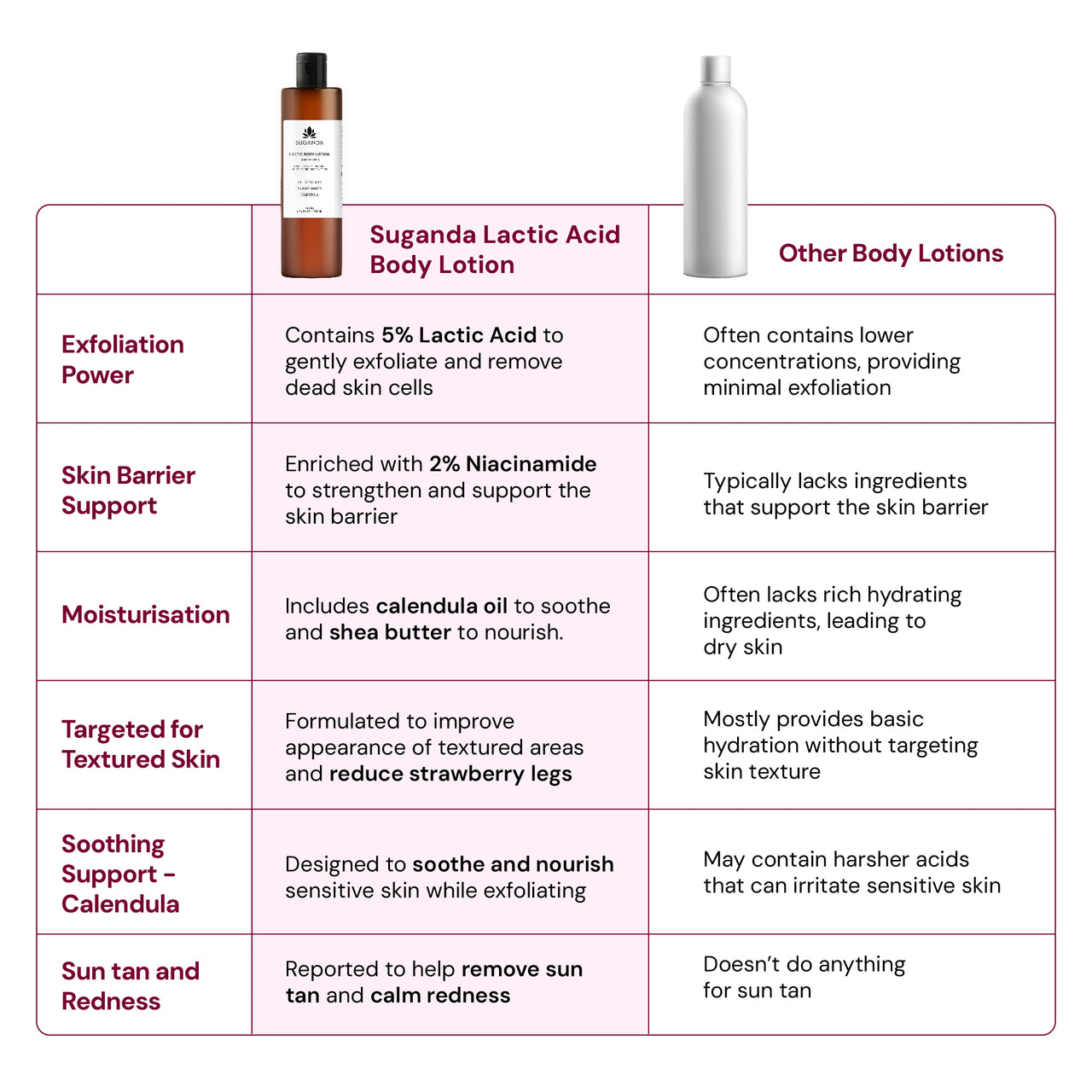
Credit: suganda.co
Benefits Of Lactic Acid
Lactic acid offers multiple benefits that can transform your skincare routine. It’s not just about exfoliation; lactic acid also helps hydrate and improve your skin’s texture. Understanding these benefits can help you decide the best time and way to use it for your skin’s unique needs.
Exfoliation And Skin Renewal
Lactic acid gently exfoliates dead skin cells without causing harsh irritation. It works by loosening the bonds between old skin cells, allowing them to shed naturally. This process reveals fresher, smoother skin underneath and encourages faster cell turnover.
If you’ve ever struggled with dull or uneven skin, adding lactic acid can bring noticeable brightness. It’s especially helpful if you want to avoid the dryness or redness that stronger acids sometimes cause.
Hydration Boost
Unlike some exfoliants that dry out your skin, lactic acid is a humectant. This means it draws moisture from the environment into your skin, keeping it hydrated and plump. Many users find their skin feels softer and more supple after using lactic acid products regularly.
Have you noticed your skin feels tight or flaky after exfoliating? Lactic acid could be the solution because it supports moisture retention while renewing your skin surface.
Improving Skin Texture
Regular use of lactic acid can smooth rough patches and reduce the appearance of fine lines. It helps even out skin tone and minimize pores over time. You might see a more refined, polished look that feels as good as it looks.
Think about the last time you touched your skin and felt unevenness or bumps. Consistent lactic acid use can change that, making your skin surface feel more balanced and healthy.
Ideal Skin Types For Lactic Acid
Lactic acid is a gentle yet effective exfoliant that works well for various skin types. Knowing if your skin is suited for lactic acid can help you get the best results without irritation. Let’s look at which skin types benefit most from adding lactic acid to their routine.
Dry And Sensitive Skin
If your skin feels tight, flaky, or often reacts to harsh products, lactic acid might be your new best friend. It’s milder than other acids like glycolic acid, so it exfoliates without stripping moisture. Many with sensitive skin find that lactic acid smooths and hydrates, improving texture without redness or burning.
Have you ever avoided exfoliation because it made your skin worse? Lactic acid offers a way to gently slough off dead skin while boosting hydration. Start slow with a low concentration, and watch how your skin gradually becomes softer and more radiant.
Combination And Oily Skin
If you struggle with oily zones and clogged pores, lactic acid can help keep your skin clear and balanced. It exfoliates dead skin cells that clog pores and encourages cell turnover, which reduces breakouts over time. Unlike some strong acids, lactic acid won’t over-dry your skin, so it’s great for combination types.
For oily skin, consider using lactic acid a few times a week to maintain a fresh, matte finish. You might notice your skin looks less dull and feels smoother. Curious how your skin reacts? Patch test first and adjust frequency based on how your skin feels afterward.
Best Time Of Day To Apply
Choosing the best time to apply lactic acid boosts its benefits. Timing affects how your skin reacts and absorbs the product. Knowing when to use it helps avoid irritation and maximizes results. Consider your skin type and daily routine to pick the ideal moment.
Morning Use Considerations
Using lactic acid in the morning requires extra care. It can make your skin sensitive to sunlight. Always apply a broad-spectrum sunscreen after using lactic acid. This protects your skin from UV damage.
Morning use can brighten your complexion throughout the day. It gently exfoliates, removing dead skin cells. This helps your makeup apply more smoothly. Choose a gentle formula for morning use to avoid redness.
Evening Application Advantages
Evening is often the best time to apply lactic acid. Your skin repairs itself overnight, which supports acid’s effects. There is less sun exposure, reducing risk of irritation.
Applying lactic acid at night allows deeper exfoliation. It clears away dirt and oil from the day. Your skin can absorb moisturizers better after acid use. This routine supports smoother and softer skin over time.
Frequency Of Use
Frequency of use is key when adding lactic acid to your skincare. Using it right helps your skin get benefits without irritation. Lactic acid is a gentle exfoliant but still needs careful timing. How often you use it depends on your skin’s strength and needs.
Starting Slowly
Begin with a small amount of lactic acid. Use it once or twice a week at first. This lets your skin adjust to the acid. Watch for any redness, dryness, or discomfort. If your skin feels fine, you can increase use gradually.
Adjusting Based On Skin Response
Pay close attention to how your skin reacts. If you see no irritation, try using lactic acid more often. You can move to every other day or even daily use. If irritation appears, reduce frequency or stop temporarily. Always listen to your skin’s signals to keep it healthy.
Combining Lactic Acid With Other Products
Combining lactic acid with other skincare products requires care. Proper pairing can enhance benefits and reduce irritation. Understanding which products work well together helps maintain healthy skin.
Pairing With Moisturizers
Lactic acid can make skin feel dry or tight. Using a good moisturizer after lactic acid helps keep skin soft. Choose moisturizers with ingredients like hyaluronic acid or ceramides. These soothe and strengthen the skin barrier.
Apply moisturizer after lactic acid has absorbed fully. This seals moisture and prevents dryness. Avoid heavy creams that may clog pores if you have oily skin.
Avoiding Irritating Ingredients
Some ingredients can increase skin irritation when mixed with lactic acid. Avoid products with retinol, vitamin C, or benzoyl peroxide during the same routine. These can cause redness, peeling, or sensitivity.
Use lactic acid on its own or with gentle products like mild cleansers and hydrating serums. Give your skin time to adjust before adding stronger actives.

Credit: suganda.co
Precautions And Sun Protection
Lactic acid is a powerful ingredient in skincare. It helps exfoliate and brighten the skin. Using lactic acid requires care to avoid skin damage. This section explains key precautions and how to protect your skin from the sun.
Avoiding Sun Sensitivity
Lactic acid can make your skin more sensitive to sunlight. This increases the risk of sunburn and irritation. Avoid direct sun exposure after applying lactic acid products. Use lactic acid mostly at night to reduce sun sensitivity. Wear protective clothing like hats and sunglasses when outside. Always observe your skin’s reaction and reduce use if redness appears.
Choosing The Right Sunscreen
Sunscreen is essential when using lactic acid. Choose a broad-spectrum sunscreen that blocks UVA and UVB rays. Look for SPF 30 or higher to ensure strong protection. Apply sunscreen every morning, even on cloudy days. Reapply every two hours, especially after sweating or swimming. Use sunscreens with gentle ingredients to avoid irritation on sensitive skin.

Credit: www.reddit.com
Frequently Asked Questions
When Is The Best Time To Apply Lactic Acid?
Apply lactic acid at night to avoid sun sensitivity. Nighttime use allows better absorption and skin renewal. Always follow with sunscreen during the day to protect your skin from UV damage.
How Often Should I Use Lactic Acid In Skincare?
Start using lactic acid 1-2 times per week. Gradually increase frequency as your skin builds tolerance. Overuse can cause irritation, so monitor your skin’s response carefully.
Can Lactic Acid Be Used On Sensitive Skin?
Yes, but choose lower concentrations (around 5%). Patch test before full application to avoid irritation. Consult a dermatologist if you have highly sensitive or reactive skin.
Should Lactic Acid Be Combined With Other Acids?
Avoid using lactic acid with strong acids like glycolic or salicylic acid simultaneously. Combining can increase irritation. Use them on alternate days for best results.
Conclusion
Lactic acid helps renew and brighten your skin gently. Use it in the evening to avoid sun sensitivity. Start with low concentration to see how your skin reacts. Consistency brings the best results over time. Avoid mixing with harsh ingredients to prevent irritation.
Remember, patience is key for glowing skin. Choose the right time and products for your skin type. Keep your routine simple and listen to your skin’s needs. Healthy skin takes care and attention every day.