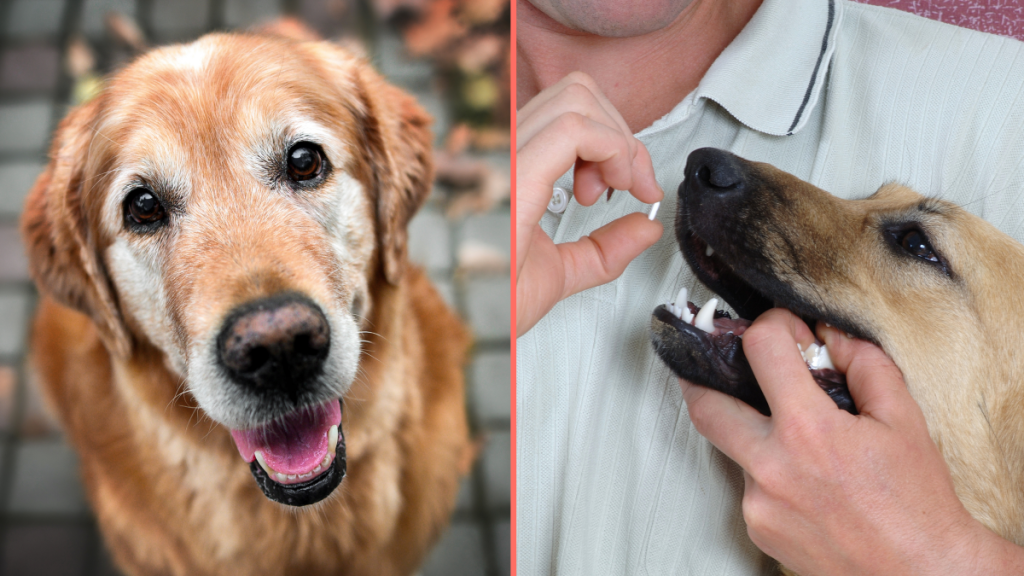
Imagine if your furry friend could enjoy more years of chasing balls, wagging tails, and cuddling by your side. What if there was a way to slow down the ticking clock of aging for your beloved dog?
The concept isn’t as far-fetched as it sounds. An anti-aging drug for dogs is making waves in the pet care world, and it’s about to change how you think about your pet’s health and longevity. You love your dog like family, and just like any family member, you want them to live a long, happy life.
Discover how this groundbreaking development could transform your dog’s aging process, and why it might just be the next big thing in veterinary science. Stay with us as we explore what this means for you and your four-legged companion.

Credit: www.amazon.com
Signs Of Aging In Dogs
Dogs age just like humans. Signs of aging appear slowly but clearly. Recognizing these signs helps you care better for your dog. Aging affects their body, mind, and health. Knowing what to watch for is important.
Physical Changes
Gray hairs often appear around the muzzle and eyes. Muscle tone decreases and dogs may seem thinner or weaker. Their skin may become less elastic and drier. Joints can stiffen, causing slower movements. Eyes may look cloudy or less bright. Hearing might also fade over time.
Behavioral Shifts
Older dogs can become less active and playful. They may sleep more during the day and night. Some dogs show signs of confusion or disorientation. They might forget training or seem less alert. Changes in social behavior, like increased clinginess or withdrawal, are common. Anxiety or irritability can also increase with age.
Health Challenges
Older dogs often face new health issues. Arthritis and joint pain are frequent problems. Dental disease can cause discomfort and eating issues. Vision and hearing loss are common. Kidney, liver, or heart problems may develop. Regular vet check-ups become more necessary to catch issues early.
How Anti Aging Drugs Work
Understanding how anti-aging drugs work can help you make better choices for your dog’s health. These drugs focus on key areas that affect aging at the cellular level, immune system, and joint health. Each part plays a role in keeping your furry friend active and happy as they grow older.
Targeting Cellular Aging
Cells naturally age and lose their ability to function properly. Anti-aging drugs help slow down this process by protecting cells from damage and encouraging repair. Some medications reduce harmful molecules called free radicals that speed up aging.
Have you noticed your dog getting tired faster or not bouncing back after play? This might be due to cellular wear and tear. Slowing cellular aging means your dog’s body stays stronger longer.
Boosting Immune Function
As dogs age, their immune system weakens, making them more prone to infections and illnesses. Anti-aging drugs can stimulate the immune system, helping your dog fight off diseases more effectively. A stronger immune response means fewer vet visits and a happier pet.
Think about how your dog handles stress or exposure to new environments. A boosted immune system helps them recover quickly and stay healthy, no matter what surprises come their way.
Improving Joint Health
Joint pain and stiffness are common in aging dogs, affecting their mobility and quality of life. Anti-aging drugs often include ingredients that reduce inflammation and support cartilage repair. This helps your dog move more comfortably and enjoy activities they love.
Have you seen your dog hesitate before jumping or climbing stairs? Supporting joint health can bring back their confidence and keep them active for years to come.
Popular Anti Aging Drugs For Dogs
When your dog starts showing signs of aging, you want to give them the best care possible. Popular anti aging drugs for dogs aim to slow down the aging process and improve their quality of life. Understanding the options available can help you make informed decisions for your furry friend’s health.
Fda-approved Options
There are a few FDA-approved drugs designed to manage age-related conditions in dogs. These medications often target specific issues like arthritis or cognitive decline. For instance, selegiline is approved to treat canine cognitive dysfunction, helping older dogs stay alert and active.
Another example is carprofen, a non-steroidal anti-inflammatory drug (NSAID) that helps with joint pain caused by arthritis. These drugs have been tested for safety and effectiveness, giving you some confidence in their use.
Natural Supplements
If you prefer a gentler approach, natural supplements are popular among dog owners. Supplements like omega-3 fatty acidssupport brain and joint health, while antioxidants such as vitamin Efight cell damage caused by aging.
Many pet parents have seen improvements by adding supplements like glucosamine and chondroitin to their dog’s diet. These natural options often come with fewer side effects, but it’s important to discuss them with your vet before starting.
Emerging Treatments
New research is leading to exciting treatments that may change how we manage aging in dogs. Some experimental therapies involve stem cell treatmentsto regenerate damaged tissues, offering hope for dogs with arthritis or injuries.
Other emerging options include rapamycin, a drug studied for its potential to extend lifespan and improve health in aging dogs. Although not widely available yet, these treatments show promise and might be part of your dog’s future care plan.
What would you try first to help your aging dog feel younger? Your vet can guide you through these choices based on your dog’s unique needs.
Benefits Of Anti Aging Drugs
Anti aging drugs for dogs offer more than just a way to extend your furry friend’s life. They provide tangible improvements in day-to-day well-being, helping your dog stay active, sharp, and happy as they age. Understanding these benefits can help you make informed choices about your pet’s health care.
Enhancing Energy Levels
Aging dogs often show decreased activity and more fatigue. Anti aging drugs can boost their energy by improving cellular function and metabolism. You might notice your dog becoming more playful and eager for walks again, which improves overall quality of life.
Have you ever watched your older dog perk up after a few weeks on a new supplement? That’s a clear sign their body is responding positively to the added support.
Supporting Cognitive Function
Just like humans, dogs can experience cognitive decline as they grow older. Anti aging drugs help protect brain cells and improve memory and alertness. This means your dog can maintain better focus and respond to commands more easily.
It’s rewarding to see your dog stay mentally sharp, avoiding confusion or anxiety that sometimes comes with age. Wouldn’t you want your dog to stay mentally engaged and comfortable for as long as possible?
Promoting Longevity
The ultimate goal of anti aging drugs is to extend your dog’s healthy lifespan, not just their years. These medications target the root causes of aging, reducing inflammation and cell damage. This allows your dog to enjoy more active years and fewer health issues.
Imagine the extra time you could spend together, sharing more memories and adventures. Isn’t that a goal worth considering when deciding on your dog’s health plan?
Potential Risks And Side Effects
Using an anti-aging drug for your dog might sound promising, but it’s important to understand the potential risks and side effects involved. These medications can affect your pet’s body in different ways, and not all reactions are obvious right away. Being aware of these issues helps you protect your furry friend and make informed choices.
Common Adverse Reactions
Some dogs may experience mild side effects like digestive upset, including vomiting or diarrhea. Others could show signs of lethargy, loss of appetite, or changes in behavior. In rare cases, more serious effects like allergic reactions or organ stress can occur.
One dog owner shared how their pet started showing unusual tiredness after starting an anti-aging drug. After stopping the medication, the energy levels returned to normal. This highlights the need to watch closely for any changes in your dog’s health.
Drug Interactions
Anti-aging drugs can interact with other medications your dog might be taking. Combining treatments without veterinary guidance increases the risk of harmful effects. For example, mixing anti-aging drugs with steroids or certain heart medications can cause complications.
Always keep a complete list of your dog’s medications ready for your vet. This helps avoid dangerous interactions and ensures safer treatment plans. Have you ever checked how different medicines might affect each other in your dog’s routine?
When To Consult A Vet
If you notice any unusual symptoms after giving your dog an anti-aging drug, contact your vet immediately. Early signs like vomiting, swelling, difficulty breathing, or severe lethargy require urgent attention. Prompt action can prevent serious health problems.
Your vet can adjust dosages or suggest alternative treatments if side effects appear. Never stop or change medication without professional advice. How closely do you monitor your dog’s reaction to new drugs?
Administering Anti Aging Drugs Safely
Administering anti aging drugs safely is key to helping your dog live longer and healthier. Careful attention to dosage, monitoring, and treatment adjustments ensures the best results. Safety reduces risks and improves your dog’s comfort during treatment.
Dosage Guidelines
Follow the veterinarian’s dosage instructions exactly. Dosages depend on your dog’s weight, age, and health condition. Never give more than the recommended amount. Use a proper measuring tool for liquid medications. Avoid skipping doses to maintain steady drug levels.
Monitoring Your Dog’s Response
Watch for any changes in behavior or health. Look for signs of improvement or side effects like vomiting or lethargy. Keep a daily log of your dog’s mood, appetite, and activity. Regular check-ups help track progress and catch problems early. Contact your vet immediately if you notice severe reactions.
Adjusting Treatment Plans
Discuss any concerns or changes with your vet. The dose may need adjustment based on your dog’s response. Treatment length might change depending on progress. Never change doses or stop medication without veterinary advice. A flexible plan ensures your dog’s safety and effectiveness of the drug.
Lifestyle Tips To Complement Treatment
To truly support your dog’s anti-aging treatment, lifestyle choices play a crucial role. The right habits can enhance the effectiveness of medications and promote overall wellness. Small changes in daily care can make a big difference in your dog’s vitality and happiness.
Balanced Diet Choices
Your dog’s diet impacts how well anti-aging drugs work. Focus on high-quality proteins, healthy fats, and essential vitamins to support aging joints and brain function.
- Include omega-3 fatty acids from fish oil to reduce inflammation.
- Add antioxidants like blueberries or spinach to fight cellular damage.
- Limit processed treats and foods high in sugar or fillers.
Have you checked if your dog’s food label highlights real ingredients? You might find simple swaps that can boost their health instantly.
Regular Exercise
Keeping your dog active helps maintain muscle tone and joint flexibility. Exercise also supports circulation, which can improve the absorption of anti-aging drugs.
- Short, frequent walks prevent overexertion while encouraging movement.
- Gentle play sessions boost cardiovascular health and mood.
- Swimming is excellent for dogs with arthritis or mobility issues.
Notice how your dog responds after exercise—does their energy last longer? Tracking this can help tailor their routine for the best results.
Mental Stimulation
Anti-aging treatments support physical health, but mental sharpness needs your attention too. Challenges and new experiences keep your dog’s brain engaged.
- Try puzzle feeders or treat-dispensing toys to make mealtime fun.
- Teach new commands or tricks to encourage learning.
- Rotate toys to keep interest high and prevent boredom.
What new activity could you introduce today to spark your dog’s curiosity? A mentally active dog often shows more enthusiasm and a better mood.
Credit: snuggle.upworthy.com
Future Trends In Canine Anti Aging
The future of canine anti-aging is opening exciting possibilities that could extend your dog’s healthy years. New research and technology are shaping treatments that go beyond basic care, targeting the root causes of aging. What if you could help your furry friend stay active and vibrant much longer than ever before?
Advances In Veterinary Medicine
Veterinary medicine is making huge strides with improved diagnostics and therapies. New drugs are being developed to slow down age-related diseases like arthritis and cognitive decline.
Imagine a medication that not only eases your dog’s joint pain but also boosts their overall cell health. These advances mean vets can offer treatments tailored to your dog’s unique aging process, improving quality of life significantly.
Genetic Research
Genetics is unlocking secrets about why dogs age differently. Scientists are identifying specific genes linked to longevity and disease resistance.
This knowledge allows for early detection of potential health issues and customized preventive care. Could your dog’s DNA hold the key to a longer, healthier life?
Personalized Treatments
Personalized medicine is becoming a reality for dogs, just like for humans. Treatments based on your dog’s genetics, lifestyle, and environment are designed to be more effective.
Think about a tailored anti-aging plan that considers your dog’s breed, weight, and health history. This approach maximizes benefits and minimizes side effects, making aging more manageable for your beloved pet.

Credit: www.goodrx.com
Frequently Asked Questions
What Is An Anti Aging Drug For Dogs?
An anti aging drug for dogs helps slow down aging effects. It improves vitality, mobility, and overall health in older dogs.
Are Anti Aging Drugs Safe For Dogs?
Most anti aging drugs for dogs are safe when used as directed. Always consult a veterinarian before starting any treatment.
How Do Anti Aging Drugs Benefit Senior Dogs?
These drugs boost energy, support joint health, and enhance cognitive function. They improve quality of life in aging dogs.
Can Anti Aging Drugs Reverse Aging In Dogs?
Anti aging drugs cannot reverse aging. They help manage symptoms and delay age-related decline in dogs.
Conclusion
Anti aging drugs for dogs may help improve their quality of life. These treatments support healthier joints, better energy, and sharper minds. Always discuss options with your veterinarian before starting any new drug. Watch your dog’s response closely to ensure safety.
Aging is natural, but care can make it easier. Giving your dog comfort and love matters most. Keep learning about ways to help your pet live well. Small steps can lead to happier, healthier years together.
