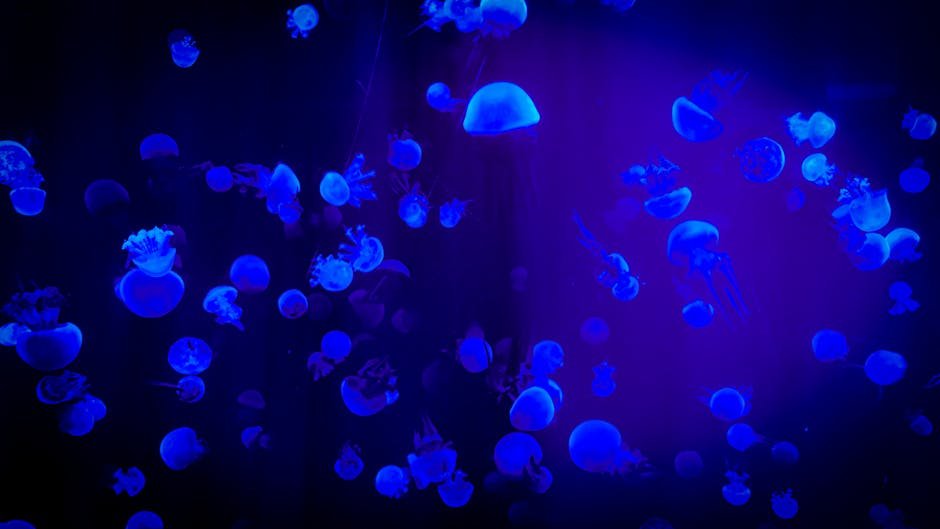
Imagine diving into the mysterious depths of the ocean, where the water is dark and secrets abound. Suddenly, a soft glow catches your eye.
It’s not a trick of the light—it’s a glowing beautiful deep sea fish. These fascinating creatures use their natural luminescence to survive in a world where sunlight never reaches. But why do they glow? And how do they use this magical ability to their advantage?
Get ready to uncover the secrets of these enchanting underwater wonders. This isn’t just another fish story; it’s a glimpse into the incredible adaptations that make life in the deep sea possible. You’re about to discover how these fish light up their world—and yours.

Credit: www.dreamstime.com
Bioluminescence In Deep Sea Fish
Deep sea fish create light in a dark, cold environment. This natural glow is called bioluminescence. It helps these fish survive and communicate in deep ocean depths.
How Light Is Produced
Bioluminescence happens through a chemical reaction inside the fish’s body. Special cells called photophores hold chemicals like luciferin and luciferase. When these mix with oxygen, they produce light. This process uses very little energy.
Some deep sea fish also have glowing bacteria living in their bodies. These bacteria generate light continuously. The fish control the light by adjusting the number of bacteria or covering them.
Functions Of Bioluminescence
Bioluminescence serves many purposes for deep sea fish:
- Camouflage:Light helps fish blend with faint surface light, hiding from predators below.
- Attracting Prey:Some fish use glowing lures to draw smaller animals close.
- Communication:Fish send signals to each other using flashes or patterns of light.
- Defense:Bright flashes can scare predators or confuse them, allowing escape.
Types Of Glowing Deep Sea Fish
Glowing deep sea fish display fascinating light shows beneath the ocean surface. Their bioluminescence helps in hunting, hiding, and communication. Each species has a unique glow and body shape. They live in dark, cold waters, far from sunlight. Exploring these fish reveals nature’s creativity in the deep sea.
Anglerfish
Anglerfish have a glowing lure on their heads. This light attracts prey close enough to catch. Their large mouths and sharp teeth trap prey easily. The glow comes from bacteria living in the lure. Anglerfish use this light to survive in pitch-black depths.
Lanternfish
Lanternfish have rows of glowing organs called photophores. These lights help them blend with faint surface light. They use bioluminescence to communicate and avoid predators. Lanternfish are one of the most common deep sea fish. Their glow creates a sparkling underwater display.
Dragonfish
Dragonfish have long, sleek bodies and sharp teeth. They produce red and blue light to find prey. Their eyes can see in the dark ocean depths. The glowing light also scares away predators. Dragonfish are fierce hunters in the deep sea world.
Hatchetfish
Hatchetfish have thin, flat bodies shaped like a hatchet. They use glowing patches to camouflage themselves from predators. The light matches the faint light above, hiding their shadow. Hatchetfish glow softly but effectively in deep water. They rely on this glow for survival.
Adaptations To Abyssal Environment
The abyssal zone is one of the darkest and coldest places on Earth. Deep sea fish have unique ways to survive here. Their bodies show amazing changes that help them live in such tough conditions. These changes are called adaptations. They allow fish to find food, avoid predators, and reproduce.
Bioluminescence and body shapes are key to their survival. They blend into the dark or use light to communicate. Their bodies also resist extreme pressure and cold temperatures. These adaptations make deep sea fish some of the most fascinating creatures in the ocean.
Camouflage And Light Emission
Deep sea fish use camouflage to hide from predators and prey. Many have dark colors that blend with the ocean’s blackness. Some have shiny surfaces that reflect faint light, making them nearly invisible.
Light emission is another survival tool. These fish create light through chemical reactions inside their bodies. This light can attract prey or mates. It can also confuse or scare predators.
Some fish have light organs called photophores. These organs produce different light patterns. These patterns help fish communicate or blend with the faint light from above.
Pressure And Temperature Resistance
Pressure in the abyssal zone is very high. Deep sea fish have strong but flexible bodies to withstand this pressure. Their bones are often soft or reduced to avoid damage.
These fish also survive near freezing temperatures. Their enzymes work well in cold water. Special proteins keep their cells from freezing or breaking.
Their slow metabolism helps conserve energy in a place with little food. These adaptations keep them alive in the harsh deep sea environment.

Credit: www.dreamstime.com
Role In The Deep Sea Ecosystem
The glowing beautiful deep sea fish play a vital role in the deep sea ecosystem, shaping life in one of Earth’s most mysterious environments. Their bioluminescence is not just for show—it serves essential functions that keep the ecosystem balanced and thriving. Understanding these roles helps you appreciate how life adapts and survives in extreme conditions.
Predation And Defense
Bioluminescence acts as both a weapon and a shield for deep sea fish. Some species use their light to lure prey closer, making hunting easier in total darkness. Others flash bright signals to confuse or scare off predators, giving them a chance to escape.
Imagine being in pitch black water, where your only way to survive is using light to trick or warn others. This glow becomes your lifeline. It also influences the food chain by controlling which species thrive and which don’t.
Communication And Mating
Deep sea fish rely heavily on glowing patterns to communicate with each other. These light signals help them find mates in vast, dark oceans where visibility is almost zero. Each species often has a unique glow pattern, acting like a secret language you won’t see anywhere else.
Think about how important clear communication is in your own life. In the deep sea, these light signals are crucial for survival and reproduction. Without them, many species would struggle to continue their lineage.
Scientific Discoveries And Research
Scientific discoveries and research have dramatically expanded our understanding of glowing deep sea fish. These mysterious creatures light up the darkest parts of the ocean with bioluminescence, a natural glow that continues to puzzle and fascinate scientists. Ongoing studies reveal how these fish use light for communication, hunting, and survival.
Recent Expeditions
Recent expeditions have taken researchers deeper than ever before. Submersibles and remote-operated vehicles (ROVs) have captured stunning footage of glowing fish in their natural habitats. These trips uncover species never seen before, showing unique light patterns and behaviors.
One expedition off the coast of Hawaii discovered a new type of anglerfish with a glowing lure unlike any previously documented. This find challenges what we thought about how deep sea fish attract prey. What might these discoveries mean for understanding ocean ecosystems?
Technological Advances In Observation
Technology plays a key role in studying bioluminescent fish. Advances in low-light cameras and sonar allow scientists to observe these creatures without disturbing them. This leads to more accurate behavior studies and better data collection.
Drones equipped with sensitive sensors can track light emissions from fish over large areas. This technology helps map glowing species’ distribution and their interactions. Imagine being able to watch a living underwater light show without ever entering the ocean yourself.
Challenges Facing Deep Sea Fish
Deep sea fish face many challenges in their dark, cold homes. These fish have adapted to survive extreme pressure and little light. Yet, their environment is changing fast. These changes threaten their survival and the unique glow many deep sea fish show. Understanding these challenges helps protect these amazing creatures.
Environmental Threats
Deep sea habitats are fragile and sensitive. Rising ocean temperatures affect water layers and food supply. Acidification changes the chemistry of seawater, harming fish bodies. Pollution from plastics and chemicals reaches the deep ocean. These factors disrupt the balance deep sea fish rely on. Many species struggle to adjust to these quick changes.
Impact Of Human Activities
Humans affect deep sea fish in several ways. Deep sea fishing targets slow-growing fish, reducing their numbers. Mining for minerals disturbs the ocean floor and destroys habitats. Noise pollution from ships interferes with fish communication. Waste dumping adds toxic substances to deep waters. These actions make survival harder for glowing deep sea fish.

Credit: stockcake.com
Frequently Asked Questions
What Makes Deep Sea Fish Glow In The Dark?
Deep sea fish glow due to bioluminescence. They produce light using chemical reactions. This helps them attract prey and communicate.
Which Deep Sea Fish Are The Most Beautiful?
Anglerfish, lanternfish, and hatchetfish are known for their glowing beauty. Their lights create mesmerizing patterns in dark waters.
How Do Deep Sea Fish Use Bioluminescence?
They use bioluminescence to hunt, hide from predators, and find mates. The light can confuse enemies or lure prey closer.
Can Humans See Glowing Deep Sea Fish Naturally?
No, humans rarely see these fish naturally. They live in deep, dark ocean zones beyond natural light reach.
Conclusion
Deep sea fish glow in many beautiful ways. Their lights help them find food and stay safe. These glowing fish show how life adapts in dark places. They remind us of nature’s mystery and wonder. Exploring their world can teach us a lot about the ocean.
The deep sea holds many secrets still unknown. Watching these glowing creatures sparks curiosity and awe. They brighten the dark ocean with their unique lights. Understanding them helps us care for ocean life better. The glowing deep sea fish truly amaze and inspire.
