
Are you tired of feeling like the skincare aisle is a maze designed for everyone but you? You’re not alone.
Many men feel overwhelmed when it comes to skincare, thinking it’s complicated or just not for them. But what if you discovered that a simple skincare routine could change not just how your skin looks, but how you feel every day?
Imagine waking up to a fresh, energized face that boosts your confidence and starts your day off right. We’re going to break down an easy and effective skincare routine tailored specifically for men, so you can achieve healthy skin without the fuss. Keep reading to unlock the secrets of looking and feeling your best. Your skin will thank you.

Credit: skintypesolutions.com
Importance Of Skincare For Men
Men’s skin needs care to stay healthy and strong. Skincare helps protect against damage from the sun, pollution, and daily stress. It also keeps the skin clean, fresh, and less oily or dry. Good skincare can prevent early signs of aging like wrinkles and dark spots.
Taking care of skin improves appearance and boosts confidence. It supports overall health and hygiene. Simple habits can make a big difference in how the skin feels and looks every day.
Protecting Skin From Environmental Damage
Skin faces harsh elements like sun rays and dirt daily. Skincare routines add a layer of protection. Sunscreen blocks harmful UV rays that cause burns and aging. Cleansing removes dirt and sweat that clog pores. This helps avoid skin problems and keeps skin smooth.
Preventing Common Skin Issues
Many men deal with oily skin, acne, or dryness. Skincare controls oil and clears blocked pores. Moisturizing stops skin from becoming too dry or flaky. Regular care reduces irritation and redness. Healthy skin means fewer breakouts and discomfort.
Boosting Confidence And Appearance
Clear, healthy skin makes a good impression. Men who care for their skin often feel more confident. Skincare routines help maintain a fresh and youthful look. This can improve social and professional interactions. Feeling good in your skin matters.

Credit: banish.com
Common Skin Types In Men
Men’s skin varies widely and understanding your skin type helps in choosing the right products. Common skin types include oily, dry, combination, and sensitive skin. Each type needs specific care to stay healthy and look good.
Oily Skin
Oily skin produces extra sebum, making the face shiny. It often has larger pores and may develop acne or blackheads. This skin type needs gentle cleansing and lightweight, non-comedogenic moisturizers to avoid clogging pores.
Dry Skin
Dry skin feels tight and rough. It may show flaking or redness. This type lacks natural oils and requires rich, hydrating creams to restore moisture. Avoid harsh soaps that strip away oils.
Combination Skin
Combination skin has both oily and dry areas. The T-zone (forehead, nose, chin) is oily, while cheeks are dry or normal. Use mild cleansers and balance hydration with light moisturizers on oily parts and richer creams on dry areas.
Sensitive Skin
Sensitive skin reacts easily to products or weather. It may itch, burn, or become red. Use fragrance-free, gentle skincare products. Test new items on a small skin patch before full use to prevent irritation.
Essential Skincare Products
Choosing the right skincare products is the foundation of any effective routine. The essential products cover the basics your skin needs daily to stay healthy, clear, and protected. Understanding what each product does can save you time, money, and frustration.
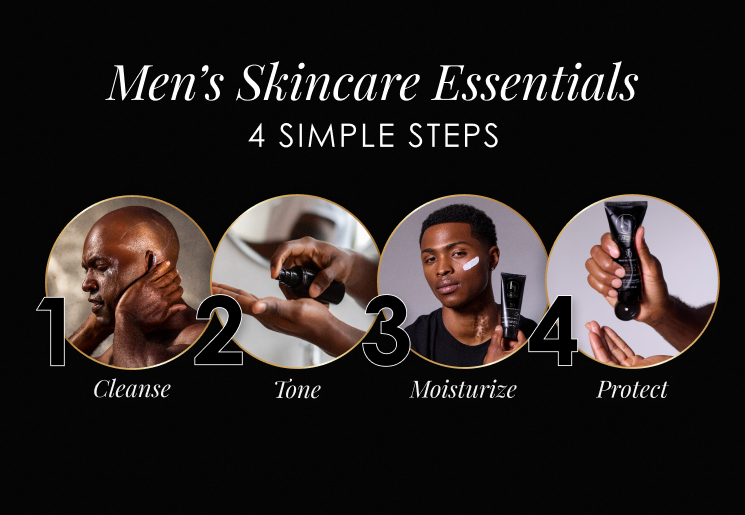
Cleanser
A good cleanser removes dirt, oil, and impurities without stripping your skin. Using just water isn’t enough because it can leave behind residue that clogs pores. Look for gentle formulas with ingredients like salicylic acid or tea tree oil if you have oily or acne-prone skin.
Personally, switching to a mild foaming cleanser made a huge difference in reducing breakouts. Have you noticed how your skin feels after washing? It should feel refreshed, not tight or dry.
Toner
Toner helps balance your skin’s pH and removes leftover dirt after cleansing. It also preps your skin to absorb moisturizers better. Avoid toners with high alcohol content as they can cause dryness and irritation.
Try using a toner with soothing ingredients like witch hazel or rose water. Do you feel your skin tightens or calms after applying toner? That’s a good sign it’s working well for you.
Moisturizer
Moisturizer locks in hydration and keeps your skin soft and smooth. Even if you have oily skin, skipping moisturizer can make your skin produce more oil to compensate. Choose a lightweight, non-comedogenic formula if you’re prone to acne.
After I started moisturizing daily, my skin looked healthier and less flaky. Does your skin feel comfortable or greasy after moisturizing? Adjust your product choice until it feels just right.
Sunscreen
Sunscreen protects your skin from harmful UV rays that cause premature aging and skin cancer. It’s the single most important product you can use every day, rain or shine. Pick a broad-spectrum sunscreen with at least SPF 30.
Applying sunscreen daily changed how my skin aged over time. How often do you reapply sunscreen during the day? Making it a habit can keep your skin safe and looking younger.
Daily Skincare Routine Steps
Building a daily skincare routine doesn’t need to be complicated or time-consuming. It’s about choosing simple, effective steps that fit your lifestyle and skin type. Whether you’re new to skincare or want to sharpen your habits, clear morning and evening routines can make a big difference in how your skin looks and feels.
Morning Routine
Your morning routine sets the tone for the day. Start by washing your face with a gentle cleanser to remove any sweat or oils that built up overnight. This helps your skin breathe and prepares it for the next steps.
Next, apply a moisturizer that suits your skin type. If your skin feels dry, pick a richer formula. If it’s oily or combination, go for a lightweight, non-greasy option.
Don’t skip sunscreen. Even if you’re indoors most of the day, UV rays can penetrate windows. Choose a broad-spectrum sunscreen with at least SPF 30 to protect your skin from damage and premature aging.
Evening Routine
At night, your skin needs a different kind of care. Start by removing dirt, oil, and impurities from the day using a gentle face wash. This step prevents clogged pores and breakouts.
Consider adding a treatment product if you have specific skin concerns like acne or dullness. Products with ingredients like salicylic acid or retinol can improve texture and clarity over time.
Finish with a nourishing moisturizer to help your skin repair and hydrate while you sleep. Night creams tend to be thicker, offering extra moisture that your skin loses during the night.
Shaving Tips For Healthy Skin
Shaving is more than just removing facial hair. It affects your skin’s health and appearance. A good shaving routine can prevent irritation, redness, and cuts. It helps maintain smooth, healthy skin every day. Follow these tips to make shaving safe and comfortable.
Pre-shave Preparation
Start with clean skin. Wash your face with warm water and a gentle cleanser. This removes dirt and softens hair. Warm water opens pores, making shaving easier. Use a warm towel on your face for a few minutes. Apply a pre-shave oil or gel to reduce friction. This protects skin from razor burns and cuts.
Choosing The Right Razor
Select a razor that suits your skin type and hair texture. Multi-blade razors offer a close shave but may irritate sensitive skin. Single-blade or safety razors reduce irritation. Replace blades often to avoid dullness and bacteria build-up. Use sharp blades for a clean, smooth shave. Hold the razor at a 30-degree angle to skin for best results.
Post-shave Care
Rinse your face with cool water to close pores. Gently pat dry with a clean towel. Apply an alcohol-free aftershave or moisturizer to soothe skin. Look for products with aloe vera or chamomile. Avoid harsh chemicals that cause dryness or irritation. Keep skin hydrated to prevent flakiness and redness.
Lifestyle Habits For Better Skin
Better skin isn’t just about what you put on your face—it’s about what you do every day. Your lifestyle choices have a direct impact on how your skin looks and feels. Small changes in your daily habits can lead to noticeable improvements in skin texture, tone, and overall health.
Nutrition
Your skin reflects the food you eat. Adding more fruits, vegetables, and whole grains to your diet provides essential vitamins and antioxidants that help repair and protect your skin.
Think about foods rich in vitamin C and E, like oranges and almonds—they support collagen production and fight damage from pollution. Have you ever noticed your skin feels dull after eating lots of processed foods? That’s your body telling you it needs better fuel.
Hydration
Water is your skin’s best friend. Drinking enough water keeps your skin plump, clear, and glowing.
Try to drink at least eight glasses a day. If you struggle to remember, keep a water bottle nearby or set reminders on your phone. Ever felt your skin tighten or flake after a long day? That’s dehydration kicking in.
Sleep
Sleep is when your skin gets its repair time. Without enough rest, your skin can look tired, dull, and even age faster.
Aim for 7-9 hours of quality sleep each night. Notice how your skin looks brighter and less puffy after a good night’s sleep? That’s not a coincidence—it’s your body healing itself.
Stress Management
Stress can trigger breakouts and worsen skin conditions like eczema or psoriasis. Managing stress helps keep your skin calm and balanced.
Find what relaxes you—whether it’s exercise, meditation, or a hobby. When you last felt overwhelmed, did you notice your skin acting up? That’s your stress hormones at work.
Treating Common Skin Issues
Dealing with common skin issues can feel frustrating, especially if you’re unsure how to handle them. Each problem needs a different approach, and knowing what to do can save you time and discomfort. Let’s look at practical ways to treat acne, razor burn, dryness, and the early signs of aging.
Acne
Acne doesn’t disappear just because you’re an adult. It can flare up due to stress, diet, or even the products you use. Use a gentle cleanser twice a day to remove excess oil and dirt without irritating your skin.
Look for products containing salicylic acid or benzoyl peroxide—they help unclog pores and reduce inflammation. Avoid scrubbing your face harshly; it can worsen acne and cause redness.
Have you noticed your skin reacts badly to certain shaving creams or aftershaves? Switching to fragrance-free and non-comedogenic products might reduce breakouts.
Razor Burn
Razor burn is a common annoyance that can leave your skin red and uncomfortable. Using a sharp razor and shaving in the direction of hair growth can greatly reduce irritation.
Apply a soothing, alcohol-free aftershave balm to calm the skin and prevent inflammation. If you shave daily, consider giving your skin a break every now and then to heal.
Ever tried shaving after a warm shower? It softens your hair and opens pores, making the shave smoother and less likely to cause burns.
Dryness And Flakiness
Dry skin feels tight and can flake, especially in colder months. Drinking plenty of water helps, but you also need a moisturizer tailored to your skin type.
Look for creams with ingredients like hyaluronic acid or glycerin—they draw moisture into your skin. Apply moisturizer right after washing your face to lock in hydration.
Using hot water can strip natural oils; try lukewarm water instead. Have you noticed your skin feels worse after certain soaps? Switching to mild, fragrance-free cleansers can make a big difference.
Aging Signs
Wrinkles and fine lines start showing up as early as your late 20s. Protecting your skin from sun damage is the most important step—you should use sunscreen every day, even when it’s cloudy.
Adding an antioxidant serum, like one with vitamin C, can brighten your skin and fight free radicals. Don’t overlook the area around your eyes; a lightweight eye cream can help reduce puffiness and crow’s feet.
Have you tried adjusting your nighttime routine to include gentle exfoliation? It removes dead skin and encourages cell turnover, keeping your skin looking fresh and youthful.
Tips For Long-term Skin Health
Keeping your skin healthy over time takes more than quick fixes. It requires consistent habits and smart choices that protect and nourish your skin day after day. Here are some straightforward tips to help you maintain strong, vibrant skin for years to come.
Stay Consistent With Your Routine
Consistency is key in skincare. Even if you don’t have much time, sticking to a simple daily routine can make a huge difference. Cleansing, moisturizing, and applying sunscreen every day builds a strong foundation for your skin’s health.
Think about the last time you skipped your routine. Did your skin feel different the next day? Keeping up with these basic steps prevents issues before they start.
Choose Products That Suit Your Skin Type
Using the right products means understanding your skin’s needs. Oily skin benefits from lightweight, non-comedogenic moisturizers, while dry skin needs richer creams. If you’re unsure, testing a few options can help you find what works best.
Remember, the goal is to support your skin, not overwhelm it. Avoid products with harsh chemicals that can strip your skin’s natural oils and cause irritation.
Protect Your Skin From The Sun Daily
Sun damage adds up over time and can lead to premature aging and skin issues. Applying sunscreen every day—even when it’s cloudy—shields your skin from harmful UV rays. Look for broad-spectrum SPF 30 or higher.
It’s easy to skip sunscreen on busy days, but ask yourself: is a few extra minutes really that hard to spare for your skin’s future?
Maintain A Healthy Diet And Hydration
Your skin reflects what you eat and drink. Foods rich in antioxidants, like berries and leafy greens, help fight damage from the inside out. Drinking plenty of water keeps your skin hydrated and glowing.
Have you noticed how your skin reacts when you eat junk food or skip water? Paying attention to those signs can guide better choices.
Get Enough Sleep And Manage Stress
Sleep repairs your skin and balances hormones that affect oil production and inflammation. Lack of sleep can make your skin look dull and tired. Stress triggers breakouts and other skin problems, so finding ways to relax is important.
Try simple stress-relief techniques like deep breathing or a short walk. Your skin will thank you for it.
Credit: blackgirlsunscreen.com
Frequently Asked Questions
What Are The Essential Steps In A Men’s Skincare Routine?
A basic men’s skincare routine includes cleansing, exfoliating, moisturizing, and sun protection. Cleansing removes dirt. Exfoliating clears dead skin. Moisturizing hydrates. Sunscreen protects against UV damage. These steps keep skin healthy and youthful.
How Often Should Men Exfoliate Their Skin?
Men should exfoliate 2-3 times a week. Over-exfoliating can cause irritation. Regular exfoliation removes dead cells and unclogs pores. This improves skin texture and prevents breakouts.
Which Moisturizer Suits Men’s Oily Skin Best?
Men with oily skin should use lightweight, oil-free moisturizers. Gel-based or water-based formulas absorb quickly. They hydrate without clogging pores or causing shine. Look for non-comedogenic products to keep skin balanced.
Why Is Sunscreen Important In Men’s Skincare?
Sunscreen protects skin from harmful UV rays that cause aging and skin cancer. Daily use prevents sun damage, dark spots, and premature wrinkles. Choose broad-spectrum SPF 30 or higher for effective protection.
Conclusion
A good skincare routine helps men keep their skin healthy and fresh. Cleanse, moisturize, and protect your skin every day. Small steps make a big difference over time. Consistency is key for clear and smooth skin. Choose products that suit your skin type and needs.
Healthy skin boosts confidence and feels great. Start simple and build your routine gradually. Your skin will thank you for the care you give. Taking care of your skin is an easy habit to adopt. Try it today and see the results yourself.
