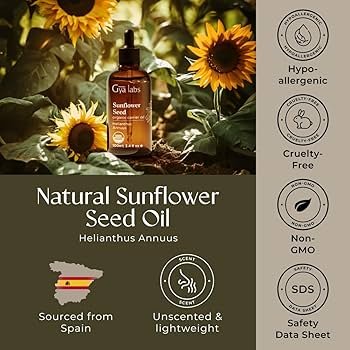
Imagine unlocking the secret to radiant, healthy skin with a simple ingredient that’s been in your kitchen all along. Sunflower oil is not just for cooking; it holds incredible potential for your skincare routine.
If you’ve been searching for a natural solution to nourish and revitalize your skin, you might be closer than you think. This golden oil is packed with benefits that can transform your skincare game. What if you could achieve that coveted glow without breaking the bank or resorting to complicated products?
Dive in to discover how sunflower oil can be your skin’s new best friend.

Credit: www.amazon.com
Benefits Of Sunflower Oil For Skin
Sunflower oil offers many benefits for the skin. It nourishes, protects, and helps maintain a healthy glow. This natural oil suits various skin types and supports overall skin health.
Rich In Vitamin E
Sunflower oil contains high levels of vitamin E. This vitamin protects skin cells from damage. It helps keep the skin soft and smooth. Vitamin E also supports skin healing and repair.
Antioxidant Properties
The oil is full of antioxidants. These fight free radicals that harm the skin. Antioxidants slow down signs of aging. They help maintain youthful and vibrant skin.
Moisturizing Effects
Sunflower oil deeply moisturizes the skin. It locks in hydration without feeling greasy. The oil strengthens the skin’s barrier. This prevents dryness and flakiness effectively.
Anti-inflammatory Benefits
Sunflower oil has anti-inflammatory qualities. It soothes irritated or red skin. The oil calms conditions like eczema and acne. It promotes a clearer and calmer complexion.

Credit: www.amazon.com
How Sunflower Oil Enhances Skin Glow
Sunflower oil is a natural ingredient that brightens skin and adds a healthy glow. Its rich nutrients nourish the skin deeply, improving texture and tone. Using sunflower oil regularly can make your skin appear fresh and radiant.
Boosting Skin Hydration
Sunflower oil is rich in fatty acids that lock moisture into the skin. It forms a protective barrier, preventing water loss. This hydration keeps skin soft and supple all day.
Promoting Collagen Production
The oil contains vitamin E and antioxidants that support collagen growth. Collagen keeps skin firm and elastic. Increased collagen reduces wrinkles and fine lines.
Reducing Dark Spots And Blemishes
Sunflower oil helps fade dark spots with its anti-inflammatory properties. It calms irritated skin and evens out skin tone. Regular use can diminish blemishes and brighten your face.
Best Ways To Use Sunflower Oil On Skin
Sunflower oil is a versatile and gentle option for skin care that offers deep hydration and nourishment. Knowing how to use it effectively can make a big difference in your skin’s texture and overall health. Let’s look at some practical ways you can apply sunflower oil to get the most out of its benefits.
Direct Application Techniques
You can apply sunflower oil directly to your skin for quick hydration. After cleansing, warm a few drops between your palms and gently massage it into your face or body. This simple step helps lock in moisture without leaving a greasy residue.
Try using it as a nighttime moisturizer—your skin has time to absorb all the nutrients while you sleep. Some people find it soothing for dry patches or irritated skin, making it a go-to natural remedy.
Mixing With Essential Oils
Adding a few drops of essential oils to sunflower oil can boost its skin benefits and provide a pleasant scent. Lavender oil pairs well and helps calm the skin, while tea tree oil adds antibacterial properties.
Always do a patch test when mixing oils to avoid irritation. A typical ratio is about 1-2 drops of essential oil per tablespoon of sunflower oil, which keeps it safe and effective.
Incorporating Into Daily Skincare Routine
You can easily add sunflower oil to your daily routine by mixing it into your moisturizer or sunscreen. This enhances hydration and creates a protective barrier against environmental damage.
Some people also use sunflower oil as a gentle makeup remover. It breaks down makeup without harsh chemicals, leaving your skin soft and clean.
How could your skincare routine change if you added a natural, nutrient-rich oil like sunflower oil every day?

Credit: www.amazon.com
Sunflower Oil For Different Skin Types
Sunflower oil adapts well to various skin types, offering unique benefits that cater to your individual needs. Whether your skin tends to be oily, dry, or sensitive, this natural oil can support your skin health without feeling heavy or causing irritation. Understanding how sunflower oil interacts with different skin types helps you decide how to use it effectively in your skincare routine.
Oily Skin Benefits
Sunflower oil is non-comedogenic, meaning it won’t clog your pores. This makes it a great option if you have oily or acne-prone skin. It helps balance your skin’s natural oils while providing essential fatty acids that strengthen the skin’s barrier.
Applying sunflower oil as a light moisturizer can reduce excess oil production over time. Have you noticed how some oils can feel greasy? Sunflower oil absorbs quickly, leaving your skin feeling smooth without the shine.
Dry Skin Nourishment
If your skin feels tight, flaky, or rough, sunflower oil offers deep nourishment. Rich in vitamin E and linoleic acid, it locks in moisture and repairs dry, damaged skin. You can gently massage it onto your face or body to soothe and hydrate.
Using sunflower oil overnight can improve your skin’s texture by morning. Ever tried skipping heavy creams and used a natural oil instead? Many find sunflower oil lighter yet more effective at restoring softness.
Sensitive Skin Care
Sunflower oil is gentle and unlikely to cause irritation, making it ideal for sensitive skin. It calms redness and inflammation thanks to its anti-inflammatory properties. You might find it helpful after sun exposure or shaving to soothe your skin.
Have you ever struggled to find a product that doesn’t aggravate your skin? Adding sunflower oil to your routine can provide a protective layer without harsh chemicals or fragrances. Always patch-test first to be sure it suits your skin.
Potential Risks And Precautions
Sunflower oil is often praised for its skin benefits, but like any skincare product, it comes with potential risks you should be aware of. Understanding these risks can help you avoid unwanted side effects and make the most of this natural oil. Taking the right precautions ensures your skin stays healthy and glowing without surprises.
Allergic Reactions
Some people may experience allergic reactions to sunflower oil, especially if they have sensitive skin or existing allergies. Symptoms can include redness, itching, swelling, or a rash. If you notice any of these signs after applying sunflower oil, stop using it immediately and consult a dermatologist.
Have you ever applied a new product and felt an unexpected irritation? That discomfort might be an allergic response you can’t ignore.
Choosing The Right Quality Oil
Not all sunflower oils are created equal. Cold-pressed, organic sunflower oil retains more nutrients and is less likely to contain harmful additives. Meanwhile, refined sunflower oil may have undergone chemical processes that strip away beneficial properties and could irritate sensitive skin.
Look for oils labeled “cold-pressed” or “organic” to ensure you’re getting a purer product. Avoid oils with added fragrances or preservatives, as these can cause skin issues.
Patch Testing Recommendations
Before applying sunflower oil all over your face or body, always do a patch test. Apply a small amount of oil to an inconspicuous area, like behind your ear or on your wrist. Wait 24 to 48 hours to see if any reaction occurs.
If no irritation appears, it’s generally safe to proceed. This simple step can save you from painful rashes or allergic reactions later on. Have you taken the time to test new skincare products on your skin before using them fully?
Diy Recipes With Sunflower Oil
Sunflower oil is a versatile ingredient that you can easily use at home to boost your skincare routine. Its natural vitamins and fatty acids nourish and protect your skin without harsh chemicals. Trying simple DIY recipes with sunflower oil lets you customize your care and enjoy fresh, natural results.
Hydrating Face Masks
Create a moisturizing face mask by mixing sunflower oil with honey and plain yogurt. The sunflower oil locks in moisture, while honey soothes and yogurt gently exfoliates. Apply the mask for 15 minutes, then rinse with warm water for soft, glowing skin.
Want a quick fix for dry patches? Blend sunflower oil with mashed avocado and a few drops of lemon juice. This combo hydrates deeply and brightens dull skin without feeling greasy.
Soothing Body Scrubs
Use sunflower oil as a base for a gentle body scrub by combining it with sugar or sea salt. This mix exfoliates dead skin cells while the oil nourishes and softens. Scrub in circular motions, then wash off and enjoy silky, smooth skin.
Adding a few drops of your favorite essential oil can turn your scrub into a calming ritual. How often do you treat your body to this kind of care?
Nourishing Lip Balms
Mix sunflower oil with beeswax and a little shea butter to make a natural lip balm. This blend locks in moisture and repairs chapped lips quickly. Keep the balm in a small container for easy daily use.
You can even add a touch of natural flavor like vanilla or peppermint extract. How often do you check what’s in your lip care products?
Comparing Sunflower Oil With Other Oils
Choosing the right oil for your skin can feel overwhelming with so many options available. Comparing sunflower oil with other popular oils helps you understand what fits best for your skin’s needs. Each oil has unique properties that can benefit your skin differently, depending on your skin type and concerns.
Sunflower Vs Coconut Oil
Sunflower oil is lightweight and absorbs quickly, making it great for oily or acne-prone skin. It’s rich in vitamin E and linoleic acid, which help protect and repair the skin barrier without clogging pores.
Coconut oil, on the other hand, is thicker and more moisturizing, which suits dry skin better. However, it can clog pores for some people and cause breakouts.
If you’ve struggled with acne, sunflower oil might be a better choice to keep your skin nourished without excess greasiness. Have you noticed your skin feeling heavy or clogged after using certain oils?
Sunflower Vs Jojoba Oil
Jojoba oil closely resembles your skin’s natural sebum, which makes it excellent for balancing oil production. It’s non-comedogenic and works well for most skin types, including sensitive skin.
Sunflower oil also supports the skin barrier but is slightly lighter than jojoba. It’s particularly good for calming inflammation and soothing redness.
Both oils hydrate well, but if you want something to regulate oiliness while moisturizing, jojoba might edge out sunflower. What’s your skin’s current reaction to oils—does it feel balanced or overly oily?
Sunflower Vs Olive Oil
Olive oil is heavier and richer in antioxidants, making it a powerful option for dry or mature skin. It penetrates slowly and can leave a protective layer on the skin.
Sunflower oil feels less greasy and absorbs faster, which can be better for those who dislike a heavy residue. It’s also less likely to cause irritation, especially if you have sensitive or acne-prone skin.
If you want a nourishing oil that won’t weigh you down, sunflower oil is often the gentler choice. Have you ever felt your moisturizer or oil sitting on top of your skin rather than sinking in?
Frequently Asked Questions
What Are The Benefits Of Sunflower Oil For Skin?
Sunflower oil moisturizes and nourishes skin deeply. It is rich in vitamin E and antioxidants, protecting skin from damage. The oil reduces inflammation and helps maintain a healthy skin barrier. It suits all skin types, especially dry and sensitive skin.
Is Sunflower Oil Good For Acne-prone Skin?
Yes, sunflower oil is non-comedogenic and lightweight. It helps reduce inflammation and redness associated with acne. The oil’s antioxidants support skin healing and prevent scarring. However, it’s best to patch test before full use to avoid breakouts.
How To Use Sunflower Oil For Glowing Skin?
Apply a few drops of sunflower oil to clean skin. Gently massage in circular motions for better absorption. Use it as a daily moisturizer or mix with your favorite cream. It enhances skin glow by hydrating and boosting skin cell regeneration.
Can Sunflower Oil Reduce Skin Wrinkles?
Sunflower oil contains vitamin E, which helps fight free radicals. Regular use can improve skin elasticity and reduce fine lines. It supports collagen production, delaying visible signs of aging. Consistent application keeps skin smooth and youthful.
Conclusion
Sunflower oil nourishes and protects your skin daily. It helps keep skin soft and smooth. The oil’s vitamins support healing and reduce dryness. Using it regularly can improve your skin’s health. It suits most skin types and is easy to apply.
Simple, natural care often works best. Try sunflower oil to see gentle skin benefits yourself. Taking care of your skin can be simple and natural.
