Are you tired of trying countless skincare products that don’t seem to work for you? Finding the right skincare routine can feel like an endless search, leaving you frustrated and with a bathroom cabinet full of products you never use.
But what if you could discover a skincare regimen tailored just for you, one that brings out the natural glow of your skin and boosts your confidence every day? Imagine waking up to clear, radiant skin, knowing exactly which products to reach for and how to use them effectively.
In this guide, you’ll uncover simple, science-backed strategies to identify the perfect skincare routine for your unique skin type. Ready to transform your skincare woes into wins? Keep reading to learn how you can achieve your best skin yet.

Credit: www.reddit.com
Assess Your Skin Type
Assessing your skin type is the foundation of finding the right skincare routine. Without knowing your skin’s unique needs, you might waste time and money on products that don’t work or even cause irritation. Take a moment to understand your skin’s characteristics and how it reacts to different conditions.
Identify Common Skin Types
Skin generally falls into a few main categories: oily, dry, combination, and normal. Oily skin often feels shiny and may be prone to acne. Dry skin can feel tight, flaky, or rough, especially after cleansing.
Combination skin means you have oily areas, usually around the T-zone (forehead, nose, chin), and dry or normal skin elsewhere. Normal skin feels balanced, not too oily or dry, and usually reacts well to most products.
Try this simple test: after washing your face, wait an hour without applying any products. Then, check how your skin feels and looks. Does it feel tight or flaky? Is there shine or visible oil? This can help you pinpoint your type.
Spot Signs Of Sensitive Skin
Sensitive skin can react with redness, itching, or burning when exposed to certain products or environmental factors. You might notice these reactions after using new skincare items or after being in the sun or cold wind.
If your skin often feels irritated or uncomfortable, you likely have sensitive skin. Avoid harsh ingredients like alcohol, fragrances, and strong acids until you know how your skin responds. Instead, look for gentle, soothing formulas.
Ask yourself: does your skin easily flare up or feel uncomfortable with new products? Recognizing sensitivity early helps you choose calming skincare that protects your skin barrier.
Consider Seasonal Changes
Your skin’s needs can shift with the seasons. In winter, dry and cold air often leads to dehydration and tightness. You might need richer creams and more hydration during these months.
Summer can bring increased oil production and sweat, making lightweight, oil-free products more suitable. Don’t ignore how the weather affects your skin’s behavior.
Notice how your skin feels in different seasons. Do you need to swap products or adjust your routine? Adapting to seasonal changes keeps your skin balanced year-round.

Credit: www.ulta.com
Choose Essential Products
Choosing the right products forms the base of any skincare routine. Essential products clean, hydrate, and treat the skin. Selecting items that match your skin type improves results and reduces irritation. Understanding the function of each product helps create a balanced routine.
Cleansers For Every Skin Type
Cleansing removes dirt, oil, and makeup. Use a gentle cleanser for dry skin. Look for hydrating ingredients like glycerin or aloe vera. For oily skin, choose a foaming or gel cleanser. These help control excess oil without stripping moisture. Sensitive skin needs fragrance-free, mild cleansers. They calm and protect the skin barrier.
Moisturizers That Work
Moisturizers keep skin soft and hydrated. Creams suit dry or mature skin well. They provide deep hydration and prevent flaking. Lightweight lotions or gels fit oily skin better. They hydrate without clogging pores. For sensitive skin, pick products with soothing ingredients like chamomile or oat extract. Moisturizers with SPF add daytime protection.
Serums And Treatments
Serums target specific skin concerns. Vitamin C serums brighten dull skin and fight aging. Hyaluronic acid serums boost hydration deeply. For acne-prone skin, use salicylic acid or niacinamide treatments. They reduce breakouts and calm inflammation. Introduce serums slowly to avoid irritation. Use treatments according to your skin’s needs for best results.
Build A Simple Routine
Building a simple skincare routine helps you focus on what your skin truly needs. Overloading your regimen with too many products can cause irritation or confusion about what’s working. Instead, start with essential steps and add treatments only when necessary, making your routine easy to follow every day.
Morning Steps For Radiance
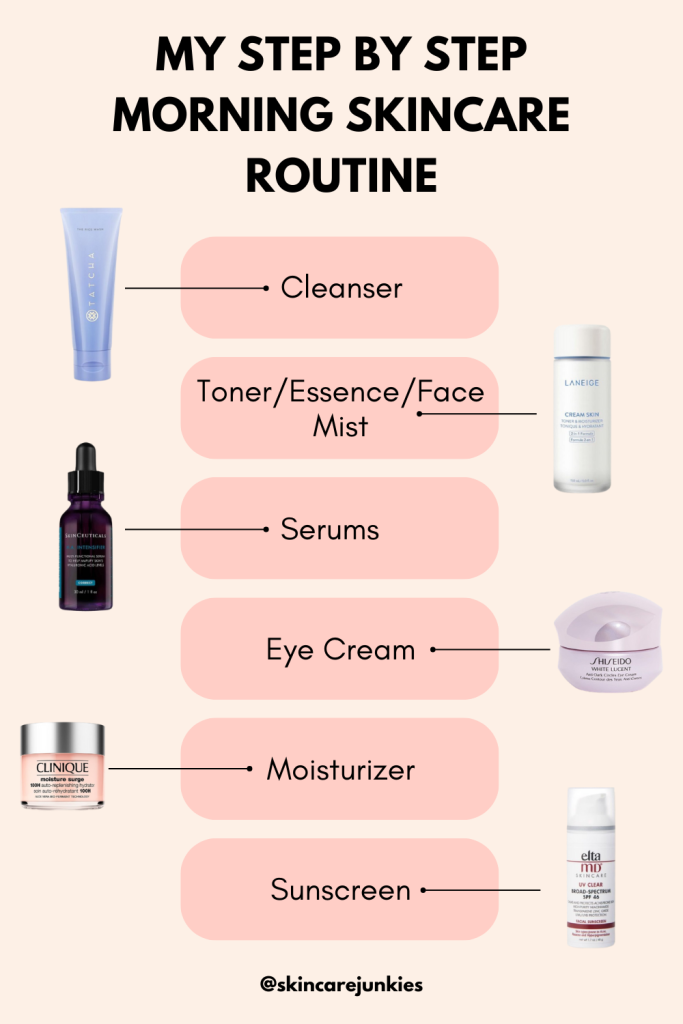
Your morning routine should prepare your skin for the day ahead. Start with a gentle cleanser to remove any overnight buildup without stripping natural oils.
Next, apply a lightweight moisturizer with SPF to protect your skin from sun damage while keeping it hydrated. If you want a quick boost, try adding a vitamin C serum—it brightens your complexion and fights free radicals.
Ask yourself, does your skin feel fresh and protected before you leave the house? If not, adjust your moisturizer or sunscreen for better results.
Evening Care Tips
Evening is the time to repair and nourish your skin. Begin by removing makeup and impurities with a mild cleanser that suits your skin type.
Follow with a richer moisturizer or a night cream to support skin’s natural repair process. If your skin feels dry or dull, consider adding a hydrating serum or an oil to lock in moisture.
Think about how your skin looks and feels in the morning. Does it feel plump and refreshed? If not, tweak your nighttime products to improve hydration and repair.
Weekly Treatments To Boost Glow
Once or twice a week, give your skin an extra boost with special treatments. Exfoliate gently to remove dead skin cells and reveal a brighter complexion. Choose an exfoliant that matches your skin type—chemical exfoliants work well for sensitive skin, while physical scrubs suit tougher skin.
Consider a hydrating mask or a clay mask depending on your skin’s needs. These treatments can reduce dullness and help balance oil production.
Ask yourself, what does your skin look like after these treatments? Adjust the frequency and type based on how your skin reacts to keep your glow consistent.

Credit: www.colorescience.com
Incorporate Healthy Habits
Building a skincare routine goes beyond just the products you apply. Your daily habits have a huge impact on how your skin looks and feels. Simple changes in your lifestyle can boost your skin’s natural glow and improve its overall health.
Hydration And Diet
Drinking enough water helps flush out toxins and keeps your skin plump. Aim for at least eight glasses a day, but adjust based on your activity level and climate.
Your diet plays a big role too. Foods rich in antioxidants, like berries and leafy greens, protect your skin from damage. Healthy fats found in nuts and avocados support moisture and elasticity. Have you noticed how your skin reacts after eating certain foods?
Sleep And Stress Impact
Quality sleep gives your skin time to repair itself. Missing out on rest can cause dullness and increase breakouts. Try to get 7-9 hours every night to let your skin recover fully.
Stress triggers inflammation and can worsen skin conditions like acne or eczema. Finding ways to relax—whether through meditation, exercise, or hobbies—can calm your skin and mind. What stress relief methods have helped your skin improve?
Sun Protection Strategies
Sun damage accelerates aging and increases the risk of skin cancer. Wearing sunscreen daily is non-negotiable, even on cloudy days or indoors near windows.
- Choose a broad-spectrum SPF 30 or higher.
- Reapply every two hours when outside.
- Wear hats and sunglasses for extra protection.
Have you checked if your sunscreen is still effective? Old products lose potency and leave your skin vulnerable.
Adjust And Customize
Adjusting and customizing your skincare routine is essential for healthy skin. Every skin type reacts differently to products. Your routine should change based on seasons, age, and skin condition. Pay close attention to how your skin responds to each product.
Small changes can make a big difference. Customize your routine to suit your skin’s unique needs. This process takes time and patience.
Listen To Your Skin’s Feedback
Notice how your skin feels after using a product. Is it dry, oily, itchy, or smooth? These signs tell you if a product works well or not. Avoid using products that cause redness or irritation. Healthy skin looks balanced and feels comfortable. Adjust your routine based on these signals.
Switching Products Safely
Change one product at a time. This helps identify which item affects your skin. Introduce new products slowly, every few days. Watch for any reactions like breakouts or dryness. Use patch tests before applying new products on your face. This step protects your skin from unwanted reactions.
When To Consult A Dermatologist
See a dermatologist if skin problems persist for weeks. Severe acne, rashes, or unusual changes need expert care. A doctor can recommend treatments and safe products. Professional advice helps avoid worsening skin issues. Don’t hesitate to get help for your skin’s health.
Frequently Asked Questions
What Is The First Step To Find The Right Skincare Routine?
Identify your skin type first. Knowing whether you have dry, oily, combination, or sensitive skin guides product choices. This helps select suitable cleansers, moisturizers, and treatments for effective results.
How Often Should I Change My Skincare Routine?
Change your routine every 6 to 12 months or with seasonal shifts. Skin needs fluctuate due to weather and age. Adjust products accordingly to maintain skin balance and health.
Which Skincare Products Are Essential For Beginners?
Start with a gentle cleanser, moisturizer, and sunscreen. These basics protect and hydrate your skin daily. Introduce serums or exfoliants gradually based on your skin’s specific needs.
Can Diet Affect My Skincare Routine’s Effectiveness?
Yes, a balanced diet rich in vitamins and antioxidants supports healthy skin. Hydration and nutrient intake enhance product effectiveness and improve overall skin condition naturally.
Conclusion
Finding the right skincare routine takes time and patience. Start with simple steps and watch how your skin reacts. Choose products that suit your skin type and needs. Consistency matters more than using many products at once. Pay attention to how your skin feels each day.
Adjust your routine as seasons and skin change. Healthy skin comes from care and good habits. Enjoy the process of learning what works best for you. Your skin will thank you with a natural, glowing look. Keep it simple and stay gentle.
