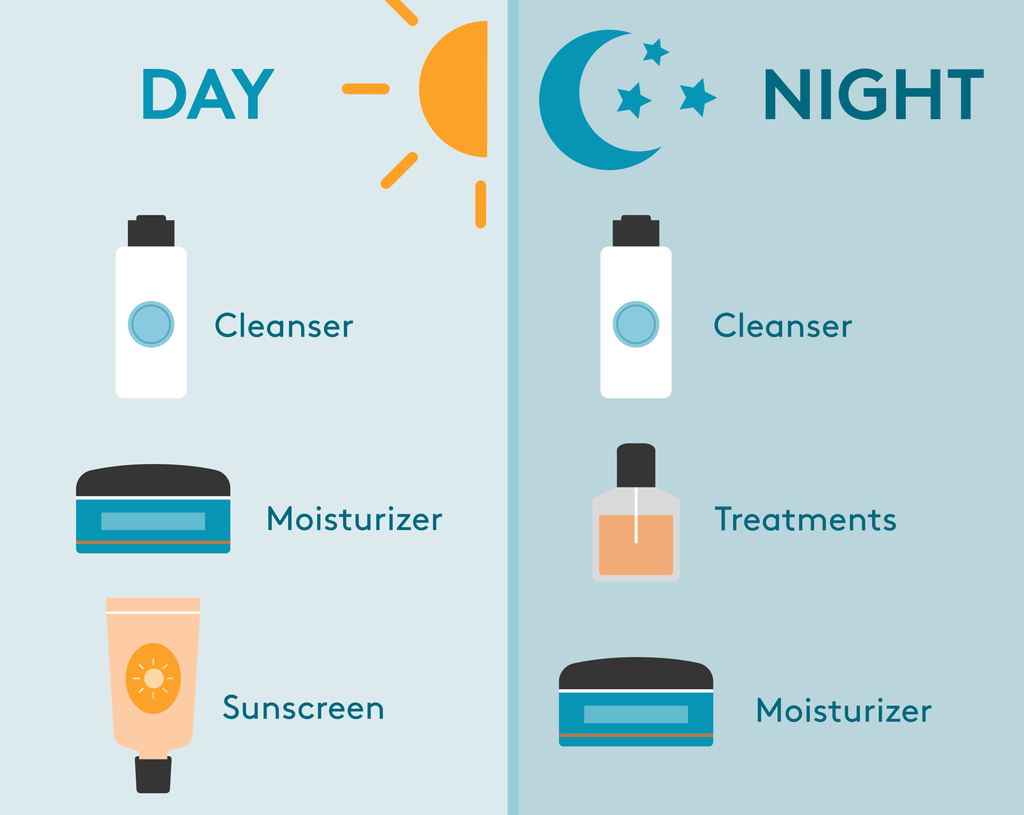
Struggling with dry, flaky skin can be frustrating. You may feel like no matter what you do, your skin just won’t cooperate.
Imagine having a skincare routine that transforms your dry skin into a soft, glowing canvas. The secret lies in understanding what your skin truly needs. By the end of this article, you’ll discover tailored steps to nurture and rejuvenate your skin, making it feel hydrated and look radiant.
Dive in to learn how to create the perfect skincare routine that will keep your skin moisturized and healthy every single day. Your journey to nourished skin starts here!
Causes Of Dry Skin
Understanding what causes dry skin is key to managing and improving your skincare routine. Dryness doesn’t just appear out of nowhere—it often results from a mix of factors that affect your skin’s moisture balance. Identifying these causes helps you tailor your approach and avoid common pitfalls that might be making your skin worse.
Environmental Factors
Have you noticed your skin feeling tight and flaky after spending time outside? Cold weather, low humidity, and harsh winds strip your skin of natural oils, leaving it vulnerable to dryness. Indoor heating during winter can also sap moisture from the air, intensifying the problem.
Sun exposure is another culprit. UV rays damage the skin barrier, making it harder for your skin to retain water. Even air conditioning can dry out your skin if you spend long hours indoors without proper hydration.
Lifestyle Habits
Your daily habits play a huge role in your skin’s moisture levels. Hot showers and long baths might feel relaxing but they wash away essential oils that keep your skin hydrated. Using harsh soaps or cleansers with strong fragrances can further strip your skin’s natural protection.
Have you ever skipped moisturizing because your skin felt oily? Even oily skin needs hydration, especially if you’re using acne treatments or exfoliants that can dry out your skin. Drinking too little water and poor diet choices can also leave your skin dull and parched.
Skin Conditions
Sometimes dry skin isn’t just about the weather or habits; underlying skin conditions could be the cause. Eczema and psoriasis often cause patches of dry, itchy skin that don’t respond well to regular moisturizers. These conditions affect how your skin retains moisture and may require targeted treatments.
Other issues like hypothyroidism or diabetes can also contribute to persistent dryness by altering your skin’s natural balance. If your dry skin is severe or doesn’t improve, it might be worth discussing with a dermatologist to rule out medical causes.
Key Ingredients For Hydration
Hydrating dry skin needs the right ingredients. These help keep your skin soft and healthy. Hydration comes from three main types of ingredients. Each plays a special role in your skincare routine. Together, they keep moisture in and protect your skin.
Humectants To Retain Moisture
Humectants pull water into the skin from the air. They help skin stay hydrated for longer. Common humectants include glycerin, hyaluronic acid, and aloe vera. These ingredients attract water and hold it in the skin.
They work best on slightly damp skin. This helps them draw in more moisture. Humectants keep the skin plump and fresh. They reduce dryness and tightness effectively.
Emollients For Smoothness
Emollients soften and smooth rough, dry skin. They fill in cracks and gaps on the skin surface. Ingredients like shea butter, jojoba oil, and squalane are popular emollients. These make skin feel silky and supple.
Emollients improve skin texture by creating a soft layer. This helps skin look healthier and less flaky. They also calm irritation caused by dryness.
Occlusives To Lock Hydration
Occlusives form a barrier on the skin. This barrier stops moisture from escaping. Common occlusives include petrolatum, beeswax, and dimethicone. They seal in hydration and protect skin from dryness.
Occlusives work best as the last step in your routine. They keep all the moisture locked inside. This prevents water loss and keeps skin hydrated longer.
Daily Cleansing Tips
Cleansing is the foundation of any skincare routine, especially for dry skin. It’s not just about removing dirt and makeup but also about maintaining your skin’s natural moisture. If you cleanse the wrong way, you might end up making your skin drier and more irritated.
Choosing The Right Cleanser
Pick a cleanser that feels gentle on your skin. Look for products labeled “hydrating” or “for dry skin” as they usually contain moisturizing ingredients like glycerin or hyaluronic acid.
Avoid cleansers with harsh sulfates or strong fragrances. These can strip your skin of its natural oils, leaving it tight and flaky. Cream-based or oil-based cleansers often work better than foaming ones for dry skin.
Think about your skin’s response after washing. Does it feel soft and clean, or tight and uncomfortable? If it’s the latter, try switching to a different formula.
Avoiding Over-washing
Washing your face too often can do more harm than good. It can remove the natural oils your skin needs to stay hydrated and protected.
Limit cleansing to twice a day—morning and night. If you feel the need to freshen up during the day, use a gentle toner or simply splash your face with water instead.
Ask yourself: Are you cleansing because your skin needs it or just out of habit? Sometimes, less is more when caring for dry skin.

Credit: www.eraorganics.com
Effective Moisturizing Techniques
Effective moisturizing is the key to managing dry skin. It’s not just about slathering on cream; how and when you apply your products can make all the difference. Let’s dive into techniques that help your skin hold onto moisture and feel comfortable throughout the day.
Layering Products Correctly
Start with a gentle hydrating toner or essence. These lightweight layers prepare your skin to absorb moisture better. Follow with a serum rich in hyaluronic acid or glycerin to attract water to your skin cells.
Next, choose a thicker cream or balm that seals in all the hydration. Think of it as locking the moisture inside your skin. If you’re using oils, apply them last since they create a barrier that prevents water loss.
Ever noticed your moisturizer feels sticky or doesn’t absorb well? That might be because you’re applying too much product at once. Try applying smaller amounts in layers, allowing each to sink in before adding the next.
Best Time To Apply Moisturizer
Moisturizing right after washing your face is crucial. Your skin is damp and more receptive to hydration, so don’t wait for it to dry completely. Applying moisturizer within a few minutes helps trap water in your skin.
At night, your skin repairs itself, so a rich moisturizer can support this process. Applying before bed gives your skin a chance to absorb nutrients and stay hydrated through the night. Have you tried using a heavier night cream compared to your daytime moisturizer?
Remember to reapply moisturizer during the day if your skin feels tight or flaky. Dry environments and air conditioning can strip moisture, so carrying a travel-sized moisturizer might be a game changer for you.
Exfoliation For Dry Skin
Exfoliation helps remove dead skin cells that build up on dry skin. It allows moisturizers to work better and reveals a fresh, smooth layer. Choosing the right exfoliant and using it carefully prevents irritation and dryness.
Gentle Exfoliants To Use
Pick mild exfoliants that do not strip natural oils. Look for products with:
- Enzymes like papaya or pumpkin
- Alpha hydroxy acids (AHAs) such as lactic acid
- Soft physical scrubs with fine particles
- Hydrating ingredients like aloe or honey
Avoid harsh scrubs with large grains or strong chemicals. They can cause redness and worsen dryness.
Frequency Of Exfoliation
Exfoliate dry skin only 1 to 2 times weekly. Over-exfoliating strips essential oils and weakens the skin barrier. After exfoliation, always apply a rich moisturizer. This helps lock in moisture and soothes the skin.
Sun Protection Strategies
Protecting dry skin from the sun is more than just applying sunscreen once a day. Your skin needs consistent care to avoid damage and dryness caused by harmful UV rays. Understanding how to choose the right sunscreen and when to reapply it can make a big difference in maintaining your skin’s health and hydration.
Selecting Suitable Sunscreens
Pick sunscreens that specifically cater to dry skin. Look for formulas containing hydrating ingredients like hyaluronic acid, glycerin, or ceramides. These help lock in moisture while shielding your skin from UV damage.
A broad-spectrum sunscreen with an SPF of at least 30 is essential. Mineral-based options with zinc oxide or titanium dioxide are often gentler and less likely to irritate sensitive, dry skin. Have you checked if your sunscreen leaves your skin feeling tight or flaky? If yes, it might be time to switch.
Reapplication Tips
Reapplying sunscreen is crucial, especially if you’re outdoors for extended periods. Aim to reapply every two hours, or immediately after swimming or sweating. Even the best sunscreen loses effectiveness over time.
Don’t forget often-missed spots like your ears, neck, and the back of your hands. Carry a travel-sized sunscreen for easy touch-ups during the day. Have you ever noticed dryness or redness in areas where you forgot to reapply? That’s a clear sign to stay vigilant.
Additional Care Tips
Extra care can greatly improve dry skin health and comfort. Small, targeted actions often bring big results. Focus on deep hydration and lifestyle habits to support your skin daily.
Hydrating Masks And Serums
Hydrating masks provide intense moisture in a short time. Use them 1-2 times per week to refresh dry skin. Look for ingredients like hyaluronic acid, aloe vera, and glycerin. These help lock in moisture and soothe irritation.
Serums deliver concentrated hydration and nutrients. Choose lightweight formulas that absorb quickly without clogging pores. Apply serums before moisturizer to boost skin softness and elasticity.
Lifestyle Changes For Better Skin
- Drink plenty of water to keep skin hydrated from inside.
- Use a humidifier in dry indoor spaces to add moisture to the air.
- Limit hot showers which can strip natural oils from skin.
- Wear sunscreen daily to protect skin from sun damage.
- Eat a balanced diet rich in fruits, vegetables, and healthy fats.
- Get enough sleep to allow skin to repair overnight.

Credit: andalou.com
Credit: www.walmart.ca
Frequently Asked Questions
What Is The Best Skincare Routine For Dry Skin?
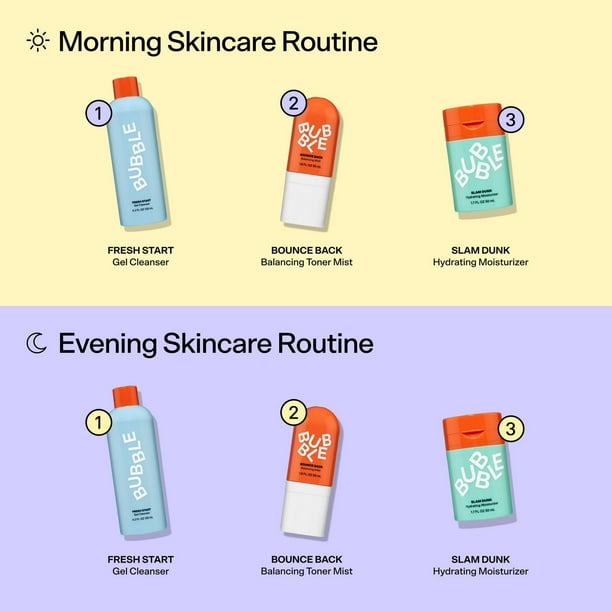
A good routine includes gentle cleansing, hydrating toner, rich moisturizer, and sunscreen. Use products with hyaluronic acid and ceramides. Avoid harsh exfoliants and hot water to prevent dryness and irritation.
How Often Should I Moisturize Dry Skin Daily?
Moisturize twice daily, morning and night. Applying moisturizer immediately after cleansing locks in hydration. Reapply if skin feels tight or dry throughout the day, especially in cold or dry weather.
Can Dry Skin Benefit From Exfoliation?
Yes, but gently. Use a mild exfoliant once or twice a week to remove dead skin. Avoid harsh scrubs that can irritate and worsen dryness. Opt for chemical exfoliants like lactic acid.
Which Ingredients Help Hydrate Dry Skin Effectively?
Look for hyaluronic acid, glycerin, ceramides, and squalane. These ingredients attract and lock moisture into the skin. Avoid alcohol-based products that can dry out your skin further.
Conclusion
Dry skin needs gentle care every day. Choose mild cleansers and rich moisturizers. Drink plenty of water to keep skin hydrated. Avoid hot water, which can dry skin more. Use sunscreen to protect your skin outside. A simple routine helps skin feel soft and smooth.
Be patient; good skin takes time to show. Small steps make a big difference in dryness. Keep your skin healthy with these easy tips. Your skin will thank you with a natural glow.