Are you tired of trying countless skincare products without seeing the results you want? You’re not alone.
Finding the right skincare routine can feel overwhelming, especially with the endless options available. But what if you could discover a routine tailored just for you, one that makes your skin glow and boosts your confidence every day? Imagine waking up to a complexion that feels fresh and rejuvenated, without spending hours in front of the mirror.
In this guide, you’ll learn how to create a skincare routine that perfectly suits your unique needs, ensuring you achieve the healthy, radiant skin you’ve always dreamed of. Let’s dive in and transform your skincare game once and for all!

Credit: www.colorescience.com
Skin Type Basics
Understanding your skin is the first step to a good skincare routine. Skin type affects what products work best for you. Knowing your skin type helps avoid irritation and improves results.
Skin types vary from dry to oily, and each needs different care. Identifying your skin type guides you to choose the right cleansers, moisturizers, and treatments. It also helps manage common skin issues.
Identifying Your Skin Type
Check your skin after washing your face with a gentle cleanser. Wait for one hour without applying any products. Observe how your skin feels and looks.
- Normal:Skin feels balanced, not too oily or dry.
- Oily:Skin looks shiny, especially on the forehead, nose, and chin.
- Dry:Skin feels tight, rough, or flaky.
- Combination:Some areas are oily, others are dry or normal.
- Sensitive:Skin reacts easily with redness, itching, or burning.
Common Skin Concerns
Skin concerns affect many people and need special care. They include:
- Acne:Pimples, blackheads, or whiteheads caused by clogged pores.
- Dryness:Rough, flaky skin that lacks moisture.
- Redness:Inflamed or irritated skin, sometimes with visible blood vessels.
- Dark spots:Areas of uneven skin tone caused by sun damage or aging.
- Wrinkles:Fine lines and creases that appear with age.
Knowing your skin concerns helps choose the right ingredients and routines. It also prevents worsening of issues by using gentle and suitable products.

Credit: www.reddit.com
Daily Skincare Steps
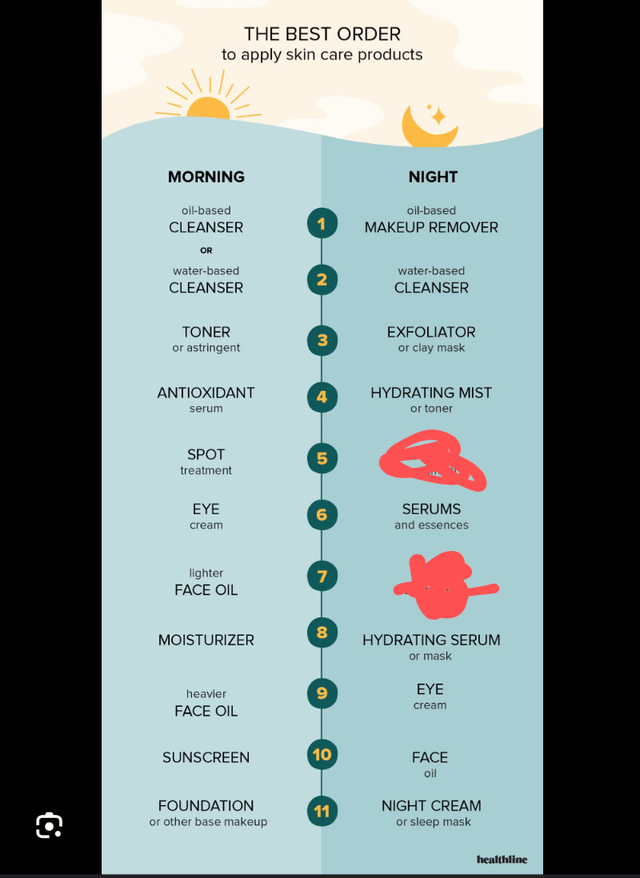
Daily skincare keeps your skin clean, fresh, and healthy. Following simple steps regularly helps protect your skin from dirt and damage. Each step has its own role in caring for your face. Consistency matters most for good results.
Cleansing Techniques
Start with a gentle cleanser suited to your skin type. Use lukewarm water to open pores. Massage the cleanser in small circles for about 30 seconds. Rinse thoroughly to remove dirt and oil. Avoid harsh scrubbing to prevent irritation. Pat your face dry with a soft towel.
Toning Benefits
Toner balances your skin’s pH after cleansing. It removes leftover impurities and tightens pores. Apply toner using a cotton pad or your hands. Choose alcohol-free formulas for sensitive skin. Toning helps prepare your skin for better absorption of moisturizers and serums.
Moisturizing Tips
Moisturizer keeps skin hydrated and soft. Pick a moisturizer based on your skin type. Apply it while your skin is still damp to lock in moisture. Use gentle upward strokes for even application. Don’t forget your neck and décolletage. Regular moisturizing prevents dryness and flakiness.
Sun Protection Importance
Sun protection prevents skin damage and premature aging. Use a broad-spectrum sunscreen with at least SPF 30 every day. Apply sunscreen 15 minutes before going outside. Reapply every two hours, especially if you sweat or swim. Wearing sunscreen reduces risks of sunburn and dark spots.
Targeted Treatments
Targeted treatments focus on specific skin needs. They help improve texture, tone, and clarity. Using the right products boosts skin health quickly. These treatments work deeper than regular moisturizers. They address issues like dullness, dryness, or uneven skin.
Serums For Radiance
Serums contain concentrated ingredients to brighten skin. They absorb fast and deliver active nutrients. Look for serums with vitamin C, niacinamide, or hyaluronic acid. These ingredients hydrate and add a natural glow. Apply serum after cleansing and before moisturizer.
Exfoliation Methods
Exfoliation removes dead skin cells to reveal fresh skin. There are two main types: physical and chemical. Physical exfoliants use gentle scrubs or brushes. Chemical exfoliants use acids like AHAs or BHAs to dissolve dead cells. Regular exfoliation helps smooth skin and prevent breakouts. Use exfoliants 1-3 times a week depending on skin type.
Masks For Skin Boost
Masks provide a quick boost to tired skin. Different masks target different concerns. Clay masks absorb oil and clear pores. Hydrating masks add moisture and soothe dry skin. Sheet masks deliver nutrients deeply and refresh skin. Use masks once or twice a week for best results.
Nighttime Routine Essentials
Nighttime is when your skin does its best work repairing and renewing itself. To help your skin glow and stay healthy, you need a routine that supports these natural processes. Let’s break down the essentials you can add to your nighttime skincare routine to wake up with refreshed and hydrated skin.
Night Cleansing
Removing makeup, dirt, and pollutants before bed is non-negotiable. Use a gentle cleanser that suits your skin type—whether it’s a creamy formula for dry skin or a foaming one for oily skin.
Double cleansing can be a game changer. Start with an oil-based cleanser to dissolve makeup and sunscreen, then follow with a water-based cleanser to clean deeper impurities. Have you noticed how your skin feels when you skip cleansing? It often looks dull and clogged by morning.
Repair And Hydration
After cleansing, your skin needs products that help repair damage and lock in moisture. Look for serums with ingredients like hyaluronic acid, peptides, or niacinamide. These boost hydration and support collagen production while you sleep.
Don’t forget a rich night cream or moisturizer to seal everything in. If you struggle with dryness, a thicker formula or a sleeping mask can make a huge difference. What’s your current go-to product for nighttime hydration?
Sleep And Skin Renewal
Good sleep isn’t just rest for you—it’s a prime time for your skin to regenerate. Aim for at least 7-8 hours of quality sleep to allow your cells to repair effectively.
Consider your sleep environment too. Sleeping on a clean pillowcase and in a cool, dark room helps minimize irritation and supports skin health. Have you ever noticed how your skin reacts after a poor night’s sleep?
Lifestyle Factors
Lifestyle factors play a huge role in shaping your skin’s health. It’s not just about what you put on your face but also how you treat your body from the inside out. Small daily choices can either support a glowing complexion or work against it.
Diet And Hydration
Your skin reflects what you eat and drink. Foods rich in antioxidants, like berries and leafy greens, help protect your skin from damage. On the other hand, too much sugar or processed food can cause breakouts and dullness.
Water is just as important. Drinking enough water keeps your skin plump and helps flush out toxins. Have you noticed how your skin feels after a day of little water versus a day you’ve had plenty?
Try adding these simple habits:
- Snack on nuts or fruits instead of chips
- Drink a glass of water first thing in the morning
- Limit caffeine and alcohol, which can dehydrate your skin
Stress Management
Stress doesn’t just affect your mood; it impacts your skin too. When you’re stressed, your body releases hormones that can trigger acne or make your skin look tired. I once noticed my skin breaking out every time I faced a deadline—stress was the culprit.
Finding ways to manage stress can clear up your skin faster than any cream. Activities like meditation, walking, or even listening to music can calm your mind and reduce skin flare-ups.
Ask yourself: What simple change can you make today to lower your stress?
Sleep Quality
Sleep is when your skin repairs itself. Without enough good-quality sleep, your skin can look dull and develop fine lines faster. I’ve seen the difference in my own skin after a restless night versus a full 8 hours—it’s striking.
Try to create a sleep routine that helps you unwind before bed. Avoid screens at least 30 minutes before sleep and keep your room cool and dark. Your skin will thank you for it.
How many hours of restful sleep do you get on average? Could improving this boost your skin’s glow?
Product Selection Tips
Choosing the right products can make or break your skincare routine. It’s not just about picking popular items but finding what truly fits your skin’s needs. Paying close attention to what goes into your products helps you avoid surprises and get the best results.
Ingredient Highlights
Look for ingredients that suit your skin type and concerns. For dry skin, humectants like hyaluronic acid bring in moisture, while oily skin often benefits from salicylic acid, which helps control breakouts.
Some ingredients stand out for their powerful effects:
- Vitamin C:Brightens dull skin and evens out tone.
- Niacinamide:Reduces redness and strengthens the skin barrier.
- Retinol:Encourages cell turnover to smooth fine lines and texture.
Have you ever tried a product just because it had a trendy ingredient? Not all that glitters is gold—knowing why you need an ingredient is key.
Avoiding Irritants
Your skin can react badly to certain additives and harsh chemicals. Fragrances, alcohol, and sulfates are common irritants that often cause redness or dryness.
Patch testing new products before fully applying them can save you from unexpected reactions. If you’ve ever experienced a breakout or irritation, check the label for these usual suspects.
Is it worth risking discomfort for a fancy label? Probably not. Opt for gentle, proven formulas that respect your skin’s sensitivity.
Customizing Your Routine
One size does not fit all in skincare. Your age, lifestyle, and environment all influence which products will work best for you.
Start simple with a cleanser, moisturizer, and sunscreen. Then add treatments like serums or exfoliants based on your specific concerns.
Ask yourself: What does my skin feel like right now? Adjusting your routine seasonally or as your skin changes keeps it balanced and healthy.
Common Mistakes To Avoid
Creating a skincare routine can feel empowering, but it’s easy to slip into habits that harm rather than help your skin. Avoiding common mistakes is key to seeing real improvements. Let’s look at some pitfalls that might be holding your skin back from its best glow.
Over-exfoliating
Exfoliation is great for removing dead skin cells, but too much can strip your skin’s natural oils. I once exfoliated daily, thinking it would speed up results, but it left my skin red and irritated.
Stick to exfoliating 2-3 times a week depending on your skin type. Use gentle scrubs or chemical exfoliants with AHAs or BHAs, and always listen to how your skin reacts.
Skipping Sunscreen
Skipping sunscreen is one of the biggest mistakes you can make. UV rays cause premature aging, dark spots, and increase the risk of skin cancer.
Even on cloudy days or indoors, UV rays can damage your skin. Make sunscreen your final morning step—no exceptions.
Ignoring Consistency
Many people expect quick fixes and give up when results don’t appear overnight. I’ve been there—starting a routine enthusiastically, then losing steam after a week.
Consistency is what truly transforms your skin. Pick products you enjoy and make your routine manageable so you can stick with it daily.

Credit: www.reddit.com
Frequently Asked Questions
What Are The Basic Steps In A Skincare Routine?
A basic skincare routine includes cleansing, toning, moisturizing, and applying sunscreen. These steps cleanse, balance, hydrate, and protect your skin daily.
How Do I Choose Products For My Skin Type?
Identify your skin type first: oily, dry, combination, or sensitive. Then select products formulated specifically to address your skin’s unique needs.
How Often Should I Update My Skincare Routine?
Update your routine every 3 to 6 months or with seasonal changes. This helps address evolving skin needs and environmental factors effectively.
Can A Skincare Routine Prevent Acne Breakouts?
Yes, a consistent routine with gentle cleansing and non-comedogenic products reduces acne. Proper hydration and avoiding harsh ingredients also help prevent breakouts.
Conclusion
Creating a skincare routine helps keep your skin healthy and fresh. Choose products that fit your skin type and needs. Cleanse, moisturize, and protect with sunscreen daily. Consistency matters more than fancy products. Small steps each day bring better skin over time.
Remember, patience is key for real results. Enjoy the process and feel confident in your skin.