Imagine waking up to flawless, glowing skin every day. The secret?
It’s all in the order of your skincare routine. You might have the best products, but if you’re not using them in the right sequence, you could be missing out on their full potential. Are you tired of wasting time and money on skincare that just doesn’t deliver?
You’re not alone. Many people feel overwhelmed by the sheer number of steps and products available. But what if you could simplify your routine and achieve amazing results? By following the correct order, you can unlock the power of your skincare products and reveal the healthy, radiant skin you’ve always wanted. Ready to transform your skincare game? Let’s dive into the perfect sequence for a routine that truly works wonders.
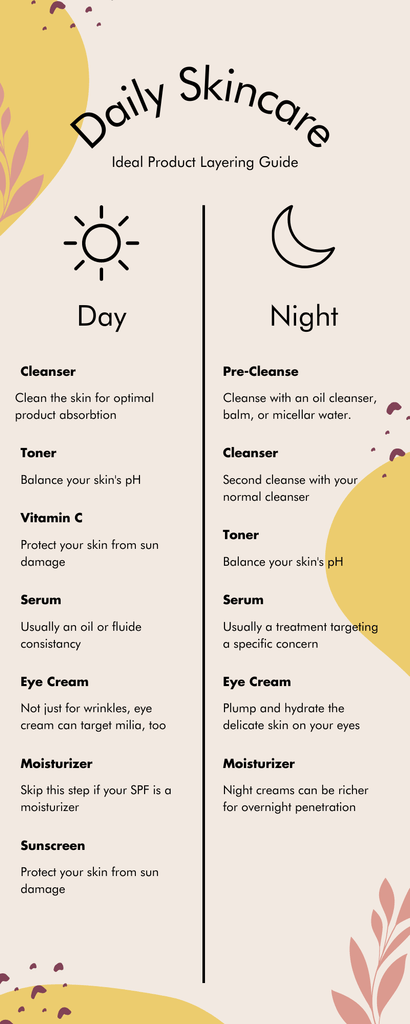
Morning Skincare Routine
Starting your day with a solid morning skincare routine sets the tone for healthy, glowing skin. It’s not just about looking good; it’s about preparing your skin to face the day’s challenges. Are you giving your skin the right care it needs every morning?
Cleansing For Freshness
Cleansing is the first step to remove overnight oils, sweat, and any impurities that settled on your skin. Use a gentle cleanser that suits your skin type to avoid stripping away natural moisture. I noticed that switching to a mild, hydrating cleanser made my skin feel fresh without tightness, which kept it calm all day.
Toning Benefits
Toner helps balance your skin’s pH and tightens pores after cleansing. It also preps your skin to absorb the next products better. If you haven’t tried a toner yet, consider one with soothing ingredients like rose water or witch hazel to refresh and calm your skin instantly.
Serums To Boost Radiance
Serums are packed with active ingredients that target specific concerns such as dullness or uneven texture. Applying a vitamin C serum in the morning can brighten your skin and protect it from environmental damage. Have you noticed how a lightweight serum can absorb quickly and leave your skin glowing without feeling heavy?
Moisturizing Essentials
Moisturizer locks in hydration and creates a smooth base for makeup or sunscreen. Choose a moisturizer that matches your skin’s needs—lighter lotions for oily skin, richer creams for dry skin. I found that a gel-based moisturizer keeps my skin balanced and comfortable throughout humid days.
Sunscreen Protection
Sunscreen is non-negotiable—it shields your skin from harmful UV rays that cause premature aging and damage. Apply at least SPF 30 every morning, even on cloudy days. Think of sunscreen as your daily armor; skipping it is like leaving your skin defenseless.

Credit: lucybee.com
Evening Skincare Steps
Evening skincare is your chance to repair and refresh your skin after a long day. The right steps can make a noticeable difference in how your skin feels and looks by morning. Do you ever wonder if you’re truly cleansing deeply enough or just going through the motions?
Makeup Removal Techniques
Removing makeup thoroughly is essential to prevent clogged pores and breakouts. Start with an oil-based cleanser or makeup remover balm to dissolve stubborn makeup like mascara and long-wear lipstick. Use gentle circular motions with a cotton pad or your fingertips, then rinse with lukewarm water to avoid irritation.
Deep Cleansing Methods
After makeup removal, a deep cleanse ensures all dirt and excess oil are gone. Try double cleansing: follow your oil-based remover with a water-based cleanser designed for your skin type. This two-step process leaves your skin feeling fresh, not tight or dry.
Exfoliation Tips
Exfoliation helps remove dead skin cells and promotes cell turnover, but overdoing it can cause irritation. Use a gentle exfoliant 2-3 times a week, choosing between chemical exfoliants like AHAs or BHAs, or mild physical scrubs. Pay attention to how your skin reacts and adjust frequency accordingly.
Nourishing Serums
Serums deliver concentrated ingredients that target specific concerns like dryness, dullness, or fine lines. Apply a few drops onto clean skin and gently pat it in for better absorption. Ingredients like hyaluronic acid hydrate, while vitamin C brightens, so pick what suits your skin’s current needs.
Night Cream Usage
Night creams lock in moisture and support skin regeneration while you sleep. Look for formulas rich in antioxidants, peptides, or ceramides to strengthen your skin barrier. Don’t forget to apply your cream evenly over face and neck to maximize benefits overnight.
Special Treatments
Special treatments can elevate your skincare routine from basic to effective. These targeted products focus on specific concerns, delivering concentrated benefits where you need them most. Integrating these treatments at the right time maximizes their impact and helps you achieve clearer, brighter, and healthier skin.
Face Masks Types
Face masks come in many forms, each designed to address different skin needs. Clay masks work wonders for oily and acne-prone skin by absorbing excess oil and unclogging pores. Hydrating masks, often gel-based, provide a moisture boost that leaves your skin feeling soft and plump.
Sheet masks are convenient and packed with serums, perfect for a quick skin pick-me-up. Peeling masks help remove dead skin cells, revealing a fresher complexion underneath. You might wonder which mask suits your skin best—try matching the mask type to your current skin condition rather than just your skin type.
Spot Treatments
Spot treatments are your go-to for tackling pimples fast. They often contain ingredients like salicylic acid or benzoyl peroxide to reduce inflammation and kill bacteria. Apply these directly on blemishes only, avoiding surrounding skin to prevent dryness or irritation.
Using spot treatments at night is usually more effective since your skin can heal without disruption. Have you noticed how some spots disappear overnight with the right treatment? Consistency and patience with these products make a noticeable difference.
Eye Cream Application
The delicate skin around your eyes needs special care, and eye creams are formulated just for this area. Use your ring finger to gently tap the cream along the orbital bone, avoiding rubbing or pulling the skin. This helps reduce puffiness, dark circles, and fine lines over time.
Applying eye cream twice daily can improve your eye area’s texture and hydration. Ask yourself if your current routine gives enough attention to this sensitive zone—it often gets overlooked but plays a key role in youthful appearance.
Facial Oils Role
Facial oils might seem heavy, but they offer crucial hydration and barrier support for many skin types. Oils like jojoba or rosehip contain antioxidants and vitamins that help repair and protect skin. Adding a few drops after your moisturizer seals in hydration and boosts glow.
Don’t shy away from oils if you have oily skin; the right type can balance oil production rather than clog pores. Think about how your skin feels—does it need extra nourishment? Using facial oils strategically can transform dry, dull skin into radiant health.
Tips For Layering Products
Layering skincare products correctly boosts their effects and protects the skin. A smart approach helps each product work better without causing irritation. Follow simple rules to enjoy healthier, glowing skin.
Order Based On Texture
Start with the thinnest products and move to thicker ones. Liquids and serums go first. Follow with creams and oils. This order helps products absorb well and prevents pilling.
Waiting Time Between Steps
Give each product time to settle before applying the next. A wait of 30 seconds to 1 minute works well. This helps products penetrate deeply and avoids mixing on the skin.
Combining Active Ingredients
Some ingredients do not mix well and can cause irritation. Avoid layering strong acids with retinol. Use gentle products together. Check product labels to ensure safe combinations.
Adjusting Routine For Skin Types
Adjusting your skincare routine based on your skin type can make a huge difference in results. Each type has unique needs that require specific products and steps. Understanding these differences helps you avoid common mistakes and keeps your skin balanced and healthy.
Dry Skin Considerations
Dry skin tends to feel tight and can look flaky. Choose gentle, hydrating cleansers that don’t strip away natural oils. Adding a rich moisturizer with ingredients like hyaluronic acid or ceramides can lock in moisture effectively.
Skip harsh exfoliants; instead, try gentle chemical exfoliants like lactic acid once or twice a week. Using an oil-based serum at night can also provide extra nourishment. Have you noticed your skin feeling uncomfortable after cleansing? This might signal the need for more hydration.
Oily Skin Adjustments
Oily skin often feels shiny and may be prone to breakouts. Use lightweight, non-comedogenic products that won’t clog pores. A foaming or gel cleanser can help remove excess oil without drying your skin out.
Incorporate a mattifying moisturizer and try products containing salicylic acid to keep pores clear. Avoid heavy creams that can increase oiliness. Ever felt like your skin gets oilier right after washing? That’s your skin producing more oil to compensate, so balance is key.
Sensitive Skin Care
Sensitive skin reacts easily to products and environmental factors. Stick to fragrance-free, hypoallergenic products designed to soothe rather than irritate. Use a minimal number of products to reduce the risk of reactions.
Patch test new products before full use and avoid exfoliating too often. Ingredients like aloe vera and chamomile can calm inflammation. Do you find your skin stings or burns after applying products? That’s a clear sign to simplify your routine further.
Combination Skin Tips
Combination skin can feel oily in some areas and dry in others. Use a gentle cleanser that balances the skin without over-drying. You might need to apply different moisturizers on different areas—lighter ones on oily zones and richer creams on dry patches.
Consider spot treatments for acne-prone areas and hydrating serums on dry spots. Multi-masking can be an effective way to target different needs at once. Have you tried tailoring your routine to each area of your face yet?

Credit: reluminatebeauty.com.au
Common Mistakes To Avoid
Knowing the right order for your skincare is key, but avoiding common mistakes can make an even bigger difference. These errors often sneak into routines without warning, undermining the benefits of your efforts. Let’s look at some pitfalls you can easily steer clear of to keep your skin healthy and glowing.
Over-exfoliating
Exfoliation feels great because it removes dead skin, but too much can damage your skin barrier. If you exfoliate daily or use harsh scrubs, your skin might become red, dry, or irritated.
I once tried exfoliating every day, thinking it would speed up results. Instead, my skin turned flaky and sensitive, forcing me to hit pause. Stick to exfoliating 1-3 times a week depending on your skin type and product strength.
Skipping Sunscreen
Some skip sunscreen, especially on cloudy days or when indoors, but UV rays can harm your skin anytime. Sunscreen protects against premature aging and dark spots, which no other product can fully prevent.
Ask yourself: Are you really safe without sunscreen? Even if you use antioxidants or moisturizers, they don’t replace the shield that SPF provides.
Using Too Many Products
It’s tempting to layer every trendy serum and cream, but more isn’t always better. Overloading your skin can cause breakouts, irritation, and confusion about what actually works.
Focus on a few essentials that suit your skin’s needs. Quality beats quantity every time. Think about what your skin truly benefits from and cut the rest.
Ignoring Patch Tests
Trying new products without testing can lead to unexpected allergies or reactions. A patch test on a small skin area helps you catch problems before they spread to your whole face.
Don’t rush into using new products. Take a day or two to observe how your skin reacts. This simple step can save you from discomfort and wasted money.

Credit: www.reddit.com
Frequently Asked Questions
What Is The Correct Order Of Skincare Products?
Start with cleansing, then toning, apply serums, moisturize, and finish with sunscreen. This order ensures optimal absorption and skin protection.
Why Apply Sunscreen Last In Skincare Routine?
Sunscreen forms a protective barrier on the skin’s surface. Applying it last prevents dilution and maintains its effectiveness against UV rays.
Can I Skip Toner In My Skincare Routine?
Toner helps balance skin pH and removes residue. Skipping it is okay if your cleanser is effective and your skin feels balanced.
How Soon Should I Apply Moisturizer After Serum?
Apply moisturizer immediately after serum while your skin is still slightly damp. This locks in hydration and enhances the serum’s benefits.
Conclusion
Following the right order in skincare helps your skin stay healthy. Cleanse first to remove dirt and oil. Then apply toner to balance your skin’s pH. Next, use serums or treatments for specific concerns. Moisturize to lock in hydration and protect your skin.
Finally, apply sunscreen during the day to shield from sun damage. This simple routine supports clear and glowing skin. Stick to these steps daily for best results. Good skincare takes patience and care. Your skin will thank you.
