
Are you puzzled about when to apply sunscreen in your skincare routine? You’re not alone.
Many people ask this question, and getting it right is crucial for maintaining healthy, youthful skin. You might think that sunscreen is just for sunny days or beach outings, but it’s actually an essential part of your daily skincare regimen.
The timing of application can make a big difference in how well it protects your skin from harmful UV rays. You’ll discover the best time to apply sunscreen, ensuring you get the maximum benefit and keep your skin looking radiant. Stick around to unlock the secrets of effective sunscreen use and give your skin the care it truly deserves.
Credit: www.lemon8-app.com
Why Sunscreen Timing Matters
Timing your sunscreen application is more than just a routine step—it’s key to protecting your skin effectively. Applying sunscreen at the right moment ensures it forms a proper barrier against harmful UV rays. Missing this timing can leave your skin vulnerable, no matter how high the SPF.
Effects Of Incorrect Application
Applying sunscreen too early can cause it to rub off before you even step outside. If you wait until after your moisturizer or makeup fully dries, the sunscreen may not absorb well, reducing its effectiveness.
Many people think slapping it on right before going outdoors is enough, but it usually needs 15–30 minutes to bind properly to your skin. Skipping this step can result in uneven coverage and increased risk of sunburn.
Benefits Of Proper Timing
Putting on sunscreen after your moisturizer but before makeup gives you the best protection. This order allows sunscreen to settle on your skin without interference, creating a strong shield against UV damage.
When you wait the right amount of time after applying sunscreen before heading outside, you maximize its ability to protect against premature aging and skin cancer. This habit also helps you avoid that greasy or cakey feeling, making it easier to stick with daily use.
Best Time To Apply Sunscreen
Applying sunscreen at the right time is key to protecting your skin. It helps block harmful UV rays and prevents sun damage. Knowing the best moment to use sunscreen in your skincare routine ensures maximum effectiveness and healthier skin.
Before Makeup
Apply sunscreen before makeup to create a protective layer. This step shields your skin from sun exposure throughout the day. Let the sunscreen absorb fully before starting your makeup. This prevents makeup from mixing with the sunscreen, keeping both effective.
After Moisturizer
Use sunscreen after moisturizing to maintain hydration and protection. Moisturizer helps lock in moisture, while sunscreen adds a barrier against UV rays. Applying sunscreen on top keeps your skin safe without clogging pores. This order ensures your skin stays smooth and guarded.
Waiting Period Before Sun Exposure
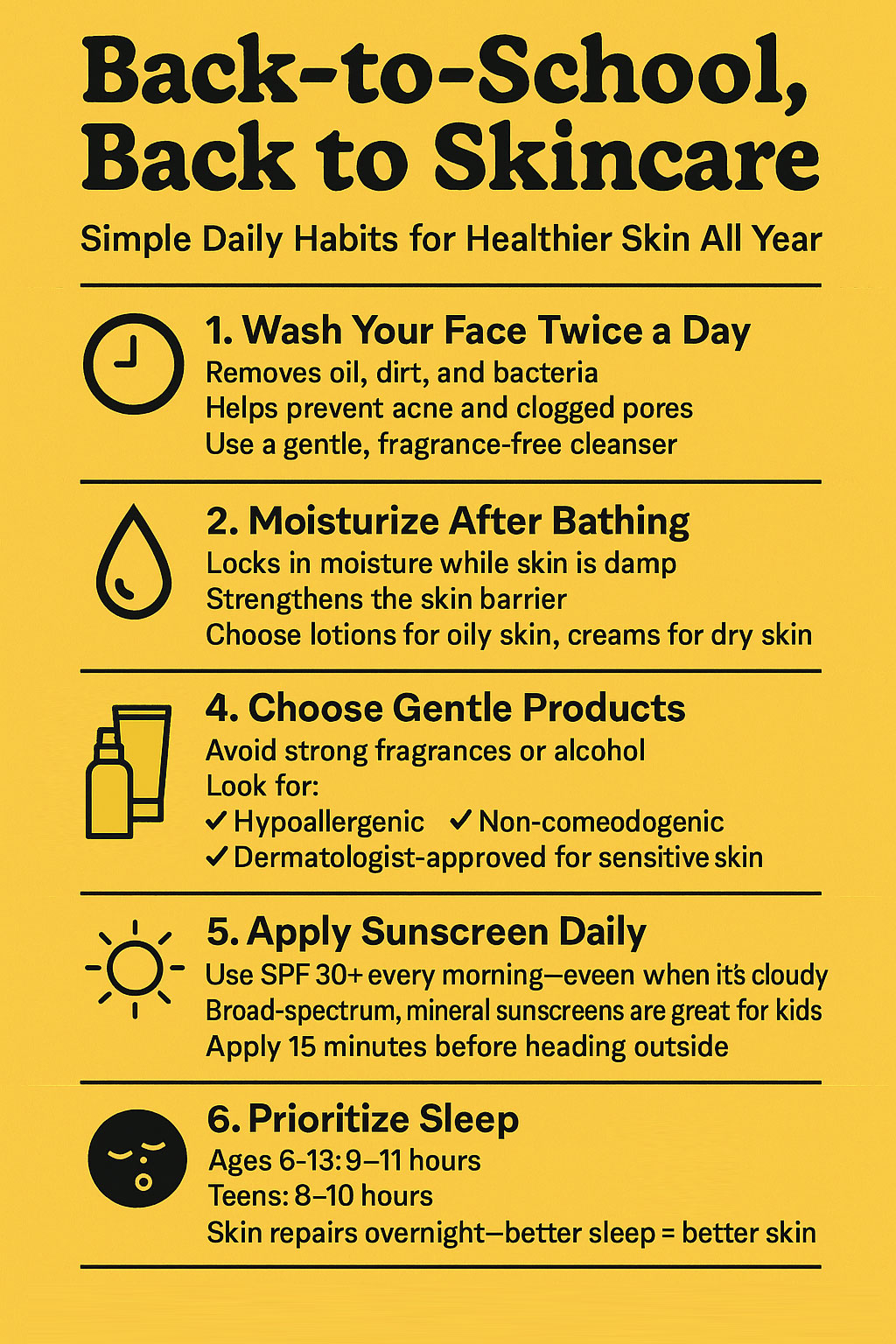
Wait at least 15 minutes after applying sunscreen before going outside. This time allows the sunscreen to bond to your skin properly. Immediate sun exposure can reduce sunscreen’s effectiveness. Plan your skincare routine to finish sunscreen application well before sun exposure.
Sunscreen Types And Application Tips
Choosing the right sunscreen and applying it correctly can make a huge difference in protecting your skin. Understanding the types of sunscreens and how to layer them with your skincare products helps you get the most out of your daily routine. Let’s break down what works best and how you can apply sunscreen without messing up your carefully crafted skincare steps.
Chemical Vs Physical Sunscreens
Chemical sunscreens absorb UV rays and convert them into heat. They usually feel lightweight and blend easily into the skin, making them a favorite for daily use. If you’ve ever felt sunscreen leave a greasy layer, switching to a chemical formula might be your solution.
Physical sunscreens, on the other hand, create a barrier on the skin that reflects UV rays. They often contain zinc oxide or titanium dioxide and are great for sensitive skin. These sunscreens can leave a slight white cast, so you might want to test them on your face before committing.
Have you noticed how some sunscreens irritate your eyes or cause breakouts? Trying a physical sunscreen might reduce those issues. Picking the right type depends on your skin type and comfort, so don’t hesitate to experiment.
Layering With Other Products
Sunscreen should be the last step in your skincare routine, applied after moisturizers and serums. Applying it too early can reduce its effectiveness. You want to create a smooth, even layer that won’t be wiped away by other products.
If you use makeup, wait about 15 minutes after sunscreen application to let it fully absorb. This helps prevent pilling and ensures maximum protection. Some people find mixing sunscreen with moisturizer tempting, but it can dilute the SPF, so it’s better to keep them separate.
What’s your current layering order? Try switching sunscreen to the very end of your routine and notice if your skin feels more protected throughout the day. Small tweaks here can lead to better skin health without extra effort.

Credit: www.colorescience.com
Adjusting Sunscreen Routine For Different Skin Types
Adjusting your sunscreen routine based on your skin type helps protect your skin better. Different skin types have unique needs that affect how sunscreen works. Choosing the right product and applying it properly can improve comfort and effectiveness.
Oily Skin Considerations
Oily skin needs a sunscreen that does not add extra shine. Look for products labeled “oil-free” or “matte finish.” Gel or water-based sunscreens absorb quickly and feel lighter.
Apply sunscreen after moisturizer but before makeup. Use a small amount and spread evenly. Reapply every two hours, especially if sweating or outdoors.
Dry Skin Considerations
Dry skin benefits from sunscreens with moisturizing ingredients. Cream or lotion formulas work well to add hydration. Sunscreens with hyaluronic acid or glycerin help lock in moisture.
Apply sunscreen after your moisturizer to seal hydration. Use a gentle patting motion to avoid irritation. Reapply frequently if exposed to sun for long periods.
Sensitive Skin Tips
Sensitive skin requires gentle, fragrance-free sunscreens. Mineral sunscreens with zinc oxide or titanium dioxide reduce irritation risk. Avoid products with alcohol or strong chemicals.
Test new sunscreen on a small skin area first. Apply sunscreen last in your routine, after all other skincare. Reapply carefully and avoid rubbing the skin too hard.
Reapplying Sunscreen Throughout The Day
Reapplying sunscreen throughout the day is vital for lasting skin protection. Sunscreen wears off due to sweat, water, and touching your face. Regular reapplication keeps your skin safe from harmful UV rays. It helps prevent sunburn, skin damage, and aging.
Frequency Guidelines
Experts suggest reapplying sunscreen every two hours. Reapply more often if you swim or sweat heavily. Use enough sunscreen to cover all exposed skin. Don’t forget often missed spots like ears and neck. Carry a travel-size sunscreen for easy reapplication.
Application Over Makeup
Applying sunscreen over makeup needs a gentle approach. Use a spray or powder sunscreen to avoid ruining makeup. Press the product lightly onto your skin without rubbing. This method refreshes protection without smudging foundation or blush. Choose a sunscreen designed for use over makeup for best results.
Credit: dermatologyofct.com
Frequently Asked Questions
When Should I Apply Sunscreen In My Skincare Routine?
Apply sunscreen as the last step in your skincare routine. Wait for moisturizers and serums to fully absorb before applying. This ensures optimal protection and prevents dilution of sunscreen’s effectiveness on your skin.
Can I Put Sunscreen Before Moisturizer?
No, sunscreen should be applied after moisturizer. Moisturizers hydrate your skin and help sunscreen spread evenly. Applying sunscreen first can block moisturizer absorption and reduce both products’ benefits.
How Long Before Sun Exposure Should I Apply Sunscreen?
Apply sunscreen 15 to 30 minutes before sun exposure. This allows the product to fully bind to your skin. Proper timing ensures maximum protection against harmful UV rays.
Should Sunscreen Be Reapplied During The Day?
Yes, reapply sunscreen every two hours if outdoors. More frequent application is needed after swimming or sweating. Reapplication maintains effective sun protection throughout the day.
Conclusion
Sunscreen protects your skin from harmful sun rays every day. Apply it after your moisturizer and before makeup. This keeps your skin safe and healthy. Don’t skip sunscreen, even on cloudy days. Reapply every two hours if you stay outside long.
Healthy skin needs daily care and sun protection. Make sunscreen a simple, important step in your routine. Your skin will thank you later. Easy to do, big difference to your skin’s health.
