Imagine waking up to skin that feels smoother, looks brighter, and seems to defy time. Sounds fantastic, right?
That’s the magic of tretinoin, a powerhouse ingredient in skincare. But here’s the catch: using it correctly is key to unlocking its full potential. If you’ve ever stood in front of your bathroom mirror wondering, “When should I actually be applying tretinoin?
” You’re not alone. Many people struggle with fitting this potent product into their routine. The good news? We’re here to clear up the confusion. By the end of this article, you’ll know exactly when and how to incorporate tretinoin for optimal results. Your path to radiant skin starts now—are you ready to discover the secret?
Why Timing Matters
Timing plays a crucial role in the success of tretinoin in your skincare routine. Applying it at the right moment can boost its benefits and reduce side effects. Using tretinoin incorrectly can lead to irritation or less effective results. Understanding why timing matters helps you get the most from this powerful ingredient.
How Tretinoin Works
Tretinoin speeds up skin cell turnover. It helps shed dead skin cells and promotes new cell growth. This process smooths skin, reduces wrinkles, and fights acne. Tretinoin also increases collagen production, improving skin firmness. Its effects depend on skin absorbing the product properly.
Impact Of Timing On Effectiveness
Applying tretinoin at night is best. Skin repairs itself while you sleep. Tretinoin works better in the dark because sunlight breaks it down. Using tretinoin before bed helps it stay active longer on your skin. It also lowers the risk of sun sensitivity and irritation.
Common Mistakes
- Using tretinoin in the morning and exposing skin to sunlight.
- Applying it immediately after washing the face while skin is still wet.
- Mixing tretinoin with other strong products without waiting between applications.
- Skipping moisturizer, which can cause dryness and peeling.
These mistakes reduce tretinoin’s benefits and increase side effects. Proper timing and application keep skin calm and healthy.

Credit: www.reddit.com
Best Time To Apply Tretinoin
Choosing the best time to apply tretinoin is key to getting great results. Tretinoin works best under certain conditions that protect your skin and boost its effects. Timing affects how your skin reacts and heals. Understanding this helps you use tretinoin safely and effectively.
Evening Application Benefits
Tretinoin is best applied at night. The skin repairs itself while you sleep. At night, your skin is less exposed to stress and pollution. Applying tretinoin in the evening helps reduce irritation. It also increases absorption because your skin is clean and dry.
Avoiding Sun Exposure
Tretinoin makes skin more sensitive to the sun. Sun exposure can cause redness and peeling. Applying tretinoin at night prevents direct sun contact. Using sunscreen during the day is still important. Avoiding sun helps keep skin healthy and safe.
Skin’s Natural Cycle
Skin has a natural cycle of repair and renewal. This cycle happens mostly at night. Tretinoin works with this cycle to boost cell turnover. Applying tretinoin at night supports this natural rhythm. It helps your skin heal and renew faster.
Step-by-step Night Routine
Establishing a clear night routine is key to making tretinoin work effectively without irritating your skin. The order and timing of each step can change how your skin responds and how comfortable you feel. Let’s walk through a simple, practical routine that helps you get the most out of tretinoin while keeping your skin happy.
Cleansing Before Application
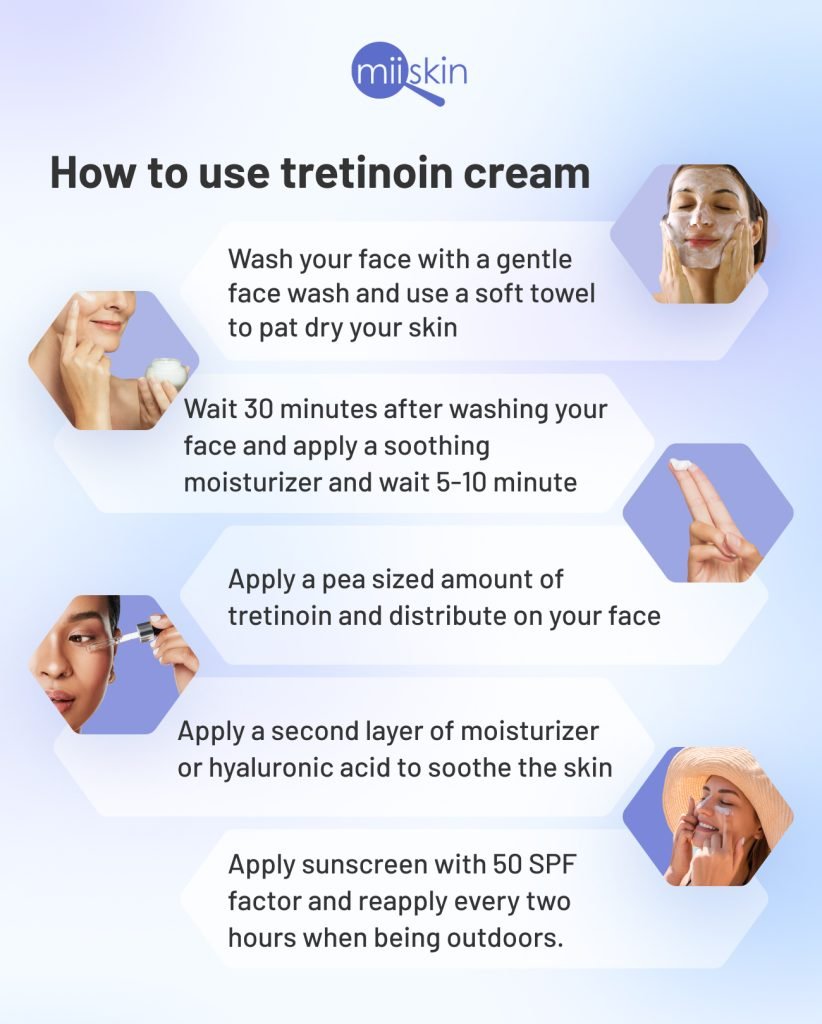
Start with a gentle cleanser that removes dirt, oil, and makeup without stripping moisture. Using lukewarm water, wash your face to open pores slightly but avoid hot water, which can dry out your skin.
Pat your face dry with a soft towel—don’t rub. If your skin feels sensitive, wait 10 to 20 minutes before moving on. This pause lets your skin calm down and reduces irritation risk when you apply tretinoin.
Using Moisturizer
Applying moisturizer before tretinoin can soften the impact, especially if you’re new to it or have sensitive skin. Pick a lightweight, non-comedogenic moisturizer that hydrates without clogging pores.
You can apply moisturizer right after cleansing or after waiting a bit, depending on how your skin reacts. Some people prefer a “sandwich” method: moisturizer first, then tretinoin, and another layer of moisturizer on top to lock in moisture.
Applying Tretinoin Correctly
Use only a pea-sized amount for your entire face to avoid overdoing it. Dab small dots on your forehead, cheeks, chin, and nose, then gently spread the product evenly. Avoid the corners of your eyes, nostrils, and lips, where skin is thinner and more sensitive.
Don’t mix tretinoin with other active products in the same application to prevent irritation. Let tretinoin absorb fully before applying any additional products, and remember: consistency matters more than quantity.
Credit: miiskin.com
Morning Routine Considerations
Starting tretinoin in the morning needs careful thought. This product can make skin sensitive to sunlight. So, planning your morning routine around tretinoin helps protect your skin. It also helps you get the best results without irritation.
When To Skip Tretinoin
Skip tretinoin in the morning if your skin feels dry or irritated. Avoid it on days you plan long sun exposure. Use it at night instead to reduce risk of sun damage. Listen to your skin’s signals to prevent redness and peeling.
Sunscreen Importance
Sunscreen is a must after applying tretinoin in the morning. Tretinoin thins the top skin layer, increasing sun sensitivity. Use a broad-spectrum sunscreen with at least SPF 30. Apply it generously and reapply every two hours. This helps stop sunburn and dark spots.
Layering With Other Products
Be gentle with other products when using tretinoin in the morning. Avoid strong acids or exfoliants to prevent irritation. Use a mild cleanser and a lightweight moisturizer. Let tretinoin absorb fully before applying sunscreen. This keeps your skin calm and protected all day.
Adjusting Timing For Sensitive Skin
Adjusting tretinoin timing helps protect sensitive skin. It reduces irritation and improves results. A gentle approach lets your skin build tolerance. Careful timing avoids redness and dryness.
Starting Slowly
Begin tretinoin use with a small amount. Apply it only twice a week at first. Watch how your skin reacts each time. Increase use gradually as your skin adjusts. This prevents overwhelming sensitive skin.
Alternate Day Use
Use tretinoin every other night instead of daily. This gives your skin time to heal. It lowers the chance of peeling and irritation. Use a gentle cleanser on off days. Keep your skin calm and balanced.
Soothing Techniques
Apply moisturizer before or after tretinoin to soothe skin. Use products with calming ingredients like aloe or ceramides. Avoid harsh scrubs or exfoliants during tretinoin use. Protect skin with sunscreen during the day. These steps keep your skin comfortable and healthy.
Credit: www.lemon8-app.com
Troubleshooting Common Issues
Using tretinoin can cause some common skin issues at the start. These problems often make people stop using it. Knowing how to handle them helps keep your skin healthy and lets tretinoin work better. This section explains simple ways to fix common troubles.
Managing Irritation
Irritation may cause redness, burning, or itching. Use a gentle cleanser and avoid scrubs or harsh soaps. Apply tretinoin on dry skin to reduce stinging. Start with a small amount every other night. If irritation stays, try applying moisturizer before tretinoin. Avoid using other strong skincare products until your skin calms down.
Dealing With Dryness
Dry skin often happens with tretinoin use. Add a rich, fragrance-free moisturizer to your routine. Apply it after tretinoin or mix a small amount with tretinoin cream. Avoid hot water and long showers that dry skin more. Use a humidifier in dry rooms. Drink plenty of water to keep skin hydrated from inside.
When To Consult A Dermatologist
Seek help if irritation or dryness worsens or lasts over two weeks. Visit a dermatologist if you see severe redness, swelling, or blisters. A doctor can adjust your tretinoin strength or suggest other treatments. Stop using tretinoin only if your doctor advises. Professional advice keeps your skin safe and healthy.
Boosting Results With Proper Timing
Timing can make a big difference when you apply tretinoin in your skincare routine. Using it at the right moment not only helps your skin absorb it better but also minimizes irritation. Understanding how tretinoin interacts with other treatments and your daily habits can push your results further.
Combining With Other Treatments
Pairing tretinoin with other skincare products needs care. Avoid layering it immediately with harsh exfoliants or strong acids like AHAs and BHAs, as this can cause redness or peeling.
Instead, apply gentler moisturizers or hydrating serums to soothe your skin. Some people find it helpful to wait 20-30 minutes after cleansing before applying tretinoin, letting the skin dry completely to reduce irritation.
Have you noticed certain products making your skin sting after tretinoin? Adjusting the order or timing might be the fix you need.
Lifestyle Tips
Protecting your skin from sun exposure is crucial when using tretinoin since it makes your skin more sensitive. Use a broad-spectrum sunscreen every morning, even on cloudy days.
Hydration matters too. Drinking enough water and using a good moisturizer can help your skin handle tretinoin better. Avoid over-washing your face; gentle cleansing keeps your skin barrier strong.
Think about your evening routine. Going to bed shortly after applying tretinoin can help it work uninterrupted without being rubbed off by towels or pillowcases.
Tracking Progress
Keep a simple journal or take weekly photos to watch how your skin reacts over time. This helps you spot improvements and identify any irritation early.
Note down any changes in your routine or products used alongside tretinoin. Small tweaks can lead to big differences, and tracking helps you understand what works best for your skin.
Are you patient enough to wait a few weeks before expecting visible results? Remember, tretinoin’s benefits build gradually with consistent use.
Frequently Asked Questions
When Is The Best Time To Apply Tretinoin?
The best time to apply tretinoin is at night. This prevents sunlight from breaking down the active ingredients. Night application also reduces skin irritation and increases effectiveness.
Should Tretinoin Be Used Before Or After Moisturizer?
Apply tretinoin on clean, dry skin before moisturizer. Wait 20 minutes after washing your face to minimize irritation. Follow with a moisturizer to keep skin hydrated and calm.
How Long Should I Wait Before Applying Other Products?
Wait 20 to 30 minutes after applying tretinoin before using other skincare products. This ensures tretinoin absorbs properly and reduces the risk of irritation or product interference.
Can I Use Tretinoin In The Morning Skincare Routine?
Tretinoin is not recommended for morning use. It increases sun sensitivity and breaks down under UV light. Always use it at night and apply sunscreen during the day.
Conclusion
Tretinoin works best when used at night. Apply it after cleansing and drying your face. Avoid using it with heavy moisturizers at first. Start slow to let your skin adjust. Consistency helps improve skin texture and tone. Protect your skin with sunscreen every morning.
Patience is key; results take time. Follow these simple steps for safe use. Your skin will thank you later.
