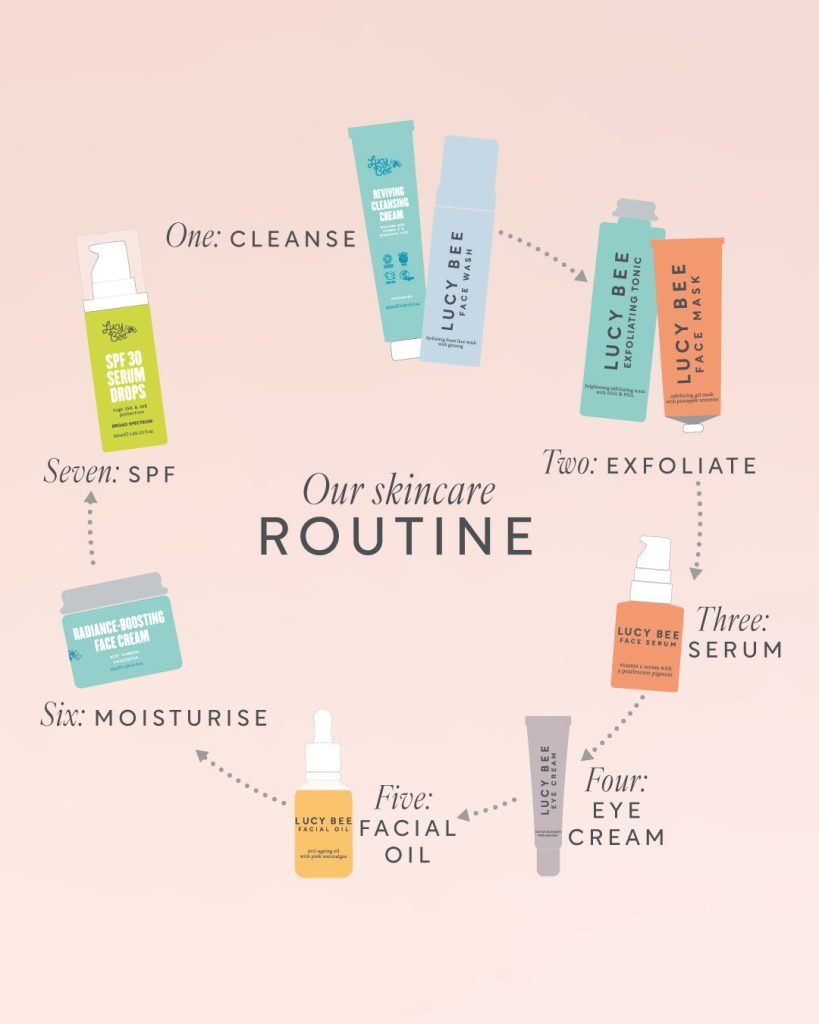
Are you overwhelmed by the endless skincare products lining the shelves? You’re not alone.
With so many options, creating a skincare routine can feel like solving a complicated puzzle. But here’s the secret: a basic skincare routine doesn’t have to be complex to be effective. Imagine waking up to healthy, glowing skin every day.
Sounds amazing, right? By focusing on a few essential steps, you can transform your skincare game and enjoy that radiant glow you’ve always wanted. Intrigued? Let’s dive into the fundamental steps that will simplify your skincare routine and unlock the secrets to beautiful skin.
Cleansing Techniques
Cleansing is the foundation of any effective skincare routine. It removes dirt, oil, and impurities that build up on your skin throughout the day. Mastering the right cleansing techniques can make a noticeable difference in how your skin feels and looks.
Choosing The Right Cleanser
Not all cleansers suit every skin type. If you have dry skin, opt for a hydrating cleanser that won’t strip natural oils. Oily skin benefits from a foaming or gel-based cleanser that controls excess sebum without over-drying.
Think about what your skin needs and pick ingredients accordingly. For sensitive skin, fragrance-free and gentle formulas reduce irritation. Have you checked the ingredient list on your cleanser lately?
Morning Vs Evening Cleansing
Your skin faces different challenges at different times of the day. Morning cleansing is often about removing overnight sweat and prepping your skin for the day. A gentle cleanser or even just water can work well here to avoid over-stripping.
Evening cleansing requires a deeper clean to wash away makeup, sunscreen, and pollutants. Double cleansing—first with an oil-based cleanser, then with a water-based one—can be a game changer if you wear heavy makeup.
Common Cleansing Mistakes
- Using hot water:It can dry out your skin and cause redness. Lukewarm water is best.
- Over-cleansing:Cleansing more than twice a day can strip away essential oils, leading to irritation.
- Rough scrubbing:Harshly rubbing your face can damage the skin barrier. Use gentle circular motions instead.
- Skipping moisturizer afterward:Cleansing removes oils, so follow up with a moisturizer to keep your skin balanced.
Have you noticed any of these habits in your routine? Small changes can improve your skin’s texture and reduce breakouts.

Credit: www.playingwithapparel.com
Exfoliation Basics
Exfoliation is a key step in any basic skincare routine that often gets overlooked or misunderstood. It helps remove dead skin cells, revealing fresher, smoother skin underneath. But how you exfoliate can make all the difference to your skin’s health and appearance.
Physical Vs Chemical Exfoliants
Physical exfoliants use small particles or tools to manually scrub away dead skin. Examples include scrubs with sugar, salt, or tiny beads, and brushes or sponges. They provide immediate smoothness but can be harsh if used too aggressively.
Chemical exfoliants use acids or enzymes to dissolve dead skin cells gently. Common types are AHAs (like glycolic acid), BHAs (like salicylic acid), and enzymes from fruits. These work beneath the surface and often provide longer-lasting results with less irritation.
Think about your skin type: if it’s sensitive or acne-prone, chemical exfoliants might be safer. If you prefer quick, tactile results and have resilient skin, physical exfoliants can work well—but be gentle.
How Often To Exfoliate
It’s tempting to exfoliate daily, but overdoing it can damage your skin barrier. For most skin types, exfoliating 2-3 times a week is enough to see improvements without irritation.
Oily or acne-prone skin may tolerate more frequent exfoliation, especially with chemical exfoliants. Dry or sensitive skin usually needs less frequent care to avoid redness or flaking.
Ask yourself: How does your skin respond after exfoliation? If it feels tight or looks red, reduce frequency or switch products. Pay attention and adjust based on your skin’s feedback.
Benefits Of Regular Exfoliation
Regular exfoliation helps prevent clogged pores, reducing breakouts and blackheads. It also evens out skin tone by fading dark spots and dullness over time.
Exfoliating allows moisturizers and serums to penetrate more effectively, making your other skincare steps work better. You’ll notice your skin feels smoother, looks brighter, and often appears more youthful.
Have you noticed how your makeup applies after exfoliating? That fresh canvas can make a real difference in your daily routine.
Toning Benefits
Toning is a vital step in any skincare routine. It helps to refresh the skin and remove leftover dirt or makeup. Toners balance the skin’s pH levels, which keeps it healthy and less oily. They also tighten pores, making the skin appear smoother. Using a toner can prepare the skin to absorb moisturizers and serums better. This step adds an extra layer of cleansing and hydration that many people overlook.
Selecting A Suitable Toner
Choose a toner based on your skin type. For dry skin, pick a gentle, hydrating toner with ingredients like glycerin or aloe vera. Oily or acne-prone skin benefits from toners with salicylic acid or witch hazel to reduce oil and clear pores. Sensitive skin needs alcohol-free, fragrance-free toners to avoid irritation. Always check the label to avoid harsh chemicals that can dry or harm your skin.
Toner Application Tips
- Apply toner after cleansing and before moisturizing.
- Use a cotton pad or your clean hands to apply toner.
- Gently pat or swipe toner over your face and neck.
- Avoid rubbing or harsh scrubbing.
- Let the toner dry naturally for better absorption.
Hydrating Vs Astringent Toners
| Hydrating Toners | Astringent Toners |
|---|---|
| Moisturize dry and sensitive skin | Remove excess oil and tighten pores |
| Contain soothing ingredients like rose water | Often contain alcohol or witch hazel |
| Help calm redness and irritation | Best for oily or acne-prone skin |
| Use daily for a fresh, soft feel | Use carefully to avoid dryness |

Credit: www.eraorganics.com
Moisturizing Tips
Moisturizing is a key step in any skincare routine. It helps keep your skin hydrated, soft, and protected throughout the day. Skipping this step can lead to dryness, irritation, and an uneven skin texture.
Types Of Moisturizers
Moisturizers come in various forms to suit different needs. Creams are thick and great for very dry skin, while lotions are lighter and work well for normal to slightly dry skin. Gels are ideal if you want a non-greasy feel, especially for oily or acne-prone skin.
Some moisturizers also contain added ingredients like SPF, antioxidants, or hyaluronic acid. Choosing the right type can make a big difference in how well your skin responds.
Moisturizer For Different Skin Types
Knowing your skin type helps you pick the perfect moisturizer. If you have dry skin, look for rich creams with oils or ceramides to lock in moisture. Oily skin benefits from oil-free or water-based moisturizers that won’t clog pores.
Combination skin requires a balanced approach—lightweight formulas on oily areas and richer creams on dry patches. Sensitive skin needs fragrance-free and hypoallergenic products to avoid irritation. What’s your skin type telling you about your moisturizer?
Applying Moisturizer Correctly
Apply moisturizer on clean, slightly damp skin to help seal in hydration. Use gentle upward strokes rather than rubbing hard, which can irritate your skin. Don’t forget your neck and the area around your eyes—these spots often get overlooked but need care too.
A pea-sized amount is usually enough; applying too much won’t speed up results and might clog pores. Try to moisturize twice a day—morning and night—to keep your skin consistently nourished. Have you noticed how your skin feels right after moisturizing?
Sun Protection
Sun protection plays a vital role in any basic skincare routine. It helps prevent skin damage caused by harmful ultraviolet (UV) rays. Consistent sun protection reduces the risk of sunburn, premature aging, and skin cancer. Applying sunscreen every day keeps your skin healthy and glowing.
Choosing Sunscreen Spf
SPF stands for Sun Protection Factor. It measures how well a sunscreen protects against UVB rays. Experts recommend using a sunscreen with at least SPF 30. Higher SPF offers more protection but no sunscreen blocks 100% of UV rays. Choose broad-spectrum sunscreens that protect against both UVA and UVB rays. Look for water-resistant formulas if you sweat or swim.
Applying Sunscreen Daily
Apply sunscreen every morning, even on cloudy days. Use about one teaspoon for your face and one shot glass amount for your body. Apply sunscreen 15 minutes before going outside. Reapply every two hours or after swimming or sweating. Do not skip areas like ears, neck, and hands. Make sunscreen the last step in your skincare routine before makeup.
Sunscreen Myths Debunked
- Sunscreen is only needed on sunny days. False:UV rays reach your skin even on cloudy days.
- Dark skin does not need sunscreen. False:Everyone needs protection from UV damage.
- Sunscreen causes vitamin D deficiency. False:You can still get vitamin D safely with sunscreen.
- Sunscreen is greasy and causes breakouts. False:Many sunscreens are non-comedogenic and lightweight.
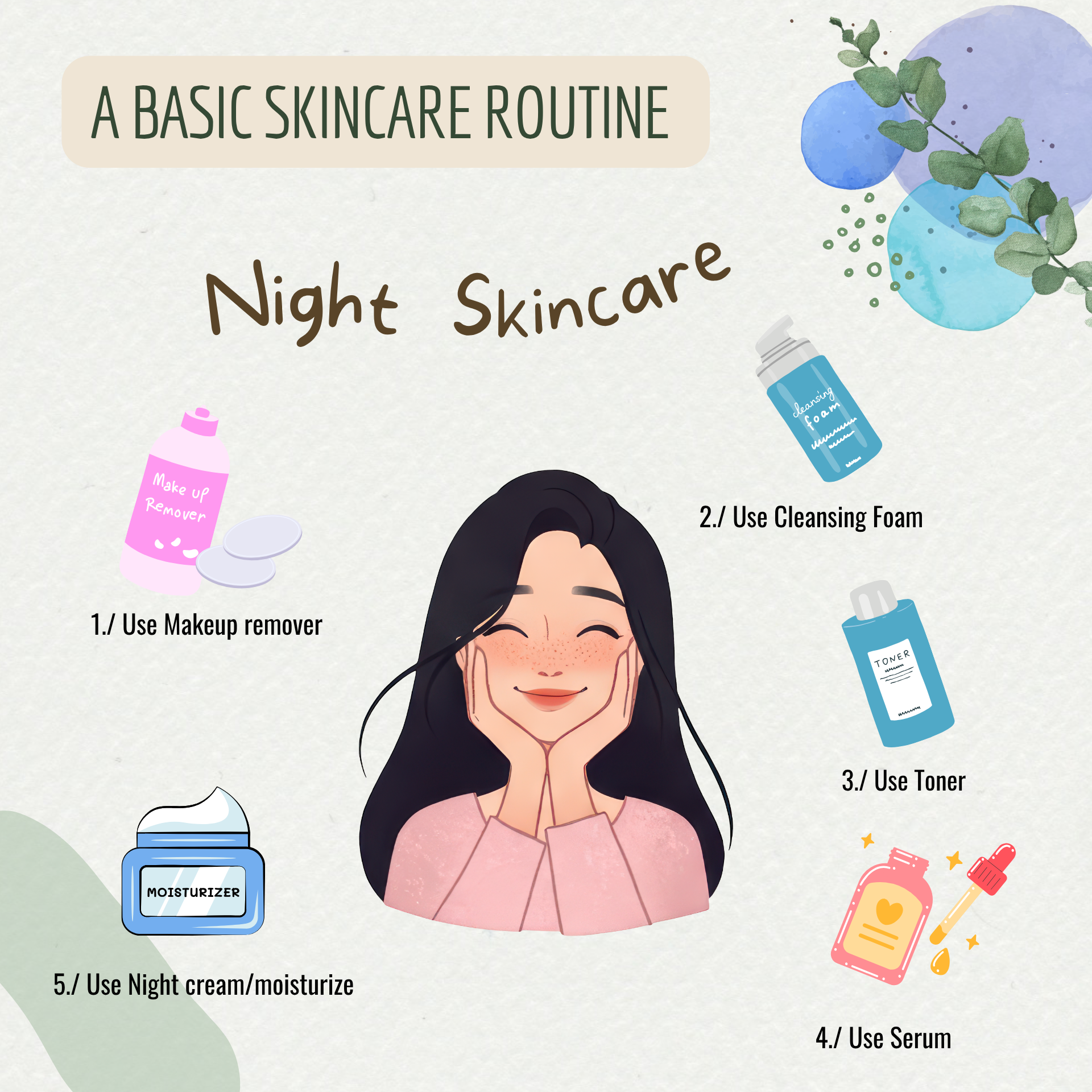
Credit: timicosmetics.com
Additional Skincare Steps
Additional skincare steps help improve your skin’s health and appearance. These steps target specific concerns and boost your routine’s effectiveness. Small changes can make a big difference over time.
Using Serums And Treatments
Serums deliver powerful ingredients directly to your skin. They are lightweight and absorb quickly. Choose serums with vitamins, antioxidants, or hyaluronic acid. These ingredients hydrate, brighten, and protect your skin.
Apply serums after cleansing and before moisturizing. A few drops are enough. Pat gently to help absorption. Use treatments like acne spot gels or exfoliating acids carefully. Follow the product instructions for best results.
Incorporating Eye Cream
The skin around the eyes is thin and delicate. Eye cream helps reduce puffiness and dark circles. It also hydrates and smooths fine lines.
Use a small amount with your ring finger. Dab gently around the eye area. Avoid rubbing or pulling the skin. Apply eye cream twice daily for best effects.
Nighttime Skincare Enhancements
Night is the best time for skin repair. Use richer creams or oils to nourish your skin deeply. Night treatments often contain ingredients like retinol or peptides. These support cell renewal and reduce wrinkles.
Cleanse thoroughly before bed to remove dirt and makeup. Apply your chosen night products in thin layers. Let them absorb fully for maximum benefit. A good nighttime routine helps you wake up with refreshed skin.
Lifestyle Tips For Radiant Skin
Your skin reflects more than just the products you apply. The way you live plays a huge role in how radiant your skin looks every day. Small changes in your daily habits can lead to noticeable improvements in your skin’s health and glow.
Hydration And Diet
Drinking enough water is a simple step that many overlook. Water helps flush out toxins and keeps your skin plump and glowing. Aim for at least eight glasses a day, and don’t forget that herbal teas and water-rich fruits like watermelon count too.
Your diet impacts your skin’s appearance more than you might realize. Foods rich in antioxidants, such as berries and leafy greens, protect your skin from damage. Adding omega-3 fatty acids from sources like salmon or flaxseed can reduce inflammation and dryness.
Sleep And Stress Management
How often do you wake up looking tired? Poor sleep directly affects your skin’s ability to repair itself. Try to get 7-9 hours of quality sleep; even a consistent bedtime routine can make a difference.
Stress triggers hormone changes that can cause breakouts or dullness. Activities like meditation, gentle yoga, or simply taking a few deep breaths during the day help calm your mind. What small stress-relief habit can you add today?
Avoiding Harmful Habits
Smoking accelerates skin aging and reduces blood flow, leading to a dull complexion. Quitting smoking is one of the fastest ways to see skin improvements.
Excessive alcohol consumption dehydrates your skin and can cause redness or puffiness. Moderation is key—try alternating alcoholic drinks with water to stay hydrated.
Also, avoid touching your face frequently to prevent transferring dirt and oils that clog pores. Simple awareness can stop many common skin issues before they start.
Frequently Asked Questions
What Are The Essential Steps In A Basic Skincare Routine?
A basic skincare routine includes cleansing, toning, moisturizing, and applying sunscreen. These steps remove dirt, balance skin, hydrate, and protect against UV damage daily.
How Often Should I Follow My Skincare Routine?
You should follow your skincare routine twice daily, morning and night. Consistency helps maintain skin health and prevents issues like dryness and breakouts.
Can I Skip Moisturizer If I Have Oily Skin?
No, even oily skin needs moisturizer. Use a lightweight, oil-free moisturizer to keep skin balanced without clogging pores or increasing shine.
Why Is Sunscreen Important In Skincare?
Sunscreen protects your skin from harmful UV rays, preventing premature aging and skin cancer. It’s a crucial final step in any skincare routine.
Conclusion
A basic skincare routine helps keep your skin healthy and fresh. Cleanse gently to remove dirt and oil. Use moisturizer daily to keep skin soft. Protect your skin with sunscreen every day. Consistency matters more than fancy products. Small steps lead to clear and glowing skin.
Start simple, be patient, and enjoy the results. Your skin will thank you with time.
