Is your skin feeling tight, flaky, or just plain thirsty? A dry skincare routine might be exactly what you need to transform your skin from parched to perfectly hydrated.
Imagine waking up with a smooth, glowing complexion that feels as good as it looks. You deserve to feel confident and comfortable in your skin, and the right routine can make all the difference. We’ll dive into simple yet effective steps to nourish your skin and keep dryness at bay.
Ready to unlock the secrets to a radiant, hydrated face? Let’s get started.
Causes Of Dry Skin
Understanding the causes of dry skin is key to managing it effectively. Dry skin happens when your skin loses too much water or oil, disrupting its natural balance. Knowing what triggers this condition can help you protect your skin and keep it healthy.
Environmental Factors
Cold weather often strips moisture from your skin, leaving it rough and flaky. Indoor heating during winter can also dry out the air, making your skin feel tight and uncomfortable. Have you noticed how your skin feels after spending time in the sun or a windy place? Sun exposure and wind can damage your skin’s protective barrier, leading to dryness and irritation.
Lifestyle Habits
Your daily routines impact your skin more than you might think. Long, hot showers wash away natural oils that keep your skin hydrated. Using harsh soaps or skincare products with alcohol can worsen dryness. Drinking less water or not moisturizing regularly also leaves your skin vulnerable to dryness. Could small changes in your habits help your skin feel softer?
Skin Conditions
Some skin problems naturally cause dryness and discomfort. Conditions like eczema or psoriasis make your skin lose moisture quickly and become inflamed. Even allergies can lead to dry, itchy patches. If your dryness persists despite good care, checking with a dermatologist can uncover underlying issues that need special treatment.
Credit: www.walmart.ca
Key Ingredients For Dry Skin
Dry skin needs special care with the right ingredients. These ingredients help keep the skin soft, smooth, and healthy. They work by adding moisture, calming irritation, and fixing the skin’s natural barrier. Understanding these key ingredients helps create a strong skincare routine for dry skin.
Hydrating Agents
Hydrating agents pull water into the skin and keep it there. They improve skin moisture and prevent dryness. Common hydrating agents include:
- Hyaluronic Acid: Holds water and plumps the skin.
- Glycerin: Draws moisture from the air to the skin.
- Aloe Vera: Adds hydration and cools the skin.
Soothing Components
Soothing ingredients calm irritation and reduce redness. They make dry skin feel comfortable and less itchy. Important soothing components are:
- Chamomile: Eases inflammation and soothes skin.
- Oat Extract: Relieves itching and softens skin.
- Calendula: Helps heal and calm dry patches.
Barrier Repair Ingredients
Barrier repair ingredients strengthen the skin’s outer layer. They stop moisture loss and protect from damage. Key barrier repair ingredients include:
- Ceramides: Restore the skin’s natural barrier.
- Fatty Acids: Support skin structure and hydration.
- Niacinamide: Improves barrier function and evens tone.
Daily Skincare Steps
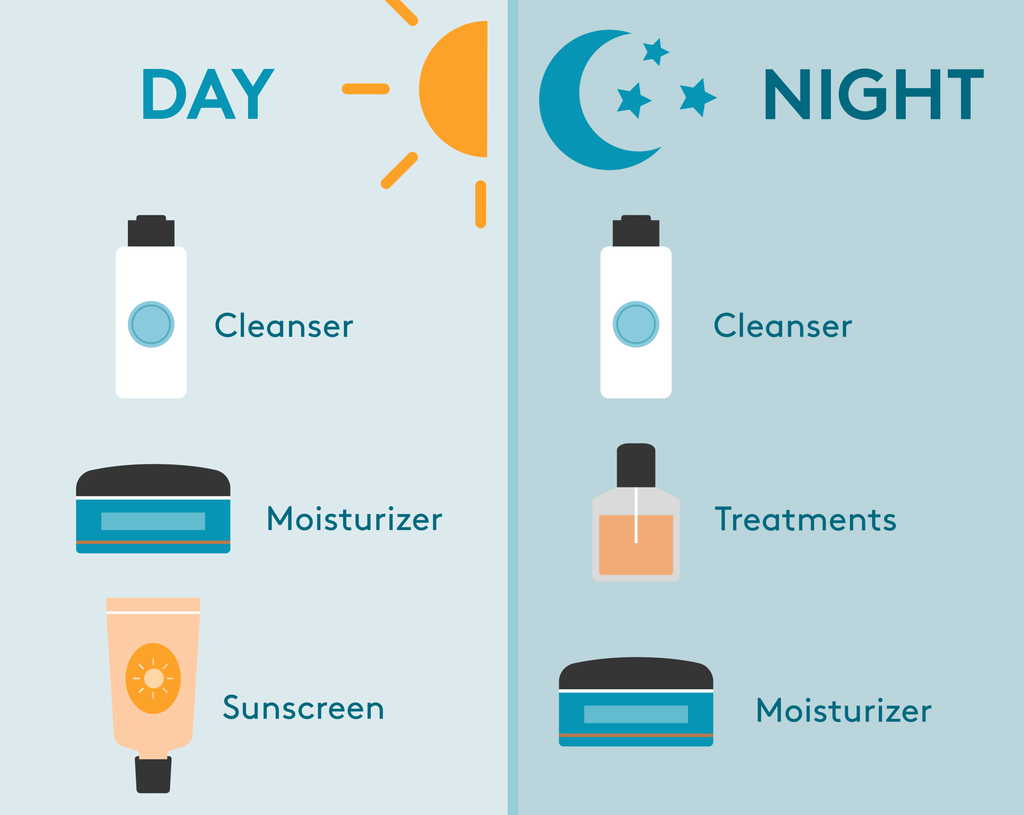
Maintaining a daily skincare routine is vital for dry skin. It helps keep skin soft, smooth, and hydrated all day. Each step plays a key role in protecting and nourishing your skin. Follow a simple yet effective sequence to avoid dryness and irritation.
Gentle Cleansing
Use a mild cleanser made for dry skin. Avoid harsh soaps that strip natural oils. Cleanse your face with lukewarm water to prevent dryness. Pat your skin dry with a soft towel instead of rubbing. Clean skin allows better absorption of moisturizing products.
Effective Toning
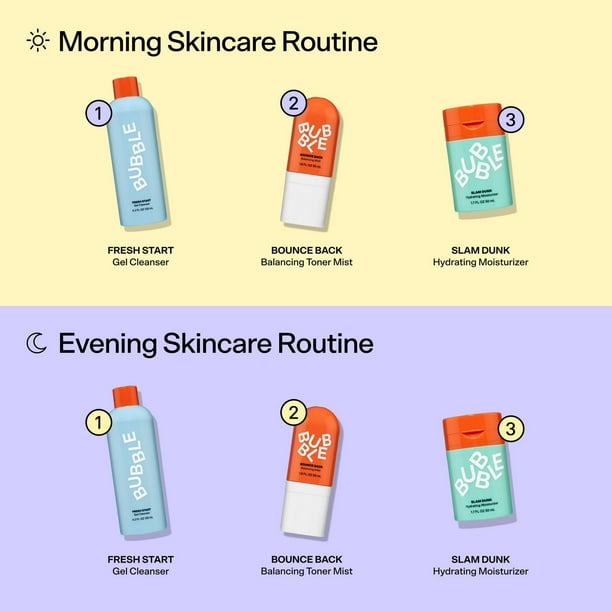
Choose an alcohol-free toner to soothe your skin. Toners help restore the natural pH balance. They remove any leftover dirt and prepare skin to absorb moisture. Apply toner gently using a cotton pad or your hands. This step refreshes your skin without drying it out.
Deep Moisturizing
Use a rich moisturizer designed for dry skin. Look for ingredients like hyaluronic acid, glycerin, or ceramides. These help lock in moisture and repair the skin barrier. Apply moisturizer while your skin is still slightly damp. This helps seal in hydration and keeps dryness away.
Sun Protection
Apply a broad-spectrum sunscreen every day. Sunscreen protects dry skin from harmful UV rays. Choose a sunscreen with moisturizing properties and SPF 30 or higher. Reapply sunscreen every two hours if you stay outdoors. Sun protection prevents further dryness and skin damage.
Weekly Treatments
Weekly treatments help maintain moisture and softness in dry skin. They remove dead skin and add deep hydration. These treatments give your skin a fresh, healthy look. Set aside time each week to care for your skin deeply.
Exfoliation Tips
Exfoliate gently to avoid irritation. Use a mild scrub or chemical exfoliant. Focus on dry patches and rough areas. Limit exfoliation to once a week. Always follow with a rich moisturizer to soothe skin.
Hydrating Masks
Choose masks with ingredients like aloe, honey, or hyaluronic acid. Apply the mask evenly on clean skin. Leave it on for 15-20 minutes. Rinse with lukewarm water and pat dry. Hydrating masks boost skin moisture and calm dryness.
Overnight Care
Apply a thick cream or oil before bed. These products lock in moisture while you sleep. Use gentle upward strokes to massage the product in. Overnight care helps skin repair and stay soft. Wake up with smooth, nourished skin.
Lifestyle Tips For Hydration
Keeping your skin hydrated goes beyond creams and lotions. Your daily habits and lifestyle play a key role in managing dry skin. Small changes can make a big difference in how your skin feels and looks. Focus on what you eat, how you drink fluids, and what you avoid.
Nutrition For Skin
Healthy skin starts from the inside. Eat foods rich in vitamins and healthy fats. These nutrients help skin hold moisture and stay soft.
- Include fruits like oranges and berries for vitamin C.
- Eat vegetables such as spinach and carrots for vitamins A and E.
- Choose nuts and seeds for essential fatty acids.
- Fish like salmon provides omega-3 fats that support skin hydration.
Hydration Habits
Drink plenty of water throughout the day. Water helps flush out toxins and keeps skin cells hydrated. Avoid sugary drinks that can dry out your skin.
- Start your day with a glass of water.
- Carry a water bottle to sip regularly.
- Drink herbal teas for extra hydration without caffeine.
Avoiding Irritants
Certain things can make dry skin worse. Be careful with soaps and products that strip natural oils. Avoid harsh chemicals and strong fragrances.
- Choose gentle, fragrance-free cleansers.
- Wear soft fabrics like cotton to reduce irritation.
- Protect skin from cold, dry air by covering up.

Credit: www.colorescience.com
Common Mistakes To Avoid
Many people with dry skin make common mistakes that worsen their condition. Avoiding these errors helps keep skin healthy and hydrated. A good routine means knowing what to skip and what to do.
Overwashing
Washing your face too often strips natural oils. These oils keep skin soft and moist. Limit washing to twice a day with gentle water temperature. Overwashing causes redness and tightness.
Harsh Products
Using products with strong chemicals irritates dry skin. Ingredients like alcohol and sulfates remove moisture. Choose mild cleansers and avoid scrubs that are too rough. Harsh products increase dryness and flaking.
Skipping Moisturizer
Many think moisturizer is not needed if skin feels oily. Dry skin always needs moisture to heal and protect. Apply moisturizer right after washing to lock in hydration. Skipping it leads to cracks and discomfort.
Choosing Products For Dry Skin
Choosing the right products for dry skin is essential to keep your skin soft and healthy. Dry skin lacks moisture and needs gentle care. Using harsh products can make dryness worse. Selecting suitable items helps restore hydration and protect the skin barrier. Focus on ingredients and textures that provide deep nourishment without irritation.
Reading Labels
Check product labels carefully. Look for words like “hydrating,” “moisturizing,” or “nourishing.” Avoid products with alcohol, fragrances, or harsh chemicals. These can dry out your skin more. Ingredients like hyaluronic acid, glycerin, and ceramides are good. They help lock in moisture and soothe dryness.
Recommended Product Types
- Cleansers:Use creamy or oil-based cleansers. They clean gently without stripping oils.
- Moisturizers:Choose thick creams or ointments. These provide lasting hydration.
- Serums:Look for hydrating serums with hyaluronic acid or squalane.
- Exfoliants:Use mild chemical exfoliants like lactic acid to remove dead skin safely.
Patch Testing
Test new products on a small skin area first. Apply a little on your wrist or behind the ear. Wait 24 to 48 hours to watch for reactions. Redness, itching, or swelling means the product may not suit your skin. Patch testing helps avoid irritation and keeps your skin safe.

Credit: www.eraorganics.com
Frequently Asked Questions
What Is The Best Cleanser For A Dry Skincare Routine?
A gentle, hydrating cleanser without harsh sulfates is ideal for dry skin. Look for ingredients like glycerin or hyaluronic acid. Avoid foaming or stripping cleansers that remove natural oils and worsen dryness.
How Often Should I Moisturize Dry Skin Daily?
Moisturize at least twice daily—morning and night—to maintain hydration. Use a rich, emollient cream that locks in moisture and repairs the skin barrier. Reapply after washing your face or exposure to dry environments.
Can I Use Exfoliants With Dry Skin?
Yes, but choose mild, chemical exfoliants like lactic acid. Avoid abrasive scrubs that can irritate and worsen dryness. Exfoliate 1-2 times weekly to remove dead skin and enhance moisture absorption.
Which Ingredients Help Repair Dry Skin Effectively?
Look for ceramides, hyaluronic acid, glycerin, and natural oils like jojoba or squalane. These ingredients restore moisture, strengthen the skin barrier, and reduce flakiness and irritation common in dry skin.
Conclusion
A dry skincare routine helps keep your skin soft and healthy. Use gentle cleansers and rich moisturizers every day. Drink plenty of water to stay hydrated from inside. Avoid hot water, which can dry your skin more. Protect your skin from the sun with sunscreen.
Simple steps can make a big difference over time. Your skin will feel smoother and look brighter. Stick with your routine and be patient. Healthy skin comes with care and consistency. Try these tips and enjoy softer, glowing skin soon.
