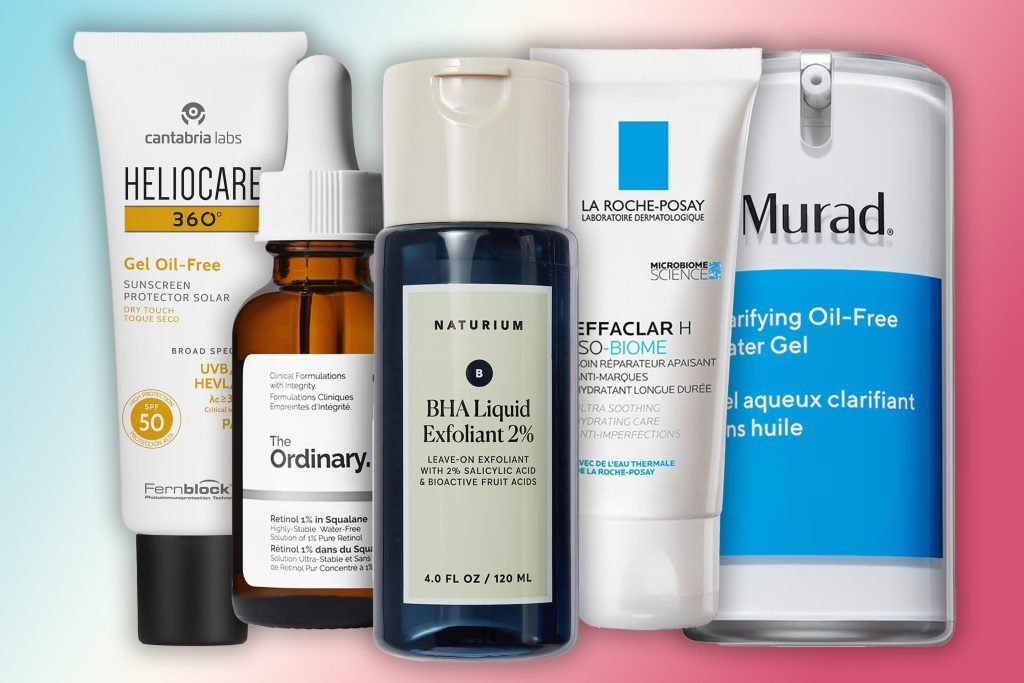
Struggling with acne can be frustrating and overwhelming. But imagine waking up to clear, radiant skin that boosts your confidence every day.
You might think it’s a distant dream, but with the right skincare routine, it’s absolutely within reach. If you’re tired of trying countless products and seeing little to no improvement, you’re not alone. Many people face the same challenge, but here’s the good news: understanding your skin and adopting a tailored skincare routine can make all the difference.
We’ll unveil effective skincare routines specifically designed to combat acne, helping you achieve the clear, healthy skin you deserve. Get ready to unlock the secrets to a glowing complexion!
Credit: www.lemon8-app.com
Causes Of Acne
Acne appears when hair follicles get clogged with oil and dead skin cells. This clogging leads to pimples, blackheads, or whiteheads. Various factors cause acne, and understanding them helps create a better skincare routine.
Hormonal Changes
Hormones play a key role in acne development. During puberty, hormone levels rise, causing more oil production. Women may experience acne flare-ups during menstrual cycles or pregnancy. Hormonal imbalances can increase skin oiliness and clog pores easily.
Diet And Lifestyle
What you eat affects your skin health. Foods high in sugar and dairy may trigger breakouts. Lack of sleep and stress also worsen acne. Poor hygiene and touching the face often spread bacteria and block pores.
Skin Type And Genetics
Oily skin tends to develop acne more than dry skin. Genetics influence how much oil your skin produces. If your family has acne history, you might be more prone to it. Knowing your skin type helps in choosing the right products.
Daily Skincare Steps
Daily skincare steps form the foundation of a clear, healthy complexion. Consistency helps control acne and reduces breakouts. Simple routines with the right products improve skin texture and balance oil levels. Focus on gentle care to avoid irritation and support healing.
Cleansing Techniques
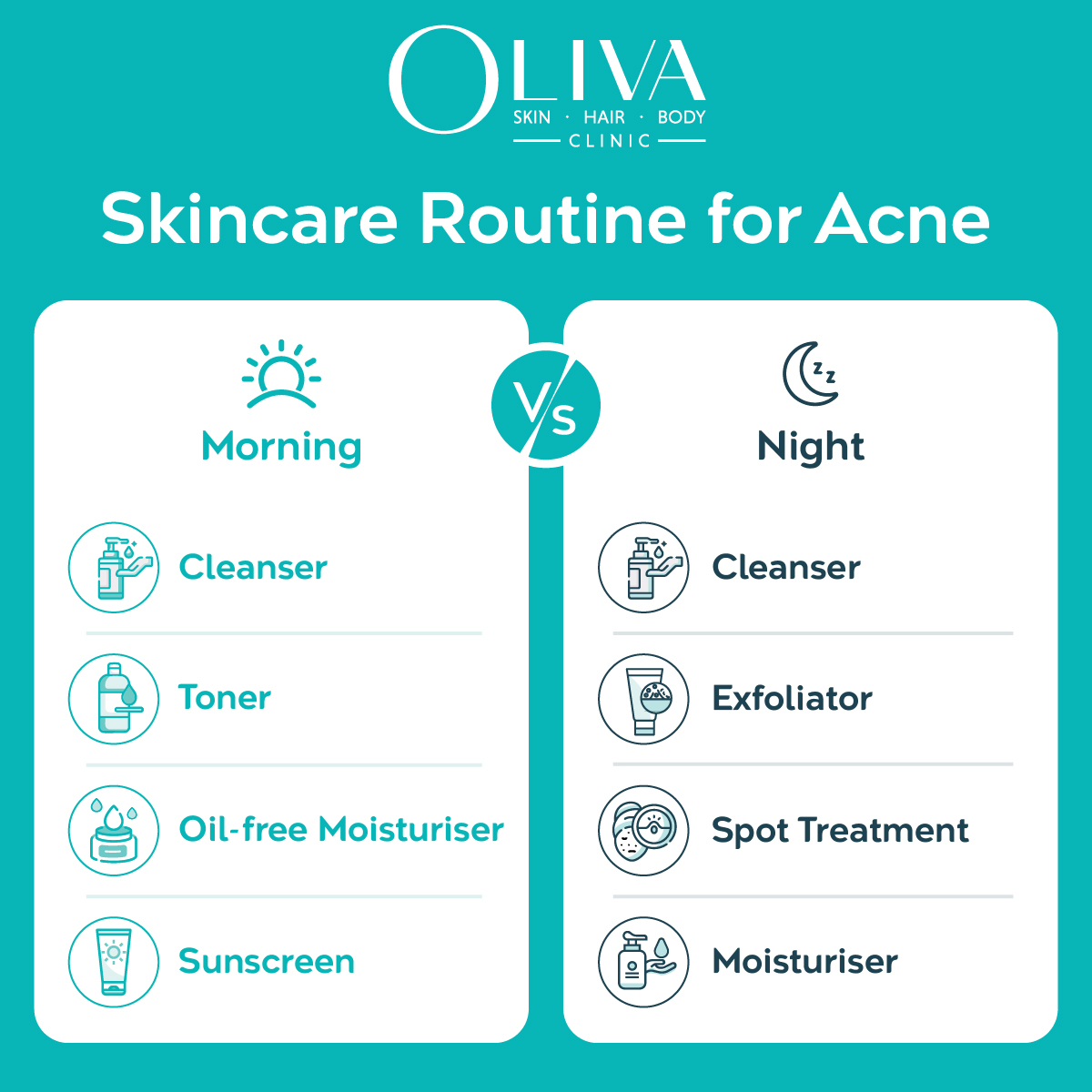
Use a mild cleanser suited for acne-prone skin. Cleanse twice a day—morning and night—to remove dirt and excess oil. Use lukewarm water; hot water can dry and irritate the skin. Gently massage the cleanser in circular motions for 30 seconds. Rinse thoroughly and pat skin dry with a soft towel. Avoid scrubbing or harsh exfoliation as it worsens acne.
Toning Benefits
Toners restore the skin’s natural pH and tighten pores. Choose alcohol-free formulas with soothing ingredients like witch hazel or rose water. Apply toner after cleansing using a cotton pad or your hands. This step removes leftover impurities and preps skin for moisturizer. Regular toning can reduce redness and calm inflammation.
Moisturizing Tips
Moisturizing keeps skin hydrated and balanced. Pick lightweight, non-comedogenic moisturizers that won’t clog pores. Apply moisturizer while skin is still slightly damp to lock in moisture. Look for ingredients such as hyaluronic acid and niacinamide for extra hydration and calming effects. Avoid heavy creams that feel greasy or sticky.
Effective Acne Treatments
Effective acne treatments help reduce breakouts and improve skin health. Choosing the right treatment depends on your skin type and acne severity. Consistency is key for seeing real results. Some treatments clear acne quickly, while others work gradually. Understanding different options helps you pick the best care for your skin.
Topical Ingredients To Look For
- Benzoyl peroxide kills acne-causing bacteria and reduces inflammation.
- Salicylic acid unclogs pores and exfoliates dead skin cells.
- Retinoids speed up skin cell turnover and prevent clogged pores.
- Azelaic acid reduces redness and fights bacteria.
- Niacinamide soothes inflammation and improves skin texture.
Prescription Options
Doctors may prescribe stronger treatments for stubborn acne. These include:
- Topical antibiotics to fight bacteria and reduce swelling.
- Oral antibiotics for severe or widespread acne.
- Oral contraceptives to balance hormones in women.
- Isotretinoin for severe cystic acne that doesn’t respond to other treatments.
Consult a dermatologist to find the safest and most effective prescription.
Natural Remedies
Some natural remedies can support acne care alongside other treatments.
- Tea tree oil has antibacterial properties that reduce acne.
- Aloe vera soothes skin and helps heal inflammation.
- Green tea extract fights bacteria and reduces oiliness.
- Honey acts as an antibacterial and skin moisturizer.
Patch test natural products before regular use to avoid irritation.
Credit: www.olivaclinic.com
Lifestyle Habits For Clear Skin
Clear skin isn’t just about the products you use; your daily habits play a huge role too. What you eat, how you handle stress, and even how much water you drink can all impact acne. Adjusting your lifestyle can make a noticeable difference in your skin’s health.
Healthy Eating
Your diet can either fuel acne or fight it. Foods high in sugar and dairy sometimes trigger breakouts, while fresh vegetables, fruits, and whole grains can calm inflammation. I noticed fewer flare-ups after cutting back on processed snacks and adding more leafy greens to my meals.
Try to add foods rich in antioxidants, like berries and nuts. They help repair skin and reduce redness. What small change can you make to your plate today that might help your skin tomorrow?
Stress Management
Stress can cause your skin to rebel by increasing oil production and inflammation. When life gets overwhelming, your skin might show it first. I found that simple breathing exercises and short walks helped me stay calm and reduced my breakouts.
Consider setting aside a few minutes daily to relax your mind. Even a quick pause can lower stress hormones. How often do you check in with yourself to manage stress before it affects your skin?
Adequate Hydration
Drinking enough water keeps your skin hydrated and helps flush out toxins. Dehydration can make your skin look dull and trigger excess oil production, which worsens acne. I started carrying a water bottle everywhere and noticed my skin felt softer and less irritated.
Aim for at least 8 glasses a day, but listen to your body’s needs. Sometimes, adding a slice of lemon or cucumber can make hydration more enjoyable. How could you remind yourself to drink more water throughout the day?
Common Skincare Mistakes
Many people struggling with acne fall into common skincare mistakes that actually make their skin worse. These errors often come from a place of good intentions but end up irritating the skin or blocking the healing process. Identifying and avoiding these pitfalls can make a big difference in your journey to clearer skin.
Overwashing And Irritation
It might seem like washing your face more often would clear acne faster, but overwashing can strip away natural oils your skin needs. This leads to dryness, redness, and more breakouts as your skin tries to compensate. Have you noticed your skin feeling tight or flaky after frequent washing? That’s a sign to cut back.
Try washing your face twice a day with a gentle cleanser. Too much scrubbing or using hot water can worsen irritation, so keep it light and lukewarm.
Using Harsh Products
Strong acne treatments, like those with high concentrations of benzoyl peroxide or salicylic acid, can cause burning or peeling if overused. Many start with aggressive products hoping for quick results but end up damaging their skin barrier. How often do you check if your skin feels sore or overly dry after applying a product?
Stick to milder formulas and introduce potent treatments gradually. Sometimes, less is more when it comes to managing acne without irritating your skin.
Skipping Sunscreen
Sun protection is often overlooked in acne care, but skipping sunscreen can darken acne scars and increase inflammation. Some worry sunscreen will clog pores, but non-comedogenic options work well without causing breakouts. Are you avoiding sunscreen because of fear it will make your acne worse?
Choose a lightweight, oil-free sunscreen every day—even when it’s cloudy. Protecting your skin helps it heal and prevents new acne marks from forming.
When To See A Dermatologist
Knowing when to see a dermatologist can make a big difference in how you manage your acne. While many mild cases respond well to over-the-counter products, persistent or worsening symptoms might need professional care. Paying attention to your skin’s signals can help you decide the right time to get expert advice.
Signs Of Severe Acne
Severe acne doesn’t just mean more pimples. Look for painful cysts or nodules that feel deep under the skin. If your acne causes scarring or leaves dark spots, it’s a clear sign to seek help.
Also, if your acne spreads beyond your face to your back or chest, that’s another red flag. Has your acne not improved despite trying multiple treatments? That’s a strong indicator you need specialized care.
Professional Treatments
Dermatologists offer treatments you can’t get over the counter. These include prescription-strength topical creams, antibiotics, or even hormonal therapies. Procedures like chemical peels, laser therapy, or light treatments can target acne more effectively.
These options often clear acne faster and reduce the chance of permanent scars. Have you ever wondered if a treatment beyond your usual routine could help your stubborn acne?
Long-term Skin Care Plans
A dermatologist doesn’t just treat acne; they help create a plan to keep it under control. This plan is tailored to your skin type, lifestyle, and acne triggers. It often includes advice on daily cleansing, moisturizing, and protecting your skin from the sun.
Working with a professional means you get ongoing support and adjustments to your routine as your skin changes. Imagine having a roadmap that evolves with your skin’s needs, preventing flare-ups before they start.

Credit: medisynth.com
Frequently Asked Questions
What Is The Best Skincare Routine For Acne-prone Skin?
A good acne skincare routine involves gentle cleansing twice daily, using non-comedogenic products. Apply acne treatments like salicylic acid or benzoyl peroxide. Moisturize with oil-free, hydrating formulas. Always use sunscreen to protect skin and prevent scars or hyperpigmentation.
How Often Should I Wash My Face With Acne?
Wash your face twice a day, morning and night. Over-washing can irritate skin and worsen acne. Use a gentle cleanser suited for acne-prone skin. Avoid harsh scrubs or soaps that strip natural oils and cause dryness or inflammation.
Can Moisturizing Help Improve Acne-prone Skin?
Yes, moisturizing keeps skin hydrated and balanced. Use oil-free, non-comedogenic moisturizers to avoid clogging pores. Hydrated skin reduces excess oil production that can trigger acne. Moisturizing also helps soothe irritation caused by acne treatments.
Should I Use Sunscreen With Acne Treatments?
Absolutely, sunscreen is essential when using acne treatments. Many acne products increase skin sensitivity to the sun. Use a broad-spectrum, oil-free sunscreen with at least SPF 30 daily. This prevents sun damage, dark spots, and worsened acne scars.
Conclusion
Good skincare routines help keep acne under control. Cleanse your face gently twice a day. Use products made for acne-prone skin. Avoid touching your face with dirty hands. Moisturize to keep your skin healthy and balanced. Be patient—clear skin takes time and care.
Consistency is key for the best results. Small daily steps can make a big difference. Your skin will thank you with clearer days ahead. Stay committed, and acne will become less of a problem.
