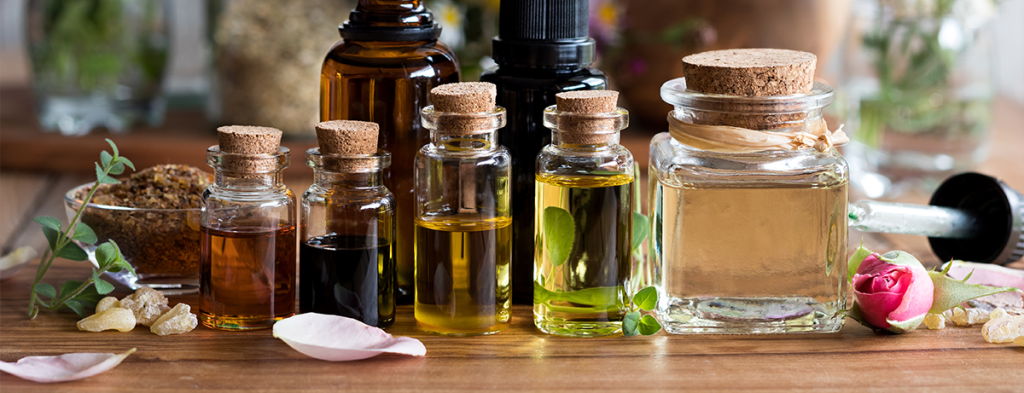
Imagine having a secret weapon in your skincare arsenal—something natural, effective, and aromatic. Essential oils might just be that game-changer you’ve been seeking.
These powerful oils, extracted from plants, can transform your skin care routine. They promise not only to enhance your skin’s appearance but also to elevate your mood with their delightful scents. Whether you’re battling dry skin, acne, or just looking for that radiant glow, essential oils offer solutions that are both gentle and potent.
Keep reading to discover how these oils can become your skin’s best friend and unlock the secrets to healthier, more vibrant skin.

Credit: www.amazon.com
Benefits Of Essential Oils For Skin
Essential oils offer many benefits for skin care. They come from plants and contain natural ingredients. These oils can improve skin health gently and effectively. Many people use essential oils to keep their skin soft, clear, and youthful. Their natural properties help nourish and protect the skin without harsh chemicals.
Natural Hydration Boost
Essential oils help skin stay hydrated by locking in moisture. Oils like lavender and rose can soothe dry skin. They work well to balance skin’s natural oils. This prevents dryness and keeps the skin soft all day. Using essential oils supports healthy and glowing skin naturally.
Fighting Acne And Blemishes
Some essential oils have antibacterial properties that fight acne-causing bacteria. Tea tree oil is well-known for reducing pimples and redness. These oils help clear clogged pores and calm inflammation. Using them regularly can reduce breakouts and improve skin clarity. They provide a gentle way to fight blemishes without harsh treatments.
Anti-aging Properties
Essential oils contain antioxidants that fight skin damage from free radicals. Frankincense and geranium oils help reduce fine lines and wrinkles. They improve skin elasticity and promote cell regeneration. These oils support youthful skin by slowing down signs of aging. Regular use can keep skin looking fresh and firm.
Soothing Sensitive Skin
Essential oils like chamomile and calendula calm irritation and redness. They reduce itching and discomfort caused by sensitive skin. These oils provide a natural way to soothe inflammation. Gentle on the skin, they help restore balance and comfort. Using essential oils can improve sensitive skin’s health over time.

Credit: www.amazon.com
Top Essential Oils For Glowing Skin
Your skin reflects your overall health and how well you care for it. Using essential oils can be a simple way to boost your skin’s natural glow without harsh chemicals. Some oils work better than others, so knowing which ones to use can make a big difference in your skincare routine.
Lavender Oil
Lavender oil is known for its calming scent, but it also soothes irritated skin and reduces redness. I once used it after a long day in the sun, and it helped calm my skin quickly without feeling greasy. Adding a few drops to your moisturizer can help balance your skin tone and promote healing.
Tea Tree Oil
If you struggle with acne or blemishes, tea tree oil might be your best friend. It has natural antibacterial properties that fight off the bacteria causing breakouts. Just remember to dilute it with a carrier oil, or you might irritate your skin.
Rosehip Oil
Rosehip oil is packed with vitamins A and C, which help fade scars and brighten your complexion. I noticed my skin looked smoother and more even after a few weeks of gentle nightly application. It’s lightweight and absorbs quickly, making it great for daily use.
Frankincense Oil
Frankincense oil supports skin cell regeneration and reduces the appearance of wrinkles. Using it regularly can help your skin look firmer and more youthful. Try mixing it with your favorite cream for an easy anti-aging boost.
Chamomile Oil
Chamomile oil is perfect if you have sensitive or dry skin. It calms inflammation and provides gentle hydration. I often use it after cleansing to soothe my skin and prevent redness, especially during colder months.
How To Use Essential Oils Safely
Essential oils can transform your skincare routine, but using them safely is crucial to avoid irritation or adverse reactions. Knowing how to handle these potent extracts helps you enjoy their benefits without risking your skin’s health. Let’s look at practical ways to keep your skin happy while using essential oils.
Dilution Guidelines
Essential oils are highly concentrated and should never be applied directly to your skin without dilution. A safe rule is to mix about 1-2 drops of essential oil with a teaspoon of carrier oil like jojoba, coconut, or almond oil. This reduces the risk of irritation while still delivering the oil’s benefits effectively.
If you have sensitive skin, lower the concentration even more. Always adjust based on how your skin reacts. Have you ever felt a burning sensation after applying something new? That’s your skin telling you it needs gentler care.
Patch Testing
Patch testing is a simple way to check if an essential oil suits your skin. Apply a small diluted drop on the inside of your wrist or elbow and wait 24 hours to see if redness, itching, or swelling appears. This quick test can save you from discomfort and disappointment later.
Many people skip this step, but it’s a smart precaution. Have you ever tried a product and wished you had tested it first? Don’t let curiosity cost your skin health.
Avoiding Sun Sensitivity
Some essential oils, especially citrus oils like lemon, lime, and bergamot, can make your skin more sensitive to sunlight. Using these oils before going outdoors increases the risk of sunburn or dark spots. It’s best to avoid sun exposure for at least 12 hours after applying photosensitive oils.
Consider saving these oils for nighttime skincare or ensure you apply a broad-spectrum sunscreen if you plan to be outside. How often do you think about the sun’s effect after applying skincare products?
Best Application Methods
Choosing the right way to apply essential oils makes a big difference. Mixing oils into your moisturizer or serum ensures even distribution and reduces the chance of irritation. You can also add them to bath water, but avoid hot water which can cause evaporation and reduce effectiveness.
Direct inhalation or use in a diffuser is another gentle option that benefits your skin indirectly by reducing stress and improving overall wellbeing. What method fits best into your daily routine for consistent, safe use?
Diy Essential Oil Recipes For Skin
If you want to improve your skin naturally, making your own essential oil blends can be a game-changer. DIY recipes allow you to control what goes on your skin, avoiding harsh chemicals and tailoring each mix to your unique needs. Plus, creating these blends is simple and often requires just a few ingredients you might already have at home.
Facial Serums
Facial serums packed with essential oils can hydrate and brighten your skin. Try mixing 2 tablespoons of jojoba oilwith 3 drops of lavender oiland 2 drops of frankincense oil. This blend soothes irritation and adds a natural glow.
Apply a few drops to your face after cleansing, gently massaging it in. Do you notice how your skin feels smoother after just a few uses?
Moisturizing Masks
Moisturizing masks with essential oils give your skin a deep hydration boost. Combine 1 tablespoon of honeywith 1 teaspoon of coconut oiland 2 drops of chamomile essential oil. Honey locks in moisture while chamomile calms redness.
Leave the mask on for 15 minutes before rinsing off with warm water. What changes do you see in your skin’s softness after trying this mask?
Toners And Sprays
Essential oil toners refresh and balance your skin throughout the day. Fill a spray bottle with 1 cup of distilled water, add 1 teaspoon of witch hazel, and 4 drops of tea tree oil. Tea tree oil helps fight acne-causing bacteria.
Spritz your face lightly after cleansing or whenever your skin feels dry. How often do you reach for a spray to revive your skin?
Spot Treatments
Spot treatments with essential oils target blemishes quickly and effectively. Mix 1 teaspoon of carrier oil like almond oilwith 1 drop of clove oiland 1 drop of rosemary oil. Both oils have antibacterial properties that reduce inflammation.
Apply the blend directly onto pimples using a cotton swab. Have you noticed faster healing after using a targeted spot treatment?
Common Mistakes To Avoid
Essential oils can be a fantastic addition to your skincare routine, but mistakes happen easily. These errors not only reduce the benefits but can also harm your skin. Knowing what to avoid helps you enjoy the positive effects without setbacks.
Overuse And Irritation
More oil doesn’t mean better results. Using essential oils too frequently or in large amounts can cause redness, dryness, and irritation. Have you ever felt a burning sensation after applying an oil? That’s a clear sign you need to cut back.
Listen to your skin’s reactions closely. Sometimes, less is more, especially with sensitive skin. Start with a small amount and watch how your skin responds before increasing usage.
Using Undiluted Oils
Applying essential oils directly on your skin without dilution is risky. Pure oils are highly concentrated and can cause burns or allergic reactions. Always mix them with a carrier oil like jojoba, almond, or coconut oil before use.
Think of dilution as a safety step. It protects your skin and enhances the oil’s absorption and benefits. If you’re unsure about the right ratio, a common guideline is to add 1-2 drops of essential oil per teaspoon of carrier oil.
Ignoring Allergies
Allergic reactions to essential oils can be severe, yet many skip allergy tests. You should always do a patch test on a small skin area before full application. This simple step can prevent itching, swelling, or worse.
Don’t assume a natural product is automatically safe for you. Your body might react differently to each oil. Have you ever experienced unexpected irritation from a skincare product? That’s why testing is non-negotiable.
Mixing Incompatible Oils
Not all essential oils work well together. Some combinations can cause skin sensitivity or cancel out each other’s benefits. Mixing oils without research can leave your skin worse off than before.
Check compatibility charts or consult reliable sources before blending oils. Keep a list of oils that suit your skin type and stick to those mixes. Have you tried blending oils only to find your skin reacting badly? Avoid that by planning your mixes carefully.

Credit: www.amazon.com
Choosing Quality Essential Oils
Choosing quality essential oils is crucial for your skin’s health and overall experience. Not all essential oils are created equal, and picking the right ones can make a big difference in effectiveness and safety. Let’s dive into what you should look for to ensure you get the best oils for your skincare routine.
Reading Labels
Labels tell you a lot about the essential oil’s purity and origin. Look for the botanical name (Latin name) rather than just the common name, as this confirms the exact plant used.
Check if the label mentions “100% pure” or “therapeutic grade,” but be cautious—these terms aren’t regulated, so dig deeper.
Pay attention to the extraction method. Cold-pressed or steam-distilled oils are usually better for skin use than those extracted with chemicals.
Organic Vs. Synthetic
Organic essential oils come from plants grown without pesticides or synthetic fertilizers, which is better for your skin and the environment.
Synthetic oils may smell similar but lack the complex benefits of natural oils and can irritate sensitive skin.
Ask yourself: Is the price too good to be true? If yes, it might be synthetic or diluted. Quality organic oils often cost a bit more but offer real skin benefits.
Trusted Brands
Brands with transparent sourcing and third-party testing are more reliable. They usually provide batch numbers and GC/MS (Gas Chromatography/Mass Spectrometry) reports.
I once switched from a generic brand to one that shared detailed testing results, and my skin reacted much better with no irritation.
Look for customer reviews focusing on skin results and brand reputation before making a purchase.
Storage Tips
Essential oils degrade when exposed to light, heat, and air, so store them in dark glass bottles away from sunlight.
Keep oils in a cool, dry place to maintain their potency and prevent oxidation.
Have you noticed how some oils last longer when kept in a drawer or fridge? That’s because cooler temperatures slow down deterioration.
Frequently Asked Questions
What Are The Best Essential Oils For Skin Care?
Lavender, tea tree, and rosehip oils are top for skin care. They help soothe, heal, and hydrate skin naturally. Each oil targets specific skin concerns like acne, dryness, or aging, making them versatile and effective.
How Do Essential Oils Improve Skin Health?
Essential oils contain antioxidants and anti-inflammatory compounds. They reduce redness, fight bacteria, and promote skin regeneration. Regular use can enhance skin texture, tone, and overall appearance without harsh chemicals.
Can Essential Oils Cause Skin Irritation?
Yes, some essential oils can irritate sensitive skin. Always dilute oils with a carrier oil before applying. Perform a patch test to check for allergic reactions or sensitivity.
How Should I Use Essential Oils Safely On Skin?
Dilute essential oils with carrier oils like jojoba or almond oil. Apply a small amount to a patch of skin first. Avoid direct sun exposure after applying citrus oils to prevent photosensitivity.
Conclusion
Essential oils can support healthy and glowing skin. Choose oils that suit your skin type carefully. Always test a small area before full use. Use oils with a carrier oil to avoid irritation. Natural ingredients often soothe and nourish the skin well.
Consistent care helps maintain skin’s balance and brightness. Enjoy the calming scents and benefits safely. Your skin deserves gentle and natural care every day. Explore essential oils as a simple part of your routine. Simple steps bring lasting skin comfort and health.
