
Your skin faces the sun’s rays every day, whether you realize it or not. Protecting it isn’t just about avoiding sunburn—it’s about keeping your skin healthy, glowing, and youthful for years to come.
But here’s the catch: not all skin is the same, and what works for one person might not work for you. Want to know how to shield your unique skin from damage without feeling greasy or uncomfortable? Keep reading, because these simple sun protection tips will help you enjoy the sunshine safely, no matter your skin type.
Your skin will thank you.
Importance Of Sun Protection
Protecting your skin from the sun is essential no matter your skin type. Many people think only fair skin needs protection, but everyone’s skin can suffer damage from UV rays. Even darker skin tones can experience sunburn, premature aging, and increased risk of skin cancer.
Think about the last time you spent hours outside without sunscreen. Did you notice your skin feeling tight, red, or uncomfortable afterward? These are clear signs your skin was harmed, showing how crucial sun protection really is.
Understanding Uv Damage And Its Effects
UV rays cause more than just sunburn. They penetrate deep into your skin, breaking down collagen and elastin. This leads to wrinkles, dark spots, and loss of firmness over time.
Sun damage builds up gradually. You might not see the effects immediately, but they add up year after year. Protecting your skin daily can prevent these long-term problems.
Your skin type affects how you react to sun exposure. For example, oily skin may feel heavy with some sunscreens, while dry skin needs extra moisturizing protection.
Choose products designed for your skin’s needs. Lightweight, non-comedogenic sunscreens work well for oily skin. Creamy, hydrating formulas suit dry or sensitive skin better.
The Role Of Spf And Broad-spectrum Protection
SPF measures how well a product blocks UVB rays, which cause sunburn. However, UVA rays can penetrate deeper and cause aging and cancer.
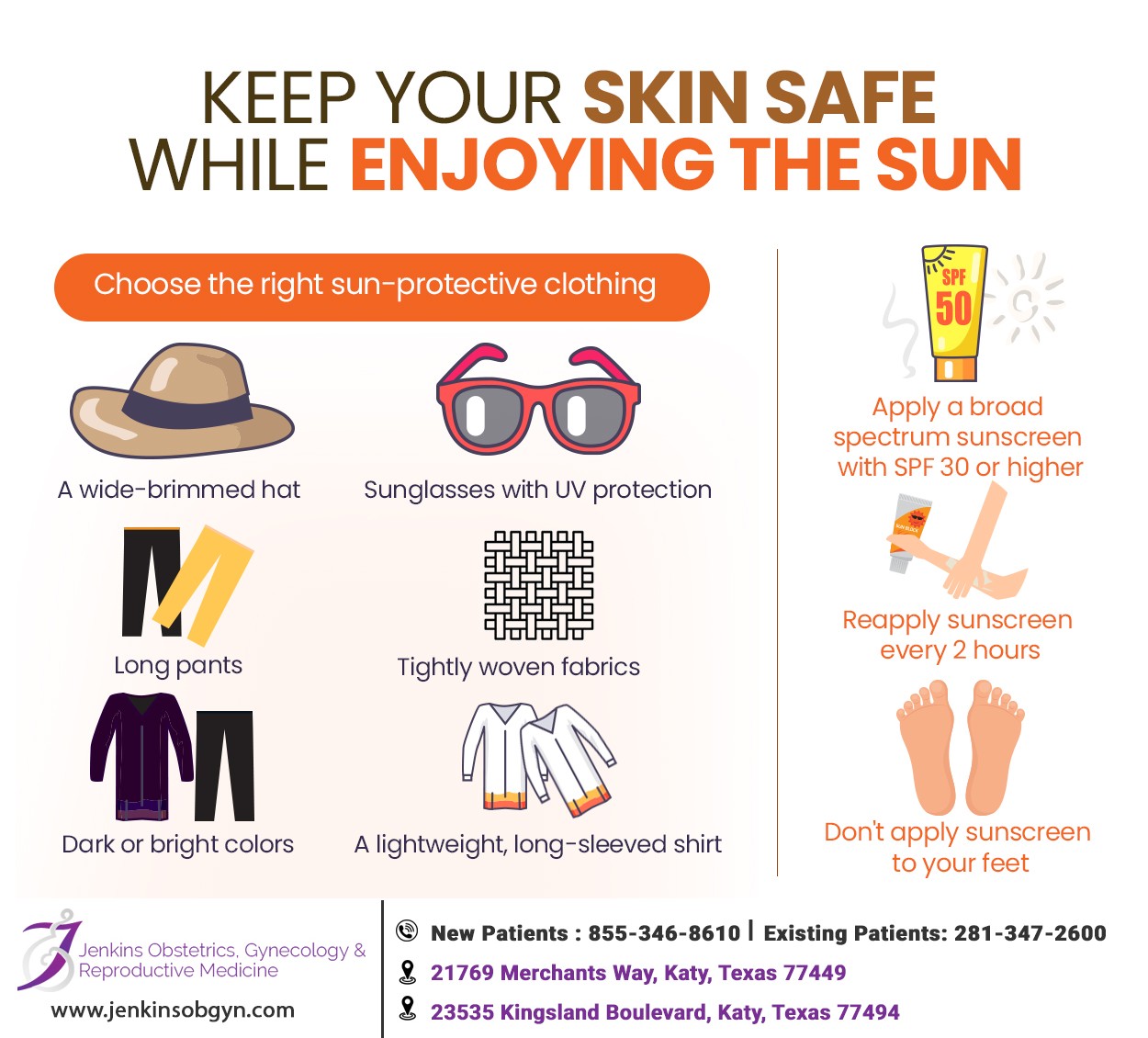
Always pick a broad-spectrum sunscreen to protect against both UVA and UVB rays. An SPF of 30 or higher is a solid choice for daily wear.
Simple Habits To Boost Your Sun Safety
- Apply sunscreen 15 minutes before going outside.
- Reapply every two hours, or more often if swimming or sweating.
- Wear hats and sunglasses for extra protection.
- Seek shade during peak sun hours, between 10 a.m. and 4 p.m.
How often do you check if your sunscreen is still working? Making these habits part of your routine can make a big difference in how your skin ages and stays healthy.
Credit: x.com
Types Of Harmful Sun Rays
Understanding the types of harmful sun rays is essential to protect your skin effectively. Not all rays affect your skin in the same way, and knowing the differences helps you choose the right protection. Let’s break down the main types of sun rays you should be aware of.
Uva Rays
UVA rays penetrate deep into your skin and are primarily responsible for premature aging, such as wrinkles and sunspots. They are present throughout the day and can pass through windows, so sun protection is necessary even indoors. Have you ever noticed your skin feeling dry or dull after being near a window for a while? That’s UVA rays at work.
Uvb Rays
UVB rays mainly affect the surface of your skin and cause sunburn. They are stronger during midday and vary with the season and location. If you’ve ever gotten a painful sunburn on a sunny afternoon, UVB rays are the likely culprit. Protecting yourself during peak hours is crucial to avoid damage.
Uvc Rays
UVC rays are the most dangerous but luckily, they don’t reach the Earth’s surface due to the ozone layer. However, they can be emitted by artificial sources like welding torches or certain lamps. Are you aware of any equipment or devices around you that might expose your skin to UVC rays? Taking precautions in such environments is important.
Infrared Rays
Though not part of the UV spectrum, infrared rays carry heat and can contribute to skin damage indirectly by causing inflammation. They penetrate deeper than UV rays and add to skin aging and discomfort. Have you felt your skin heating up under the sun even with sunscreen on? Infrared rays could be the reason.
Choosing The Right Sunscreen
Choosing the right sunscreen is key to protecting your skin from harmful sun rays. Different sunscreens offer different types of protection. Picking one that fits your skin type and daily activities helps keep your skin safe and healthy.
Spf Levels And What They Mean
SPF stands for Sun Protection Factor. It measures how well sunscreen blocks UVB rays. UVB rays cause sunburn and skin damage. Higher SPF means more protection.
- SPF 15 blocks about 93% of UVB rays
- SPF 30 blocks about 97% of UVB rays
- SPF 50 blocks about 98% of UVB rays
Choose at least SPF 30 for everyday use. Reapply every two hours, especially after swimming or sweating.
Physical Vs Chemical Sunscreens
Physical sunscreens use minerals like zinc oxide or titanium dioxide. They sit on top of the skin and reflect UV rays. These are gentle and good for sensitive skin.
Chemical sunscreens absorb UV rays and turn them into heat. Common ingredients include avobenzone and oxybenzone. They feel lighter but may irritate some skin types.
Pick the type that suits your skin and comfort.
Broad-spectrum Protection
Broad-spectrum sunscreens protect against both UVA and UVB rays. UVA rays cause aging and long-term skin damage. UVB rays cause burns.
Use only broad-spectrum sunscreens for full protection. Check the label to make sure it says “broad-spectrum.” This helps prevent skin cancer and premature aging.

Credit: www.freepik.com
Sun Protection For Different Skin Types
Protecting your skin from the sun is essential, but your approach should match your skin type. Different skin types react uniquely to sun exposure and products. Understanding these differences helps you choose the right sunscreen and skincare routine that keeps your skin healthy and glowing.
Oily And Acne-prone Skin
If your skin tends to be oily or prone to acne, choosing the right sun protection can be tricky. Heavy creams might clog pores and cause breakouts, so look for oil-free, non-comedogenic sunscreens. Gel-based or water-based formulas work well because they feel lighter and absorb quickly.
Have you noticed some sunscreens make your skin feel greasy or trigger pimples? Switching to mineral-based sunscreens with zinc oxide or titanium dioxide can reduce irritation and shine. Don’t forget to cleanse your face thoroughly after a day in the sun to remove any residue that could worsen acne.
Dry And Sensitive Skin
Dry and sensitive skin needs extra care to avoid irritation from sun exposure. Choose sunscreens with added moisturizers like hyaluronic acid or ceramides to keep your skin hydrated. Physical sunscreens with gentle ingredients often cause less redness and stinging.
Do you find your skin feeling tight or flaky after applying sunscreen? Applying a lightweight, fragrance-free moisturizer before your sunscreen can create a smooth base and reduce discomfort. Reapplying sunscreen frequently is crucial since dry skin can get damaged faster by UV rays.
Combination Skin
Combination skin can be challenging because some areas are oily while others are dry. You might need different products or techniques for different zones. Using a lightweight sunscreen on oily areasand a richer formula on dry patches can balance protection without feeling heavy.
Have you ever applied sunscreen and noticed some parts of your face felt greasy while others were tight? Try applying sunscreen in thin layers and use blotting papers or mattifying powders during the day to control shine. This approach keeps your skin comfortable and protected all day long.
Dark Skin Tones
People with darker skin tones often think they don’t need sun protection, but UV damage can still cause harm. Look for sunscreens that don’t leave a white cast or ashy residue, which can be frustrating to wear. Tinted sunscreens are a great option because they blend better and protect against visible light, which can worsen pigmentation.
Have you experienced sunspots or uneven skin tone despite having dark skin? Daily use of broad-spectrum sunscreen can prevent further discoloration and protect your skin’s natural beauty. Remember, sun protection is for every skin color, and the right product can make a big difference.
Additional Protective Measures
Sun protection goes beyond sunscreen. Extra steps help shield your skin better. These measures work for every skin type. They lower risks of sunburn and skin damage. Use them every day for stronger defense.
Protective Clothing And Accessories
Clothing blocks harmful UV rays. Choose long sleeves and pants made from tight weaves. Hats with wide brims protect your face and neck. Sunglasses with UV protection guard your eyes. Look for labels that say “UV protection” or “UPF.” Darker colors usually block more sun. Lightweight fabrics keep you cool and safe.
Seeking Shade And Timing
Shade reduces direct sun exposure. Stay under trees, umbrellas, or canopies during peak hours. The sun is strongest between 10 a.m. and 4 p.m. Plan outdoor activities outside these times. This limits skin damage and sunburn chances. Shade offers a simple, natural way to stay safe.
Hydration And Skin Care
Drink plenty of water to keep skin hydrated. Sun exposure can dry out skin quickly. Use gentle moisturizers after sun exposure. They help restore moisture and soothe skin. Avoid harsh soaps that strip natural oils. Hydrated skin stays healthy and resists damage better.

Credit: www.clinikally.com
Common Mistakes To Avoid
Even if you use sunscreen daily, some common mistakes can reduce its effectiveness and leave your skin vulnerable. These errors often go unnoticed but can make a big difference in how well you protect yourself from the sun’s harmful rays.
Have you ever thought your sunscreen was working perfectly, only to end up with a sunburn? Understanding what not to do can help you avoid this frustrating situation and keep your skin healthy.
Not Applying Enough Sunscreen
Many people apply too little sunscreen, thinking a small amount will do the job. The recommended amount is about one ounce—enough to fill a shot glass—to cover your entire body. Applying less leaves your skin exposed to UV damage.
Skipping Reapplication Throughout The Day
Sunscreen wears off, especially if you sweat or swim. Reapplying every two hours is crucial, even on cloudy days. Have you noticed your sunscreen disappearing after a swim? That’s why topping up is essential.
Ignoring Areas Like Ears, Neck, And Lips
It’s easy to miss sensitive spots such as your ears, neck, and lips. These areas get just as much sun but often don’t get enough protection. Applying lip balm with SPF and covering your neck can prevent unexpected burns.
Using Expired Or Low-quality Sunscreens
Sunscreens lose their effectiveness over time. Using expired products can give you a false sense of security. Choosing a broad-spectrum sunscreen from a trusted brand ensures you get reliable protection.
Relying Solely On Sunscreen
Sunscreen is important but not the only tool you should use. Wearing hats, sunglasses, and protective clothing adds extra defense. Do you step outside thinking sunscreen alone will shield you? Combining methods works better.
Sun Protection Myths Debunked
Many people have wrong ideas about sun protection. These myths can cause harm and reduce skin safety. Clearing up these myths helps everyone protect their skin better. Here are some common sun protection myths and the truth behind them.
Dark Skin Does Not Need Sunscreen
Dark skin has more melanin, which offers some protection. It does not block all harmful UV rays. Everyone, no matter skin color, needs sunscreen daily. Sun damage can cause aging and skin cancer in all skin types.
Sunscreen Is Only Needed On Sunny Days
UV rays can reach your skin even on cloudy days. Clouds block some sunlight but not UV rays. Sunscreen should be worn every day, rain or shine. This keeps skin safe from hidden sun damage.
Higher Spf Means You Can Stay Longer In The Sun
SPF shows how much sunburn protection sunscreen gives. Higher SPF blocks more UVB rays but does not mean unlimited sun time. Sunscreen needs to be reapplied every two hours. It also washes off with sweat and water.
Tanning Beds Are A Safe Way To Tan
Tanning beds emit UV rays that can harm skin. They increase the risk of skin cancer and premature aging. No tan from UV rays is safe. Using sunscreen and protective clothing is better than tanning beds.
Sunscreen Is Only For The Beach
Sun exposure happens everywhere, not just at the beach. Walking, driving, or sitting outside can expose skin to UV rays. Sunscreen protects against all outdoor sun exposure. Use it anytime you go outside.
Frequently Asked Questions
What Is The Best Sunscreen For All Skin Types?
Choose a broad-spectrum sunscreen with SPF 30 or higher. Look for formulas labeled “for all skin types. ” Mineral-based sunscreens with zinc oxide or titanium dioxide work well. They protect against UVA and UVB rays without irritating sensitive skin. Reapply every two hours for best protection.
How Often Should I Reapply Sunscreen Daily?
Reapply sunscreen every two hours when outdoors. If swimming or sweating, reapply more often. Sunscreen loses effectiveness over time, so regular application is essential. Even on cloudy days, UV rays can harm your skin. Proper reapplication keeps your skin protected all day.
Can Oily Skin Benefit From Sun Protection?
Yes, oily skin needs sun protection too. Use a lightweight, oil-free, non-comedogenic sunscreen. Gel or water-based formulas help control shine and prevent breakouts. Sun exposure worsens oiliness and causes damage. Protect oily skin with proper sunscreen daily.
Are Tinted Sunscreens Better For Sensitive Skin?
Tinted sunscreens are excellent for sensitive skin. They contain iron oxides that block visible light and reduce irritation. Tinted options also provide added protection against pigmentation. Choose fragrance-free, hypoallergenic formulas. This helps soothe and protect sensitive skin from sun damage.
Conclusion
Sun protection is crucial for everyone. Different skin types need specific care. Always choose sunscreen that suits your skin. Reapply every two hours for best protection. Wear hats and sunglasses to shield your face and eyes. Stay in the shade during peak sun hours.
Hydrate your skin to maintain its health. Use protective clothing for added safety. Remember, consistent care leads to healthier skin. Stay sun-smart all year round. Your skin will thank you!
