
Your skin works hard all day, facing dirt, pollution, and stress. That’s why your skincare night routine is so important—it’s your skin’s chance to heal and refresh while you sleep.
But how do you create a routine that truly makes a difference? You’ll discover simple steps that fit into your evening, helping you wake up with glowing, healthier skin. Ready to transform your nights and see real results? Keep reading to unlock the secrets to an easy and effective skincare night routine.
Benefits Of A Night Routine
Following a skincare night routine brings many benefits to your skin. It helps your skin heal and recover after a long day. Your skin also stays fresh and healthy. Night routines keep your skin smooth and young. They give your face a natural glow that lasts.
Skin Repair During Sleep
Sleep is the best time for skin repair. Your skin cells grow and fix damage. The night routine supports this natural process. Cleansing removes dirt and oil from pores. Moisturizers and serums help skin stay hydrated and calm. This boosts the skin’s ability to renew itself.
Preventing Early Aging
Night routines reduce signs of aging. Using products with antioxidants fights free radicals. These cause wrinkles and fine lines. Hydrating skin keeps it elastic and firm. Regular care slows down skin aging. It keeps your skin looking youthful longer.
Boosting Radiance Overnight
Night care improves skin brightness by morning. Ingredients like vitamin C brighten dull skin. Exfoliating gently removes dead skin cells. This reveals fresh, glowing skin underneath. Proper hydration plumps skin and smooths texture. Waking up to radiant skin feels great.

Credit: www.bellinispdx.com
Cleansing Techniques
Cleansing is the first and most important step in a skincare night routine. It removes dirt, oil, and impurities from the skin. Proper cleansing helps the skin breathe and absorb other products better. Using the right techniques ensures your skin stays healthy and glowing.
Choosing The Right Cleanser
Select a cleanser based on your skin type. For dry skin, use creamy or hydrating cleansers. Oily skin benefits from gel or foaming cleansers. Sensitive skin needs gentle, fragrance-free formulas. Always check the ingredients for irritants. A good cleanser cleans without stripping natural oils.
Double Cleansing Method
Double cleansing involves two steps. First, use an oil-based cleanser to dissolve makeup and sunscreen. Next, follow with a water-based cleanser to remove sweat and dirt. This method ensures deep cleaning without harsh rubbing. It prepares skin well for the next skincare steps.
Removing Makeup Effectively
Makeup can block pores and cause breakouts. Start by using a makeup remover or cleansing balm. Focus on areas with heavy makeup like eyes and lips. Use gentle motions to avoid skin irritation. After removing makeup, rinse your face with lukewarm water. This helps remove leftover residue and refreshes the skin.
Exfoliation Tips
Exfoliation is a key step in your skincare night routine that can transform your skin’s texture and glow. It removes dead skin cells, unclogs pores, and preps your skin to absorb other products better. But knowing how to exfoliate properly is essential to avoid irritation and achieve the best results.
Chemical Vs Physical Exfoliants
Choosing between chemical and physical exfoliants depends on your skin’s needs and sensitivity. Chemical exfoliants use acids like AHAs (glycolic acid) or BHAs (salicylic acid) to gently dissolve dead skin cells without scrubbing. Physical exfoliants rely on small grains or beads to manually slough off dead skin, which can be harsh if overused or too abrasive.
I once switched from a gritty scrub to a gentle chemical exfoliant and noticed less redness and smoother skin within weeks. Think about how your skin reacts after exfoliation—does it feel smooth or raw? That can help you decide which type suits you best.
Frequency For Different Skin Types
How often you exfoliate should match your skin type and tolerance. Oily and acne-prone skin can handle exfoliation 2-3 times a week, while dry or sensitive skin benefits from just once a week or every other week. Normal skin types fall somewhere in the middle.
Pay attention to how your skin feels the day after exfoliating. If it’s tight or flaky, you might be exfoliating too often. Adjust your routine by spacing out sessions or choosing a milder product until your skin feels balanced.
Avoiding Over-exfoliation
Over-exfoliating can strip your skin’s natural oils and cause irritation, redness, or even breakouts. Signs like persistent dryness, peeling, or sensitivity mean you should cut back immediately. Give your skin time to recover by skipping exfoliation for a few days and applying soothing, hydrating products.
Ask yourself: Are you exfoliating because your skin needs it or just out of habit? Sometimes less is more, and listening to your skin’s signals can prevent damage. Remember, healthy skin shines with gentle care, not harsh treatment.
Credit: colairbeautylounge.com
Hydrating Essentials
Hydrating your skin at night is more than just a routine—it’s a chance to restore and strengthen your skin’s natural barrier. Choosing the right products can make a big difference in how your skin looks and feels by morning. Let’s focus on the essentials that keep your skin deeply hydrated while you sleep.
Serums For Deep Moisture
Serums are lightweight but packed with concentrated ingredients that target hydration at a deeper level. Look for serums containing hyaluronic acid or glycerin—they attract moisture and hold it in your skin.
I remember switching to a hyaluronic acid serum and waking up with noticeably plumper skin. It felt like my face was drinking water overnight. Would you be surprised how a small change like this can transform your skin?
Using Toners Correctly
Toners often get overlooked, but they play a key role in hydration. Use an alcohol-free toner to balance your skin’s pH and prepare it for the next steps in your routine.
Apply toner with a cotton pad or your hands, gently pressing it into your skin. This helps lock in moisture rather than wiping it away. Have you tried skipping toner and noticed your skin feeling tight or dry?
Night Cream Benefits
Night creams provide a thicker layer of moisture and repair ingredients that work while your skin is at rest. They often contain nourishing oils, peptides, or ceramides that rebuild your skin’s barrier.
After using a rich night cream, my skin felt softer and more resilient each morning. It’s like giving your skin a protective shield before bed. What kind of night cream does your skin respond to best?
Targeted Treatments
Targeted treatments are the powerhouse of any skincare night routine. They focus on specific skin concerns, delivering active ingredients where your skin needs them most. Adding these treatments can transform your skin over time, but knowing how and when to use them is key to avoiding irritation and maximizing results.
Retinol For Skin Renewal
Retinol is a popular choice for renewing your skin’s texture and tone. It speeds up cell turnover, which helps fade fine lines, smooth rough patches, and clear clogged pores. If you’re new to retinol, start with a low concentration and use it every other night to see how your skin reacts.
Many people worry about dryness or redness, but easing into retinol allows your skin to build tolerance. Pair it with a gentle moisturizer to keep your skin hydrated and comfortable. Have you noticed how your skin feels after a few weeks of consistent retinol use?
Spot Treatments For Blemishes
Spot treatments target pimples directly, reducing inflammation and speeding up healing. Ingredients like salicylic acid, benzoyl peroxide, or sulfur work well to shrink breakouts overnight. Apply only on the blemish to avoid drying out the surrounding skin.
Using spot treatments can be tricky if your skin is sensitive, so test a small area first. Resist the urge to over-apply; more product doesn’t mean faster results. How do you manage stubborn spots without irritating your skin further?
Antioxidants To Protect Skin
Antioxidants help protect your skin from environmental damage and support repair during the night. Ingredients such as vitamin C, vitamin E, and green tea extract neutralize free radicals that cause premature aging. Adding antioxidants can brighten your complexion and improve skin resilience.
Consider layering antioxidants under your moisturizer for better absorption. If you wake up to dull or tired skin, antioxidants might be what your routine is missing. Have you tried combining antioxidants with other treatments to boost your skin’s glow?
Lifestyle Factors
Healthy skin depends on more than just creams and serums. Lifestyle choices play a big role in how your skin looks and feels. The habits you form every day affect your skin’s ability to repair and stay glowing. Simple changes in lifestyle can improve your skincare night routine and give you better results.
Importance Of Hydration
Water keeps your skin soft and flexible. Drinking enough water flushes out toxins that cause dull skin. Hydrated skin looks plumper and has fewer wrinkles. Aim to drink at least eight glasses of water daily. Avoid sugary and caffeinated drinks that dry out your skin.
Sleep Quality And Skin
Good sleep helps your skin heal and renew itself. During sleep, skin cells repair damage from sun and pollution. Lack of sleep causes dark circles, puffiness, and dullness. Try to get seven to nine hours of sleep each night. A regular sleep schedule supports healthy skin over time.
Diet Tips For Glowing Skin
What you eat shows on your skin’s surface. Include foods rich in vitamins A, C, and E. These help protect skin from damage and boost collagen. Healthy fats from nuts, seeds, and fish keep skin moist and smooth. Cut down on sugar and processed foods to reduce inflammation and breakouts.
Common Mistakes To Avoid
Even the best skincare products won’t work if you make common mistakes in your night routine. These errors can disrupt your skin’s natural repair process and lead to issues like breakouts, dryness, or irritation. Knowing what to avoid helps you get the most out of your nightly care.
Skipping Cleansing
Not washing your face before bed is a trap many fall into, especially after a long day. Dirt, makeup, and oils build up and clog your pores, leading to dull skin and acne. Imagine going to sleep with a layer of grime on your face — how can your skin breathe and renew properly?
Make cleansing your non-negotiable step. Use a gentle cleanser that suits your skin type, and rinse thoroughly. You’ll wake up with a fresher, clearer complexion.
Using Too Many Products
It’s tempting to pile on every serum, cream, and oil you own, hoping for faster results. But layering too many products can overwhelm your skin and cause irritation or breakouts. Have you ever felt sticky or heavy after a night of overdoing it?
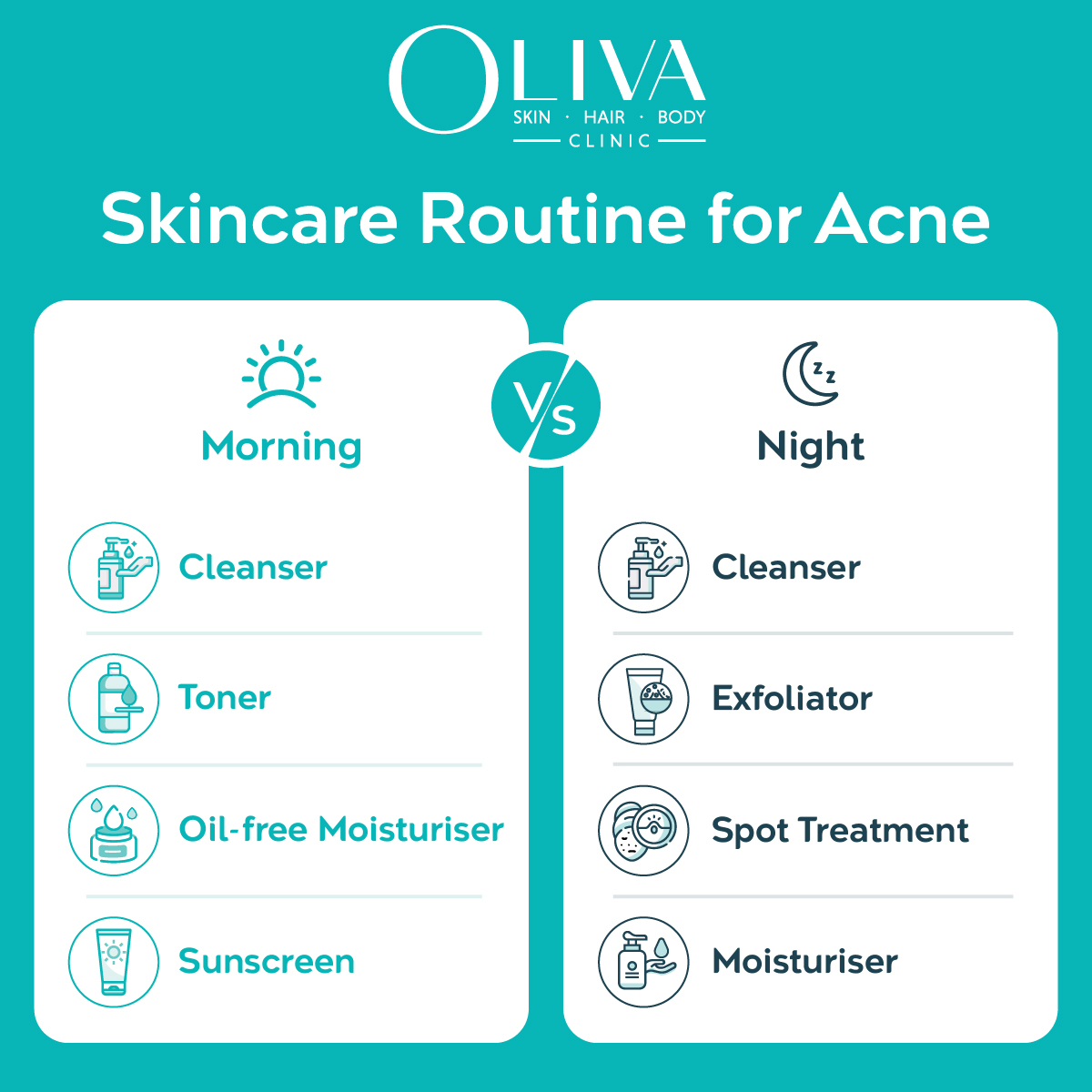
Stick to a simple routine with a few key items. Focus on quality over quantity — a cleanser, a moisturizer, and one targeted treatment are often enough. Let your skin absorb each product fully before applying the next.
Ignoring Skin Type Needs
Using products not suited for your skin type can backfire. If you have oily skin but reach for heavy creams, you might trigger more oil production or clogged pores. Dry skin treated with harsh cleansers can become flaky and tight.
Know your skin’s unique needs. Choose products labeled for your skin type, whether it’s oily, dry, combination, or sensitive. Customizing your routine makes a big difference in how your skin looks and feels.
Credit: www.olivaclinic.com
Frequently Asked Questions
What Is The Best Time For A Skincare Night Routine?
The best time for a skincare night routine is right before bed. This allows your skin to absorb products overnight for better repair and hydration.
How Many Steps Are In A Typical Night Skincare Routine?
A typical night skincare routine has 4 to 6 steps. These include cleansing, toning, applying serums, moisturizing, and sometimes exfoliating or treating specific concerns.
Why Is Cleansing Important In A Night Skincare Routine?
Cleansing removes dirt, makeup, and pollutants from your skin. It prevents clogged pores and prepares your skin to absorb other products effectively.
Can I Skip Moisturizer In My Night Routine?
Skipping moisturizer can leave skin dry and flaky. Moisturizer locks in hydration and supports skin repair overnight for a healthy complexion.
Conclusion
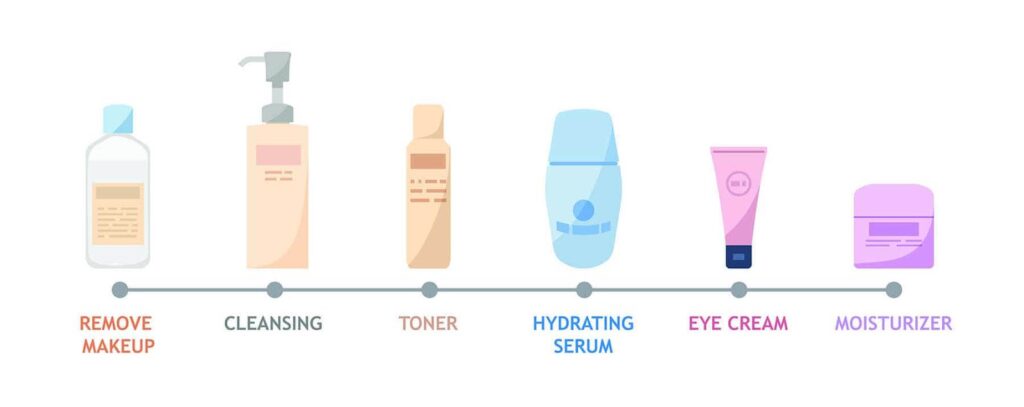
A good night routine helps your skin feel fresh and healthy. Cleanse your face to remove dirt and makeup. Use a gentle toner to balance your skin. Moisturize to keep your skin soft and hydrated. Don’t forget an eye cream to reduce puffiness.
Consistency is key for great results. A simple routine can make a big difference. Enjoy softer, clearer skin with these easy steps. Start tonight and see the benefits soon. Sleep well, knowing your skin is cared for. Your skin will thank you in the morning.
