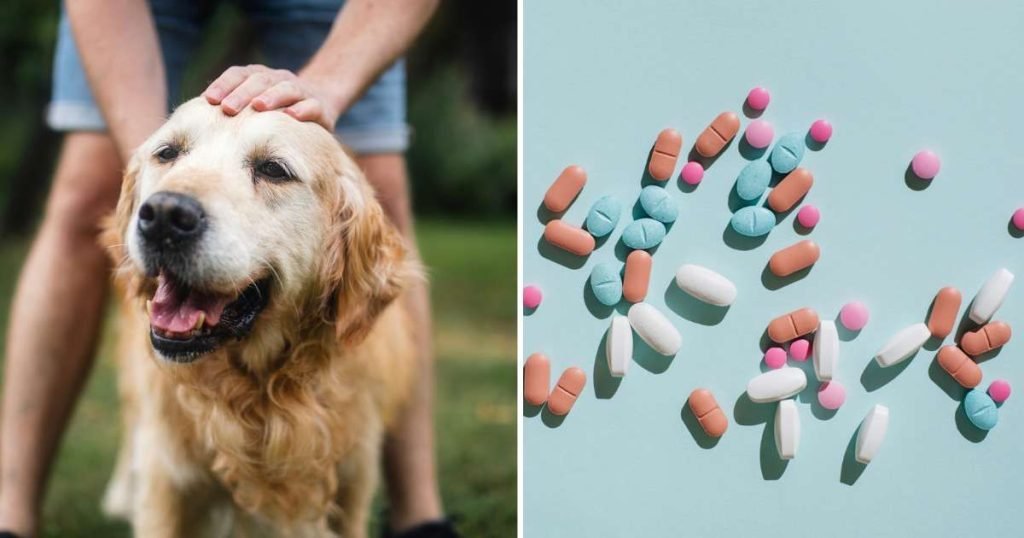
Imagine if you could help your beloved furry friend stay youthful, active, and healthy for many more years. That’s the promise of a groundbreaking development in veterinary medicine: the dog anti-aging drug.
As a pet owner, you understand the deep bond shared with your dog, and the thought of prolonging their happy, energetic days is incredibly appealing. This innovative solution aims to slow down the aging process, giving your dog a chance to enjoy life to the fullest for longer.
Curious about how this works and what it means for you and your pet? Read on to discover the science behind the dog anti-aging drug and how it might transform your dog’s life—and yours.

Credit: www.youtube.com
Rise Of Dog Anti Aging Drugs
Dogs age faster than humans, making their health a top concern for many owners. New drugs aim to slow down aging effects in dogs. These medicines focus on improving life quality and extending healthy years. The rise of dog anti aging drugs shows promise for pet care.
Researchers and veterinarians have started exploring how to reduce age-related decline in dogs. This field is growing with new discoveries and better formulas. Many pet owners hope these drugs will help their dogs live longer and feel better.
Early Research And Discoveries
Scientists began studying dog aging by looking at cells and genes. They found ways to slow cell damage and improve repair. Early studies used natural compounds known for health benefits. Some drugs tested showed positive effects on dog energy and mobility.
Research also explored how aging affects organs like the heart and kidneys. Understanding these changes helped create drugs targeting specific problems. Trials on older dogs showed improvements in activity and alertness. These findings laid the groundwork for anti aging treatments.
Key Ingredients And Formulations
Many dog anti aging drugs use antioxidants to fight cell damage. Ingredients like vitamins C and E are common for their protective effects. Other formulas include omega-3 fatty acids to support brain and joint health.
Some drugs contain natural extracts from plants known for anti aging. These include green tea and turmeric for their anti-inflammatory benefits. Formulations often combine several ingredients for better results.
- Antioxidants to reduce oxidative stress
- Omega-3 fatty acids for brain and joint support
- Natural plant extracts to lower inflammation
- Vitamins to boost immune function
Drug makers carefully test dosages to ensure safety and effectiveness. These combinations aim to slow aging signs and improve dog vitality. New formulas continue to evolve as research progresses.
How Anti Aging Drugs Work
Anti aging drugs for dogs aim to slow down the natural aging process. These drugs target key areas in the body to help maintain health and vitality. Understanding how they work helps pet owners make informed choices for their dogs’ care.
Cellular Repair Mechanisms
These drugs boost the body’s ability to fix damaged cells. Aging causes cells to lose function and accumulate errors. Anti aging drugs help cells repair DNA and clear harmful waste. This supports healthier cell function and extends their lifespan. Improved cellular repair can enhance energy and reduce signs of aging in dogs.
Impact On Canine Immune System
The immune system weakens with age, making dogs prone to illness. Anti aging drugs help strengthen immune responses. They promote the production of healthy immune cells. This allows dogs to better fight infections and inflammation. A stronger immune system supports overall health and longevity in aging dogs.
Benefits Of Anti Aging Drugs For Dogs
Anti aging drugs for dogs offer more than just the promise of a longer life. They can significantly improve your dog’s daily experience, helping them stay active, sharp, and joyful as they grow older. Understanding these benefits can help you make informed choices for your furry friend’s health and happiness.
Extended Lifespan
Anti aging drugs can help extend your dog’s lifespan by targeting the root causes of aging at the cellular level. These medications often reduce oxidative stress and inflammation, which are major contributors to age-related diseases.
Imagine having extra years with your loyal companion. These drugs don’t just add days; they add quality time you can cherish together.
Improved Mobility And Vitality
Many aging dogs suffer from joint pain and decreased energy. Anti aging drugs can help improve cartilage health and muscle strength, making movement easier and less painful.
You might notice your dog wanting to play fetch again or take longer walks. This boost in vitality can make daily activities more enjoyable for both of you.
Enhanced Cognitive Function
Cognitive decline is common in senior dogs, leading to confusion and anxiety. Anti aging drugs support brain health by promoting neuron protection and improving blood flow.
Have you seen your dog’s spark fade? These drugs can help bring back mental sharpness, helping your dog stay alert and engaged with their surroundings.
Popular Anti Aging Drugs In The Market
Finding the right anti aging drug for your dog can feel overwhelming. The market offers a variety of options, each with its own benefits and considerations. Understanding what’s available helps you make informed choices that suit your dog’s health and lifestyle.
Fda Approved Options
FDA approved anti aging drugs for dogs focus on improving overall vitality and managing age-related conditions. These medications have undergone rigorous testing to ensure safety and effectiveness.
- Selegiline (Anipryl): Often prescribed to treat cognitive decline in senior dogs, this drug helps enhance brain function and delay symptoms of canine dementia.
- Rapamycin: Though primarily used in research, Rapamycin shows promise in extending lifespan and improving age-related health markers in dogs.
Using FDA approved drugs means you have access to treatments backed by scientific evidence. Have you discussed these options with your vet to see if they fit your dog’s needs?
Natural And Alternative Remedies
Some dog owners prefer natural or alternative methods to support their pets’ aging process. These remedies often focus on nutrition and holistic care rather than pharmaceuticals.
- Omega-3 Fatty Acids: Found in fish oil, these help reduce inflammation and support brain health.
- Antioxidant Supplements: Ingredients like Vitamin E and C can combat oxidative stress that accelerates aging.
- Herbal Extracts: Compounds such as turmeric or ginkgo biloba are believed to improve cognitive function and joint health.
Natural remedies can be a gentle way to enhance your dog’s quality of life. How do you balance natural care with conventional medicine for your dog?
Potential Risks And Side Effects
Considering a dog anti-aging drug for your furry friend? It’s important to weigh not just the benefits but also the potential risks and side effects. Understanding these can help you make safer choices and catch warning signs early.
Common Adverse Reactions
Many dogs experience mild side effects when starting anti-aging medications. These often include:
- Upset stomach or vomiting
- Diarrhea or changes in bowel movements
- Fatigue or lethargy
- Loss of appetite
Some dogs might also show skin reactions like itching or redness. If your dog shows any of these signs, monitor closely and consult your vet promptly.
Have you noticed any subtle behavior changes in your pet after starting a new treatment? Sometimes these early signals can be crucial.
Long-term Safety Concerns
While short-term effects are easier to spot, long-term safety remains less clear. Many anti-aging drugs for dogs lack extensive studies on prolonged use.
Potential risks include impacts on liver and kidney function. These organs process medications, and over time, they can become stressed or damaged.
Regular blood tests can catch these issues early, so ask your vet how often your dog should be tested. Also, think about how the drug might interact with other medications your dog is taking.
What’s your plan if your dog shows signs of chronic side effects? Preparing for this can make a big difference in managing your pet’s health over time.
Veterinarian Perspectives
Veterinarians play a key role in evaluating dog anti-aging drugs. Their views help pet owners understand the benefits and risks. These experts rely on scientific evidence and practical experience. They focus on how these drugs affect dog health and quality of life. Veterinary insights guide safe and effective use of anti-aging treatments for dogs.
Clinical Trials And Results
Veterinarians review clinical trials to assess drug safety and effectiveness. Trials often involve different dog breeds and ages. They measure factors like mobility, cognitive function, and overall vitality.
- Improved joint movement reported in many studies
- Some drugs showed enhanced mental alertness in older dogs
- Side effects were generally mild and rare
Data from trials helps vets decide which drugs to recommend. They also watch for long-term effects before approving regular use.
Expert Recommendations
Veterinarians advise using anti-aging drugs as part of a full care plan. This includes balanced diet, exercise, and regular health check-ups. Experts stress starting treatment early for better results. They suggest monitoring dogs closely during drug use.
- Consult your vet before starting any anti-aging drug
- Follow dosage instructions carefully
- Report any unusual symptoms immediately
Vets emphasize that drugs are not a cure-all. They work best combined with healthy lifestyle choices. Expert guidance ensures dogs age gracefully and comfortably.
Future Of Canine Longevity
The future of canine longevity looks promising with new advances in science and health. Researchers explore ways to help dogs live longer and healthier lives. Anti-aging drugs for dogs could change how we care for our pets. These drugs aim to slow down aging and reduce diseases linked to old age.
Better understanding of dog biology helps create treatments that target aging at the cellular level. The focus is not just on extending life but improving life quality as dogs grow older. Combining medicine with lifestyle changes may offer the best results.
Emerging Research Trends
Scientists study how aging works in dogs to find new drug targets. Some research looks at cell damage and how to repair it. Others explore genetic factors that influence lifespan. New drugs might protect cells from harm and boost repair processes.
Studies also test existing human anti-aging drugs on dogs. Results show potential benefits and safety for canine use. Research on inflammation and metabolism helps find ways to slow aging. These trends bring hope for more effective canine anti-aging treatments soon.
Integration With Nutrition And Exercise
Medicine alone cannot stop aging in dogs. Proper diet and regular exercise support healthy aging. Nutrients can improve cell function and reduce inflammation. Exercise keeps muscles strong and joints flexible.
Combining anti-aging drugs with good nutrition and activity creates a powerful approach. This balance helps dogs stay active and happy longer. Veterinarians recommend tailored plans for diet and exercise alongside any medication.
- Balanced diet rich in antioxidants
- Regular, moderate physical activity
- Routine health check-ups
- Use of approved anti-aging supplements or drugs
This integration aims to slow down signs of aging naturally and medically. It supports overall well-being and enhances lifespan in dogs.

Credit: www.goodrx.com

Credit: her.ie
Frequently Asked Questions
What Is A Dog Anti Aging Drug?
A dog anti aging drug helps slow down aging signs in dogs. It improves vitality, mobility, and overall health. These drugs target cellular aging processes to extend lifespan and quality of life.
How Does Dog Anti Aging Medication Work?
These medications work by reducing oxidative stress and inflammation. They promote cell repair and enhance immune function. This helps maintain youthful energy and reduces age-related diseases in dogs.
Are Dog Anti Aging Drugs Safe For Pets?
Most dog anti aging drugs are safe when prescribed by vets. Always follow dosage instructions carefully. Discuss your dog’s health history with a vet before starting any treatment.
Can Dog Anti Aging Drugs Extend A Dog’s Lifespan?
Yes, some anti aging drugs can extend a dog’s lifespan. They slow down cellular damage and improve organ function. However, results vary depending on the dog’s breed and health.
Conclusion
Dog anti aging drugs can help pets stay active and healthy longer. These treatments support joint health, energy, and overall well-being. Always talk to a vet before starting any new medicine. Each dog is different and needs proper care. Keeping your dog happy and comfortable matters most.
Aging is natural, but good care makes a big difference. Helping dogs enjoy their golden years is worth every effort. Simple steps today can lead to better health tomorrow. Your furry friend deserves the best life possible.
