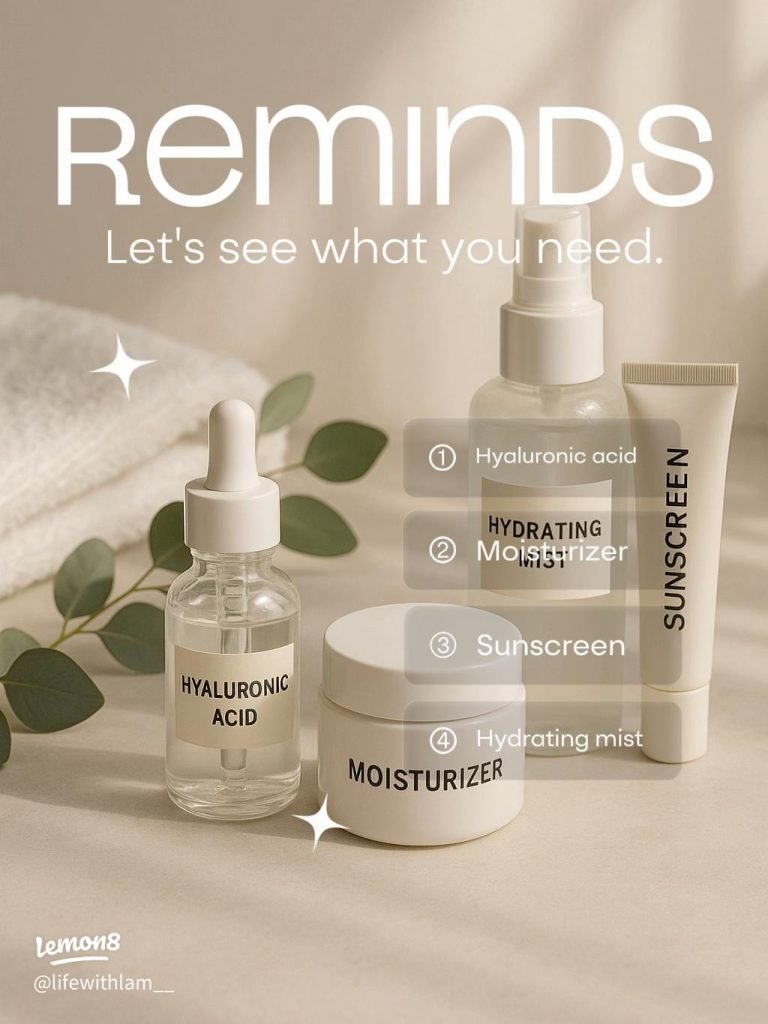
Are you looking for a simple way to boost your skin’s health and glow? A skincare routine with hyaluronic acid and niacinamide might be exactly what you need.
These two ingredients work together to hydrate, brighten, and protect your skin. Imagine waking up to a smoother, more radiant complexion every day. You’ll discover how to use them correctly and why combining these powerful ingredients can transform your skin.
Keep reading to unlock the secret to a fresh, glowing face you’ll love.

Credit: www.femalemag.com.sg
Benefits Of Hyaluronic Acid
Hyaluronic acid is a popular ingredient in skincare. It offers many benefits for healthy, glowing skin. This natural substance helps keep skin moist and soft. It works well with other skincare ingredients to improve skin texture and appearance.
Hydration Boost
Hyaluronic acid holds water inside the skin. It can hold up to 1000 times its weight in water. This helps skin stay hydrated all day long. Hydrated skin looks fresh and healthy. It also reduces dryness and flakiness.
Skin Plumping Effect
By attracting water, hyaluronic acid makes skin look fuller. This plumping effect smooths out fine lines and wrinkles. Skin feels softer and more elastic. It gives a youthful and radiant look without heavy makeup.
Suitable Skin Types
Hyaluronic acid works well for all skin types. It is gentle and non-irritating. People with dry, oily, or sensitive skin can use it safely. It helps balance moisture without clogging pores. This makes it a great choice for daily skincare routines.
Advantages Of Niacinamide
Niacinamide stands out as a powerhouse ingredient in skincare for good reason. It offers a wide range of benefits that can improve your skin’s health and appearance without harsh side effects. Whether you have sensitive, oily, or combination skin, niacinamide can work gently to enhance your routine.
Brightening Properties
One of the biggest advantages of niacinamide is its ability to brighten your skin tone. It helps reduce dark spots and uneven pigmentation caused by sun damage or acne scars.
After using niacinamide consistently, you might notice your complexion looking more radiant and even. It’s like giving your skin a fresh start without the need for strong bleaching agents.
Reducing Inflammation
Niacinamide has anti-inflammatory effects that calm irritated skin. If you experience redness or sensitivity, this ingredient can soothe and reduce those uncomfortable symptoms.
I found that adding niacinamide helped quiet my skin’s redness during flare-ups, making it easier to wear makeup or go bare-faced confidently.
Balancing Oil Production
Excess oil can cause breakouts and shine, but niacinamide helps balance this without stripping your skin. It signals your skin to produce just the right amount of oil.
This balance can reduce clogged pores and acne over time, giving you smoother, clearer skin. Have you noticed your skin feeling less greasy after adding niacinamide?
Choosing The Right Products
Choosing the right products is key to a successful skincare routine with hyaluronic acid and niacinamide. These ingredients work well together but require careful selection. Picking suitable products ensures better skin hydration and tone without irritation. Understanding product types, concentration levels, and safe combinations helps you build an effective routine.
Serums Vs Creams
Serums have a lightweight texture and absorb quickly. They deliver a high concentration of active ingredients directly to the skin. Creams are thicker and provide moisture and barrier protection. Use serums for targeted treatment and creams for hydration and sealing in moisture. Combining both can optimize benefits for different skin needs.
Concentration Levels
Hyaluronic acid usually works well between 0.5% and 2%. Higher levels hydrate deeply but may feel sticky. Niacinamide is effective around 5%, but some products have up to 10%. Start with lower concentrations to test skin tolerance. Adjust based on how your skin reacts to avoid redness or dryness.
Combining Ingredients Safely
Hyaluronic acid and niacinamide are gentle and can be used together. Avoid mixing niacinamide with vitamin C in the same layer to prevent irritation. Layer products by applying thinnest to thickest texture. Use niacinamide after cleansing, then hyaluronic acid serum, followed by moisturizer. Patch test new products to check for reactions.
Morning Skincare Routine
Starting your day with the right skincare routine sets the tone for healthy, glowing skin. Using hyaluronic acid and niacinamide in the morning can provide hydration and strengthen your skin barrier throughout the day. Let’s break down how to apply these ingredients effectively to get the best results.
Cleansing Tips
Begin with a gentle cleanser that removes impurities without stripping your skin’s natural oils. Avoid harsh scrubs that can irritate your face and make your skin sensitive.
Use lukewarm water to rinse, as hot water can dry out your skin. Pat your face dry with a soft towel instead of rubbing it.
Applying Niacinamide
After cleansing, apply a few drops of niacinamide serum onto your face. Niacinamide helps reduce redness and controls oil production, making it perfect for morning use.
Gently massage the serum into your skin and allow it to absorb fully before moving to the next step. Have you noticed how niacinamide calms your skin after a restless night?
Layering Hyaluronic Acid
Next, add hyaluronic acid serum to lock in moisture. Hyaluronic acid attracts water and keeps your skin plump and hydrated all day.
Apply it on slightly damp skin to maximize absorption. This simple step transformed my dry skin mornings into smooth, refreshed ones—what could it do for you?
Sun Protection
Never skip sunscreen in the morning. A broad-spectrum SPF shields your skin from harmful UV rays and prevents premature aging.
Choose a sunscreen that feels light and non-greasy to avoid clogging pores. Applying it as the last step ensures your niacinamide and hyaluronic acid treatments stay effective throughout the day.
Evening Skincare Routine
The evening skincare routine is your skin’s chance to recover and renew after a long day. It’s the perfect moment to repair damage, hydrate deeply, and prepare your skin for tomorrow. Using hyaluronic acid and niacinamide together at night can make a big difference in your skin’s texture and glow.
Makeup Removal
Removing makeup thoroughly is crucial before any skincare steps. Use a gentle cleanser or a micellar water to wipe away all traces of makeup and dirt. Leaving makeup on overnight can clog pores and reduce the effectiveness of your treatments.
Try double cleansing if you wear heavy or waterproof makeup: start with an oil-based cleanser, then follow with a water-based one. This ensures your skin feels clean but not stripped.
Niacinamide Application
Niacinamide is a powerhouse ingredient that helps reduce redness, minimize pores, and even out skin tone. Apply a few drops of niacinamide serum to your clean skin and gently pat it in.
It’s a calming step that supports your skin’s barrier. Have you noticed less irritation when you add niacinamide to your routine?
Using Hyaluronic Acid Overnight
Hyaluronic acid attracts moisture and keeps your skin hydrated throughout the night. After niacinamide, apply a thin layer of hyaluronic acid serum while your skin is still slightly damp.
This boosts absorption and locks in hydration. Think of it as a water magnet for your skin cells, helping them stay plump and smooth by morning.
Moisturizing Steps
Seal in all the goodness with a moisturizer suited to your skin type. If your skin is dry, choose a richer cream; if oily, a lightweight gel moisturizer works best.
Moisturizing at night prevents water loss and supports skin repair. Do you find your skin feels softer and more elastic when you don’t skip this step?
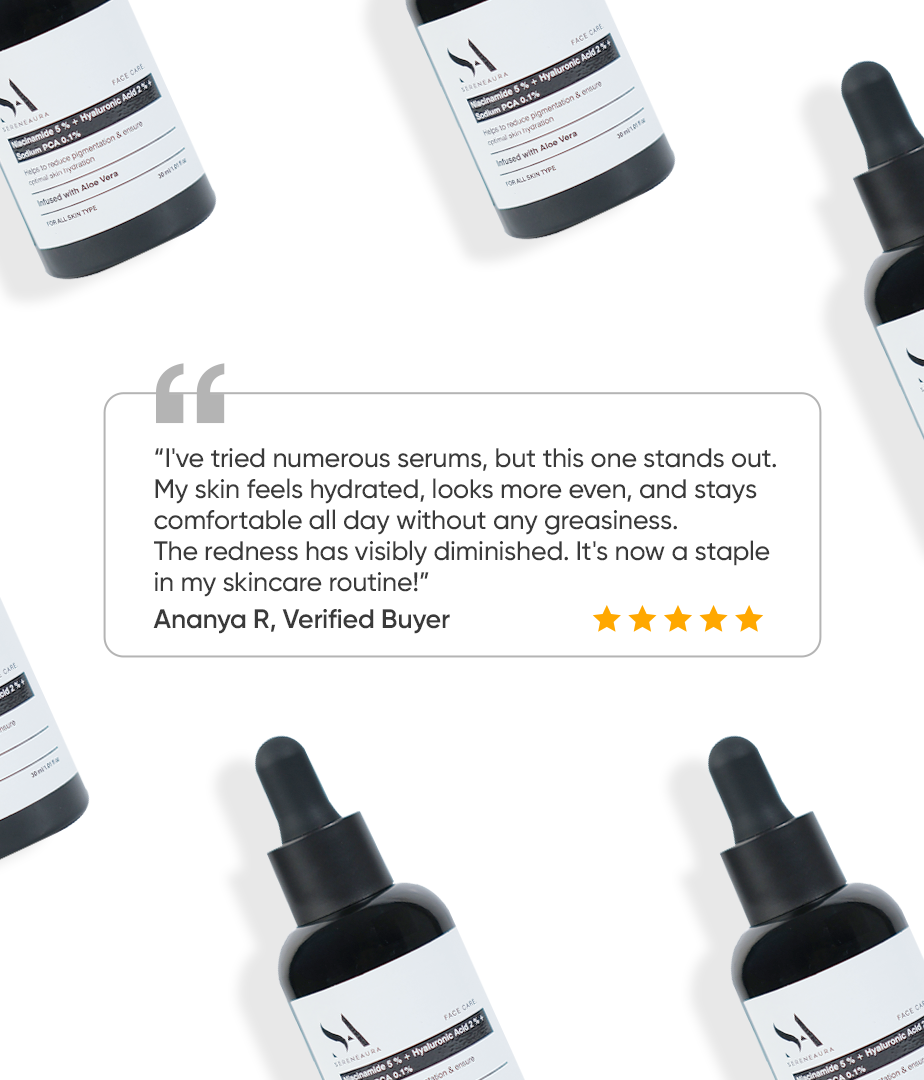
Credit: www.thesereneaura.com
Common Mistakes To Avoid
Using hyaluronic acid and niacinamide can improve skin health. Avoid mistakes that reduce their benefits. Common errors may cause irritation or poor results. Follow careful steps for best effects.
Overusing Products
Applying too much hyaluronic acid or niacinamide can overwhelm the skin. Excess can cause redness or dryness. Stick to the recommended amount on product labels. A small drop is usually enough for the face.
Mixing Incompatible Ingredients
Some ingredients do not work well with hyaluronic acid or niacinamide. Avoid using strong acids like vitamin C or exfoliants at the same time. These can reduce effectiveness or cause irritation. Use them at different times of the day.
Ignoring Skin Reactions
Watch your skin after starting new products. Redness, itching, or swelling means stop using them. Skin may need time to adjust or the product may not suit you. Always test on a small area first to avoid bad reactions.
Tips For Enhanced Glow
Enhancing your skin’s natural glow takes more than just adding hyaluronic acid and niacinamide to your routine. These ingredients work best when combined with consistent habits and care. Let’s look at practical tips that help you achieve that radiant look you want.
Consistent Routine
Using hyaluronic acid and niacinamide regularly is key. Skipping days can make your skin lose the benefits these ingredients provide. Try setting a reminder to apply your serum or moisturizer every morning and night.
Stick to the same products for at least a few weeks to see real results. Your skin needs time to adjust and respond. Have you noticed how your skin reacts when you stop using a product suddenly?
Healthy Lifestyle
What you eat and how you live affects your skin’s glow. Drinking plenty of water helps hyaluronic acid keep your skin hydrated. Eating foods rich in vitamins—like fruits and vegetables—supports niacinamide’s role in improving skin texture.
Don’t underestimate the power of sleep and stress management. Your skin repairs itself while you rest. Have you ever noticed your skin looks dull after a sleepless night?
Regular Exfoliation
Exfoliating clears away dead skin cells, allowing hyaluronic acid and niacinamide to penetrate better. Use a gentle exfoliator once or twice a week to avoid irritation. Over-exfoliating can damage your skin barrier and reduce the effectiveness of your skincare.
Choose exfoliants with mild ingredients like lactic acid or fruit enzymes. How often do you check if your exfoliation routine suits your skin type?
Credit: www.skinceuticals.com.au
Frequently Asked Questions
What Are The Benefits Of Hyaluronic Acid For Skin?
Hyaluronic acid deeply hydrates skin and retains moisture. It plumps skin, reduces fine lines, and boosts elasticity. This ingredient suits all skin types, promoting a healthy, glowing complexion without clogging pores or causing irritation.
How Does Niacinamide Improve Skin Texture?
Niacinamide strengthens the skin barrier and reduces inflammation. It minimizes pores, smooths rough texture, and evens skin tone. This powerful antioxidant also controls oil production and helps fade dark spots for a clearer, healthier complexion.
Can I Use Hyaluronic Acid And Niacinamide Together?
Yes, hyaluronic acid and niacinamide work well together. Hyaluronic acid hydrates, while niacinamide calms and repairs skin. Using both enhances moisture retention and improves skin texture without irritation, making them a perfect duo for daily skincare routines.
When Should I Apply Hyaluronic Acid And Niacinamide?
Apply niacinamide after cleansing and toning to calm skin. Follow with hyaluronic acid to lock in moisture. This sequence maximizes absorption and hydration, making your skincare routine more effective for smoother, healthier skin.
Conclusion
Achieving healthy skin with hyaluronic acid and niacinamide is simple. These ingredients hydrate and brighten your skin. They help reduce fine lines and even skin tone. Consistent use ensures visible improvements. Your skincare routine becomes effective and rewarding. Remember to patch test new products.
This prevents unwanted reactions. Always apply sunscreen during the day. This protects your skin from damage. Embrace these ingredients for glowing skin. Enjoy the benefits with regular use. A little care goes a long way. Your skin will thank you!
