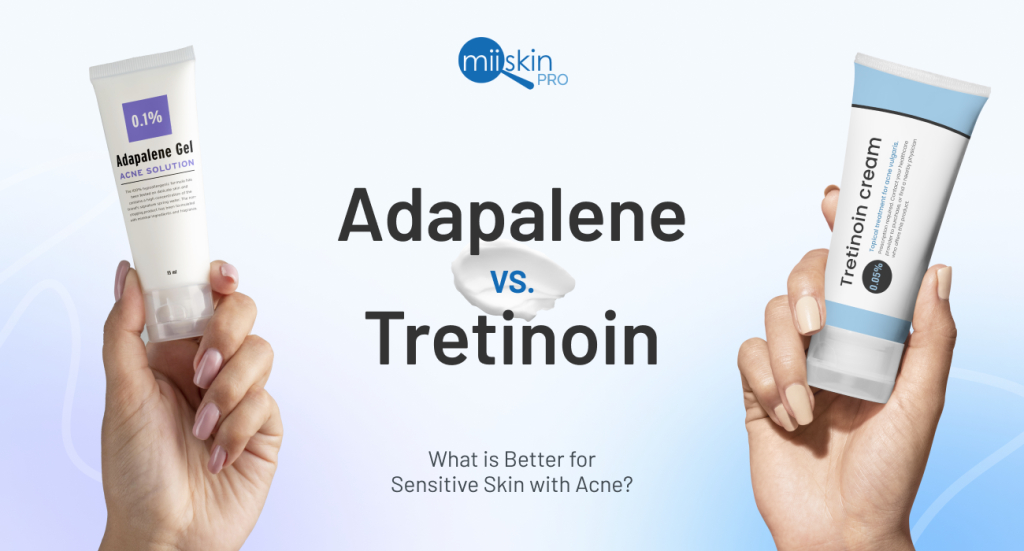
Are you curious if adapalene can help turn back the clock on your skin? You’ve probably heard about adapalene as a treatment for acne, but can it also fight signs of aging?
Imagine a product that not only clears up blemishes but also smooths wrinkles and brightens your complexion. If you want to discover how adapalene works and whether it’s the secret to youthful skin you’ve been searching for, keep reading. This could change the way you think about your skincare routine forever.
What Is Adapalene
Adapalene is a topical medication often linked to acne treatment, but it has more to offer than just clearing breakouts. Understanding what adapalene is can help you decide if it’s suitable for your skin concerns, including anti-aging.
What Is Adapalene?
Adapalene is a type of retinoid, a derivative of vitamin A. It works by affecting skin cell growth and reducing inflammation, which makes it effective in treating acne.
Unlike some other retinoids, adapalene is less irritating, so many people find it easier to use regularly. This gentle nature also opens the door to other benefits beyond acne control.
How Does Adapalene Work?
Adapalene speeds up skin cell turnover, meaning old, dead cells are shed faster, and new cells come to the surface. This process helps prevent clogged pores and smooths the skin’s texture.
It also reduces inflammation, calming redness and swelling, which is why it’s great for acne and sensitive skin alike.
What Makes Adapalene Different From Other Retinoids?
- It causes less irritation and dryness compared to tretinoin.
- Available over-the-counter in many countries, making it more accessible.
- More stable in sunlight, so it remains effective longer when exposed.
These qualities mean you can often use adapalene even if you have sensitive skin or are new to retinoids.
Is Adapalene Only For Acne?
Many people think adapalene is just for teenagers battling pimples, but its benefits extend to aging skin too. By encouraging cell renewal, it helps reduce fine lines and improves skin texture.
Have you noticed your skin looking dull or uneven? Adapalene can give your skin a fresher, more youthful appearance by promoting healthy cell turnover.

Credit: curistrelief.com
How Adapalene Works On Skin
Understanding how adapalene works on your skin can help you decide if it’s the right choice for your anti-aging routine. This topical retinoid interacts with your skin at a cellular level, encouraging processes that can improve texture and reduce signs of aging. Let’s break down the key ways adapalene affects your skin.
Cell Turnover Acceleration
Adapalene speeds up the natural process of cell turnover, which means your skin sheds old, dead cells faster and replaces them with fresh ones. This helps clear away dullness and uneven texture, revealing brighter and smoother skin. Have you noticed how your skin sometimes feels sluggish or clogged? Adapalene can give it that much-needed boost to refresh itself regularly.
Collagen Production Boost
One of the reasons your skin loses firmness over time is a drop in collagen production. Adapalene encourages your skin to produce more collagen, the protein responsible for keeping skin plump and elastic. Increasing collagen helps restore that youthful bounce, making your skin less prone to sagging and damage.
Reducing Fine Lines And Wrinkles
Fine lines and wrinkles form as your skin’s structure weakens with age. By accelerating cell renewal and boosting collagen, adapalene helps smooth out these imperfections. You might not see overnight miracles, but consistent use can lead to noticeable improvements in skin texture and firmness, reducing the appearance of wrinkles.
Anti Aging Benefits Of Adapalene
Adapalene is widely known for treating acne, but its benefits extend well into anti-aging territory. This retinoid derivative works beneath the skin’s surface to promote cell turnover and collagen production—two key players in maintaining youthful skin. If you want smoother, brighter skin with fewer signs of aging, adapalene might be worth considering.
Improving Skin Texture
Rough or uneven skin texture often makes you look older than you feel. Adapalene gently exfoliates dead skin cells, revealing fresher, smoother skin underneath. Over time, this process reduces bumps and rough patches, giving your skin a soft, refined finish that’s easy to notice.
Have you ever touched your face and felt tiny irregularities? Imagine those fading away with consistent adapalene use.
Fading Age Spots And Hyperpigmentation
Dark spots and uneven pigmentation can be stubborn reminders of sun exposure and aging. Adapalene helps speed up skin cell renewal, which gradually lightens age spots and discoloration. Unlike harsh treatments, it offers a steady, gentle way to achieve a more even skin tone without irritation.
Think about the last time you wished for clearer skin—adapalene could be the tool to address those persistent spots.
Minimizing Pores
Enlarged pores often become more visible as skin loses elasticity with age. Adapalene cleanses pores by preventing clogging and reducing inflammation, which helps shrink their appearance. Smaller pores give your skin a tighter, more youthful look that can boost your confidence.
Would you like your makeup to sit better and your skin to feel smoother? Minimizing pores with adapalene can help you get there.
Credit: miiskin.com
Scientific Studies On Adapalene And Aging
Scientific studies on adapalene and its effects on aging skin offer valuable insights for anyone curious about its anti-aging potential. Researchers have examined how adapalene influences skin cell turnover, collagen production, and wrinkle reduction. Understanding these findings helps you make informed choices about adding adapalene to your skincare routine.
Clinical Trials Evaluating Adapalene’s Impact On Skin Aging
Several clinical trials have tested adapalene’s ability to improve signs of aging, such as fine lines and uneven texture. One study showed that daily use over 12 weeks led to noticeable smoothing of wrinkles and increased skin firmness. These results suggest adapalene can be effective in addressing visible aging signs, especially when used consistently.
Adapalene’s Role In Collagen Stimulation
Collagen is crucial for maintaining skin elasticity and youthfulness. Scientific research demonstrates that adapalene promotes collagen synthesis by encouraging skin cell renewal. This boost in collagen can help reduce sagging and improve skin density, which many anti-aging products aim to achieve.
Comparison With Other Retinoids In Anti-aging Effects
Adapalene is part of the retinoid family, but how does it stack up against others like tretinoin or retinol? Studies indicate adapalene causes less irritation while still delivering significant anti-aging benefits. This makes it a practical choice if you want effective results without the harsh side effects often linked to stronger retinoids.
Potential Limitations And Side Effects Highlighted In Research
While adapalene shows promise, research also points out some limitations. Mild redness and dryness are common in the first few weeks of use, which can discourage ongoing application. Knowing these side effects helps you prepare and adjust your routine to maintain consistent use for best results.
How Research Translates To Everyday Skincare Use
The science behind adapalene encourages you to start with low concentrations and gradually increase use. This approach minimizes irritation and maximizes benefits like smoother texture and reduced wrinkles. Are you ready to try adapalene to see if it can refresh your skin’s appearance?
Comparing Adapalene With Other Retinoids
Comparing adapalene with other retinoids helps you understand its unique benefits. Retinoids are popular for skin health, especially for anti-aging. Each type works differently and suits different skin types. Knowing how adapalene compares helps choose the right product.
Adapalene Vs Retinol
Adapalene is a synthetic retinoid, made to be stable and gentle. Retinol is a natural form of vitamin A found in many skincare products.
- Adapalene penetrates the skin deeper and acts faster than retinol.
- Retinol converts to retinoic acid slowly, so results take longer.
- Adapalene causes less irritation, good for sensitive skin.
- Retinol may cause redness or peeling at first.
- Both improve skin texture and reduce fine lines.
Adapalene suits people who want quick results with less irritation. Retinol is good for beginners or mild skin concerns.
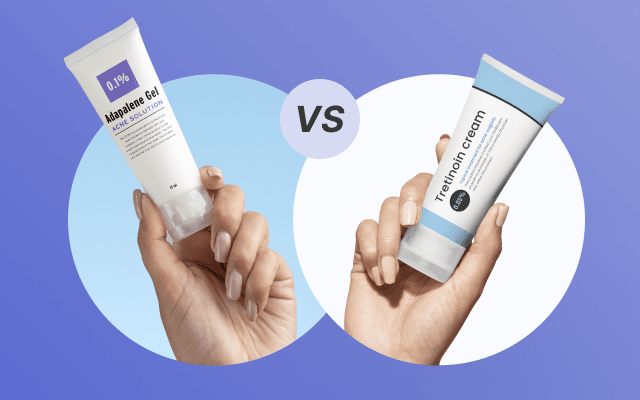
Adapalene Vs Tretinoin
Tretinoin is a strong retinoid prescribed by doctors. Adapalene is milder but still effective.
- Tretinoin shows faster anti-aging effects but can irritate skin a lot.
- Adapalene is less harsh and easier to tolerate daily.
- Both increase cell turnover and boost collagen production.
- Tretinoin often requires a doctor’s supervision.
- Adapalene is available over the counter in many places.
Adapalene balances effectiveness and skin comfort well. Tretinoin works best for severe skin aging or acne under medical care.
How To Use Adapalene For Anti Aging
Adapalene is a popular choice for anti-aging skin care. It helps reduce fine lines and smooths skin texture. Using adapalene correctly improves results and minimizes irritation. Follow clear steps to get the best from adapalene in your routine.
Application Tips
- Start with clean, dry skin before applying adapalene.
- Use a pea-sized amount for the entire face.
- Gently spread the product, avoiding eyes and lips.
- Apply at night to reduce sun sensitivity risks.
- Wait a few minutes after washing to ensure skin is dry.
Recommended Frequency
- Begin using adapalene two to three times a week.
- Increase frequency as skin builds tolerance.
- Daily use is common after several weeks of adjustment.
- Monitor skin for signs of dryness or irritation.
- Adjust use to every other night if irritation occurs.
Combining With Other Skincare Products
- Use gentle cleansers to avoid extra irritation.
- Moisturize well to combat dryness caused by adapalene.
- Avoid products with strong acids or exfoliants on the same night.
- Apply sunscreen daily to protect sensitive skin.
- Consult a dermatologist before adding new active ingredients.
Possible Side Effects And Precautions
Adapalene is often praised for its anti-aging benefits, but like any skincare product, it comes with potential side effects and precautions you should keep in mind. Understanding these will help you use adapalene safely and effectively, minimizing risks and maximizing results. Let’s break down the most common issues and who should be cautious with this treatment.
Skin Irritation
One of the most common side effects of adapalene is skin irritation. You might experience redness, dryness, or peeling, especially in the first few weeks of use.
This reaction happens because adapalene speeds up cell turnover, which can initially disrupt your skin barrier. If your skin feels tight or flaky, try using a gentle moisturizer and apply adapalene every other day until your skin adjusts.
Have you noticed irritation fading after a few weeks? That’s a good sign your skin is adapting.
Sun Sensitivity
Adapalene can make your skin more sensitive to sunlight. This increased sensitivity means you are more prone to sunburn and UV damage.
It’s crucial to apply broad-spectrum sunscreen daily when using adapalene, even on cloudy days or if you’re indoors near windows. Wearing hats or seeking shade can add extra protection.
Ask yourself: Are you consistent with sun protection? Neglecting it can undo the benefits of adapalene and harm your skin further.
Who Should Avoid Adapalene
Not everyone is a good candidate for adapalene. If you have extremely sensitive skin or certain skin conditions like eczema or rosacea, adapalene might worsen your symptoms.
Pregnant or breastfeeding women should consult their doctor before using adapalene, as safety data is limited. Also, avoid using adapalene alongside other harsh acne treatments unless advised by a dermatologist.
If you’re unsure whether adapalene suits your skin type, seeking professional advice can save you from unwanted side effects and disappointments.

Credit: www.youtube.com
User Experiences And Reviews
User experiences and reviews offer real insights into adapalene’s effects on aging skin. Many users share their journeys with this topical treatment. Their feedback helps others understand what to expect. It also highlights common benefits and possible side effects.
People often comment on how adapalene improved their skin texture and reduced fine lines. Some notice a brighter, more even complexion over time. Others mention initial dryness or peeling before seeing positive changes. These personal stories provide a balanced view of adapalene’s anti-aging potential.
Positive Effects Reported By Users
- Smoother skin with fewer wrinkles
- Reduced appearance of dark spots and discoloration
- Improved skin firmness and elasticity
- Clearer complexion with less acne-related aging
- Gradual skin renewal and glow
Common Challenges And Side Effects
- Initial dryness and flaking
- Redness or mild irritation
- Increased sensitivity to sunlight
- Need for consistent moisturizing
- Adjustment period lasting several weeks
User Tips For Best Results
- Apply moisturizer regularly to reduce dryness
- Use sunscreen daily to protect sensitive skin
- Start with a lower concentration to build tolerance
- Apply adapalene at night for better absorption
- Be patient; visible results often take weeks
Tips For Maximizing Youthful Skin
Maximizing youthful skin goes beyond just using a single product like adapalene. It requires a combination of smart habits and consistent care that supports your skin’s natural ability to stay vibrant and healthy. Let’s dive into some practical tips that can help you maintain that youthful glow every day.
Healthy Lifestyle Habits
Your skin reflects what you put into your body. Eating a balanced diet rich in antioxidants, vitamins, and healthy fats can improve skin elasticity and reduce signs of aging.
Hydration plays a key role too. Drinking enough water keeps your skin plump and helps flush out toxins that can cause dullness. Have you noticed how your skin feels after a day of eating junk food versus fresh fruits and vegetables?
Sun Protection Strategies
Sun damage is one of the biggest factors that age your skin prematurely. Using broad-spectrum sunscreen daily protects your skin from harmful UVA and UVB rays.
Don’t forget about reapplying sunscreen every two hours when you’re outdoors. Wearing hats and sunglasses adds an extra layer of defense. How often do you skip sunscreen on cloudy days?
Consistent Skincare Routine
Sticking to a routine with gentle cleansing, moisturizing, and targeted treatments like adapalene can make a big difference over time. Adapalene helps speed up skin cell turnover, reducing fine lines and improving texture.
Patience is key here—results don’t happen overnight. Have you tracked your skin’s progress after a few weeks of consistent care?
Frequently Asked Questions
What Is Adapalene Used For?
Adapalene is primarily used to treat acne. It is a topical retinoid that helps unclog pores and reduce inflammation. Additionally, it can improve skin texture and tone, making it popular for anti-aging benefits. It encourages cell turnover, which can minimize fine lines and wrinkles over time.
Does Adapalene Reduce Wrinkles?
Yes, Adapalene can reduce wrinkles. It promotes collagen production and increases cell turnover. This action helps smooth out fine lines and wrinkles. While primarily an acne treatment, its anti-aging benefits make it effective for improving skin texture and elasticity.
How Often Should I Use Adapalene?
Adapalene should be used once daily, preferably at night. Start with a small amount, applying it evenly across the affected area. Consistent nightly use can yield the best results for acne and anti-aging. However, consult with a dermatologist for personalized advice, especially if you have sensitive skin.
Can Adapalene Cause Skin Irritation?
Yes, Adapalene can cause skin irritation initially. Users may experience redness, dryness, or peeling. These effects often lessen as the skin adjusts. To minimize irritation, start with a small amount and gradually increase. Always follow with a moisturizer and use sunscreen during the day.
Conclusion
Adapalene can help improve skin texture and reduce fine lines. It works by speeding up skin cell turnover. Many people see smoother and clearer skin with regular use. Always start slowly to avoid irritation. Pair it with sunscreen to protect your skin.
Results take time, so be patient. Adapalene is a useful option for anti-aging care. Try it wisely and watch your skin improve.
