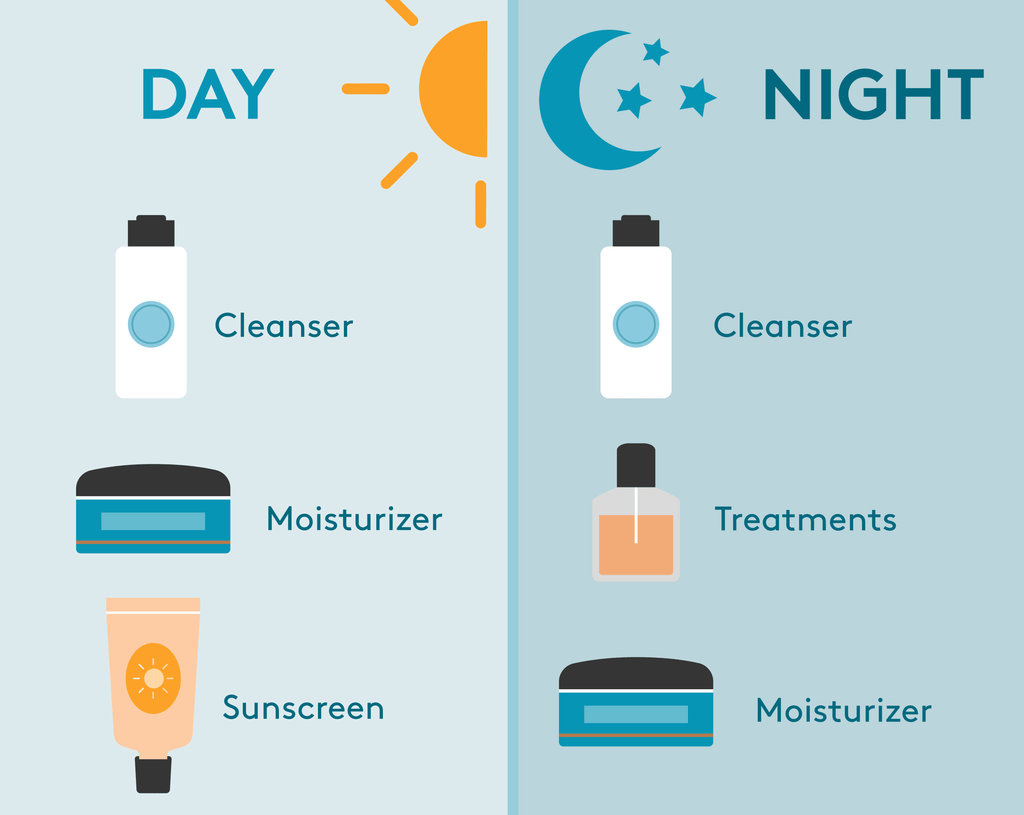
Is your skin feeling tight, flaky, or rough no matter what you try? If you have dry skin, you know how uncomfortable and frustrating it can be.
But the good news is that with the right skincare routine, you can restore softness, glow, and comfort to your skin. You’ll discover simple, effective steps tailored just for your dry skin. Keep reading, and you’ll learn how to transform your daily routine into a soothing ritual that leaves your skin feeling hydrated and healthy every single day.

Credit: andalou.com
Causes Of Dry Skin
Dry skin happens when the skin loses too much water or oil. It feels tight, rough, and may even crack. Understanding what causes dry skin helps to treat it well. Several factors can lead to dryness, from the environment to personal habits and health issues.
Environmental Factors
Cold weather makes skin dry by reducing humidity. Hot showers strip natural oils from the skin. Dry air inside homes or offices pulls moisture away. Sun exposure damages skin and causes moisture loss. Wind can also remove the skin’s protective oils.
Lifestyle Habits
Using harsh soaps removes natural skin oils. Not drinking enough water dries out the skin. Bathing too often or for too long causes dryness. Wearing rough fabrics irritates sensitive skin. Smoking reduces blood flow and dries the skin.
Skin Conditions
Eczema causes red, itchy, and dry patches on the skin. Psoriasis leads to thick, scaly, and dry skin areas. Allergic reactions can cause dryness and irritation. Some infections affect skin moisture balance. Aging skin naturally produces less oil, causing dryness.
Choosing The Right Cleanser
Choosing the right cleanser is a key step in caring for dry skin. The wrong product can strip away natural oils, leaving your skin feeling tight and uncomfortable. It’s important to pick a cleanser that cleans effectively without causing dryness or irritation.
Gentle Cleansers To Avoid Stripping
Look for cleansers labeled as “hydrating” or “moisturizing.” These formulas often contain creamy or lotion-like textures that don’t foam excessively.
Harsh foaming cleansers with sulfates can remove essential moisture and damage your skin barrier. Instead, opt for products with mild surfactants that cleanse gently.
Brands like Cetaphil, CeraVe, and La Roche-Posay offer gentle options recommended by dermatologists. Have you noticed how some cleansers leave your skin feeling tight or flaky? Avoid those at all costs.
Ingredients To Look For
Ingredients can make all the difference in a cleanser. Seek out components that nourish and protect dry skin.
- Glycerin:Attracts moisture to the skin and keeps it hydrated.
- Hyaluronic Acid:Holds water and plumps up dry areas.
- Ceramides:Help restore the skin’s natural barrier.
- Oat Extract:Soothes irritation and inflammation.
- Shea Butter:Adds extra moisture without clogging pores.
Have you ever felt your skin begging for moisture right after cleansing? Choosing a cleanser with these ingredients can prevent that uncomfortable feeling and improve your skin’s texture over time.
Hydrating Toners And Essences
Hydrating toners and essences can transform your skincare routine, especially if your skin feels dry and tight. These lightweight products deliver a boost of moisture right after cleansing, helping your skin absorb the following serums and creams better. Adding them to your routine can make a noticeable difference in how comfortable and supple your skin feels throughout the day.
Benefits For Dry Skin
Hydrating toners and essences provide instant moisture, which is crucial for dry skin that often feels uncomfortable or flaky. They help restore your skin’s natural barrier, reducing irritation and preventing moisture loss. Using these products regularly can give your skin a smoother texture and a healthy, glowing appearance.
Have you noticed your face feeling tight after washing? A hydrating toner or essence can soothe that sensation and prepare your skin to absorb hydration more effectively. They also help balance your skin’s pH, which can be disrupted by harsh cleansers.
Recommended Ingredients
Look for ingredients that attract and lock in moisture. Hyaluronic acid is a top choice; it can hold up to 1000 times its weight in water, making your skin plump and hydrated.
- Glycerin:A powerful humectant that pulls moisture into the skin.
- Aloe Vera:Soothes and calms dry, irritated skin.
- Panthenol (Vitamin B5):Enhances skin hydration and repair.
- Niacinamide:Improves skin barrier function and evens skin tone.
Choosing products with these ingredients can dramatically improve your skin’s moisture levels without feeling heavy or greasy. What ingredient have you found works best for your dry skin?
Moisturizers That Lock In Hydration
Moisturizers play a vital role in keeping dry skin soft and smooth. They create a barrier that holds moisture in the skin. Choosing the right moisturizer helps prevent flaking, tightness, and irritation. It also supports skin repair and comfort throughout the day.
Types Of Moisturizers
Moisturizers come in different forms to suit dry skin needs. Creams are thick and rich, ideal for very dry skin. Lotions are lighter but still hydrating, good for less severe dryness. Ointments contain oils and provide a protective layer, perfect for extremely dry or cracked skin.
- Creams:Thick texture, deeply nourishing
- Lotions:Light, easy to spread
- Ointments:Oily, strong barrier
Key Hydrating Ingredients
Look for moisturizers with ingredients that attract and lock water into the skin. Hyaluronic acid holds water, giving skin a plump, hydrated look. Glycerin draws moisture from the air into skin cells. Ceramides restore the skin barrier and keep moisture inside. Shea butter provides deep nourishment and softness.
| Ingredient | Benefit |
|---|---|
| Hyaluronic Acid | Retains moisture, plumps skin |
| Glycerin | Attracts moisture to skin |
| Ceramides | Strengthens skin barrier |
| Shea Butter | Deeply nourishes and softens |
Serums For Deep Moisture
Serums for deep moisture are a game changer for dry skin. They deliver concentrated ingredients that penetrate deeply, providing hydration where your skin needs it most. Adding the right serum can make your skin feel plump, soft, and healthy throughout the day.
Hyaluronic Acid Benefits
Hyaluronic acid is a powerful hydrator. It holds up to 1,000 times its weight in water, making it perfect for dry skin. When you apply a serum with hyaluronic acid, it helps your skin attract and retain moisture.
One thing I noticed after using hyaluronic acid serums regularly is how my skin stopped feeling tight and flaky. It’s like giving your skin a drink of water that lasts all day. Are you ready to say goodbye to that uncomfortable dryness?
Antioxidant Serums
Antioxidant serums protect your skin from damage caused by free radicals. Ingredients like vitamin C, vitamin E, and niacinamide not only shield your skin but also improve its texture and tone. They support your skin’s natural barrier, which helps lock in moisture.
Using antioxidant serums can reduce redness and brighten dull skin. They work well alongside hydrating serums, creating a double layer of protection and nourishment. Have you tried adding antioxidants to your routine yet?
Exfoliation Tips For Dry Skin
Exfoliation is important for dry skin to remove dead skin cells. It helps the skin look fresh and smooth. Using the right exfoliation method keeps the skin hydrated and healthy. Harsh scrubs can harm dry skin, so gentle care is needed.
Gentle Exfoliants
Choose exfoliants with soft particles or chemical ingredients like lactic acid. These gently dissolve dead skin without scratching. Avoid rough scrubs with large grains. Creamy exfoliants with moisturizing ingredients work best. Look for products labeled for sensitive or dry skin.
Frequency Guidelines
Exfoliate dry skin only once or twice a week. Too much exfoliation can cause irritation and dryness. Watch how your skin reacts after each session. If redness or tightness occurs, reduce the frequency. Always follow exfoliation with a rich moisturizer to lock in hydration.
Sun Protection Essentials
Sun protection is a key step in any skincare routine, especially if you have dry skin. Harsh sun exposure can worsen dryness and lead to irritation, making it essential to choose the right products. Protecting your skin from UV rays helps maintain moisture and keeps your complexion healthy.
Hydrating Sunscreens
Not all sunscreens are created equal, especially for dry skin. Look for formulas labeled as hydrating or moisturizing. Ingredients like hyaluronic acid, glycerin, and ceramides help lock in moisture while shielding your skin.
I once switched to a hydrating sunscreen after my usual one left my skin flaky and tight. The difference was clear—my skin stayed soft and calm even after hours outside. Have you noticed how some sunscreens can actually dry your skin out?
Choose sunscreens with a creamy or lotion texture rather than gels or sprays, which can sometimes feel drying. Applying sunscreen should feel like adding hydration, not stripping it away.
Spf Recommendations
For dry skin, a broad-spectrum sunscreen with at least SPF 30 is a safe bet. This level blocks around 97% of UVB rays, reducing the risk of sun damage that can worsen dryness.
Don’t forget to reapply every two hours if you’re outside for extended periods. If you’re indoors but near windows, a daily SPF of 15 or higher still offers protection.
- Choose mineral-based sunscreens with zinc oxide or titanium dioxide for gentle, effective coverage.
- Consider tinted sunscreens to protect against visible light, which can also affect dry skin.
- Apply sunscreen as the last step in your morning skincare routine, before makeup.
What SPF are you using daily? Could switching to a hydrating option improve your skin’s feel and look?

Credit: www.colorescience.com
Lifestyle Habits For Hydrated Skin
Keeping your skin hydrated goes beyond the products you apply. Your daily habits play a huge role in maintaining moisture and preventing dryness. Small changes in your lifestyle can lead to noticeable improvements in how your skin feels and looks.
Hydration And Diet
Drinking enough water is crucial, but it’s not the only factor. Foods rich in water content, like cucumbers, watermelon, and oranges, help keep your skin hydrated from the inside out. Including healthy fats such as avocados, nuts, and olive oil supports your skin’s natural barrier, locking in moisture.
Have you noticed how your skin reacts after a salty meal or a day without water? These moments highlight how sensitive dry skin is to what you consume. Try to balance your diet with nutrient-packed foods that promote hydration and watch your skin’s texture improve.
Avoiding Harsh Weather
Cold winds, dry heat, and strong sun can strip moisture from your skin quickly. Wearing protective clothing like scarves or wide-brimmed hats helps shield your skin from these elements. Using a humidifier indoors, especially during winter, adds moisture to the air and prevents your skin from drying out.
Think about your daily environment—do you spend a lot of time in air-conditioned rooms or outside in the sun? Adjusting your exposure and using protective measures can reduce skin irritation and dryness significantly. What simple changes can you make today to protect your skin better?
Nighttime Care For Repair
Nighttime care plays a key role in repairing dry skin. During sleep, the skin restores moisture and heals damage. Using the right products can boost this natural repair process. Gentle, hydrating treatments work best to calm dryness and improve skin texture overnight.
Overnight Masks
Overnight masks provide intense hydration while you sleep. They create a protective layer that locks in moisture. These masks are thicker than regular moisturizers. They help skin absorb nutrients deeply. Applying an overnight mask once or twice a week can reduce flakiness. Look for ingredients like hyaluronic acid, ceramides, and natural oils. These nourish and repair dry skin effectively.
Sleep And Skin Health
Quality sleep is essential for skin repair. During deep sleep, the body produces collagen and elastin. These proteins keep skin firm and smooth. Poor sleep causes dryness and dullness. Aim for 7-9 hours of restful sleep each night. Keep a regular sleep schedule for better skin health. Avoid screens and bright lights before bedtime. This helps your skin regenerate and stay hydrated.

Credit: www.eraorganics.com
Frequently Asked Questions
What Is The Best Skincare Routine For Dry Skin?
A good routine includes gentle cleansing, hydrating toners, and rich moisturizers. Use products with hyaluronic acid and ceramides to lock in moisture and prevent dryness.
How Often Should I Moisturize Dry Skin Daily?
Moisturize at least twice daily: once in the morning and once before bed. Apply immediately after cleansing to retain hydration and protect the skin barrier.
Can Exfoliation Help Improve Dry Skin?
Yes, but exfoliate gently once or twice a week. Use mild exfoliants to remove dead skin cells without causing irritation or increased dryness.
Which Ingredients Are Best For Dry Skin Hydration?
Look for hyaluronic acid, glycerin, ceramides, and squalane. These ingredients attract and retain moisture, strengthening the skin’s natural barrier to prevent moisture loss.
Conclusion
A good skincare routine helps manage dry skin. Start with gentle cleansing. Follow with a hydrating moisturizer. Choose products that are fragrance-free. They reduce irritation. Drinking water also supports skin health. Protect your skin from harsh weather. Use a soft towel to pat dry.
Avoid hot showers. They can worsen dryness. Consistent care leads to better skin health. Remember, patience is key. Changes take time. Stick with your routine for best results. Your skin will thank you.
