Your skin tells your story every day. If you want it to look healthy, glowing, and fresh, a simple skincare routine made just for you is key.
Imagine waking up each morning and seeing the clear, smooth skin you’ve always wanted. This isn’t about fancy products or complicated steps. It’s about finding what works best for your skin and sticking to it. You’ll discover easy, effective ways to care for your skin that fit your life perfectly.
Ready to unlock your skin’s true potential? Keep reading—your best skin is waiting.

Credit: medium.com
Choosing The Right Products
Choosing the right products is the cornerstone of an effective skincare routine. The market offers countless options, but not every product suits your unique skin needs. Understanding what works for you can save time, money, and frustration.
Identify Your Skin Type
Knowing your skin type is the first step toward selecting products that enhance your skin’s health. You might have oily, dry, combination, sensitive, or normal skin. Each type reacts differently to ingredients, so testing a small patch can prevent unwanted reactions.
Ask yourself: Does your skin feel tight after washing? Are you prone to shine by midday? These clues help pinpoint your type. For example, I once used a hydrating cream meant for dry skin, but it caused breakouts because my skin was oily. Learning your skin type saves you from such mishaps.
Essential Ingredients For Radiance
Certain ingredients consistently deliver visible results. Look for products with antioxidants like vitamin C, which brighten your complexion and protect against damage. Hyaluronic acid is great for hydration, keeping your skin plump and smooth.
Niacinamide can reduce redness and balance oil production, making it a versatile choice. If you struggle with dullness, ingredients such as glycolic acid gently exfoliate dead skin cells. What ingredients have you noticed improving your skin’s glow?
Avoiding Harmful Additives
Not all skincare ingredients are friendly to your skin. Some additives can cause irritation or long-term harm. For example, parabens and sulfates may disrupt your skin’s natural barrier and lead to dryness or sensitivity.
Fragrances and alcohols can also trigger breakouts or redness, especially if your skin is sensitive. Check the label carefully and opt for products labeled as free from these harsh chemicals. Have you ever experienced a reaction because of a hidden ingredient?

Credit: www.youtube.com
Daily Skincare Steps
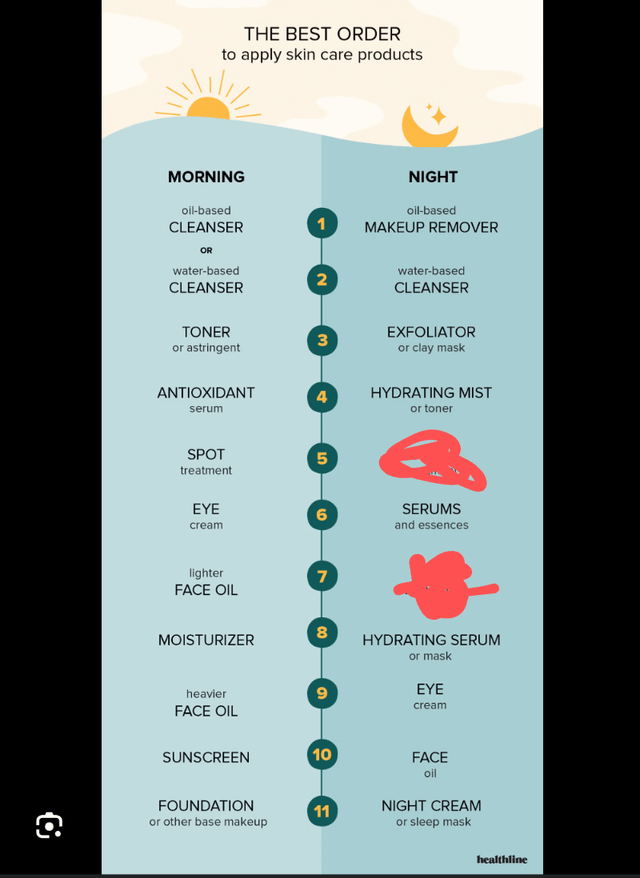
Building a daily skincare routine is key to maintaining healthy, glowing skin. Each step plays a unique role in keeping your skin balanced and protected throughout the day. Understanding these steps helps you make better choices for your skin type and lifestyle.
Cleansing Techniques
Cleansing removes dirt, oil, and impurities that accumulate on your skin. Use gentle circular motions with your fingertips to avoid irritation. I noticed my skin felt less dry when I switched to a sulfate-free cleanser and washed my face with lukewarm water instead of hot.
Do you rinse your face thoroughly? Leftover cleanser can clog pores and cause breakouts. Also, double cleansing at night—first with an oil-based cleanser then a water-based one—can deeply clean your skin without stripping natural oils.
Toning Benefits
Toners help balance your skin’s pH and tighten pores after cleansing. They also prepare your skin to absorb moisturizers and serums better. I used to skip toner, but adding it reduced my skin’s oiliness and improved texture noticeably.
Look for alcohol-free toners with soothing ingredients like rose water or witch hazel. They refresh your skin without causing dryness. How does your skin feel after applying toner? It should feel calm and hydrated, not tight or sticky.
Moisturizing Tips
Moisturizers lock in hydration and protect your skin barrier. Choose a formula that fits your skin type—light lotions for oily skin and richer creams for dry skin. I apply my moisturizer while my skin is still damp to trap moisture better.
Don’t forget your neck and décolletage; these areas need care too. Applying moisturizer regularly can prevent flakiness and keep your skin smooth. Have you noticed how skipping moisturizer leaves your skin feeling tight and uncomfortable?
Sun Protection Importance
Sun protection is crucial to prevent premature aging and skin damage. Applying a broad-spectrum sunscreen with at least SPF 30 every morning shields your skin from harmful UV rays. I once skipped sunscreen on a cloudy day and ended up with unexpected redness and irritation.
Reapply sunscreen every two hours if you’re outdoors. Remember, sun damage accumulates over time, so daily use matters. Are you making sunscreen a non-negotiable part of your routine?
Weekly Treatments
Weekly treatments are a crucial part of your skincare routine. They give your skin extra care beyond daily cleansing and moisturizing. Adding these treatments can help address specific concerns and boost your skin’s health.
Exfoliation Methods
Exfoliation removes dead skin cells and clears pores. You can choose between physical scrubs or chemical exfoliants like AHAs and BHAs. I found gentle chemical exfoliants work better for my sensitive skin, leaving it smooth without irritation.
Try exfoliating once or twice a week. Overdoing it can cause redness and dryness. Ask yourself, does your skin feel dull or congested? That’s a good sign it’s time to exfoliate.
Face Masks For Glow
Face masks add an instant boost to your complexion. I like using clay masks to detoxify and peel-off masks to brighten my skin. Sheet masks are perfect for quick hydration on busy days.
Pick masks based on your skin type and what you want to improve. Do you need more glow, calm, or moisture? Use masks to target those needs and watch your skin transform.
Hydrating Serums
Hydrating serums deliver moisture deep into your skin. Ingredients like hyaluronic acid attract water and keep your skin plump. I noticed my skin feels softer and less tight when I include serums in my weekly care.
Apply serums right after cleansing and before your moisturizer. This helps seal in hydration. Ask yourself, does your skin feel dry or flaky? If yes, a hydrating serum can make a big difference.
Lifestyle Habits For Healthy Skin
Healthy skin depends on more than just creams and cleansers. Lifestyle choices play a big role in skin health. Simple daily habits can improve your skin’s look and feel. Focusing on hydration, diet, sleep, stress, and exercise can make a real difference. These habits support your skin from inside out.
Hydration And Diet
Water keeps your skin soft and glowing. Drinking enough water helps flush out toxins. Eating fruits and vegetables adds vitamins and antioxidants. These nutrients protect skin cells and reduce damage. Limit sugar and processed foods to avoid breakouts and dullness.
Sleep And Stress Management
Sleep lets your skin repair itself. Aim for 7-8 hours of rest each night. Stress can cause skin problems like acne and dryness. Try simple relaxation techniques like deep breathing or meditation. Reducing stress helps maintain a clear, calm complexion.
Exercise And Skin Health
Exercise boosts blood flow, bringing oxygen to the skin. This helps skin look fresh and healthy. Sweating removes dirt and toxins from pores. Always wash your face after workouts to prevent breakouts. Regular physical activity supports overall skin vitality.
Common Mistakes To Avoid
Knowing what to avoid in your skincare routine can be just as important as knowing what to do. Many people unknowingly harm their skin by making simple mistakes. Recognizing these pitfalls can save you time, money, and frustration while helping your skin look its best.
Over-exfoliating
Exfoliating removes dead skin cells and helps your skin glow. But doing it too often can cause redness, irritation, and even breakouts. I once thought daily scrubbing was the way to go until my skin started flaking and felt tight all the time.
Stick to exfoliating 2-3 times a week depending on your skin type. Choose gentle exfoliants, especially if you have sensitive skin. Ask yourself: does your skin feel smooth and refreshed, or raw and sore after exfoliating?
Skipping Sunscreen
Many skip sunscreen, thinking it’s only for sunny days. But UV rays penetrate clouds and windows, damaging your skin daily. I learned this the hard way when I noticed dark spots and early wrinkles despite my skincare efforts.
Apply sunscreen every morning, even on cloudy days or when indoors near windows. Look for broad-spectrum protection with at least SPF 30. Protecting your skin from the sun can prevent premature aging and skin cancer.
Using Too Many Products
It’s tempting to pile on serums, creams, and treatments hoping for quick results. But too many products can overwhelm your skin and cause irritation or breakouts. I experienced this when I combined five different active ingredients and ended up with a rash.
Keep your routine simple and introduce new products one at a time. Focus on essentials like cleanser, moisturizer, and sunscreen. Ask yourself: does each product serve a clear purpose, or are you just adding clutter?
Adjusting Your Routine Seasonally
Changing weather affects your skin in many ways. Your skincare routine must match these changes to keep skin healthy. Different seasons bring different challenges for your skin. Adjusting your skincare routine helps prevent dryness, oiliness, or irritation. Paying attention to your skin’s needs each season keeps it balanced and glowing.
Winter Skin Care Tips
- Use a thick moisturizer to combat dryness.
- Apply sunscreen daily, even on cloudy days.
- Limit hot showers to avoid stripping natural oils.
- Choose gentle cleansers that do not dry out skin.
- Use a humidifier to add moisture to indoor air.
- Wear lip balm to prevent chapping and cracking.
Summer Skin Care Tips
- Use a lightweight, oil-free moisturizer to avoid clogging pores.
- Apply broad-spectrum sunscreen with at least SPF 30.
- Cleanse skin twice daily to remove sweat and dirt.
- Stay hydrated by drinking plenty of water.
- Wear hats and sunglasses to protect from sun damage.
- Use products with antioxidants to fight free radical damage.
Credit: www.lemon8-app.com
Frequently Asked Questions
What Is The Best Skincare Routine For My Skin Type?
The best skincare routine depends on your skin type: oily, dry, combination, or sensitive. Tailor products accordingly for optimal results. Cleanse, tone, moisturize, and use sunscreen daily to maintain healthy skin.
How Often Should I Update My Skincare Routine?
Update your skincare routine every 3 to 6 months or when your skin changes. Seasonal shifts and aging affect your skin’s needs. Adjust products to keep your skin balanced and glowing.
Can I Simplify My Skincare Routine Effectively?
Yes, a simple routine with cleanser, moisturizer, and sunscreen works well. Focus on consistency and product quality rather than quantity for healthy skin. Add treatments only if needed.
What Ingredients Should I Avoid In Skincare Products?
Avoid harsh ingredients like alcohol, sulfates, and synthetic fragrances. These can irritate or dry out your skin. Opt for gentle, non-comedogenic formulas suited to your skin type.
Conclusion
A consistent skincare routine brings great results. Your skin feels fresh and healthy. Start with cleansing. Follow with a gentle toner. Add a moisturizer for hydration. Sunscreen is essential for protection. Choose products that suit your skin type. Listen to your skin’s needs.
Adjust your routine as needed. Stay patient and committed. Small steps lead to big changes. Your skin will thank you. Enjoy the journey to healthier skin. Feel confident in your daily routine. Embrace these simple steps for a glowing complexion.
You deserve it!
