Are you wondering when to add retinol to your skincare routine? You’re not alone.
Retinol is one of the most powerful ingredients for glowing, youthful skin—but using it at the wrong time can cause irritation or reduce its benefits. Knowing exactly when and how to apply retinol can make a huge difference in how your skin looks and feels.
Keep reading to discover the simple steps you can take to get the most out of retinol and avoid common mistakes that many people make. Your skin will thank you.
Benefits Of Retinol
Retinol offers many benefits for skin health and appearance. It is a popular ingredient in skincare due to its ability to improve various skin concerns. Regular use can lead to clearer, smoother, and younger-looking skin.
Improving Skin Texture
Retinol helps remove dead skin cells from the surface. This process reveals fresher, softer skin underneath. It also encourages new skin cell growth. Over time, skin looks smoother and feels more even.
Reducing Fine Lines
Retinol stimulates collagen production in the skin. Collagen keeps skin firm and elastic. With more collagen, fine lines and wrinkles become less visible. Skin appears plumper and more youthful.
Treating Acne
Retinol unclogs pores by clearing away excess oil and debris. This reduces the chance of acne breakouts. It also helps fade acne scars and dark spots. Many find retinol effective for controlling acne over time.
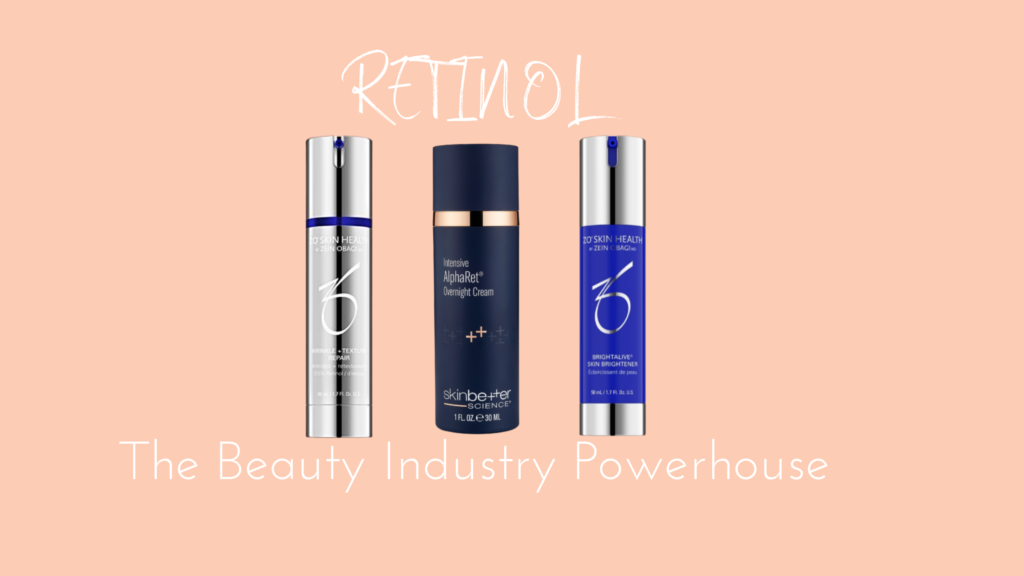
Credit: www.bossgalbeautybar.com
Best Time To Apply Retinol
Knowing the best time to apply retinol can make a big difference in how your skin reacts and how effective the product is. Timing impacts retinol’s performance and reduces potential irritation. Let’s look at when you should use it and how to combine it with other products for the best results.
Morning Vs Night Use
Retinol is best applied at night because it can make your skin more sensitive to sunlight. Using it before bed allows the product to work without interference from UV rays. If you use retinol in the morning, you need to be extra diligent with sunscreen, but even then, night use is safer and more effective.
Think about your routine: are you willing to commit to applying sunscreen every morning? If not, saving retinol for nighttime is smarter. Nighttime use also fits better with your skin’s natural repair cycle, boosting its benefits.
Layering With Other Products
How you layer retinol can either boost its benefits or cause irritation. Always apply retinol on clean, dry skin to avoid diluting it. If you use a serum, apply it before retinol, then follow with a moisturizer to lock in hydration.
Be cautious with active ingredients like vitamin C or exfoliating acids (AHA/BHA) in the same routine. They can increase irritation when combined with retinol. You can alternate these products on different nights or apply vitamin C in the morning and retinol at night.
Have you noticed your skin feels too dry or sensitive after adding retinol? Try adding a gentle moisturizer before retinol to create a buffer. This simple step can help your skin adjust without losing retinol’s effectiveness.
How To Introduce Retinol
Introducing retinol to your skincare routine requires care and patience. It’s a powerful ingredient that can transform your skin, but it can also cause irritation if used too quickly or too often. Learning how to start retinol properly helps you enjoy its benefits without discomfort.
Starting Slowly
Begin with a low concentration of retinol, like 0.25% or 0.3%. Apply it only once or twice a week at first. This allows your skin to adjust gradually and reduces the risk of redness or peeling.
Think of it this way: if you jump into retinol every night immediately, your skin might rebel. I remember starting too quickly and ended up with flaky patches for weeks. Slowing down helped my skin build tolerance and respond better over time.
Use a small pea-sized amount and spread it evenly over your face, avoiding the eye area. Always apply it on clean, dry skin. This step ensures better absorption and minimizes irritation.
Frequency Guidelines
Once your skin feels comfortable, increase the frequency to every other night. Watch how your skin reacts and adjust accordingly. If irritation appears, reduce usage again before trying to increase.
Many people find that using retinol 3-4 times a week works well for them. However, some skin types tolerate daily use, while others need to stick to a few times weekly. What feels right for your skin is the best guideline.
Pairing retinol with a gentle moisturizer can help calm your skin. Apply moisturizer after retinol to lock in hydration and reduce dryness. Have you noticed how this simple step can make retinol feel much gentler?
Common Side Effects
Using retinol can bring great skin benefits. Yet, it often causes some common side effects. These effects usually appear when your skin adjusts to retinol. Knowing what to expect helps you care for your skin better.
Dryness And Peeling
Dry skin is a frequent side effect of retinol use. It happens because retinol speeds up skin cell turnover. This process can remove natural oils, causing dryness. Peeling or flaking skin may follow as old skin sheds. Moisturizing daily can ease dryness and reduce peeling.
Irritation And Sensitivity
Retinol can make your skin sensitive and easily irritated. Redness, itching, or a burning feeling may occur. This sensitivity often appears in the first weeks of use. Sun exposure can worsen irritation. Applying retinol at night and using sunscreen during the day helps protect your skin.
Tips To Minimize Irritation
Retinol is a powerful ingredient, but it can cause irritation if not used carefully. You want to enjoy its benefits without dealing with redness, dryness, or peeling. Understanding how to minimize irritation helps you stick with your routine and see real results.
Moisturizing Techniques
Using retinol can dry out your skin, so moisturizing is key. Apply a gentle, hydrating moisturizer after retinol to lock in moisture and soothe your skin.
Try the “sandwich method”: put on a layer of moisturizer before applying retinol, then add another moisturizer layer on top. This buffers the retinol’s strength and reduces irritation.
Look for moisturizers with ingredients like ceramides, hyaluronic acid, or glycerin. These help repair your skin barrier and keep it soft. Have you noticed how your skin feels on days you skip moisturizer after retinol? That’s a clear sign it needs extra care.
Sun Protection Importance
Retinol makes your skin more sensitive to the sun. Even if you only use it at night, daily sun protection is crucial.
Use a broad-spectrum sunscreen with at least SPF 30 every morning, regardless of the weather. Reapply every two hours if you’re outside. This shields your skin from UV damage and prevents irritation from worsening.
Don’t forget physical barriers like hats and sunglasses for extra protection. Have you ever skipped sunscreen after retinol and ended up with redness? That’s your skin telling you to be more cautious.

Credit: theordinary.com
Choosing The Right Retinol Product
Choosing the right retinol product is crucial to making it a beneficial part of your skincare routine without causing irritation. Not all retinol products are created equal, and understanding the differences can help you pick one that matches your skin’s needs and tolerance. Let’s break down how to find the perfect fit for your skin.
Concentration Levels
Retinol products come in different strengths, usually ranging from 0.01% to 1%. If you are new to retinol, starting with a lower concentration like 0.025% or 0.05% can help your skin adjust without redness or peeling.
As your skin builds tolerance, you might consider moving up to 0.1% or higher for more noticeable results. Keep in mind, higher concentrations don’t always mean better results immediately—they can sometimes cause more harm than good if your skin isn’t ready.
Are you willing to be patient and gradually increase your retinol strength, or do you want faster results at the risk of irritation? Your answer will guide your choice in concentration.
Formulations For Different Skin Types
Retinol comes in various formulations, including creams, gels, serums, and oils, each suited for different skin types. If you have dry or sensitive skin, a moisturizing cream-based retinol can reduce dryness and irritation.
For oily or acne-prone skin, lightweight gels or serums absorb quickly and help control excess oil without clogging pores. Combination skin might benefit from a balanced formula that hydrates without feeling too heavy.
Think about your skin’s unique needs before picking a formulation. How does your skin react to other active ingredients? This insight can help you choose a retinol product that works well without disrupting your current routine.
Retinol Myths And Facts
Retinol has earned a reputation filled with both hype and hesitation. Many people avoid it due to common myths, while others use it incorrectly because of misinformation. Understanding the real facts about retinol helps you get the best results and avoid frustration.
Is Retinol Only For Older Skin?
Many think retinol is just for aging skin, but that’s not true. Retinol can benefit all skin types, even younger ones, by preventing early signs of aging and improving skin texture.
Starting retinol in your 20s or 30s can keep your skin healthy and glowing. Have you ever wondered why some people maintain youthful skin well into their 40s? Often, it’s because they started retinol early.
Does Retinol Cause Severe Skin Irritation For Everyone?
It’s common to hear that retinol will make your skin peel and burn immediately. While some irritation can happen, especially at first, it’s usually mild and temporary.
Introducing retinol slowly, like every other night or mixing with moisturizer, can minimize irritation. Have you tried adjusting the frequency instead of quitting retinol altogether?
Can You Use Retinol During The Day?
Many believe retinol should only be used at night because it makes skin sensitive to sunlight. While retinol does increase sun sensitivity, this doesn’t mean you can’t use it in the morning if you apply sunscreen.
However, using retinol at night is often easier and more effective. What’s your routine—do you pair retinol with a strong sunscreen?
Will Retinol Make Your Skin Thinner?
Some worry retinol thins the skin, but it actually does the opposite. Retinol boosts collagen production, which thickens and strengthens the skin over time.
Initial peeling or dryness might make skin feel fragile, but with consistent use, your skin becomes more resilient. Have you noticed changes in your skin’s texture after using retinol for a few weeks?
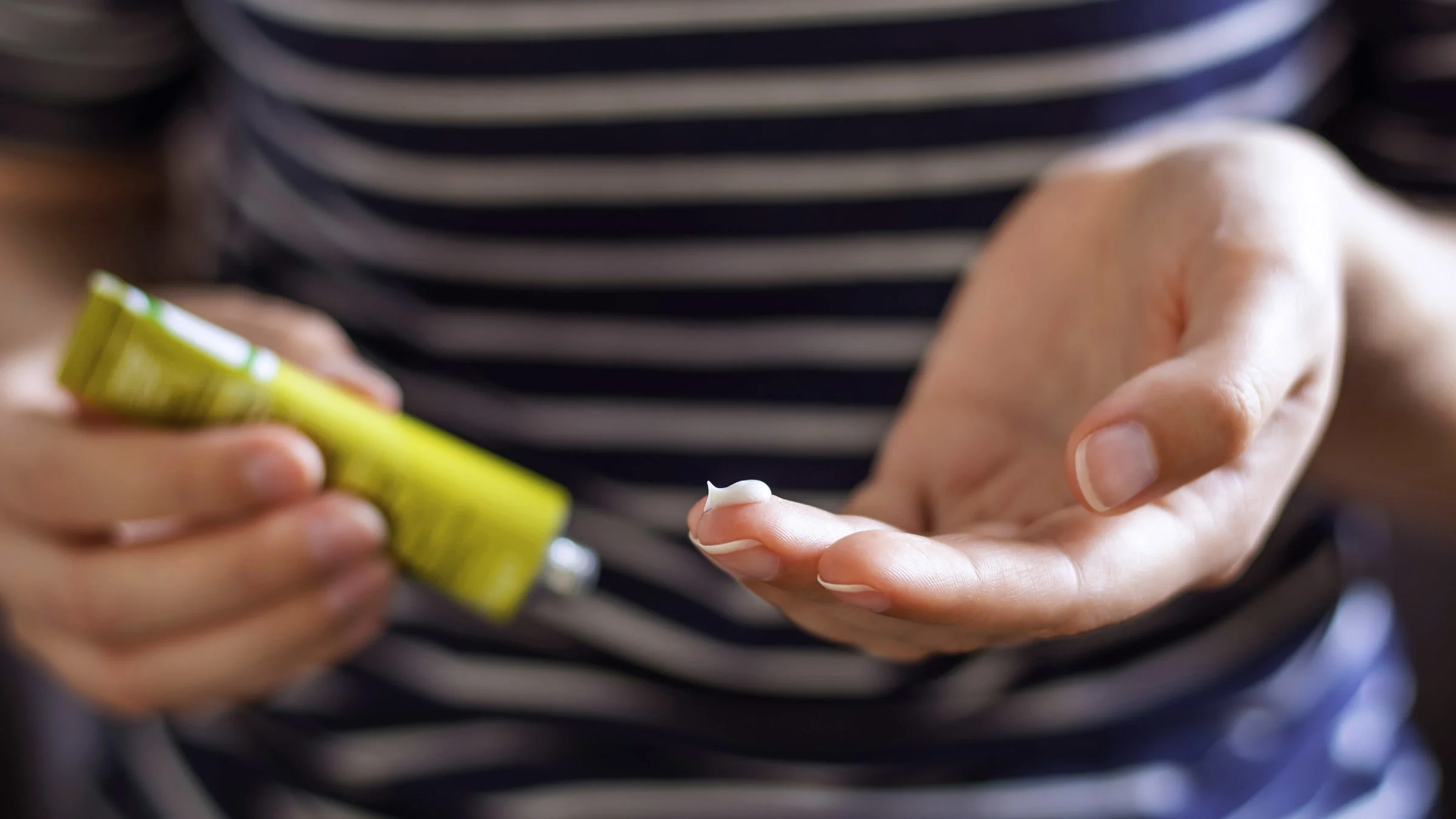
Credit: www.goodrx.com
Frequently Asked Questions
When Is The Best Time To Apply Retinol?
Retinol is best applied at night. It helps skin repair and regenerate while you sleep. Avoid morning use to prevent sun sensitivity.
Can Retinol Be Used With Moisturizer?
Yes, apply moisturizer after retinol. Moisturizer helps reduce irritation and dryness caused by retinol, making your skin more comfortable.
How Often Should Retinol Be Used Initially?
Start using retinol 2-3 times per week. Gradually increase frequency as your skin builds tolerance to avoid irritation.
Should Retinol Be Used Before Or After Cleansing?
Always apply retinol after cleansing and drying your skin. Clean skin ensures better absorption and effectiveness of retinol.
Conclusion
Retinol can transform your skincare routine. Using it at night works best. Apply after cleansing and moisturizing. Start with a small amount. Gradually increase as your skin adjusts. Consistency is key for visible results. Always use sunscreen during the day.
This protects your skin from sun damage. Retinol suits most skin types. Sensitive skin should proceed with caution. Consult a dermatologist for personal advice. Incorporate retinol wisely and enjoy smoother, healthier skin.
