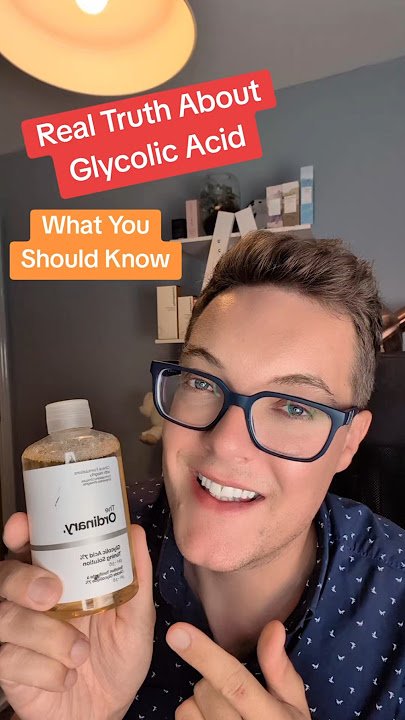
If you want smoother, brighter skin, glycolic acid might be your new best friend. But using it the right way is key to getting great results without irritation.
You’ll learn exactly how to add glycolic acid to your skincare routine safely and effectively. By the end, you’ll know when to use it, how much to apply, and what to avoid—so your skin can glow like never before. Keep reading to discover the simple steps that can transform your skin!
Benefits Of Glycolic Acid
Glycolic acid is a popular ingredient in skincare. It offers several benefits for healthy, glowing skin. Derived from sugar cane, this acid gently removes dead skin cells. It helps reveal fresh skin underneath and supports overall skin health.
Exfoliation And Skin Renewal
Glycolic acid exfoliates by breaking down dead skin cells. This process clears clogged pores and smooths the skin surface. It speeds up skin renewal, making the skin look brighter and fresher. Regular use helps keep the skin clean and less prone to breakouts.
Improving Skin Texture
This acid softens rough patches and uneven skin. It reduces bumps and dry areas, creating a smoother feel. Over time, skin texture becomes more even and refined. This makes the skin look healthier and more youthful.
Fading Dark Spots
Glycolic acid helps fade dark spots and discoloration. It lightens sun damage, acne scars, and age spots. The acid encourages skin to shed pigmented cells faster. This leads to a more even skin tone and brighter complexion.
Boosting Collagen Production
Collagen keeps skin firm and elastic. Glycolic acid stimulates collagen production in the deeper skin layers. More collagen means fewer wrinkles and fine lines. This helps the skin stay tight and youthful longer.

Credit: qrxlabs.com
Choosing The Right Glycolic Acid Product
Choosing the right glycolic acid product is essential for safe and effective skincare. The product form, concentration, and skin type compatibility all influence results. Picking the best fit helps avoid irritation and boosts your skin’s glow.
Different Forms: Toners, Serums, And Peels
Glycolic acid comes in several forms. Toners are gentle and good for daily use. Serums usually have higher acid levels and target specific issues. Peels offer strong exfoliation but need careful handling. Choose based on your skin’s needs and how much time you want to spend on skincare.
Concentration Levels To Consider
Concentration affects how strong the product is. Low concentrations (around 5%) suit beginners and sensitive skin. Medium levels (10-15%) work for most skin types and provide visible results. High concentrations (20% or more) are best for experienced users and should be used less often. Start low and increase slowly for safety.
Suitability For Various Skin Types
Skin type guides product choice. Dry and sensitive skin needs gentle formulas with lower acid. Oily and acne-prone skin often benefit from stronger glycolic acid for deep cleansing. Normal skin can handle moderate concentrations comfortably. Always test a small area first to check for reactions.
Incorporating Glycolic Acid Into Your Routine
Adding glycolic acid to your skincare routine can transform your skin, but it’s essential to use it wisely to avoid irritation and maximize benefits. Understanding how often to use it, the best time for application, and how to combine it with other products will help you achieve smoother, brighter skin without setbacks. Let’s break down these important points so you can confidently introduce glycolic acid into your daily regimen.
Frequency Of Use
Start slow to see how your skin reacts. Using glycolic acid 2-3 times a week is enough for most people, especially if you’re new to acids.
If your skin tolerates it well, you can gradually increase to every other day. Avoid daily use at the beginning to prevent redness or dryness.
Listen to your skin—if it feels irritated or overly dry, reduce the frequency. Consistency matters more than speed.
Best Time Of Day
Evenings are generally the best time to apply glycolic acid. Your skin repairs itself overnight, making it ideal to let acids work without interference.
Applying it in the morning can make your skin more sensitive to sunlight, increasing the risk of damage.
Always follow glycolic acid with a broad-spectrum sunscreen during the day. It’s a non-negotiable step to protect your skin from UV rays.
Layering With Other Products
Keep it simple when layering glycolic acid. Avoid using it with other strong actives like retinol or vitamin C at the same time to prevent irritation.
After applying glycolic acid, use a gentle moisturizer to soothe and hydrate your skin. This helps balance its exfoliating effect.
If you want to use vitamin C, apply it in the morning and reserve glycolic acid for nighttime. This separation reduces the chance of sensitivity and enhances effectiveness.

Credit: qrxlabs.com
Precautions And Potential Side Effects
Glycolic acid is effective for skin but needs careful use. It can cause irritation and sensitivity if not used properly. Knowing the precautions helps protect your skin and improve results. Pay attention to how your skin reacts. Adjust your routine based on your skin’s needs.
Avoiding Irritation And Sensitivity
Start with a low concentration of glycolic acid. Use it only a few times per week at first. Watch for redness, itching, or burning. Stop use if irritation happens. Moisturize well to soothe your skin. Avoid using other strong acids or retinoids at the same time. This reduces the chance of irritation.
Sun Protection Importance
Glycolic acid makes your skin more sensitive to the sun. Always apply broad-spectrum sunscreen every day. Use SPF 30 or higher. Reapply sunscreen every two hours if you stay outside. Wear hats and protective clothing for extra safety. Sun protection prevents sunburn and skin damage.
When To Avoid Glycolic Acid
- Avoid if your skin is broken or sunburned.
- Do not use if you have eczema or rosacea flare-ups.
- Pregnant or breastfeeding women should consult a doctor before use.
- Stop use if you notice severe redness or swelling.
- Avoid mixing with other strong exfoliants or harsh skincare products.
Expert Tips For Maximizing Results
Using glycolic acid correctly can improve your skin’s texture and brightness. Follow expert tips to get the best results safely and effectively. These tips help your skin adjust and benefit fully from glycolic acid.
Patch Testing Before Use
Test glycolic acid on a small skin area first. Apply a small amount on your wrist or behind your ear. Wait 24 hours to check for redness or irritation. Patch testing prevents unexpected allergic reactions. It ensures your skin can handle the acid safely.
Gradual Introduction To Your Routine
Start with a low concentration of glycolic acid. Use it once or twice a week at first. Slowly increase the frequency as your skin builds tolerance. Avoid using it daily right away. This helps prevent dryness and irritation. Listen to your skin’s response and adjust accordingly.
Combining With Hydrating Ingredients
Pair glycolic acid with hydrating skincare products. Use moisturizers with hyaluronic acid or glycerin. Hydrating ingredients keep skin soft and balanced. They reduce dryness caused by glycolic acid. Apply moisturizer after glycolic acid to lock in moisture. This combo boosts comfort and results.

Credit: www.youtube.com
Frequently Asked Questions
What Is Glycolic Acid Used For In Skincare?
Glycolic acid is an alpha hydroxy acid (AHA) used for exfoliating the skin. It helps remove dead skin cells, revealing a brighter complexion. This promotes cell turnover, reduces the appearance of fine lines, and improves skin texture. Regular use can also help with acne and hyperpigmentation.
How Often Should I Use Glycolic Acid?
For beginners, start with using glycolic acid 1-2 times a week. Gradually increase frequency as your skin adjusts. However, it’s important to observe your skin’s reaction. Overuse can lead to irritation. Always follow with a moisturizer and sunscreen to protect your skin.
Can Glycolic Acid Be Used With Other Products?
Yes, glycolic acid can be used with other products, but with caution. Avoid using it with other strong exfoliants or acids like salicylic acid or retinol. Combining too many active ingredients can cause irritation. It’s best to consult a dermatologist if you’re unsure about product combinations.
Is Glycolic Acid Suitable For All Skin Types?
Glycolic acid can be used by most skin types, but it’s essential to proceed with caution. Those with sensitive skin should start with a lower concentration. Oily and acne-prone skin types may benefit the most. Always patch test before full application to avoid adverse reactions.
Conclusion
Using glycolic acid can improve your skin’s texture and brightness. Start slow to avoid irritation and watch your skin adjust. Apply it at night and always use sunscreen during the day. Consistency helps you see real results over time. Listen to your skin and stop if it feels too sensitive.
Simple steps lead to healthier, glowing skin. Give your routine patience and care. You will notice the difference soon.
