If you want clearer, smoother skin, a retinol skincare routine could be your game changer. But starting with retinol can feel confusing or even intimidating.
What’s the right way to use it? How often should you apply it? And what results can you really expect? This guide will walk you through everything you need to know to get the best from retinol—without irritation or guesswork.
Keep reading, and you’ll discover simple steps to transform your skin and boost your confidence every day.
Credit: www.naturalorganicskincare.com
Why Choose Retinol
Retinol has become a popular choice in skincare for many good reasons. It offers clear benefits that improve skin health and appearance. Choosing retinol can help address common skin issues with visible results. Understanding why retinol works can guide you to better skincare decisions.
Benefits For Skin
- Reduces fine lines and wrinkles
- Improves skin texture and tone
- Fights acne and prevents breakouts
- Boosts collagen production
- Minimizes dark spots and pigmentation
- Enhances skin firmness and elasticity
How Retinol Works
Retinol is a form of vitamin A that penetrates deep into the skin. It helps speed up cell turnover, removing dead skin cells. This process reveals fresher, smoother skin underneath.
Retinol stimulates collagen, which keeps skin firm and elastic. It also helps regulate oil production, reducing clogged pores. Retinol’s ability to target multiple skin concerns makes it effective.
Types Of Retinol Products
Choosing the right retinol product can make a big difference in how your skin reacts and improves. Different types of retinol products deliver the active ingredient in unique ways, affecting absorption and skin tolerance. Understanding these options helps you pick what fits your skin type and lifestyle best.
Serums And Creams
Retinol serums tend to have a thinner texture and higher concentration of active ingredients. This makes them absorb quickly and work faster, but they can sometimes irritate sensitive skin. If you have dry or sensitive skin, retinol creams offer a gentler option by combining moisturizing ingredients with retinol, reducing the chance of dryness or redness.
Many people find starting with a cream easier because it feels nourishing while still delivering results. However, if you want to target specific concerns like fine lines or dullness rapidly, serums might be worth trying. Have you noticed how your skin reacts differently to serums versus creams?
Retinol Vs. Retinoids
Retinol is part of a larger family called retinoids, which includes prescription-strength options like tretinoin. Retinol is milder and available over the counter, making it suitable for beginners or those with sensitive skin. Retinoids, on the other hand, work faster and are stronger but can cause more irritation initially.
Understanding the difference helps you set realistic expectations and avoid frustration. If you’ve ever tried a retinoid and found your skin too irritated, retinol might be the better fit to build tolerance gradually. Which one aligns better with your skincare goals and skin sensitivity?
Starting Your Routine
Starting a retinol skincare routine can feel intimidating, but it doesn’t have to be. The key is to begin thoughtfully and listen to your skin’s signals. Taking small, deliberate steps helps you avoid irritation and build tolerance over time.
Choosing The Right Concentration
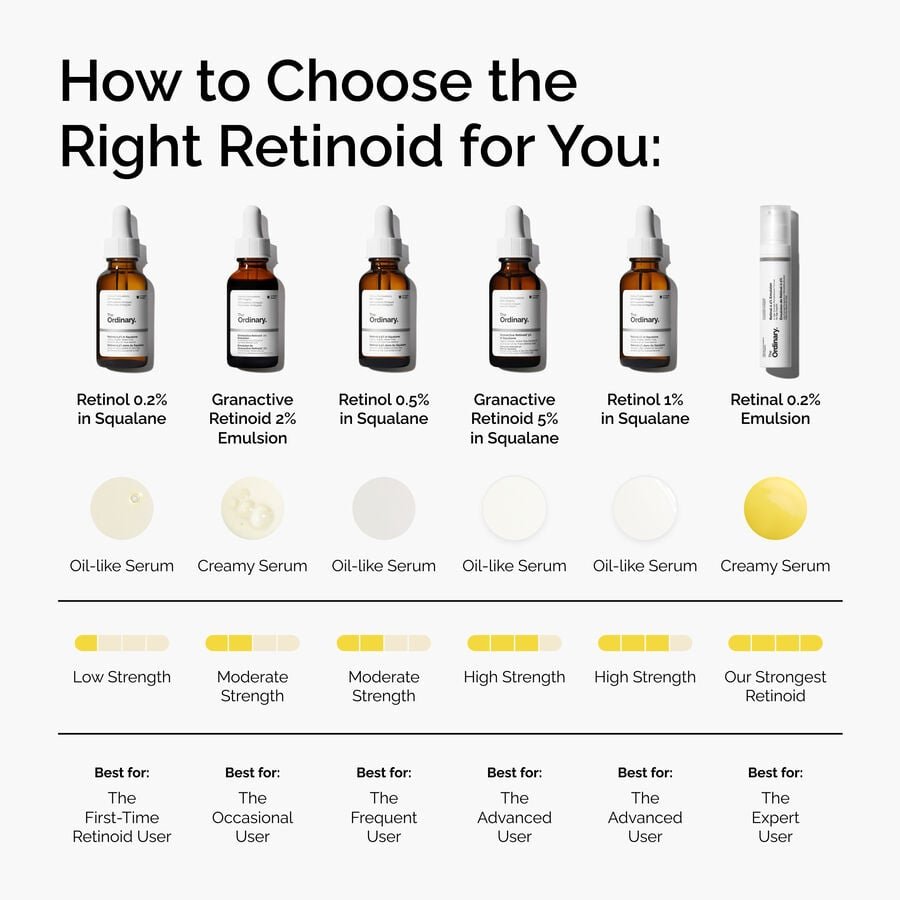
Not all retinol products are created equal. Concentrations typically range from 0.01% to 1%, and picking the right one matters a lot for your skin’s comfort and results.
If you’re new to retinol, start with a lower concentration like 0.025% or 0.03%. These allow your skin to adjust without overwhelming it. You can slowly move up to higher percentages once your skin feels calm and shows no signs of redness or peeling.
Think about your skin type too. Sensitive skin might need a gentler formula, while oily or acne-prone skin often tolerates stronger doses. What concentration feels right for your skin’s needs and goals?
Patch Testing Tips
Before you apply retinol all over your face, patch testing is a must. It helps you spot any negative reactions early, saving your skin from unnecessary distress.
- Apply a small amount of retinol on a discreet area like behind your ear or on your inner forearm.
- Wait 24 to 48 hours to observe any redness, itching, or irritation.
- If no reaction occurs, you’re likely safe to proceed with full application.
I once skipped patch testing and ended up with flaky, red patches for days. That experience taught me patience and the importance of this simple step. How does your skin usually react to new products? Testing first can save you from surprises.

Credit: theformularx.com
Step-by-step Routine
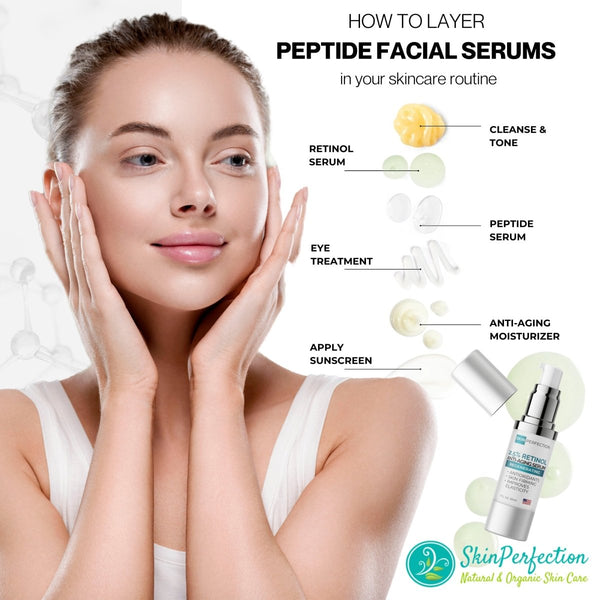
Following a clear routine helps your skin get used to retinol. It reduces irritation and boosts results. A good routine has three main parts. Each step prepares your skin and keeps it healthy while using retinol.
Cleansing And Preparation
Start with a gentle cleanser to remove dirt and oil. Use lukewarm water to avoid dryness. Pat your skin dry softly with a towel. Wait a few minutes so your skin is fully dry. This helps retinol absorb better and lowers irritation risk.
Applying Retinol
Take a small amount of retinol product, about a pea size. Spread it evenly on your face, avoiding eyes and lips. Use gentle, upward strokes for even coverage. Start with two to three times a week to build tolerance. Increase use gradually as your skin adjusts.
Moisturizing And Protection
Apply a moisturizer after retinol to hydrate and calm your skin. Choose a fragrance-free, soothing formula. Moisturizing reduces redness and peeling. Use sunscreen every morning. Retinol makes skin sensitive to sunlight. Protect your skin to avoid damage and keep it healthy.
Common Side Effects
Retinol is a powerful ingredient known for its skin-renewing benefits, but it often comes with some common side effects, especially when you first start using it. These effects can range from mild redness to peeling and dryness. Understanding these reactions helps you manage your skincare routine better and avoid unnecessary discomfort.
Dealing With Irritation
Irritation is one of the most frequent side effects when introducing retinol into your routine. You might notice redness, itching, or a burning sensation, especially during the first few weeks.
To soothe your skin, try using a gentle moisturizer immediately after applying retinol. This can create a protective barrier and reduce irritation.
Also, avoid combining retinol with other strong active ingredients like exfoliating acids or vitamin C in the same session. Have you tried applying retinol every other night instead of daily? This can help your skin build tolerance gradually.
When To Adjust Usage
It’s important to listen to your skin signals. If irritation persists beyond a few weeks or worsens, it’s time to adjust your retinol use.
You can reduce the frequency to twice or thrice a week and see if your skin improves. Sometimes, switching to a lower concentration of retinol makes a big difference.
Keep an eye out for severe reactions like swelling or intense redness. These signs mean you should pause retinol and consult a dermatologist.
Credit: www.bossgalbeautybar.com
Enhancing Results
Enhancing the results of your retinol skincare routine involves more than just applying the product regularly. How you combine retinol with other ingredients and protect your skin throughout the day plays a huge role in achieving glowing, healthy skin. Paying attention to these details can make a noticeable difference in your skin’s texture, tone, and overall appearance.
Complementary Ingredients
Pairing retinol with the right ingredients can boost its effectiveness while minimizing irritation. Ingredients like hyaluronic acid help keep your skin hydrated, which counteracts dryness often caused by retinol.
Niacinamide is another great companion. It soothes the skin, reduces redness, and improves the skin barrier. Using a gentle moisturizer alongside retinol can also help maintain comfort and prevent peeling.
- Look for moisturizers with ceramides or glycerin for extra hydration.
- Avoid harsh exfoliants or products with alcohol on nights you apply retinol.
- Introduce new products gradually to see how your skin reacts.
Sun Protection Importance
Retinol makes your skin more sensitive to sunlight, increasing the risk of sunburn and damage. Using a broad-spectrum sunscreen with at least SPF 30 every morning is not optional—it’s essential.
Don’t forget to reapply sunscreen throughout the day, especially if you’re outdoors. Wearing hats and seeking shade adds another layer of protection.
Have you noticed your skin becoming more reactive to the sun since starting retinol? If so, doubling down on sun protection can prevent setbacks and keep your results on track.
Retinol For Different Skin Types
Retinol is a powerhouse ingredient, but how you use it should depend on your skin type. What works wonders for someone with oily skin might irritate sensitive skin. Understanding how retinol interacts with your unique skin helps you get the best results without unwanted side effects.
Sensitive Skin Tips
If your skin tends to react easily, start with a low concentration of retinol, like 0.25% or less. Applying it every third night allows your skin to build tolerance without overwhelming it.
Use a gentle, fragrance-free moisturizer right after retinol to soothe potential irritation. You might notice slight redness or peeling at first—this is normal but keep an eye out for excessive dryness or burning.
Ask yourself: Are you moisturizing enough and giving your skin time to adjust? If not, slow down your routine or try buffering retinol by mixing it with your moisturizer.
Oily And Acne-prone Skin
Retinol can be a game-changer for oily or acne-prone skin by unclogging pores and reducing breakouts. Start with a moderate concentration, around 0.5%, and apply it every other night.
Cleanse your face thoroughly but avoid harsh scrubs that could worsen irritation. Pair retinol with a lightweight, non-comedogenic moisturizer to prevent your skin from overproducing oil.
Have you noticed your skin purging before improving? This is common as retinol speeds up cell turnover. Stick with the routine, but consult a dermatologist if breakouts worsen significantly.
Dry Skin Care
Dry skin needs extra care when using retinol to avoid excessive flaking and discomfort. Use a mild hydrating cleanser and apply retinol after your moisturizer to create a protective barrier.
Opt for retinol products with added hydrating ingredients like hyaluronic acid or ceramides. Limit retinol use to 2-3 times a week and increase frequency only if your skin tolerates it well.
Do you feel tightness or rough patches after retinol? Add richer creams or face oils to your routine to lock in moisture and keep your skin balanced.
Myths And Facts
Retinol is a popular skincare ingredient, but it often comes with many myths. Separating facts from fiction helps use it safely and effectively. Understanding common misconceptions and science-backed truths gives confidence in building a retinol routine.
Common Misconceptions
- Retinol causes extreme skin peeling and damage.
- It makes your skin more sensitive to the sun.
- Retinol is only for older people or those with wrinkles.
- You should avoid using moisturizer with retinol.
- Results appear immediately after starting retinol.
- Retinol thins the skin over time.
Science-backed Truths
- Retinol promotes skin cell turnover gently with regular use.
- Sun protection is necessary, but retinol does not increase sun damage alone.
- Retinol benefits all skin ages by improving texture and tone.
- Moisturizers reduce irritation and support retinol’s effectiveness.
- Visible improvements usually take 4 to 12 weeks.
- Retinol strengthens skin, making it more resilient over time.
Frequently Asked Questions
What Is The Best Time To Apply Retinol?
The best time to apply retinol is at night. Retinol increases skin sensitivity to sunlight. Nighttime use reduces UV exposure risk. Always follow with sunscreen during the day to protect your skin.
How Often Should I Use Retinol In Skincare?
Start using retinol 2-3 times per week. Gradually increase frequency as your skin adjusts. Overuse can cause irritation and dryness. Consistency is key for effective results and minimal side effects.
Can I Use Retinol With Other Skincare Products?
Yes, but avoid using retinol with strong acids or vitamin C. These can cause irritation. Use gentle moisturizers and sunscreens alongside retinol for best results. Patch test new combinations to ensure skin compatibility.
How Long Does Retinol Take To Show Results?
Retinol typically shows visible results in 4-12 weeks. Consistent use improves skin texture, tone, and reduces wrinkles. Patience and regular application are essential for noticeable skin benefits.
Conclusion
A retinol skincare routine benefits your skin greatly. It reduces wrinkles and fine lines. It boosts collagen production, leading to firmer skin. Regular use improves skin texture and tone. Start slow to avoid irritation. Gradually increase frequency for best results.
Always apply sunscreen during the day. Retinol can make skin sensitive to sunlight. Patience is key. Results take time but are rewarding. Consistency is crucial for achieving desired outcomes. Consult a dermatologist for personalized advice. Your skin deserves gentle care and attention.
Embrace a routine that works for you. Enjoy healthier, glowing skin every day.
