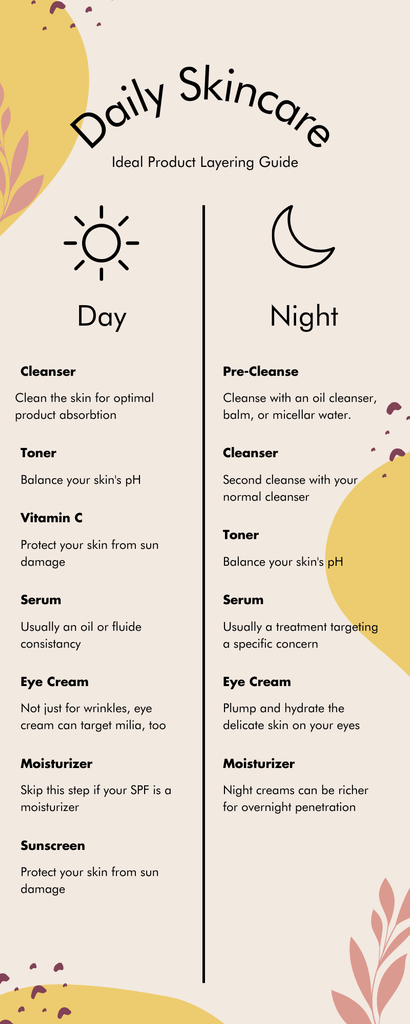
Your skin works hard all day, facing dirt, pollution, and stress. How you treat it at night can make a huge difference in how healthy and glowing it looks.
Imagine waking up to softer, clearer skin every morning without spending hours on complicated routines. This night routine for skin care is simple, effective, and designed just for you. Keep reading to discover easy steps that will transform your skin while you sleep.
Your best skin ever is just a few nights away.
Benefits Of A Night Routine
Having a night routine for skin care does more than just keep your skin clean. It prepares your skin to heal and renew itself while you rest. You might notice more glow, fewer breakouts, and a fresher look after a few weeks of consistent care.
Improved Skin Repair And Regeneration
Your skin works hardest at night to repair damage from the day. A proper night routine supports this natural process by providing hydration and nutrients. Without it, your skin can struggle to bounce back from daily stressors like pollution or sun exposure.
Have you ever woken up to dull, tired skin? That’s a sign your night routine might need a boost.
Better Hydration And Moisture Retention
Nighttime is ideal for deep moisturizing because your skin isn’t exposed to harsh elements. Applying a moisturizer before bed locks in hydration and helps prevent dryness. This keeps your skin soft and supple, reducing the chances of irritation or flaking.
Reduction In Signs Of Aging
Using targeted products at night can reduce wrinkles and fine lines. Ingredients like retinol or peptides work best when your skin is at rest. Over time, you’ll see firmer, smoother skin that looks naturally younger.
Enhanced Effectiveness Of Skincare Products
At night, your skin is more receptive to active ingredients. Without makeup or sunscreen blocking absorption, products penetrate deeper. This means you get the full benefit of your serums and treatments.
Stress Relief And Mindful Self-care
Taking time for your skin at night creates a calming routine that signals your body to relax. This simple act can lower stress and improve your sleep quality. Isn’t it nice to end your day with a moment just for you?
Cleansing Techniques
Cleansing is the foundation of any effective night skincare routine. It removes dirt, makeup, and pollutants that accumulate on your skin throughout the day. Mastering the right cleansing techniques can dramatically improve how your skin feels and looks by morning.
Double Cleansing Method
The double cleansing method involves two steps: first, using an oil-based cleanser to dissolve makeup and sunscreen, and second, a water-based cleanser to remove sweat and impurities.
This technique ensures a deeper clean without stripping your skin’s natural oils. I noticed my skin felt less tight and looked more radiant after switching to double cleansing. Could your skin benefit from this extra step?
- Start with a gentle oil cleanser, massaging it into dry skin.
- Add water to emulsify the oil, then rinse thoroughly.
- Follow with a gentle foaming or gel cleanser suited to your skin type.
Choosing The Right Cleanser
Not every cleanser suits every skin type. Selecting one that matches your skin’s needs can prevent irritation and dryness.
For oily skin, look for lightweight, non-comedogenic formulas that control shine without harsh chemicals. Dry skin benefits from creamy, hydrating cleansers that add moisture while cleaning.
| Skin Type | Recommended Cleanser | Key Benefits |
|---|---|---|
| Oily | Gel or foaming cleanser | Controls oil, unclogs pores |
| Dry | Cream or milk cleanser | Hydrates, soothes skin |
| Sensitive | Fragrance-free, gentle cleanser | Reduces irritation, calms skin |
| Combination | Balancing cleanser | Maintains moisture, controls oil |
Have you noticed how your skin reacts to different cleansers? Paying attention to those signals helps you pick the perfect product for your nightly routine.
Exfoliation Tips
Exfoliation plays a key role in a night skincare routine. It removes dead skin cells and clears pores. This helps your skin absorb products better. Exfoliating also brings a fresh, glowing look. Knowing the right exfoliants and timing keeps skin healthy and smooth.
Types Of Exfoliants
Exfoliants come in two main types: physical and chemical.
- Physical exfoliantsuse small particles or brushes to scrub the skin. They remove dead skin through friction.
- Chemical exfoliantsuse acids or enzymes to dissolve dead skin cells gently. They often work deeper than physical types.
Common chemical exfoliants include AHAs (like glycolic acid) and BHAs (like salicylic acid). Each type suits different skin needs. Choose based on your skin sensitivity and concerns.
How Often To Exfoliate
Exfoliating too often can cause irritation and dryness. Most skin types benefit from exfoliating 2 to 3 times per week. Sensitive skin may need less, around once a week.
Observe how your skin reacts. If redness or tightness occurs, reduce frequency. Always follow exfoliation with moisturizer to protect skin barrier.
Toning Essentials
Toning plays a key role in your night skin care routine. It helps remove leftover dirt and oil after cleansing. Toning also balances your skin’s pH levels. This step prepares your skin for better absorption of serums and moisturizers. Choosing the right toner and applying it correctly can improve your skin’s health and glow.
Selecting A Suitable Toner
Pick a toner based on your skin type. For dry skin, choose hydrating toners with ingredients like aloe vera or glycerin. Oily skin benefits from toners with salicylic acid or witch hazel to control oil. Sensitive skin needs gentle, alcohol-free formulas to avoid irritation. Look for natural ingredients and avoid harsh chemicals. Always check the label for your skin’s needs.
Application Methods
Use a cotton pad or your clean hands to apply toner. Pour a small amount on the cotton pad and gently swipe it over your face. Avoid rubbing or pulling the skin. Using hands, warm the toner slightly, then pat it onto your skin. This helps the toner absorb better. Let it dry naturally before applying other products. Consistency in application gives the best results.
Serums And Treatments
Serums and treatments play a vital role in your night skin care routine. They deliver powerful ingredients deep into the skin. These concentrated formulas target specific concerns like wrinkles, dullness, and uneven tone. Using them at night helps your skin repair and renew while you sleep.
Popular Ingredients For Night Use
- Retinol:Boosts collagen and reduces fine lines.
- Hyaluronic Acid:Hydrates and plumps the skin.
- Vitamin C:Brightens and evens skin tone.
- Niacinamide:Soothes and strengthens the skin barrier.
- Peptides:Support skin firmness and elasticity.
- Alpha Hydroxy Acids (AHAs):Exfoliate dead skin cells gently.
Layering Serums Effectively
Apply serums in order of thickness, from thinnest to thickest. Start with water-based serums. Follow with oil-based or heavier treatments. Allow each layer to absorb before adding the next. This method helps your skin absorb all the benefits.
Do not mix too many active ingredients at once. Combine only those that work well together. For example, use retinol on some nights and vitamin C on others. This reduces irritation and improves results.
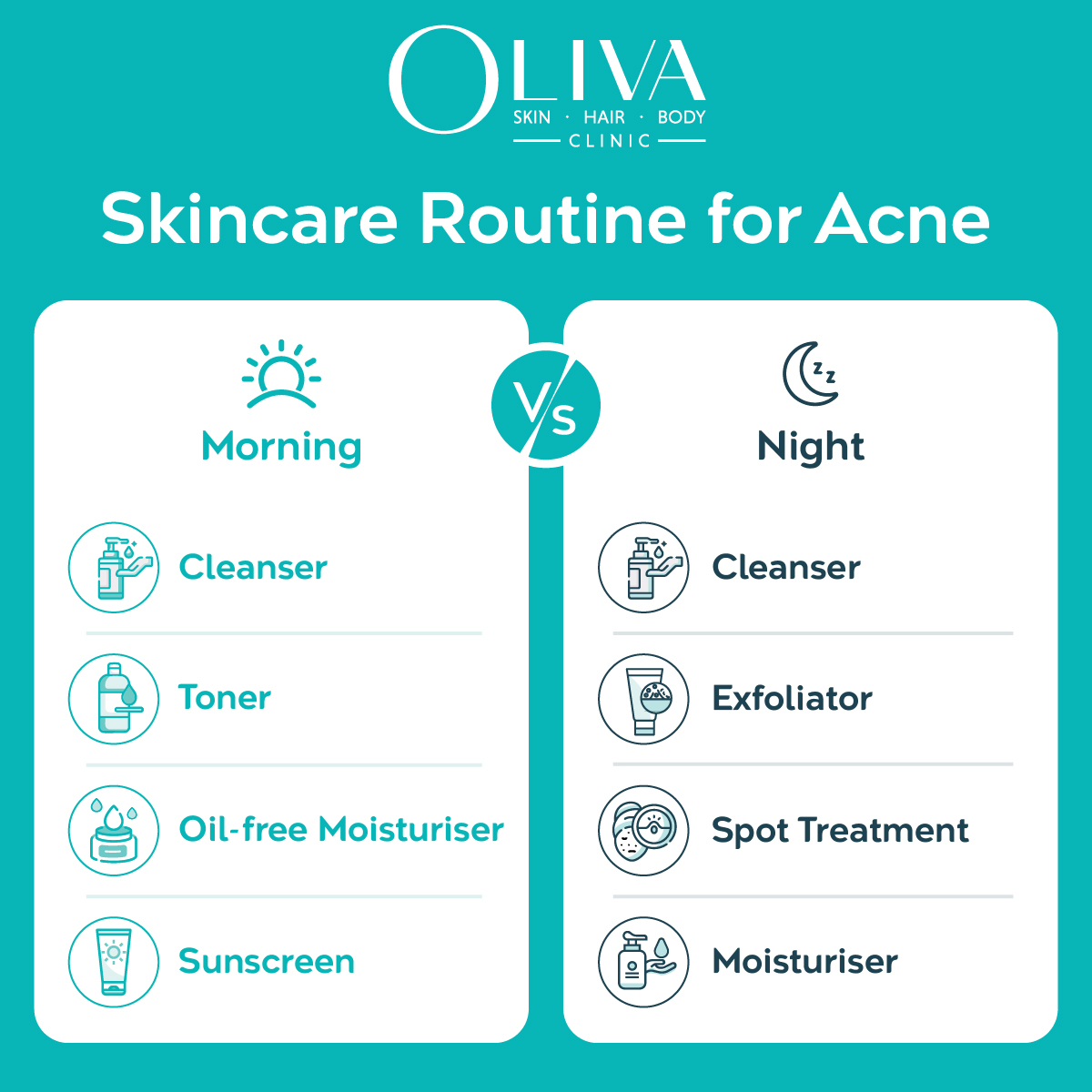
Credit: www.olivaclinic.com
Moisturizing Steps
Moisturizing is a vital part of your night skincare routine. It helps lock in hydration and repairs your skin while you sleep. Choosing the right product and using it correctly can make a noticeable difference in your skin’s texture and glow.
Night Cream Vs. Day Cream
Night creams are thicker and richer than day creams. They contain ingredients like retinol, peptides, and antioxidants that support skin repair overnight. Day creams often include SPF and lighter moisturizers to protect your skin from sun damage and keep it fresh during the day.
If you’ve ever used day cream at night, you might have noticed your skin feels greasy or not as nourished. Night creams absorb slowly, providing longer-lasting moisture. Consider switching to a night-specific formula to help your skin regenerate while you rest.
Hydration Tips
Hydrating your skin well at night can improve your skin barrier and prevent dryness. Try applying moisturizer on slightly damp skin to trap moisture better. Adding a hydrating serum before your moisturizer can also boost results.
Ask yourself: are you drinking enough water throughout the day? Hydration starts from within. Remember, a well-moisturized skin feels soft and looks radiant, making your night routine more effective.
Eye Care Routine
Your eye area deserves special attention every night. The skin around your eyes is delicate and often shows signs of tiredness and aging first. A simple, consistent eye care routine can make a noticeable difference in how fresh and rested your eyes look.
Reducing Puffiness
Do you wake up with swollen eyes? Puffiness can be a sign of fluid retention or lack of sleep. Try using a cold compress or chilled spoons on your eyes for a few minutes before applying any product. This little trick helps shrink blood vessels and reduce swelling.
Choose an eye cream with caffeine or green tea extract. These ingredients improve circulation and ease puffiness effectively. Gently tap the cream around your eyes using your ring finger—it applies the least pressure to this sensitive area.
Preventing Dark Circles
Dark circles can make you look tired, even if you’ve had a good night’s rest. Are you drinking enough water throughout the day? Hydration plays a huge role in maintaining skin brightness.
Look for eye products containing vitamin C, niacinamide, or hyaluronic acid. These help brighten the under-eye area and strengthen the skin barrier. Consistency is key—apply your eye cream every night and watch the difference over time.
Consider your sleep position. Sleeping on your back with your head slightly elevated helps prevent fluid buildup that can worsen dark circles. Have you tried adjusting your pillow yet?

Credit: www.reddit.com
Additional Nighttime Tips
Adding a few extra steps to your nighttime skin care routine can make a big difference in how your skin looks and feels. Sometimes, small habits or overlooked details can either help your skin heal overnight or cause unexpected issues. Let’s look at some practical tips that can enhance your routine and help you avoid common pitfalls.
Avoiding Common Mistakes
Many people think more products mean better results, but too much can irritate your skin. Are you using harsh cleansers or scrubbing too hard before bed? This can strip away your skin’s natural oils, leaving it dry and vulnerable.
Another mistake is skipping moisturizer after cleansing. Even oily skin needs hydration to repair itself at night. Try a lightweight, non-comedogenic moisturizer that suits your skin type.
Also, don’t forget to change your pillowcases regularly. Dirty pillowcases can harbor bacteria and oils that cause breakouts. How often do you refresh yours?
Lifestyle Habits For Better Skin
Your nighttime routine isn’t just about the products you use; your daily habits play a huge role. Drinking enough water during the day keeps your skin hydrated and glowing by bedtime. I noticed a big improvement once I started carrying a water bottle everywhere.
Sleep quality matters too. Poor sleep can increase stress hormones, causing skin to look dull and tired. Try setting a consistent bedtime and reducing screen time before sleep to help your skin rejuvenate.
Lastly, watch your diet. Foods high in sugar and processed ingredients can trigger inflammation, leading to breakouts and redness. Have you tried adding more fruits and veggies to your evening meals?
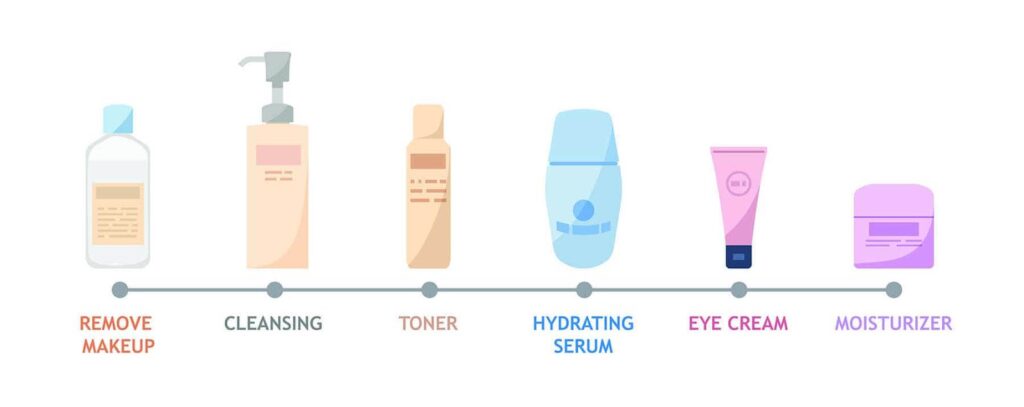
Credit: colairbeautylounge.com
Frequently Asked Questions
What Are The Essential Steps In A Night Skin Care Routine?
A night skin care routine should include cleansing, toning, and moisturizing. Use gentle products to remove dirt and makeup. Apply serums or treatments for targeted concerns. Finish with a nourishing night cream to hydrate and repair skin overnight.
How Often Should I Exfoliate In My Night Routine?
Exfoliate 1-3 times a week depending on your skin type. Over-exfoliation can cause irritation and dryness. Choose a gentle exfoliant to remove dead skin cells. This helps improve skin texture and allows better absorption of night care products.
Can Night Skin Care Prevent Aging Signs?
Yes, a consistent night routine can reduce aging signs. Using products with retinol or peptides boosts collagen and cell renewal. Hydrating creams help maintain skin elasticity and firmness. Protecting skin at night aids in repair and slows down aging effects.
Is It Necessary To Remove Makeup Before Bed?
Always remove makeup before bed to prevent clogged pores. Leaving makeup on can cause breakouts and dull skin. Use a gentle makeup remover or cleansing oil. This step is crucial to maintain healthy, clear, and radiant skin.
Conclusion
Creating a simple night routine transforms your skin care journey. Cleanse gently, removing daily dirt and makeup. Apply a toner to balance your skin’s pH. Use a serum for targeted treatment, addressing specific skin concerns. Moisturize to lock in hydration and keep skin supple.
Consider using an eye cream to reduce puffiness and dark circles. Sleep on clean pillowcases for added skin health. Consistency in your routine brings visible results over time. A peaceful night ensures a refreshed, glowing morning look. Prioritize your skin, and it will thank you with a radiant appearance.
