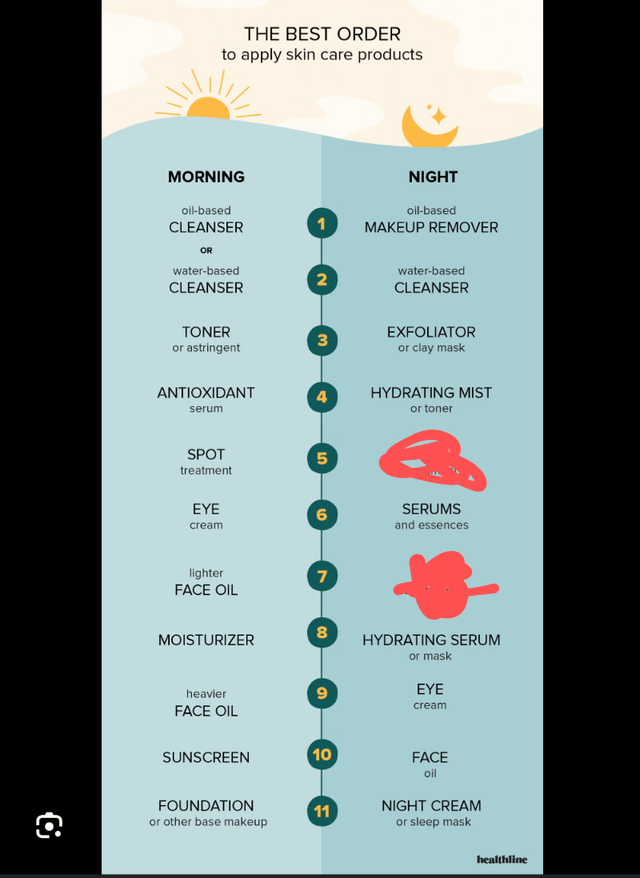
Are you tired of waking up with dull, tired skin despite your nightly efforts? The secret to glowing skin isn’t just the products you use—it’s the order in which you apply them.
Your skin works hard to repair itself while you sleep, but if your routine is out of order, you might be blocking those benefits. In this post, you’ll discover the exact steps to follow for the perfect night skincare routine.
By the end, you’ll know how to maximize every product’s power and wake up with skin that truly shines. Keep reading—your best skin ever is just a few steps away.
Cleanse Thoroughly
Thorough cleansing is the first and most crucial step in your night skincare routine. It removes dirt, oil, and makeup that build up during the day. Cleansing well helps your skin absorb other products better. It also prevents clogged pores and breakouts. Taking time to cleanse properly sets a strong foundation for healthy skin.
Choose The Right Cleanser
Select a cleanser that suits your skin type and concerns. For dry skin, use a gentle, hydrating cleanser. Oily skin benefits from a foaming or gel cleanser that controls oil. Sensitive skin needs fragrance-free and mild formulas. Use a cleanser that removes impurities without stripping moisture. Avoid harsh ingredients that cause irritation or redness.
Double Cleansing Method
Double cleansing means washing your face twice in a row. The first cleanse removes makeup and sunscreen. Use an oil-based cleanser or balm for this step. The second cleanse cleans deep into pores. Use a water-based cleanser like gel or foam. This method ensures your skin is truly clean. It helps prevent acne and keeps skin fresh.
Exfoliate Gently
Exfoliating gently is a crucial step in your nighttime skincare routine. It helps remove dead skin cells and keeps your skin smooth without causing irritation. Being gentle ensures your skin stays healthy and glowing rather than red or sensitive.
Physical Vs Chemical Exfoliants
Physical exfoliants use small particles or tools to scrub away dead skin. These can be sugar scrubs, brushes, or beads. But, if you scrub too hard, you might damage your skin’s surface.
Chemical exfoliants use acids like AHAs or BHAs to dissolve dead skin cells. They work deeper and often more evenly. Many people find chemical exfoliants easier to control because they don’t rely on scrubbing.
Think about your skin type before choosing. If your skin is sensitive, chemical exfoliants might be safer. For tougher skin, gentle physical exfoliants can work well, but avoid harsh scrubbing.
Frequency And Timing
How often should you exfoliate at night? It depends on your skin’s needs and the exfoliant type. Generally, 2-3 times a week is enough for most skin types.
Exfoliating too often can dry out or irritate your skin. I once exfoliated every night and ended up with redness and tightness. Cutting back improved my skin’s texture and comfort dramatically.
Apply exfoliants after cleansing but before moisturizing. This timing helps your skin absorb the benefits fully. Avoid exfoliating right before heavy treatments or if your skin feels raw.
Apply Toner
Applying toner is a crucial step in your nighttime skincare routine that often gets overlooked. It prepares your skin to absorb the following products better and helps restore your skin’s natural balance after cleansing. Adding toner to your routine can transform how your skin feels and looks by tightening pores and refreshing your face.
Benefits Of Toner
Toner helps remove any leftover dirt, oil, or makeup residue your cleanser might have missed. It balances your skin’s pH, which is essential for maintaining healthy skin and preventing breakouts. Using toner can also soothe irritation and reduce redness, especially if you choose formulas with calming ingredients like chamomile or aloe vera.
Think about how your skin feels after washing your face—often tight or dry. A good toner adds a layer of hydration, which softens your skin and makes it ready for serums and moisturizers. It even helps control excess oil without stripping your skin, which can be a game-changer if you struggle with oily or combination skin.
How To Apply Toner Correctly
Start by cleansing your face thoroughly, then apply toner while your skin is still slightly damp to lock in moisture. Pour a small amount of toner onto a cotton pad or your palms—both work well depending on the product’s texture. Gently swipe the cotton pad over your face or pat the toner in with your hands, avoiding harsh rubbing.
Pay special attention to areas prone to oiliness or dryness to ensure even coverage. Avoid the eye area unless the toner is specifically designed for sensitive skin around the eyes. Let the toner absorb fully before moving on to serums or moisturizers to maximize its benefits.
Have you noticed your skin feels different when you skip toner at night? That’s because this simple step can change your skin’s texture and response to other products. Try applying toner consistently for a week and observe how your skin reacts—you might find it’s the missing piece in your routine.

Credit: www.bellinispdx.com
Use Serums
Serums play a vital role in a night skincare routine. They deliver strong ingredients deep into the skin. Serums focus on specific skin needs like hydration, brightening, or anti-aging. Using serums correctly can improve skin texture and appearance. They are lightweight, so they absorb quickly without clogging pores.
Targeted Treatments
Serums contain active ingredients that target skin concerns. Choose serums based on your skin’s needs:
- Vitamin C for brightening and evening skin tone
- Hyaluronic acid for deep hydration
- Retinol for reducing wrinkles and boosting cell turnover
- Niacinamide for calming redness and balancing oil
Apply serums to clean skin. This helps the ingredients work better. Each serum should address one main skin concern for best results.
Layering Serums Properly
Use serums in the right order to avoid product clashes. Follow this simple rule:
- Apply the thinnest, water-based serum first
- Next, use thicker, oil-based serums or creams
- Wait a few moments between layers to let each absorb
Layering allows each serum to penetrate deeply without mixing. This technique maximizes the benefits of every product used.
Moisturize Well
Moisturizing well at night is a crucial step in your skincare routine. It helps repair your skin after a long day and keeps it hydrated throughout the night. Skipping this step can leave your skin dry, flaky, and prone to irritation.
Choosing Night Creams
Night creams are usually richer than daytime moisturizers. Look for ingredients like hyaluronic acid, ceramides, and peptides to support skin repair and hydration. If you have sensitive skin, pick creams labeled as fragrance-free or hypoallergenic to avoid irritation.
Think about your skin type when selecting a night cream. Oily skin benefits from lightweight, non-comedogenic formulas, while dry skin needs thicker creams with nourishing oils. Have you noticed how different creams feel on your skin? That can guide you to the right choice.
Locking In Hydration
After applying your serum or treatment, seal everything in with your night cream. This step traps moisture and active ingredients, maximizing their effect overnight. It’s like creating a protective barrier that keeps your skin soft and plump.
Try gently massaging the cream into your skin using upward strokes. This not only helps absorption but also stimulates circulation. Ever tried this? It can make your skincare feel more like self-care.
Eye Care
The skin around the eyes is thin and delicate. It needs special care to stay healthy and youthful. Nighttime is perfect for eye care. The skin repairs itself while you sleep. Using the right products and techniques helps reduce puffiness, dark circles, and fine lines.
Selecting Eye Creams
Choose an eye cream made for your skin type. Look for ingredients like hyaluronic acid for hydration. Peptides help boost collagen and firmness. Caffeine can reduce puffiness and dark circles. Avoid heavy creams that may clog pores. Pick a lightweight formula for gentle care.
Application Techniques
Use your ring finger to apply eye cream. It applies the least pressure on delicate skin. Dab small dots of cream under your eyes. Gently tap the cream from inner to outer corners. Do not rub or pull the skin. Let the cream absorb fully before bed.
Spot Treatments
Spot treatments are powerful products used to target specific skin issues like pimples, dark spots, or redness. They work by delivering active ingredients directly to problem areas. Using spot treatments helps speed up healing and reduces visible marks on the skin. It is important to apply them correctly to avoid irritation and get the best results.
Acne And Blemish Care
Spot treatments for acne often contain ingredients like benzoyl peroxide, salicylic acid, or sulfur. These help to kill bacteria, unclog pores, and reduce inflammation. Applying a small amount only on the pimple helps to avoid drying out the surrounding skin. Regular use can reduce the size and redness of blemishes overnight.
When To Apply Spot Treatments
Apply spot treatments after cleansing and toning your skin but before moisturizing. This allows the active ingredients to reach the skin directly. Dab a small amount on the affected area using clean fingers or a cotton swab. Avoid mixing spot treatments with heavy creams immediately to prevent irritation. Use spot treatments only on active spots, not on the whole face.
Use Facial Oils
Facial oils are a powerful addition to your nighttime skincare routine. They lock in moisture and provide deep nourishment while you sleep. Using oils can transform your skin, making it feel softer and look more radiant by morning.
Benefits Of Oils At Night
Oils create a protective barrier that prevents moisture loss. This is crucial because your skin tends to lose hydration during the night. Oils also deliver essential fatty acids and antioxidants, which help repair skin damage and reduce inflammation.
Have you noticed how your skin feels dry or tight after cleansing? Facial oils can restore balance and prevent that uncomfortable feeling. They are especially helpful if you use treatments like retinol or acids, which can dry out your skin.
How To Incorporate Oils
After cleansing and applying your serum, gently press a few drops of oil onto your face. Avoid rubbing harshly; instead, use light tapping motions to help the oil absorb better. If your skin is oily or acne-prone, choose non-comedogenic oils like jojoba or squalane.
You can also mix a drop of oil with your moisturizer for added hydration. This simple step can make a big difference in how your skin feels and looks by morning. Have you tried adding oils to your routine yet, or do you worry they might clog your pores?
Night Masks And Treatments
Night masks and treatments play a vital role in a skincare routine. They work deeply to repair and nourish skin while you sleep. Choosing the right product depends on your skin type and concerns. Using these products correctly enhances skin texture and glow.
Overnight Masks
Overnight masks create a protective layer on your skin. They lock in moisture and active ingredients for hours. These masks are thicker than regular moisturizers. They help skin stay hydrated and soft by morning.
Apply the mask as the last step before bed. Avoid using too much to prevent clogged pores. Ingredients like hyaluronic acid and ceramides are common in overnight masks. They support skin barrier repair and hydration.
Retinol And Other Active Ingredients
Retinol is a popular night treatment ingredient. It boosts cell turnover and reduces fine lines. Start with a low concentration to avoid irritation. Use it a few times a week and increase slowly.
Other active ingredients include:
- Vitamin C for brightening
- Peptides for firming
- AHAs and BHAs for gentle exfoliation
Apply these treatments after cleansing and toning but before moisturizing. Always follow product instructions carefully. Nighttime is ideal for actives as skin repairs itself during sleep.

Credit: www.pennsmithskincare.com
Tips For Consistency
Consistency is key to seeing real results from your night skincare routine. Sticking to a regular schedule helps your skin adjust and improve over time. Small habits can make a big difference. Focus on making your routine simple and enjoyable to keep it up each night.
Creating A Routine That Works
Choose steps that fit your lifestyle and skin needs. Too many products can feel overwhelming. Keep your routine short and effective. Use gentle cleansers, moisturizers, and treatments that you like. Set a reminder or do your routine at the same time every night. This builds a habit and makes it easier to remember.
- Prepare your products before bedtime
- Use a gentle cleanser first
- Apply treatments or serums next
- Finish with a moisturizer to lock in hydration
Adjusting For Skin Types
Not all skin reacts the same way to products. Dry skin needs more hydration and gentle care. Oily skin benefits from light, non-comedogenic products. Sensitive skin requires fragrance-free and soothing ingredients. Normal skin can use a balanced routine. Pay attention to how your skin feels and adjust products as needed. Avoid harsh scrubs or strong acids if your skin is irritated.
Credit: medium.com
Frequently Asked Questions
What Is The Correct Order For A Night Skincare Routine?
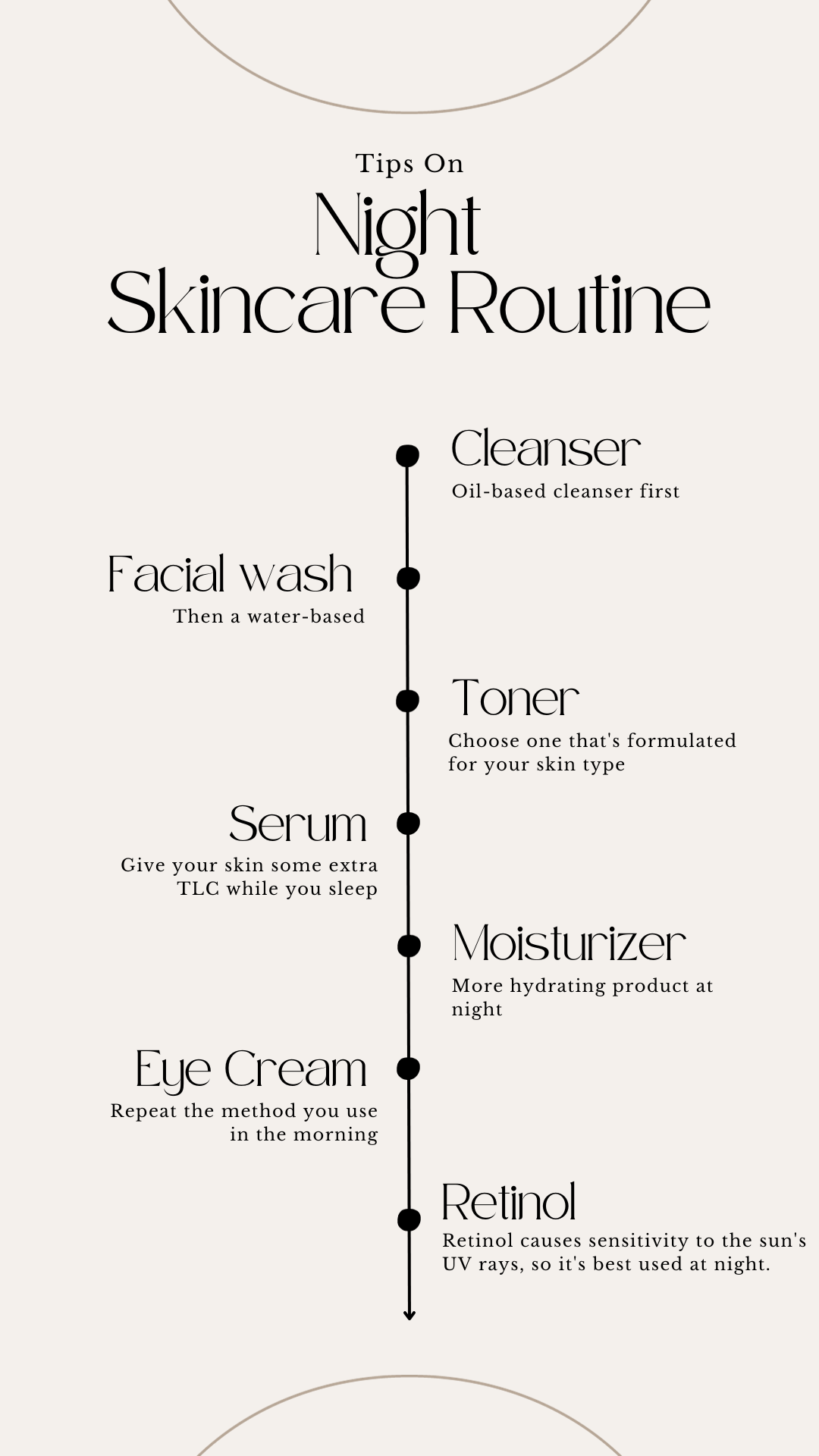
Start with cleansing to remove dirt. Follow with toner, serum, eye cream, moisturizer, and finally, face oil if needed. This order ensures maximum absorption and effectiveness of each product.
How Many Steps Should A Night Skincare Routine Have?
A simple night routine has 4 to 6 steps. It includes cleansing, toning, treatment, moisturizing, and optional oil or mask. Keeping it consistent is more important than the number of steps.
Can I Apply Serum Before Moisturizer At Night?
Yes, apply serum before moisturizer. Serums have smaller molecules that penetrate deeply. Moisturizer locks in hydration and serum benefits. This order maximizes product effectiveness overnight.
Is It Necessary To Use Toner In The Night Routine?
Using toner at night helps balance skin pH and remove leftover impurities. It preps skin for better absorption of serums and moisturizers. However, it’s optional if your cleanser is gentle and effective.
Conclusion
A well-ordered skincare routine is essential at night. It helps skin repair and rejuvenate. Start with cleansing to remove impurities. Next, apply toner for balanced skin. Use serums for targeted treatment. Moisturizers keep the skin hydrated. Don’t forget eye cream for delicate areas.
Consistency is key for visible results. Over time, your skin becomes healthier. Glows more, feels smoother. Make these steps a nightly habit. Your skin will thank you. Healthy skin boosts confidence. Remember, patience is important for skincare success. Stick to your routine every night.
Enjoy the benefits of well-cared skin. Sleep well, wake up radiant.
