Is your bleached hair feeling dry, brittle, or lifeless? You’re not alone.
Many people experience the same struggle after lightening their locks. But don’t worry; there’s hope for your hair. In this guide, you’ll discover simple yet effective ways to bring your bleached, damaged hair back to life. Imagine running your fingers through soft, healthy strands that shine with vitality.
This isn’t just wishful thinking—it’s entirely possible. Keep reading to find out how you can transform your hair with a few easy steps and a little TLC. Your dream hair is just a few minutes away.
Causes Of Damage In Bleached Hair
Bleaching your hair can transform your look, but it often comes with unwanted damage. Understanding what causes this damage is the first step to protecting your hair. Let’s break down the main reasons why bleached hair becomes fragile and brittle.
Chemical Effects Of Bleaching
The bleaching process uses strong chemicals to strip your hair of its natural color. These chemicals break down the melanin pigment inside your hair strands, which weakens the hair’s structure.
This breakdown causes your hair to lose moisture and protein, making it dry and prone to breakage. If you’ve ever felt your hair turning rough or straw-like after bleaching, this is why. Have you noticed your hair snapping easily after a color change?
Environmental Factors
Your environment plays a big role in how damaged your bleached hair becomes. Sun exposure can dry out hair further, while pollution can clog your scalp and weaken follicles.
Wind and humidity also stress your hair, causing tangles and frizz that lead to more breakage. Think about how your hair feels after a long day outside—does it look dull or feel brittle?
Heat Styling Impact
Using hot tools like straighteners, curling irons, or blow dryers adds extra stress to already fragile bleached hair. Heat removes natural oils and dries out the hair shaft, increasing damage.
Repeated heat styling can cause split ends and breakage much faster than you might expect. How often do you use heat on your hair after bleaching? Reducing heat can make a big difference in keeping your hair healthy.

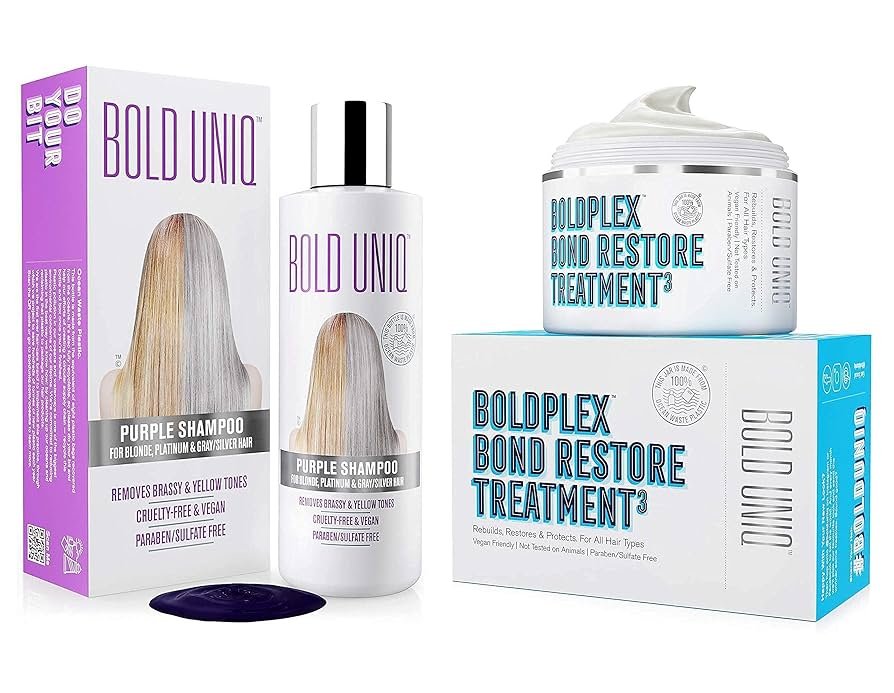
Credit: www.amazon.com
Signs Of Bleach Damage
Bleaching hair can cause serious damage that affects its health and appearance. Recognizing the signs of bleach damage early helps you care for your hair better. Damaged hair looks and feels different. It needs special attention to heal and stay strong.
Dryness And Brittleness
Bleach strips natural oils from the hair. This leaves hair dry and rough to touch. Dry hair breaks easily and feels stiff. It loses softness and smoothness. Brittle hair snaps quickly when brushed or styled.
Split Ends And Breakage
Bleached hair often develops split ends. These are cracks at the tips of hair strands. Split ends make hair look frizzy and unhealthy. Hair breakage happens more frequently with bleach damage. It causes uneven hair length and thinning.
Loss Of Shine And Elasticity
Healthy hair reflects light and looks shiny. Bleached hair can appear dull and lifeless. The natural bounce or stretchiness of hair fades. Hair becomes stiff and less flexible. Loss of elasticity means hair breaks more during styling.
Daily Care Routine
Maintaining bleached, damaged hair demands a daily care routine that focuses on gentle handling and hydration. Each day, your hair needs attention that repairs and protects rather than stresses it further. What small changes can you make to keep your strands strong and vibrant every day?
Gentle Cleansing Tips
Choose shampoos that are sulfate-free and designed for damaged or color-treated hair. These shampoos clean without stripping natural oils, which bleached hair desperately needs to retain moisture.
Wash your hair with lukewarm water instead of hot. Hot water can open the hair cuticles too much, leading to more dryness and breakage.
Try not to wash your hair daily. Washing every other day or even less often helps preserve natural oils and reduces damage.
Moisturizing And Conditioning
Use a rich, hydrating conditioner every time you wash your hair. Focus on the mid-lengths to ends, where damage is usually worst.
Deep condition once a week with a protein-rich mask to rebuild strength. I noticed my hair stopped breaking as much once I started this simple addition.
Leave-in conditioners or hair oils work wonders for daily moisture and protection. Apply a small amount to damp hair before styling to lock in hydration.
Protective Styling Choices
Opt for loose hairstyles that don’t pull on your roots or fragile ends. Tight ponytails or braids can cause breakage and stress already weakened hair.
Limit heat styling tools like straighteners and curling irons. If you must use them, always apply a heat protectant spray first.
Sleeping on a silk or satin pillowcase reduces friction that causes split ends and frizz. Have you tried switching your pillowcase to protect your hair overnight?
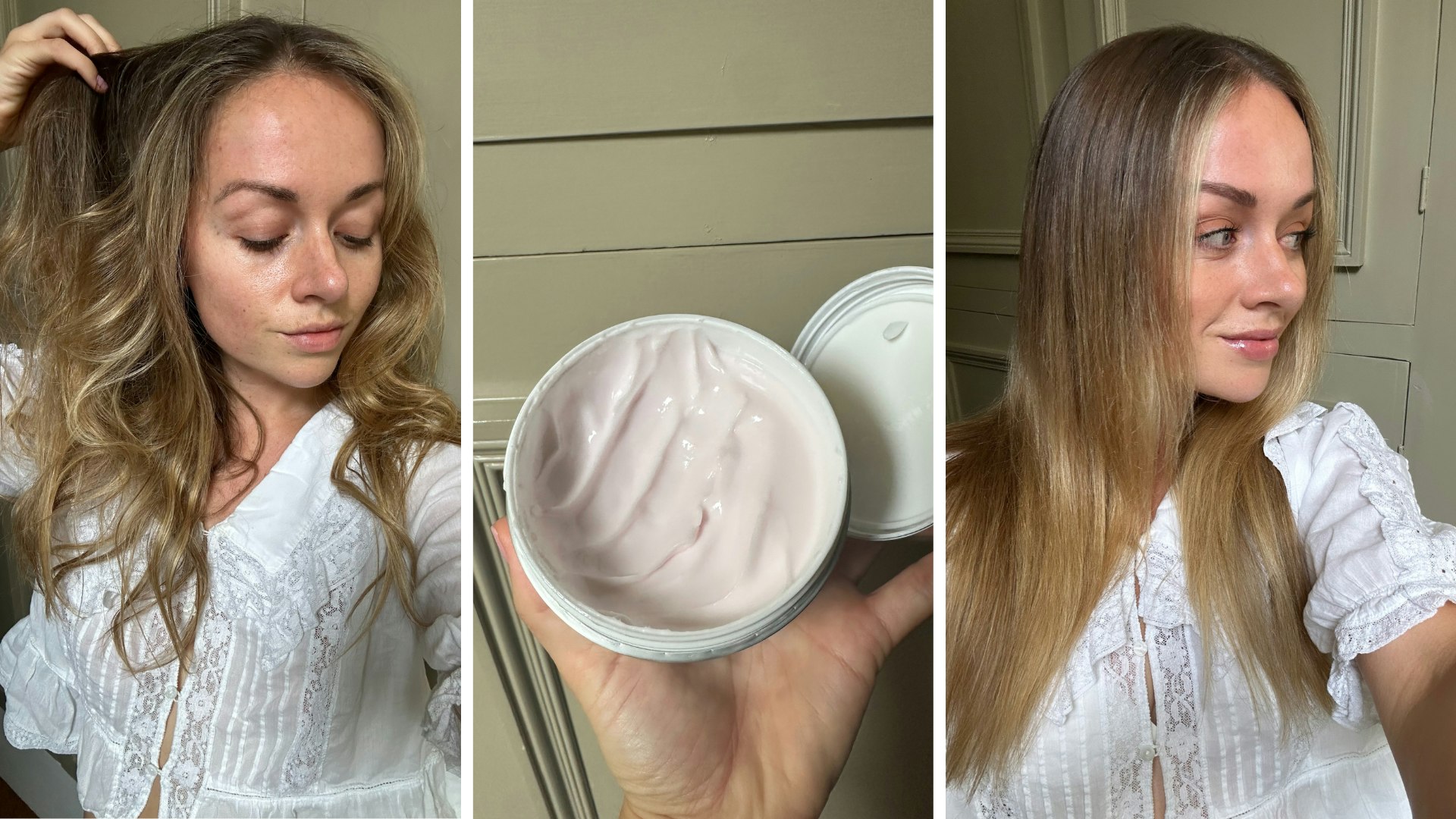
Credit: graziadaily.co.uk
Repair Treatments
Repair treatments are essential to bring life back to bleached, damaged hair. They work by restoring strength, moisture, and shine, which often get stripped away during bleaching. The key is to choose treatments that target both the protein loss and dryness caused by the chemical process.
Protein Masks And Strengtheners
Bleached hair loses protein, making it fragile and prone to breakage. Protein masks fill in the gaps in your hair’s structure, helping it become stronger and less likely to snap.
Look for masks containing keratin, collagen, or silk proteins. Apply them once or twice a week and leave them on for 10-20 minutes to see noticeable improvement. If you’ve ever tried a protein treatment and felt your hair stiff afterward, that’s a sign you might have used too much or too often.
Deep Conditioning Methods
Deep conditioning goes beyond your regular conditioner to hydrate hair intensely. It softens and smooths the cuticle, making hair easier to manage and less prone to frizz.
Try using a rich, creamy conditioner or a specialized deep conditioning mask. Apply it after shampooing, cover your hair with a warm towel or shower cap, and leave it for 30 minutes. This extra heat helps the conditioner penetrate deeper. Do you know how much more effective your conditioner can be with just a little warmth?
Oil Treatments For Nourishment
Oils seal moisture in your hair and provide essential nutrients that help repair damage. They also add shine and reduce split ends.
Popular choices include coconut oil, argan oil, and jojoba oil. Apply a small amount to damp hair, focusing on the ends, or use it as an overnight treatment once a week. Be careful not to overdo it—too much oil can weigh your hair down and make it look greasy.
Avoiding Further Damage
Bleached hair is fragile and needs extra care to prevent more damage. Avoiding further harm means being mindful about what you put on your hair and how you treat it daily. Small changes in your routine can make a big difference in keeping your hair healthy and strong.
Heat Protection Strategies
Heat styling tools can worsen damage on bleached hair quickly. Always use a heat protectant spray or serum before applying any heat. These products create a barrier that reduces moisture loss and shields your hair from high temperatures.
Try lowering the heat setting on your tools. Instead of blasting your hair at 400°F, set it closer to 300°F. This simple adjustment can help prevent breakage and split ends without sacrificing style.
Have you ever noticed how your hair feels after using a straightener or curling iron? If it’s dry or brittle, that’s a clear sign to rethink your heat routine. Protecting your hair starts with paying attention to these warning signals.
Limiting Chemical Exposure
Bleached hair has already been through a chemical process, so adding more can cause serious damage. Avoid frequent coloring, perming, or relaxing treatments until your hair has time to recover. Give your hair a break of several weeks or even months.
When you do need to touch up your color, ask your stylist for gentler alternatives like gloss treatments or semi-permanent dyes. These options are less harsh and help maintain your hair’s integrity.
Consider how often you use shampoos or conditioners with sulfates and parabens. These ingredients strip natural oils and dry out your hair further. Look for gentle, nourishing formulas designed for bleached or damaged hair.
Choosing The Right Hair Tools
The tools you use daily play a big role in either protecting or harming your bleached hair. Opt for brushes and combs with wide, smooth teeth to gently detangle without pulling.
Switching to tools made from materials like boar bristles or silicone can reduce static and breakage. Avoid metal or plastic combs with sharp edges that can snag and weaken strands.
Have you checked your hair ties recently? Elastic bands with metal parts can cause splits and breakage. Choose soft scrunchies or spiral hair ties that hold your hair without damage.
Boosting Shine And Smoothness
Bleached hair often loses its natural shine and smoothness, leaving it dull and rough to the touch. Restoring that glossy finish requires consistent care and the right products. Let’s look at some practical ways you can boost the shine and smoothness of your damaged strands.
Serums And Finishing Products
Serums designed for damaged hair can work wonders in restoring shine. Look for those with ingredients like argan oil, silicone, or vitamin E. They create a protective layer that smooths the hair surface and reflects light, making your hair look healthier instantly.
Apply a small amount to damp hair before styling or on dry hair to tame frizz. Don’t overdo it, or your hair might look greasy instead of glossy. Have you tried mixing a few drops of serum with your leave-in conditioner? It can amplify the smoothing effect without weighing hair down.
Cold Water Rinses
Rinsing your hair with cold water after washing can help seal the hair cuticles. Closed cuticles retain moisture better and reflect light more evenly. This simple step can make your hair look shinier and feel smoother without any extra product.
It might feel uncomfortable at first, but even a brief cold rinse can make a difference. Try ending your shower with a quick splash of cold water and notice how your hair reacts. Could this be the missing step in your hair care routine?
Regular Trims For Health
Split ends make hair look frizzy and dull, so trimming damaged ends is essential. Even if you’re growing your hair out, trimming every 6–8 weeks helps maintain smoothness and prevents further breakage.
Think of trims as a reset button for your hair’s health. You don’t need a big chop—just removing damaged ends can boost shine and manageability. When was the last time you scheduled a trim? It might be time to book one.
Lifestyle Factors Affecting Hair Health
Lifestyle plays a big role in hair health, especially for bleached and damaged hair. Daily habits affect how hair grows and repairs itself. Simple changes can make a big difference in hair strength and shine. Understanding these factors helps protect hair from further damage.
Balanced Diet And Hydration
Your hair needs nutrients to stay healthy and strong. Eating foods rich in vitamins and minerals supports hair repair. Protein, iron, and vitamins A, C, and E are vital for hair growth. Drinking enough water keeps hair hydrated and prevents dryness. Lack of nutrients makes hair brittle and weak.
Stress Management
Stress affects the body and hair health deeply. High stress can cause hair loss and slow growth. Finding ways to relax helps hair stay strong. Activities like walking, meditation, or hobbies reduce stress levels. Calm mind supports better hair repair and shine.
Sleep Quality And Hair Growth
Good sleep helps the body heal and grow hair. During sleep, the scalp gets more blood flow. This delivers oxygen and nutrients needed for hair repair. Poor sleep causes hair to weaken and fall out. Aim for 7-8 hours of restful sleep every night.
Credit: www.kerastase-usa.com
Frequently Asked Questions
How Can I Repair Bleached Damaged Hair At Home?
Use deep conditioning treatments weekly to restore moisture. Avoid heat styling and harsh chemicals. Apply natural oils like coconut or argan oil to strengthen hair strands and reduce breakage.
What Shampoo Is Best For Bleached Damaged Hair?
Choose sulfate-free shampoos with moisturizing ingredients. Look for products containing keratin, biotin, or argan oil. These help nourish and protect fragile bleached hair from further damage.
How Often Should I Trim Bleached Damaged Hair?
Trim every 6 to 8 weeks to remove split ends. Regular trims prevent damage from spreading and promote healthier hair growth.
Can Bleaching Cause Permanent Hair Damage?
Excessive bleaching can weaken hair structure and cause breakage. However, proper care and conditioning can minimize long-term damage and improve hair health.
Conclusion
Bleached hair needs gentle care to stay healthy and strong. Use nourishing shampoos and conditioners every time you wash. Avoid heat styling tools or keep heat low to reduce damage. Regular trims help remove split ends and keep hair neat.
Protect hair from sun and harsh weather by wearing hats or scarves. Patience and consistent care bring better results over time. Treat your hair kindly, and it will look shiny and soft again. Small daily habits make a big difference for bleached, damaged hair.