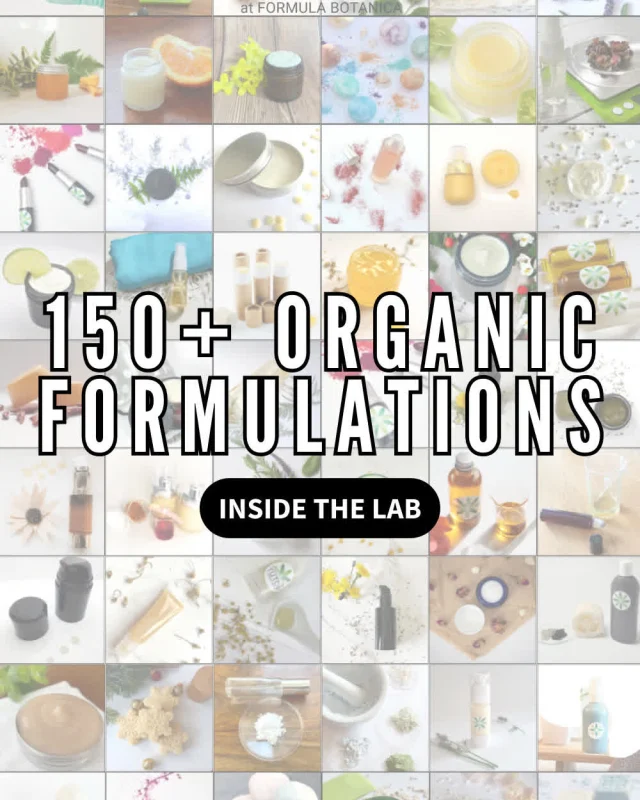
Unlock the secrets to radiant, healthy skin without spending a fortune. Imagine creating your own organic skincare products tailored specifically to your needs.
Sounds exciting, right? With free organic skincare formulation courses, you can transform this dream into reality. Whether you’re a skincare enthusiast or someone seeking a more natural approach, these courses offer invaluable insights into crafting safe, effective skincare solutions. Discover how easy it is to blend natural ingredients and create personalized products that nourish your skin while being gentle on the environment.
Dive in to learn how you can start formulating your own skincare products today!
Benefits Of Organic Skin Care
Choosing organic skin care products can change how your skin feels and looks. It’s not just about avoiding chemicals; it’s about embracing natural ingredients that work gently yet effectively. Understanding the benefits of organic skin care helps you make smarter choices for your health, wallet, and the planet.
Health Advantages
Organic skin care uses ingredients grown without synthetic pesticides or fertilizers. This means fewer harsh chemicals touching your skin, reducing the risk of irritation and allergies.
Many people notice clearer skin and less redness after switching to organic products. Have you ever wondered why some skincare routines leave your skin dry or inflamed? Organic formulations often contain natural oils and extracts that nourish and hydrate deeply.
Environmental Impact
Organic skin care supports farming methods that protect soil and water quality. It avoids harmful chemicals that can pollute rivers and harm wildlife.
Choosing organic means you contribute less to pollution and waste. Could your daily skincare routine actually help preserve the environment? Many organic brands use biodegradable packaging, further reducing environmental harm.
Cost-effectiveness
At first glance, organic skin care might seem more expensive. However, these products often require you to use less because they contain potent natural ingredients.
You may find yourself saving money over time by avoiding multiple products or treatments to fix skin problems caused by chemicals. Plus, learning to make your own organic formulations through free courses can cut costs drastically while giving you control over what goes on your skin.

Credit: www.schoolofnaturalskincare.com
Key Ingredients In Organic Formulations
Understanding the key ingredients in organic skin care formulations can transform how you create and use these products. Each component plays a unique role, affecting texture, scent, preservation, and skin benefits. Knowing these ingredients helps you make informed choices that suit your skin’s needs and your personal values.
Herbs And Botanicals
Herbs and botanicals are the heart of organic skin care. They provide natural antioxidants, vitamins, and minerals that nurture your skin deeply. Chamomile soothes irritation, while green tea offers powerful anti-aging benefits.
Think about the last time you used a product with calendula—it might have calmed redness or sped healing. These plants do more than smell good; they actively support skin health. Would you like to experiment with herbs that grow in your garden for your next formulation?
Essential Oils
Essential oils add more than fragrance—they bring therapeutic properties that can enhance skin care effects. Lavender oil calms and heals, tea tree oil fights acne, and rose oil hydrates and balances skin tone.
Be cautious with amounts; essential oils are potent and can irritate if overused. A little goes a long way in your formulations. Have you noticed how a drop of peppermint oil can refresh both your skin and your mood?
Natural Preservatives
Natural preservatives keep your organic skin care products safe and fresh without harsh chemicals. Ingredients like rosemary extract, grapefruit seed extract, and vitamin E help prevent spoilage and extend shelf life.
Using natural preservatives means your products stay effective longer while remaining gentle on your skin. What challenges have you faced trying to keep homemade skin care from spoiling quickly?
Popular Free Courses To Start With
Starting your journey in organic skin care formulation can feel overwhelming with so many options available. Choosing the right free course helps you build a strong foundation without any cost. Here are some popular free courses that many beginners find practical and easy to follow.
Top Online Platforms
You can find excellent free courses on platforms like Coursera, Udemy, and Alison. These sites offer beginner-friendly lessons taught by experts in natural beauty and skincare formulation. YouTube channels dedicated to DIY skincare also provide step-by-step videos that make learning hands-on and visual.
Many users appreciate Udemy for its clear structure, while Coursera provides more scientific background. Alison’s courses often combine theory with practical tips you can apply immediately. Are you someone who prefers video tutorials or written guides? Choosing a platform that fits your style can keep you motivated.
Course Content Highlights
Most free courses cover essential topics such as understanding skin types, natural ingredients, and basic formulation techniques. You’ll learn how to make lotions, creams, and serums using safe, organic ingredients. Some courses even explain how to read ingredient labels and avoid harmful chemicals.
Hands-on projects often encourage you to create your own products step-by-step. This practical approach helps you remember processes better than just reading theory. Have you ever tried mixing your own skincare products? These courses guide you safely through that experience.
Certification Opportunities
While many free courses offer knowledge without formal certification, some platforms provide certificates for a small fee or after completing assignments. Earning a certificate can boost your credibility if you plan to sell your products or work in the beauty industry.
Check if the course offers a certificate and what it entails before starting. A certificate may not be necessary if you’re learning just for personal use, but it adds value if you want to showcase your skills professionally. Would having a certificate motivate you to complete the course?
Basic Techniques In Skin Care Formulation
Understanding the basic techniques in skin care formulation is essential if you want to create your own effective and safe products. These foundational skills help you control every element of your formulation, ensuring each ingredient works well together. Mastering these techniques lets you customize products to suit your skin’s unique needs and preferences.
Extracting Active Ingredients
Extracting active ingredients from natural sources is a key step in making organic skin care products. You can use simple methods like infusion, where herbs soak in oils or water to release their benefits. Another common technique is cold pressing, which preserves the potency of delicate oils.
Have you ever tried making your own herbal oil at home? It’s a great way to understand how temperature and time impact the strength of your extracts. Remember, the quality of your active ingredients directly affects the final product’s effectiveness.
Blending And Mixing Methods
Blending and mixing are not just about combining ingredients; it’s about achieving the right texture and consistency. Gentle stirring is often enough for delicate mixtures, while emulsification is necessary when combining oil and water-based ingredients. Using the correct method ensures your product feels smooth and absorbs well on the skin.
Have you noticed how some creams feel greasy or too thick? That’s usually due to poor mixing techniques. Try using a hand whisk or a small blender to improve texture and make your skin care products more pleasant to use.
Storage And Shelf Life
Proper storage is crucial to maintain the potency and safety of your skin care products. Always store formulations in cool, dark places to prevent oxidation and bacterial growth. Using airtight containers helps extend shelf life and keeps your products fresh.
Do you check expiration dates on your products? Knowing the shelf life of homemade skin care items is just as important. Label your creations with the date made and recommended use period to avoid using expired products that might irritate your skin.
Advanced Tips For Customizing Products
Customizing organic skin care products takes your formulations from basic to truly personal. It’s about tuning each product to meet unique needs and conditions. Paying attention to small details can make a big difference in how your skin responds and thrives.
Tailoring For Different Skin Types
Your skin type shapes how a product performs. Dry skin craves rich oils like jojoba or avocado, while oily skin benefits from lighter ingredients such as aloe vera or witch hazel.
Think about adding ingredients based on texture and absorption. Sensitive skin often reacts to harsh additives, so soothing options like chamomile or calendula can keep irritation at bay.
Ask yourself: Have you tested your formula on various skin types? Adjusting the balance of oils, butters, and extracts ensures everyone gets the right care.
Incorporating Seasonal Ingredients
Seasonal changes affect your skin’s needs. In winter, nourishing ingredients like shea butter and honey help lock in moisture. Summer calls for lighter, cooling elements such as cucumber or green tea to refresh and protect.
Using seasonal herbs and flowers not only boosts your product’s effectiveness but also connects your skincare to nature’s cycles. It’s a simple way to keep your formulas fresh and relevant all year round.
Consider: How could your products adapt to the weather shifts your customers experience?
Enhancing Efficacy Naturally
Natural doesn’t mean less powerful. You can boost a product’s impact by choosing ingredients with proven benefits and combining them thoughtfully.
For example, adding vitamin C-rich rosehip oil can brighten skin, while tea tree oil offers natural antibacterial properties. A small tweak in formulation can elevate results without synthetic additives.
Have you experimented with layering ingredients that complement each other? This approach can turn simple products into skincare essentials your users won’t want to live without.
Credit: formulabotanica.com
Safety And Allergy Considerations
Safety and allergy considerations play a crucial role in organic skin care formulation. Understanding these factors helps prevent skin reactions and ensures product safety. Proper knowledge reduces risks and builds trust in your formulations.
Patch Testing Procedures
Patch testing checks for allergic reactions before full use. Apply a small amount of product on the inner arm or behind the ear. Leave it for 24 to 48 hours without washing. Watch for redness, itching, or swelling. No reaction means the product is likely safe for use. Always advise testing new products before regular application.
Avoiding Common Irritants
Some natural ingredients can cause irritation or allergies. Avoid strong essential oils like cinnamon or clove in high amounts. Limit preservatives known to trigger sensitivity, such as parabens. Use gentle, hypoallergenic ingredients suited for sensitive skin. Keep formulations simple to reduce allergic risks. Test each new ingredient separately before mixing.
Labeling And Ingredient Transparency
Clear labels help users avoid allergens and irritants. List all ingredients in plain language on your product label. Highlight potential allergens like nuts, gluten, or fragrances. Provide instructions for safe use and storage. Transparency builds confidence and helps users make informed decisions. Follow labeling guidelines to comply with safety standards.
Building A Personal Skin Care Routine
Building a personal skin care routine is more than just picking popular products. It’s about understanding what your skin truly needs and how different ingredients interact with your unique skin type. When you craft your own routine, you gain control over your skin’s health and can adjust based on how your skin reacts over time.
Daily Regimens
Your daily regimen should be simple yet effective. Start with cleansing to remove dirt and impurities without stripping your skin’s natural oils. Follow with a toner or essence to balance pH and prepare your skin for moisturizing.
Moisturizing is crucial to keep your skin hydrated and protected. Adding sunscreen in the morning shields your skin from harmful UV rays. A routine that fits your lifestyle and skin’s needs will feel effortless and rewarding.
Combining Products Safely
Not all skin care ingredients play well together. Mixing certain acids or active ingredients can cause irritation or reduce effectiveness. Always patch test new combinations on a small skin area before applying widely.
Start by pairing gentle products and introduce stronger actives gradually. Keep a list of what you use daily to avoid accidental overlaps. Understanding ingredient compatibility helps you avoid common pitfalls and keeps your skin calm and glowing.
Tracking Skin Responses
Pay close attention to how your skin reacts over days and weeks. Changes like redness, dryness, or breakouts are signals to adjust your routine. Keep a simple journal or use an app to note product use and skin condition.
This habit helps identify triggers and highlights what truly benefits your skin. Have you ever noticed how your skin changes with the weather or stress? Tracking responses empowers you to make informed tweaks rather than guessing.
Credit: formulabotanica.com
Turning Passion Into A Career
Turning a passion for organic skin care into a career is rewarding and practical. Free organic skin care formulation courses give essential skills without cost. They help learners create safe, natural products that people trust. This knowledge builds a strong foundation for future business ventures. Passion combined with skill can lead to a sustainable career in this growing industry.
Starting A Small Business
Starting a small business in organic skin care allows control over creativity. Begin with a clear plan and realistic goals. Use the skills learned to develop unique products. Focus on quality and natural ingredients to attract customers. Keep costs low by producing in small batches. Register your business and follow local regulations for selling cosmetics.
Marketing Organic Products
Marketing organic products needs a clear message about benefits and safety. Highlight the use of natural ingredients and eco-friendly processes. Use simple and honest language to build trust. Share customer testimonials and before-and-after photos. Utilize social media platforms to reach interested audiences. Offer samples or discounts to encourage first-time buyers.
Networking With Industry Experts
Networking with industry experts opens doors to knowledge and opportunities. Join online groups and forums focused on organic skin care. Attend workshops, webinars, and trade shows to meet professionals. Ask questions and share your own experiences. Collaborate on projects or product launches. Stay updated with trends and regulations through expert advice.
Frequently Asked Questions
What Are Free Organic Skin Care Formulation Courses?
Free organic skin care formulation courses teach making natural skin products. They cover ingredients, recipes, and safety tips. These courses help beginners and enthusiasts learn to create chemical-free skincare at home or professionally.
Who Can Benefit From Organic Skin Care Courses?
Anyone interested in natural beauty products benefits. Beginners, skincare professionals, and DIY enthusiasts gain knowledge on organic ingredients and formulations. These courses improve product quality and promote safe, eco-friendly skincare practices.
Are Free Courses Credible For Learning Skin Care Formulation?
Yes, many free courses are designed by experts. They offer reliable, research-based content and practical tips. However, always check course reviews and instructor credentials for authenticity and effectiveness.
What Topics Are Covered In Organic Skin Care Courses?
Courses cover natural ingredients, formulation techniques, skin types, and product safety. They also include recipes for creams, lotions, and serums. Some courses offer guidance on labeling and marketing organic products.
Conclusion
Free organic skin care formulation courses offer great learning chances. They teach natural ingredient use and safe making methods. Anyone can join, no special skills needed. These courses help create personal or small business products. Learning this skill saves money and supports healthy skin habits.
Start exploring free courses today and enjoy the benefits of organic skin care. Simple, natural, and effective—just what your skin deserves.
