
Are you tired of spending a fortune on skincare products that don’t always deliver? What if you could create your own effective, natural treatments right at home?
DIY skin care ingredients give you the power to take control of your beauty routine. Imagine knowing exactly what goes on your skin and choosing fresh, simple ingredients that nourish and protect. You’ll discover easy-to-find items that can transform your skin, saving you money and boosting your confidence.
Ready to unlock the secret to glowing skin with ingredients you already have? Keep reading—you won’t want to miss these game-changing tips.
Benefits Of Natural Skin Care
Natural skin care uses ingredients from plants, herbs, and minerals. These ingredients offer many benefits for skin health. They support skin’s natural balance without harsh chemicals. Many people prefer natural skin care for its purity and safety.
Gentle On Sensitive Skin
Natural ingredients are less likely to irritate skin. They avoid synthetic fragrances and harsh preservatives. This makes them ideal for sensitive or allergy-prone skin. Natural oils and extracts soothe redness and calm inflammation.
Rich In Nutrients
Plants provide vitamins, antioxidants, and minerals vital for skin. These nutrients help repair and protect skin cells. Ingredients like aloe vera, honey, and green tea nourish deeply. They support healthy, glowing, and youthful skin.
Eco-friendly Choices
Natural skin care ingredients often come from renewable sources. They break down easily without harming the environment. Using natural products reduces chemical pollution. This choice supports sustainable farming and biodiversity.
Common Diy Ingredients
Many DIY skin care recipes use simple, natural ingredients found at home. These ingredients offer gentle care without harsh chemicals. They help nourish, soothe, and improve skin texture. Understanding their benefits makes it easier to create your own skin care treatments.
Honey For Moisture
Honey is a natural humectant. It draws moisture to the skin and keeps it hydrated. Honey also has antibacterial properties. It helps calm irritated skin and fights acne. Using honey in masks or cleansers adds softness and glow.
Aloe Vera For Soothing
Aloe vera gel cools and soothes sensitive skin. It reduces redness and inflammation quickly. Aloe vera also helps heal minor burns and sun damage. Its lightweight texture makes it perfect for calming daily skin stress.
Oatmeal For Exfoliation
Oatmeal gently removes dead skin cells. It smooths rough patches without irritation. Oatmeal also absorbs excess oil and soothes dryness. It’s ideal for sensitive or itchy skin types. Use it in scrubs or masks for soft skin.
Coconut Oil For Hydration
Coconut oil deeply hydrates and nourishes dry skin. It creates a protective barrier to lock in moisture. Coconut oil also has antibacterial and antifungal properties. Use it as a moisturizer or in homemade balms for smooth skin.
Mixing Your Own Masks
Mixing your own skin care masks lets you tailor treatments exactly to your skin’s needs. You get control over every ingredient, avoiding harsh chemicals and focusing on natural benefits. Plus, crafting masks at home can be fun and rewarding—you know exactly what’s going on your skin.
Brightening Masks
If your skin looks dull or uneven, brightening masks can give it a fresh boost. Ingredients like turmeric, lemon juice, and yogurt work wonders. Turmeric reduces dark spots, lemon juice gently lightens, and yogurt adds lactic acid for smoothness.
Try mixing a teaspoon of turmeric with two tablespoons of yogurt and a few drops of lemon juice. Apply it for 10-15 minutes and rinse with warm water. How often do you check your skin’s tone and think about what could brighten it?
Hydrating Masks
Dry skin needs moisture, but not all creams provide deep hydration. Natural ingredients like honey, avocado, and aloe vera lock in moisture and soothe irritation. Honey is a natural humectant, avocado is rich in fatty acids, and aloe vera cools and refreshes.
Blend half an avocado with a tablespoon of honey and a spoonful of aloe vera gel. Apply the mask for 15-20 minutes. Does your skin feel thirsty by midday? Hydrating masks can be a quick fix to restore that glow.
Detoxifying Masks
Pollution and stress leave your skin clogged and tired. Detoxifying masks with activated charcoal, bentonite clay, or green tea help draw out impurities. Charcoal traps dirt, bentonite clay absorbs excess oil, and green tea adds antioxidants.
Mix one tablespoon of bentonite clay with a teaspoon of activated charcoal and brewed green tea until you get a spreadable paste. Leave it on for 10 minutes, then wash off. How often do you feel your skin needs a deep clean beyond just washing?
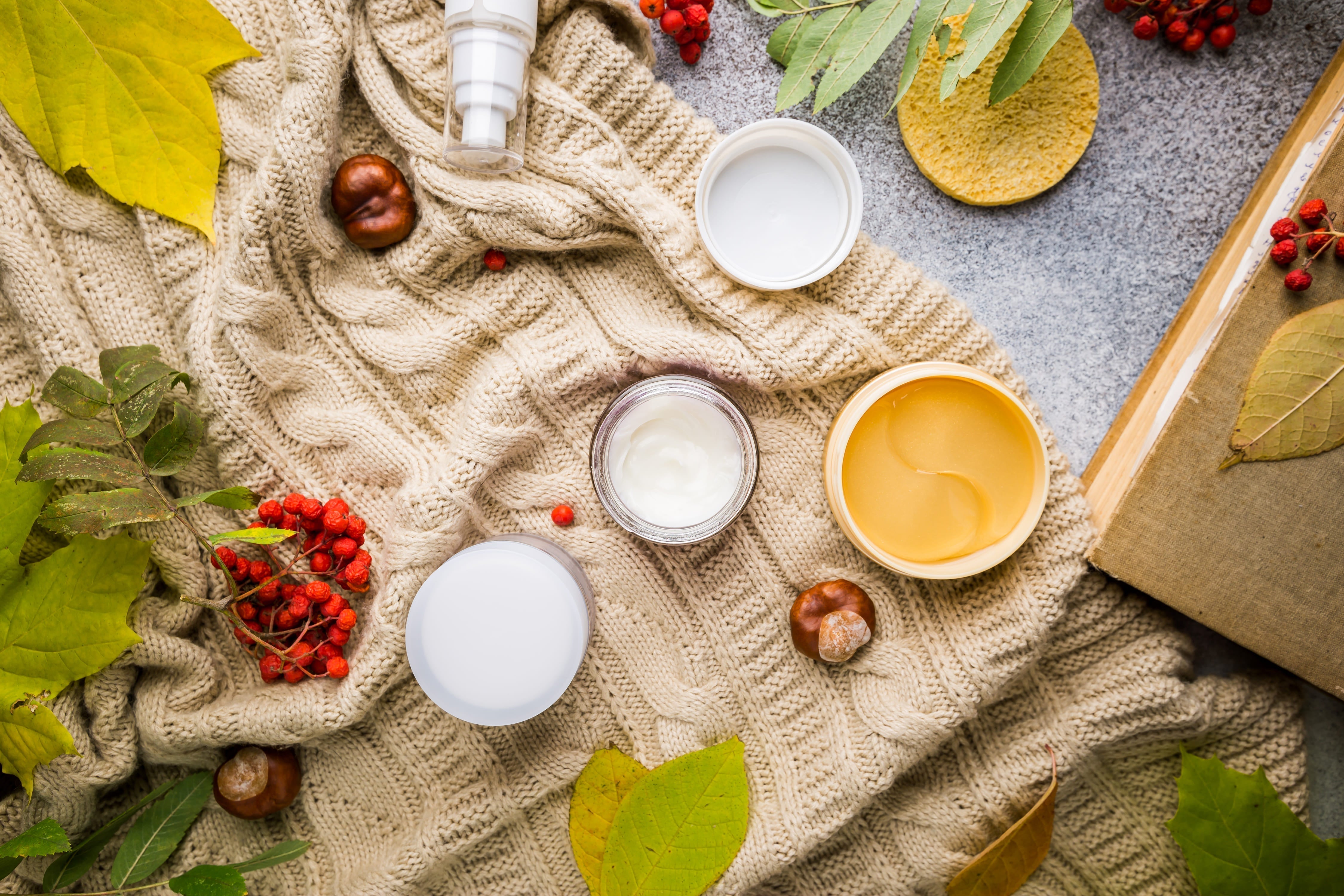
Credit: www.vinevida.com
Creating Exfoliants At Home
Creating exfoliants at home is simple and rewarding. Natural ingredients offer gentle yet effective skin care. Exfoliating removes dead skin cells and brightens your face. Homemade scrubs also save money and avoid harsh chemicals. Choose ingredients based on your skin type and preferences.
Sugar Scrubs
Sugar scrubs are soft and perfect for sensitive skin. The fine grains polish the skin without irritation. Mix sugar with oils like coconut or olive oil for moisture. Add a few drops of essential oils for fragrance. Use gentle circular motions to exfoliate and rinse with warm water.
Coffee Grounds
Coffee grounds provide a natural, invigorating scrub. The coarse texture helps remove rough skin and boost circulation. Combine coffee grounds with honey or yogurt to soothe the skin. This scrub can reduce puffiness and improve skin tone. Use on damp skin and rinse thoroughly after scrubbing.
Salt Scrubs
Salt scrubs work well for tougher, oily skin. Coarse sea salt exfoliates deeply and detoxifies the skin. Blend salt with oils like almond or jojoba for hydration. Avoid using salt scrubs on sensitive or broken skin. Massage gently and rinse with cool water to refresh your skin.
Natural Toners And Mists
Natural toners and mists can refresh your skin without harsh chemicals. They help balance oil, tighten pores, and soothe irritation. Adding them to your skincare routine can feel like a gentle reset for your face throughout the day.
Rose Water
Rose water is a classic natural toner known for its calming effects. It’s great if your skin feels sensitive or dry. You can use it after cleansing to restore your skin’s pH balance and add a subtle, refreshing scent.
Try spraying rose water lightly on your face during hot days or after workouts. It’s a quick way to cool down and hydrate your skin without clogging pores.
Green Tea
Green tea is packed with antioxidants that fight inflammation and redness. Using it as a toner helps reduce puffiness and protects your skin from environmental damage.
Steep green tea, let it cool, and apply it with a cotton pad or spray bottle. You might notice your skin feels calmer and looks brighter after regular use.
Witch Hazel
Witch hazel is a powerful natural astringent that tightens pores and controls oil. It’s especially helpful if you deal with acne or oily skin.
Be careful to choose alcohol-free witch hazel to avoid dryness. Apply it gently and watch how it helps reduce breakouts and smooth your skin texture.

Credit: learncanyon.com
Tips For Safe Diy Skin Care
Creating your own skin care products at home can be rewarding and fun. Yet, it’s important to handle ingredients with care to avoid irritation or spoilage. Let’s look at key tips that help you keep your DIY skin care both effective and safe.
Patch Testing
Always test a small amount of your DIY product on a tiny skin area first. Choose a spot like the inside of your wrist or behind your ear. Wait 24 to 48 hours to see if any redness, itching, or swelling appears.
Patch testing helps you avoid full-face reactions. It also lets you identify any ingredient you might be sensitive to before applying it widely. Have you ever tried a new lotion only to regret it later? This simple step can save you from that discomfort.
Proper Storage
Store your homemade skin care in clean, airtight containers. Glass jars with tight lids work best to prevent contamination. Keep them in a cool, dark place to preserve the ingredients’ potency.
Improper storage can cause your mixtures to spoil quickly. Using clear containers exposed to sunlight often leads to faster degradation. Do you know where your DIY products rest between uses? Checking this might improve their lifespan and safety.
Using Fresh Ingredients
Fresh ingredients yield better results and reduce the risk of harmful bacteria growth. Avoid using anything past its expiration date, especially natural items like herbs, oils, or dairy. If you pick fresh herbs from your garden, make sure they’re clean and dry before adding.
Freshness matters because expired or old ingredients can cause skin irritation or infections. Have you noticed changes in smell or texture in your DIY products? That’s a sign to toss them and start fresh.
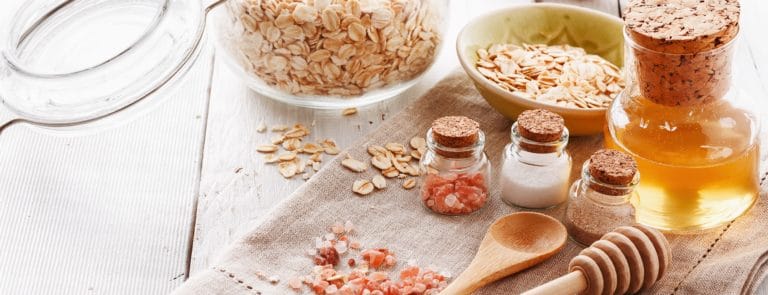
Credit: www.hollandandbarrett.com
Frequently Asked Questions
What Are The Best Diy Skin Care Ingredients?
The best DIY skin care ingredients include honey, aloe vera, coconut oil, oatmeal, and turmeric. These natural ingredients nourish and hydrate skin gently. They are affordable and easy to find. Each has unique properties like moisturizing, soothing, or anti-inflammatory benefits, perfect for homemade skin care recipes.
How Do I Choose Diy Ingredients For My Skin Type?
Choose DIY ingredients based on your skin type: oily, dry, sensitive, or combination. For oily skin, use clay or aloe vera. For dry skin, try honey or coconut oil. Sensitive skin benefits from oatmeal or chamomile. Always test new ingredients on a small patch first.
Can Diy Skin Care Ingredients Cause Allergies?
Yes, DIY skin care ingredients can cause allergies. Natural does not always mean safe for everyone. Always perform a patch test before using new ingredients. Apply a small amount on your wrist or behind the ear. Wait 24 hours to check for irritation or allergic reactions.
How Should I Store Diy Skin Care Ingredients?
Store DIY skin care ingredients in clean, airtight containers. Keep them in a cool, dark place to preserve freshness. Refrigerate perishable items like aloe vera gel or fresh juices. Proper storage extends shelf life and prevents contamination or spoilage.
Conclusion
Discovering DIY skin care ingredients can be rewarding. Simple ingredients often work wonders. They offer natural benefits without harsh chemicals. Experiment with what suits your skin best. Everyone’s skin is unique. Always patch test new ingredients first. Consistency is key for effective results.
Natural care can be a gentle alternative. Embrace the process and enjoy the journey. Your skin can benefit from nature’s gifts. Enjoy crafting your own skin care routine at home. Stay mindful of your skin’s needs. Healthy skin is a worthwhile pursuit.
Keep learning and exploring new ingredients. Your skin will thank you.
