Are you curious about what makes a skin care product truly organic and safe for your skin? Understanding Organic Skin Care Certification can help you make smarter choices for your beauty routine.
When you know how products earn this certification, you gain confidence that what you’re putting on your skin is free from harmful chemicals and made with natural ingredients. You’ll discover why this certification matters, how it protects your health, and how to spot genuine organic skin care products every time.
Keep reading to unlock the secrets to glowing, healthy skin—and make your next purchase a truly informed one.
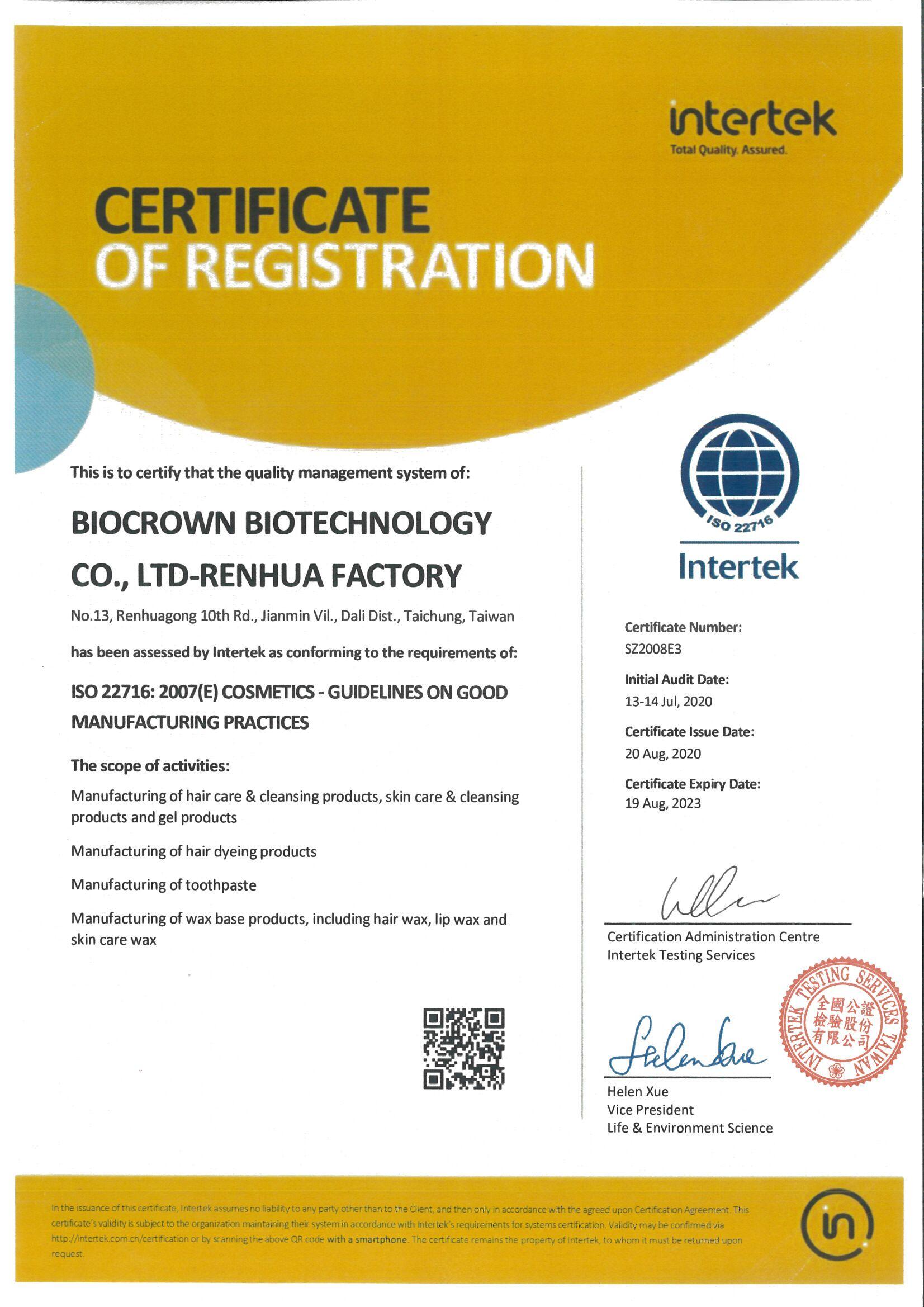
Credit: www.liang-guam.com
What Organic Certification Means
Organic skin care certification shows that a product meets strict organic rules. It means the ingredients come from natural sources. The product is made without harmful chemicals or synthetic materials. Certification also means the product is better for the environment and often safer for your skin.
This mark helps customers trust the product’s purity and quality. It confirms the brand follows honest farming and production methods. Knowing what organic certification means helps you choose skin care products wisely.
Key Certification Standards
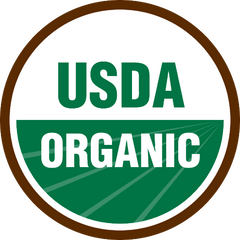
- USDA Organic:Requires 95% or more organic ingredients.
- Cosmos Organic:European standard for natural and organic cosmetics.
- Ecocert:Ensures sustainable farming and no synthetic chemicals.
- Soil Association:UK’s organic certification focusing on soil health.
- NaTrue:Labels natural and organic cosmetic products globally.
Certifying Bodies To Know
- USDA (United States Department of Agriculture):Oversees organic certification in the USA.
- Ecocert:Global organization certifying natural and organic products.
- Soil Association:UK-based organic certification body.
- Cosmos:A coalition of European certifiers setting organic standards.
- NaTrue:International body certifying natural and organic cosmetics.
Benefits Of Certified Organic Skin Care
Certified organic skin care products offer many clear benefits. These products meet strict standards that ensure purity and safety. Choosing certified organic skin care supports your health and the planet. It also often means better quality products that truly nourish your skin.
Health And Safety Advantages
Certified organic skin care avoids harmful chemicals and synthetic ingredients. This lowers the risk of skin irritation and allergic reactions. Organic products use natural components that suit sensitive skin types. They do not contain pesticides, parabens, or artificial fragrances. This makes them safer for daily use and long-term skin health.
Environmental Impact
Organic certification requires eco-friendly farming and production methods. These methods reduce pollution and conserve water. Organic farms avoid synthetic fertilizers and pesticides, protecting wildlife and soil health. Using certified organic skin care helps support sustainable practices. It reduces your environmental footprint and promotes a cleaner planet.
Enhanced Product Quality
Certified organic products often contain higher concentrations of active natural ingredients. These ingredients provide better hydration, nourishment, and protection for the skin. The certification process ensures rigorous testing for purity and potency. This guarantees a product that delivers true benefits without harmful additives. Organic skin care can offer a more effective and gentle skincare experience.
How To Identify Genuine Organic Products
Choosing genuine organic skin care products is not always easy. Many brands claim to be organic but do not meet true standards. Knowing how to identify authentic products helps protect your skin and health. Understanding labels, seals, and certification marks guides you toward trustworthy choices.
Reading Labels And Seals
Labels contain important information about ingredients and certification. Genuine organic products list natural ingredients clearly. Avoid products with long, hard-to-pronounce chemicals. Look for phrases like “100% organic” or “certified organic.” These indicate the product meets strict organic rules.
Seals on the packaging show third-party verification. A recognized seal means the product was tested for organic standards. Some seals include percentages, like “95% organic ingredients.” This helps you know how much of the product is truly organic.
Common Certification Marks
Certification marks come from official organizations. These marks confirm the product follows organic farming and processing rules. Here are some common marks to recognize:
- USDA Organic:A trusted mark from the United States Department of Agriculture.
- Ecocert:A European certification known worldwide for strict organic standards.
- Soil Association:A UK-based mark that ensures ethical and organic practices.
- COSMOS Organic:A global standard for natural and organic cosmetics.
Spotting these marks guarantees product authenticity. They protect you from false organic claims.

Credit: learncanyon.com
Ingredients To Expect In Organic Skin Care
Knowing what ingredients are in your organic skin care products helps you make better choices for your skin and health. Organic certification means the ingredients come from natural sources without harmful chemicals or pesticides. You can expect ingredients that nourish your skin gently while being environmentally friendly.
Natural Extracts And Oils
Organic skin care products often feature plant-based extracts and oils known for their healing properties.
- Aloe Vera:Soothes irritation and hydrates dry skin naturally.
- Chamomile:Calms redness and inflammation effectively.
- Jojoba Oil:Moisturizes without clogging pores, mimicking your skin’s natural oils.
- Rosehip Oil:Rich in vitamins A and C, it helps reduce scars and signs of aging.
These ingredients come straight from nature and work gently with your skin. Have you noticed how your skin reacts differently when you switch to products with these natural oils?
Avoiding Synthetic Additives
Certified organic skin care products exclude synthetic chemicals like parabens, sulfates, and artificial fragrances. These additives can cause irritation or disrupt your skin’s balance over time.
Instead, organic products use natural preservatives such as vitamin E or rosemary extract to keep the formulas fresh without harsh chemicals.
Think about the last time you used a product loaded with synthetic ingredients—did your skin feel comfortable afterward? Choosing organic means fewer surprises and more consistent care for your skin’s health.
Challenges In Organic Skin Care Certification
Getting organic skin care products certified isn’t as simple as it sounds. The process comes with notable challenges that can affect both brands and consumers. Understanding these hurdles helps you make smarter choices and avoid common pitfalls.
Cost And Accessibility
Certification often demands a hefty financial investment. Smaller brands may struggle to afford the fees for inspections and ongoing compliance.
Accessibility is another issue. Some certification bodies operate mainly in certain regions, leaving out many producers worldwide. This limits your options when looking for genuinely certified products.
Have you ever wondered why some organic skin care products are pricier? The certification cost is a big part of the reason.
Misleading Claims And Greenwashing
Not all products labeled “organic” meet strict standards. Some brands use vague terms to appear eco-friendly without proper certification.
This practice, known as greenwashing, tricks you into trusting products that may contain synthetic or harmful ingredients. It’s a challenge to spot these misleading claims without checking certification details.
Next time you shop, ask yourself: Is this product truly certified, or just riding the organic trend?
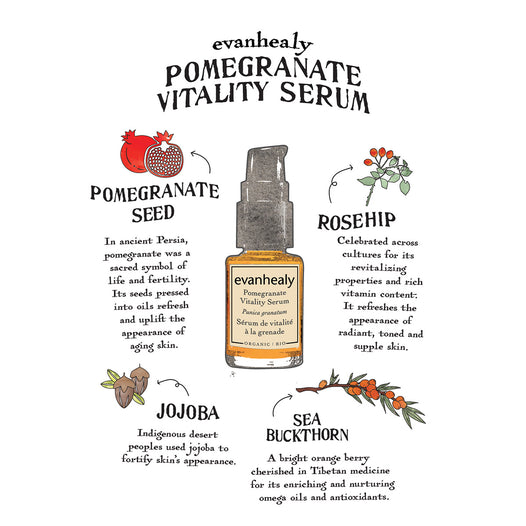
Credit: www.evanhealy.com
Tips For Choosing Certified Organic Products
Choosing certified organic skin care products takes care and attention. Not all products labeled “organic” meet strict standards. Learning how to pick true certified organic items protects your skin and health.
Researching Brands
Start by exploring brands known for transparency. Check their websites for details about their organic claims. Look for brands that share information about ingredient sourcing and production methods.
Read customer reviews to see real experiences. Trustworthy brands often have positive feedback about product quality and skin benefits. Avoid brands that hide details or make vague claims.
Understanding Certification Scope
Organic certification varies by country and organization. Some certifications cover all ingredients, while others only cover parts of the product. Know what the certification includes before buying.
Common certifications include USDA Organic, COSMOS, and Ecocert. Each has specific rules about pesticide use, chemical additives, and ingredient origins. The more comprehensive the certification, the more reliable the product.
Frequently Asked Questions
What Is Organic Skin Care Certification?
Organic skin care certification ensures products meet specific standards for organic ingredients. These standards often include using sustainable farming methods and avoiding synthetic chemicals. Certification helps consumers trust that the products they’re buying are genuinely organic and safe for their skin.
Look for certifications like USDA Organic or COSMOS on product labels.
Why Is Organic Certification Important For Skin Care?
Organic certification guarantees that skin care products meet strict organic standards. It ensures the absence of harmful chemicals and promotes environmentally friendly practices. Certified products are safer and often more effective. This certification offers consumers peace of mind about the product’s authenticity and quality.
How Can I Identify Certified Organic Skin Care Products?
Certified organic skin care products display certification logos on their packaging. Look for recognized symbols like USDA Organic, COSMOS, or Ecocert. These logos ensure the product meets stringent organic standards. Checking these labels helps you choose products that are genuinely organic and safe for your skin.
Are All Natural Products Organically Certified?
Not all natural products are organically certified. Organic certification requires meeting specific standards, while “natural” lacks regulation. Some natural products may contain synthetic chemicals. To ensure a product’s purity and safety, look for recognized organic certification labels on the packaging.
Conclusion
Choosing organic skin care means choosing products that are safer and cleaner. Certification proves that these products meet strict natural standards. It helps you trust what you put on your skin every day. Certified organic skin care supports healthier skin and a healthier planet.
Always check for certification labels before buying skin care items. This small step can make a big difference for your skin’s health. Stay informed and enjoy the benefits of truly natural skin care.
