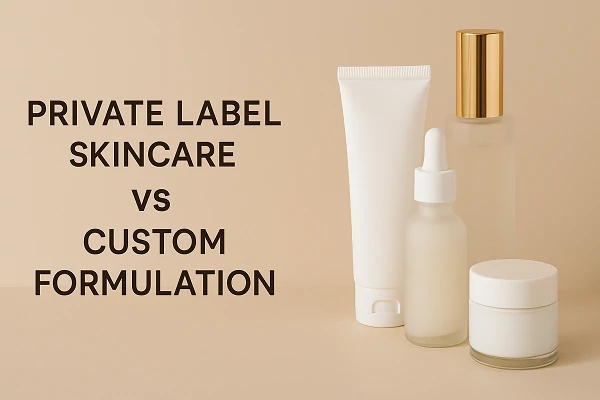
Imagine standing in front of your bathroom mirror, holding a skincare product that was crafted just for you. No generic brands or mass-produced formulas, but a unique blend tailored to your skin’s needs.
This dream can become a reality with private label natural skin care products. These products not only promise to nourish and rejuvenate your skin, but they also offer you the opportunity to align with a brand that shares your values for natural and sustainable beauty.
Curious about how private label skincare can transform your beauty routine and possibly even your business? Stick around, and you’ll discover the secrets behind this growing trend, and how it could be the game-changer you’ve been seeking in your skincare regimen.
Benefits Of Private Label Skin Care
Private label natural skin care products offer many benefits for businesses. They allow brands to sell quality products without making them from scratch. This approach saves time and resources while giving control over product design and branding. Many companies choose private label skin care to grow faster and smarter.
Faster Market Entry
Private label products are ready-made by manufacturers. This means brands can launch new items quickly. No need to spend months developing formulas. Faster market entry helps brands react to trends and customer needs. It also reduces the waiting time for sales to start.
Cost Efficiency
Creating skin care products from zero costs a lot. Private label cuts these expenses by sharing production costs. Brands avoid investing in labs and equipment. They only pay for what they order. This makes starting a skin care line more affordable and less risky.
Brand Customization
Private label products can be customized to match brand identity. Packaging, labels, and scents can reflect the brand’s style. This helps brands stand out in the crowded market. Customization builds trust and loyalty among customers. It ensures products look unique even if formulas are shared.
Choosing Natural Ingredients
Choosing natural ingredients is key for private label skin care brands. These ingredients attract customers who want gentle, safe, and eco-friendly products. Natural components offer benefits like hydration, soothing, and protection without harsh chemicals.
Selecting the right natural ingredients requires care. Quality, source, and safety must be top priorities. This ensures the final product delivers good results and builds trust.
Popular Natural Components
- Aloe vera: Soothes and hydrates skin.
- Shea butter: Moisturizes and nourishes deeply.
- Green tea extract: Protects with antioxidants.
- Chamomile: Calms sensitive or irritated skin.
- Jojoba oil: Balances skin’s natural oils.
- Rosehip oil: Supports skin regeneration and glow.
Sourcing Ethical Supplies
Ethical sourcing means ingredients come from responsible farms or wild harvests. It supports fair wages and sustainable practices. This protects nature and local communities.
Choose suppliers who provide transparency about their process. Certifications like organic, fair trade, or cruelty-free add credibility. Ethical sourcing enhances brand reputation and customer loyalty.
Ensuring Product Safety
Natural does not always mean safe. Testing is essential to avoid allergic reactions or contamination.
Use third-party labs to check product purity and stability. Follow regulatory guidelines for labeling and ingredient limits. Safety ensures customer satisfaction and prevents legal issues.
Designing Your Product Line
Designing your private label natural skin care product line sets the foundation for your brand. Thoughtful design attracts customers and builds trust. Each element should reflect your brand’s values and meet customer needs. Focus on clarity, simplicity, and uniqueness to stand out in the market.
Target Audience Selection
Identify who will use your products. Consider age, skin type, and lifestyle. Choose a group with clear needs and preferences. This helps tailor product benefits and marketing messages. Knowing your audience guides formula choices and packaging styles. Research their favorite ingredients and concerns.
Packaging And Labeling Tips
Packaging must protect the product and appeal visually. Use eco-friendly materials for a natural image. Keep labels clear with easy-to-read fonts. Include essential information: ingredients, usage, and benefits. Avoid clutter and focus on a clean design. Colors should match your brand identity and attract the target audience.
Creating Unique Formulas
Develop formulas that stand out from competitors. Use natural, safe ingredients that offer real benefits. Test for skin sensitivity and effectiveness. Consider combining popular elements like aloe, chamomile, or jojoba oil. Keep the formula simple but powerful. Unique blends can build customer loyalty and trust.
Finding Reliable Manufacturers
Finding a reliable manufacturer for your private label natural skin care products is a crucial step that can define your brand’s success. The right partner ensures your products are safe, effective, and consistent, helping you build trust with your customers. How do you sift through numerous options to find a manufacturer that meets your specific needs? Let’s break down the key factors to consider.
Evaluating Production Capabilities
Start by assessing whether the manufacturer can handle the volume and variety you require. Do they have the equipment and technology to produce natural ingredients without compromising their quality? Ask about their minimum order quantities and lead times to see if they align with your business plan.
Check if they have experience with natural formulations similar to yours. This experience can prevent costly mistakes and improve product outcomes. Don’t hesitate to request samples or visit their facility to see the production process firsthand.
Quality Control Measures
Quality control is non-negotiable in natural skin care. You want to ensure every batch meets strict safety and efficacy standards. Ask about their testing procedures for raw materials and finished products.
Find out if they follow certifications like GMP (Good Manufacturing Practices) or ISO standards. These certifications show a commitment to quality and can give you peace of mind. How do they handle product recalls or complaints? Understanding their response plan can save your brand’s reputation.
Negotiating Contracts
Contracts protect both you and the manufacturer, so review terms carefully. Look for clear details on pricing, production timelines, and confidentiality clauses. Make sure there are provisions for product liability and intellectual property protection.
Don’t be afraid to negotiate terms that suit your business model. For instance, flexible minimum order quantities or payment schedules can ease cash flow challenges. Have you considered including clauses for quality guarantees or penalties if deadlines are missed? These details can prevent headaches down the road.
Marketing Strategies For Skin Care
Marketing private label natural skin care products requires more than just good ingredients. You need to connect with your audience on a deeper level and show why your brand matters. Effective strategies help you build trust, increase visibility, and turn casual visitors into loyal customers.
Building Brand Identity
Your brand identity is the personality your skin care line shows to the world. It includes your logo, packaging, colors, and the story behind your products. Think about what makes your products unique—whether it’s organic sourcing, cruelty-free testing, or eco-friendly packaging—and highlight that consistently.
Ask yourself: What emotions do you want your customers to feel when they see your products? Clear brand identity helps you stand out and makes it easier for customers to remember you. Don’t hesitate to share your journey and values openly—it creates a genuine connection.
Leveraging Social Media
Social media platforms are powerful tools to showcase your natural skin care products. Use Instagram and TikTok to share before-and-after photos, quick skincare tips, and behind-the-scenes looks at product creation. Visual content grabs attention and encourages sharing.
Engage your followers by asking questions like “What’s your biggest skincare concern?” or running polls about favorite ingredients. This two-way communication builds community and trust. Remember, consistent posting and authentic interaction win more hearts than just sales pitches.
Collaborations And Influencers
Partnering with influencers can give your brand a big boost. Look for influencers who truly care about natural skin care and whose followers trust their recommendations. Micro-influencers often have higher engagement and can be more cost-effective.
Collaborations don’t have to be expensive; even exchanging products for reviews can work wonders. When influencers share honest feedback, it feels authentic to their audience and can drive real interest in your products. Have you considered which voices align best with your brand’s message?
Credit: www.tyoemcosmetic.com
Legal And Regulatory Essentials
Entering the private label natural skin care market requires attention to legal and regulatory rules. These rules protect consumers and ensure product safety. Following these rules helps avoid fines, recalls, or legal issues. Understanding these essentials is key to building a trusted brand.
Compliance With Cosmetic Laws
Every country has laws to control cosmetics. These laws cover ingredients, safety tests, and manufacturing processes. Choose suppliers who follow these regulations strictly. Conduct safety assessments and keep detailed records. Stay updated on any law changes to maintain compliance.
Labeling Requirements
Labels must provide clear and honest information. Include product name, ingredients, and usage instructions. Add warnings for potential allergens or sensitivities. Follow font size and placement rules set by authorities. Proper labels build trust and meet legal standards.
Protecting Your Brand
Register your brand and trademarks early. This prevents others from using your name or logo. Monitor the market for counterfeit products. Use contracts with manufacturers to protect your designs and formulas. Strong protection secures your brand’s reputation and value.
Scaling Your Skin Care Brand
Scaling your skin care brand requires smart strategies and steady growth. Expanding your product line, reaching new customers, and keeping loyal buyers help build a strong brand. Each step adds value and grows your business sustainably.
Expanding Product Range
Adding new products attracts more customers and meets varied needs. Focus on natural ingredients and popular skin concerns. Offer items like cleansers, serums, and moisturizers to create a complete routine. Test new formulas carefully for quality and safety. Variety keeps buyers interested and encourages repeat purchases.
Entering New Markets
Explore markets beyond your current location to increase sales. Research local skin care trends and customer preferences. Adapt packaging and marketing to fit each market’s culture. Use online platforms and social media to reach wider audiences. Partner with local stores or influencers for better visibility.
Customer Retention Techniques
Keep customers returning with excellent service and rewards. Send follow-up emails with tips and product updates. Offer loyalty programs that give discounts or free gifts. Collect feedback to improve products and show you care. Build trust with honest communication and consistent quality.
Credit: www.pravadaprivatelabel.com

Credit: wholesalenaturalbodycare.com
Frequently Asked Questions
What Are Private Label Natural Skin Care Products?
Private label natural skin care products are pre-made formulas you brand as your own. They use natural ingredients and can be customized with your logo. This approach saves time and costs while offering quality, eco-friendly products to your customers.
How Do Private Label Skin Care Products Benefit Businesses?
They allow businesses to quickly enter the market without developing formulas. This reduces costs and speeds up launch times. Plus, private labeling lets you focus on branding and marketing while offering natural, high-demand skin care products.
Are Private Label Natural Skin Care Products Customizable?
Yes, many manufacturers offer customization options. You can select ingredients, scents, packaging, and branding. This helps create unique products that reflect your brand’s identity and meet customer preferences for natural skin care.
What Should I Consider When Choosing A Private Label Manufacturer?
Look for quality certifications, ingredient transparency, and customization options. Check if they use natural, safe ingredients and comply with regulations. Also, consider their production capacity and customer support for a smooth partnership.
Conclusion
Private label natural skin care products offer a smart way to build your brand. You control the ingredients and design. Customers appreciate simple, natural options for their skin. Quality matters more than fancy packaging or claims. Starting with trusted formulas saves time and effort.
Your brand can grow with honest, clean products. This approach helps you meet customer needs clearly and safely. Keep your focus on natural care and customer trust. Success comes from consistency and good choices.
