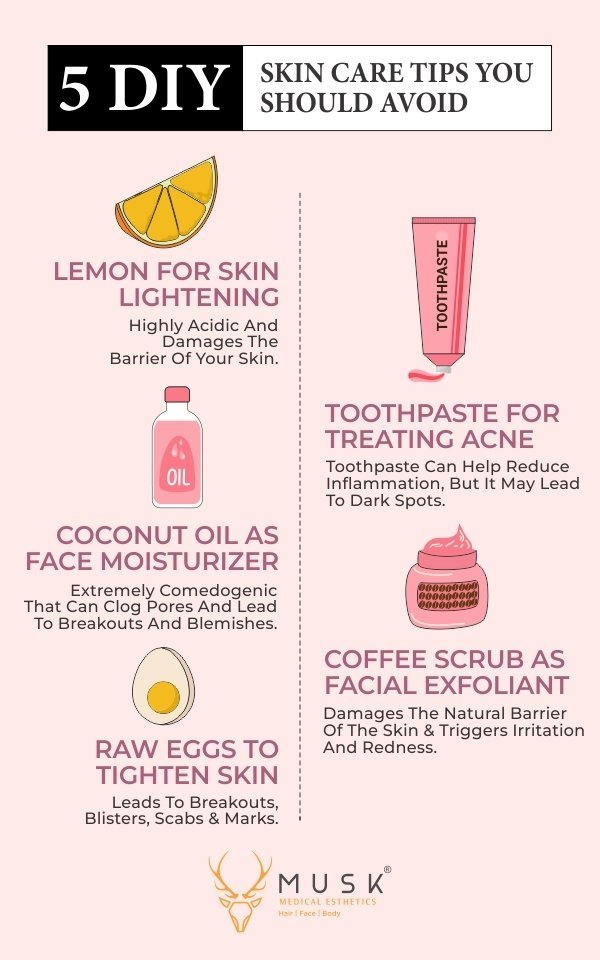
Are you tired of spending a fortune on skincare products that promise the world but deliver little? Imagine if you could create effective skincare solutions right in your own kitchen.
With DIY skincare, not only can you customize treatments tailored to your unique skin needs, but you also control exactly what goes onto your skin. It’s empowering, cost-effective, and surprisingly simple. Dive into this guide to discover how you can transform everyday ingredients into powerful skincare allies.
Your skin will thank you!
Credit: jenniraincloud.com
Natural Ingredients For Skin Care
Using natural ingredients for skin care can transform your routine into a simple, effective, and nourishing experience. These ingredients offer gentle care without harsh chemicals, making them ideal for sensitive or irritated skin. Have you ever thought about how a few pantry staples could boost your skin’s health?
Benefits Of Honey And Aloe Vera
Honey is a natural humectant, which means it helps keep your skin moist without making it oily. Its antibacterial properties can help reduce acne and soothe redness. I once applied raw honey as a mask before bed and woke up with noticeably softer, glowing skin.
Aloe vera gel is another powerhouse for calming inflammation and hydrating dry patches. It absorbs quickly and supports skin healing, especially after sun exposure. Try mixing aloe vera gel with a bit of honey for a soothing, moisturizing mask that works wonders.
Using Coconut Oil And Olive Oil
Coconut oil is excellent for locking in moisture and has natural antibacterial benefits. It’s perfect for dry skin areas or as a gentle makeup remover. However, if you have oily or acne-prone skin, test it on a small patch first to avoid breakouts.
Olive oil is rich in antioxidants and vitamins A and E, which help protect and nourish your skin. I like using it as a nighttime moisturizer; it leaves my skin feeling soft without clogging pores. You can apply it directly or mix it with a few drops of essential oil for added benefits.
Herbs And Essential Oils
Herbs like chamomile and calendula offer anti-inflammatory effects that soothe irritated skin. You can brew them as a tea and use the cooled liquid as a gentle facial rinse or mix them into creams. Have you ever tried making your own herbal toner?
Essential oils such as lavender and tea tree oil bring both fragrance and skin benefits, like reducing acne and calming the skin. Remember to always dilute essential oils with a carrier oil before applying to your skin to avoid irritation. Adding a few drops to your DIY mask or moisturizer can elevate your skin care routine.
Easy Homemade Face Masks
Making your own face masks at home is a simple and fun way to care for your skin. You control exactly what goes on your face, avoiding harsh chemicals. Plus, these natural ingredients are often sitting right in your kitchen.
Are you ready to try masks that brighten, hydrate, and exfoliate? Let’s dive into some easy recipes you can whip up in minutes.
Brightening Masks With Turmeric
Turmeric is a powerful ingredient known for its ability to brighten dull skin and reduce dark spots. Mixing turmeric with honey creates a soothing mask that gently evens out your complexion.
- 1 teaspoon turmeric powder
- 1 tablespoon honey
- Optional: a few drops of lemon juice for extra brightness
Apply the mixture to your face and leave it on for 10–15 minutes. Be careful—turmeric can stain clothes and skin temporarily, so use an old towel and wash off thoroughly.
Hydrating Masks With Avocado
Avocado is packed with healthy fats and vitamins that deeply hydrate and nourish your skin. It’s especially great if your skin feels dry or tight after a long day.
- Half a ripe avocado, mashed
- 1 tablespoon plain yogurt
- 1 teaspoon honey
Mix these ingredients until smooth and spread over your face. After 15 minutes, rinse with lukewarm water to feel instantly refreshed and moisturized. Have you noticed how creamy avocado feels on your skin?
Exfoliating Masks With Oats
Oats are gentle yet effective exfoliators that remove dead skin without irritation. Combined with yogurt, they create a mask that soothes and smooths your face.
- 2 tablespoons ground oats
- 1 tablespoon plain yogurt
- 1 teaspoon honey (optional for extra moisture)
Mix and apply to your face, gently massaging in circular motions. Leave it on for 10 minutes before rinsing off. How often do you treat your skin to a gentle scrub like this?
Simple Daily Skin Routines
Simple daily skin routines form the foundation of healthy, glowing skin. They don’t have to be complicated or expensive. With a few natural ingredients and mindful habits, you can create a routine that suits your skin and lifestyle.
Gentle Cleansing Techniques
Cleansing your skin should feel refreshing, not harsh. Use lukewarm water and gentle circular motions with your fingertips rather than scrubbing hard. This helps remove dirt and excess oil without stripping your skin’s natural moisture.
Try cleansing twice a day—morning and night—to keep your skin balanced. If you wear makeup, double cleansing with an oil-based cleanser followed by a water-based one can be very effective. Have you noticed how your skin feels after using harsh soaps? Chances are, gentler methods will improve texture and reduce irritation.
Diy Toners From Kitchen Staples
Toners help restore your skin’s pH and tighten pores. You don’t need to buy expensive bottles; simple kitchen staples work wonders. Mix equal parts of rose water and apple cider vinegar for a refreshing toner that soothes and tones your skin.
Other great options include green tea or chamomile tea cooled down and used as a spray or wipe. These natural toners calm inflammation and add antioxidants. What’s in your kitchen right now that could become part of your skincare routine?
Moisturizing Tips With Natural Products
Moisturizing keeps your skin soft and protects its barrier. Natural products like aloe vera gel, coconut oil, and shea butter provide excellent hydration without synthetic chemicals. Choose what fits your skin type—aloe vera for oily skin, coconut oil for dry skin, or shea butter for sensitive areas.
Apply moisturizer right after cleansing or toning while your skin is still slightly damp to lock in moisture. Ever tried mixing a drop of honey into your moisturizer? It adds extra nourishment and can boost your skin’s glow.

Credit: www.desertnaturals.me
Diy Exfoliation Methods
Exfoliation removes dead skin cells and reveals fresh skin underneath. DIY exfoliation methods use natural ingredients that are gentle yet effective. These methods fit easily into any skincare routine and help maintain a smooth, glowing complexion.
Choose the right exfoliation technique based on your skin type and needs. Regular exfoliation can brighten your skin and improve texture. Use safe, simple ingredients found at home for a fresh, radiant look.
Sugar And Coffee Scrubs
Sugar and coffee make great natural scrubs. Sugar has small crystals that gently scrub away dead skin. Coffee grounds provide a slightly coarser texture, good for rough areas.
- Mix sugar or coffee grounds with olive oil or honey.
- Apply in circular motions on damp skin.
- Rinse with warm water and pat dry.
These scrubs help increase blood flow and leave skin soft. Avoid scrubbing too hard to prevent irritation.
Fruit-based Peels
Fruits like pineapple, papaya, and lemon contain natural acids. These acids gently dissolve dead skin cells without harsh abrasion.
- Use mashed fruit or juice as a mask for 5-10 minutes.
- Rinse off with cool water to refresh skin.
- Apply moisturizer after to keep skin hydrated.
Fruit peels brighten skin and even out tone. Test on a small skin patch first to avoid reactions.
Avoiding Over-exfoliation
Exfoliate only 1-3 times per week depending on skin type. Over-exfoliation can cause redness, dryness, and sensitivity.
- Listen to your skin’s signals.
- Stop exfoliating if irritation occurs.
- Always follow with moisturizer and sun protection.
Gentle care keeps your skin healthy and glowing. Balance is key for effective exfoliation.
Targeted Treatments For Common Issues
Targeted treatments help address specific skin problems effectively. They use natural ingredients to calm, heal, and improve skin condition. These DIY options save money and avoid harsh chemicals. Focus on simple, gentle remedies that suit your skin type. Consistency is key for visible results.
Acne Spot Remedies
Acne spots need quick care to reduce swelling and redness. Dab a small amount of tea tree oil on the pimple. It fights bacteria and dries out pimples fast.
Another good option is honey. Apply a thin layer on the spot. Honey soothes skin and speeds healing.
- Aloe vera gel cools inflammation and reduces redness.
- Green tea extract calms skin and controls oil.
Soothing Sunburns Naturally
Sunburn causes pain and dryness. Use cool compresses to reduce heat. Aloe vera gel is excellent for soothing and healing.
Oatmeal baths calm irritation and moisturize skin deeply. Coconut oil helps restore skin barrier but apply only after cooling down.
- Cucumber slices refresh skin and reduce swelling.
- Drinking plenty of water speeds recovery from burns.
Reducing Dark Circles
Dark circles often come from tired skin and poor circulation. Cold tea bags placed on eyes shrink blood vessels and reduce darkness.
Cucumber slices hydrate and brighten under-eye skin. Gentle massage with almond oil improves blood flow and lightens circles.
- Potato juice contains mild bleaching agents to fade dark areas.
- Ensure enough sleep and drink water for natural improvement.
Lifestyle Tips For Glowing Skin
Glowing skin doesn’t just come from the products you apply; it reflects your daily habits and lifestyle choices. Simple changes in how you care for your body can make a big difference in your skin’s appearance. Are you ready to discover easy lifestyle tips that can brighten your skin naturally?
Hydration And Diet
Your skin needs water to stay plump and clear. Drinking enough water daily flushes out toxins and supports cell renewal. Aim for at least 8 glasses a day, and notice how your skin starts to feel more refreshed.
What you eat shows on your skin too. Foods rich in antioxidants, like berries and leafy greens, protect your skin from damage. Healthy fats from nuts and fish help maintain your skin’s moisture barrier. Try adding a colorful salad or a handful of walnuts to your meals to see the difference.
Sleep And Stress Management
Do you ever wake up with tired, dull skin? Lack of sleep disrupts your skin’s repair process. Getting 7 to 8 hours of quality sleep allows your skin to regenerate and look vibrant.
Stress can cause breakouts and dullness. Simple stress relief techniques like deep breathing or a short walk outside can calm your mind and improve your skin’s glow. What small changes can you make today to reduce stress?
Sun Protection Habits
Sun damage is one of the fastest ways to age your skin. Wearing sunscreen daily protects against harmful UV rays that cause wrinkles and dark spots. Choose a broad-spectrum SPF 30 or higher and apply it even on cloudy days.
Don’t forget other sun protection habits like wearing hats and sunglasses or seeking shade during peak hours. These small steps add up to healthier, glowing skin over time. How often do you think about protecting your skin from the sun?

Credit: foxtale.in
Frequently Asked Questions
What Are The Best Diy Ingredients For Glowing Skin?
Natural ingredients like honey, aloe vera, turmeric, and yogurt are excellent for glowing skin. They hydrate, soothe, and brighten without harsh chemicals.
How Often Should I Do Diy Skin Care Treatments?
For most skin types, 1-2 times per week is ideal. Overdoing can cause irritation or dryness, so moderation is key.
Are Diy Skin Care Remedies Safe For Sensitive Skin?
Yes, if you use gentle ingredients like oatmeal or cucumber. Always do a patch test before full application to avoid reactions.
Can Diy Skin Care Help With Acne-prone Skin?
Yes, ingredients like tea tree oil and honey can reduce acne. They have antibacterial and anti-inflammatory properties that calm breakouts.
Conclusion
DIY skin care lets you control what touches your skin. It saves money and feels good to create your own products. Natural ingredients often bring gentle care and fewer side effects. Always test a small area first to avoid reactions.
Keep your routine simple and consistent for best results. Enjoy the process and learn what works for you. Healthy skin grows from good habits and patience. Try DIY skin care and see the difference yourself.
