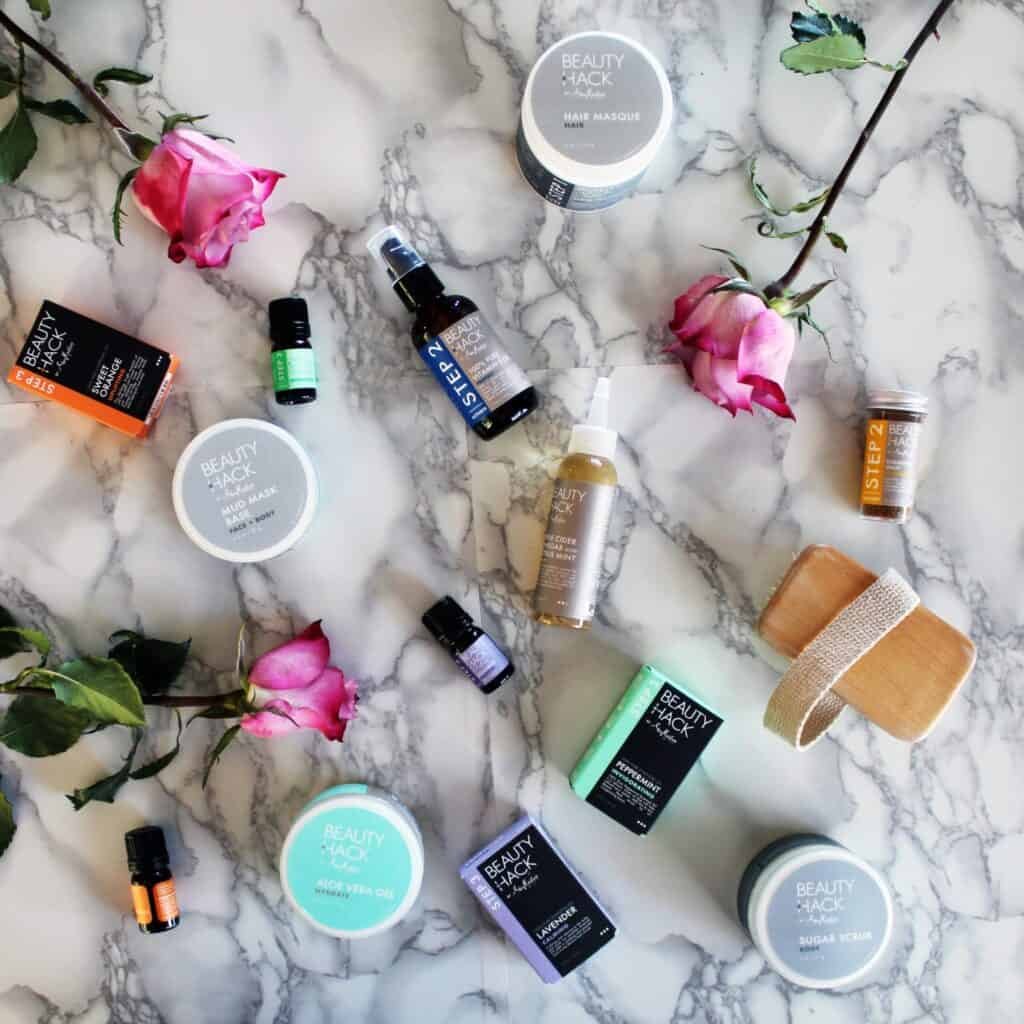
Ever wondered what’s really inside those pricey skincare products? Imagine creating your own, tailored to your skin’s unique needs.
DIY skincare is not just a trend; it’s a game-changer for anyone tired of spending big bucks on beauty products that don’t deliver. You have the power to blend natural ingredients right from your kitchen, transforming your skincare routine into a personalized, effective, and budget-friendly experience.
In this guide, you’ll discover how easy it is to make your own skincare products, ensuring you know exactly what’s going on your skin. Ready to unlock the secrets of DIY skincare and achieve that natural glow? Let’s dive in.
Benefits Of Diy Skin Care
Making your own skin care products at home brings a range of benefits that you might not find with store-bought options. You get to control exactly what goes on your skin, avoiding harsh chemicals and unnecessary additives. Plus, DIY skin care can be a fun and creative way to develop a routine tailored just for you.
Customize Ingredients To Suit Your Skin
When you create your own skin care products, you choose ingredients that work best for your skin type. If you have dry skin, you can add extra moisturizing oils like coconut or jojoba. If your skin tends to be oily, you can focus on natural astringents like witch hazel or tea tree oil.
Have you ever noticed how some commercial products make your skin feel worse? Making your own lets you avoid those irritants altogether.
Save Money Without Sacrificing Quality
DIY skin care can be surprisingly budget-friendly. Many natural ingredients are inexpensive and last a long time, such as honey, oatmeal, or aloe vera. Instead of paying for brand names and packaging, you invest in raw materials that deliver real benefits.
Imagine getting glowing skin without breaking the bank on high-end products. Isn’t that worth trying?
Reduce Waste And Be Eco-friendly
Store-bought skin care often comes in plastic packaging that ends up in landfills. When you make your own products, you can reuse containers and avoid unnecessary waste. This small change helps reduce your environmental footprint.
How much plastic do you think you could cut out by switching to DIY skin care?
Enjoy Freshness And Potency
Homemade products don’t contain preservatives, so they are fresher and often more potent. You use them soon after making them, ensuring the active ingredients work effectively. This freshness can make a noticeable difference in how your skin responds.
Have you ever opened a product that smelled off or didn’t feel right? DIY products skip that problem.
Connect With Your Self-care Routine
Making skin care products can turn into a mindful, enjoyable ritual. It encourages you to slow down, focus on your needs, and appreciate the simple act of caring for yourself. This connection can boost your confidence and overall well-being.
How does your current skin care routine make you feel? Could creating your own add more meaning to it?
Essential Ingredients For Diy Recipes
Choosing the right ingredients is key to creating effective DIY skin care products. Each component plays a unique role, whether it’s moisturizing, soothing, or cleansing your skin. Understanding these essential ingredients helps you tailor recipes to your skin’s specific needs and avoid unwanted reactions.
Natural Oils
Natural oils are the foundation of many DIY skin care recipes. They provide deep hydration and help lock in moisture without clogging pores.
- Jojoba oil:Closely mimics your skin’s natural oils, making it ideal for all skin types.
- Argan oil:Rich in vitamin E and fatty acids, great for dry or aging skin.
- Rosehip oil:Known for its skin regeneration properties and brightening effects.
Think about how your skin feels after applying oil—does it absorb quickly or feel greasy? This can guide your choice for daily use.
Herbs And Botanicals
Adding herbs and botanicals can boost the healing and soothing power of your skin care mixes. They often bring antioxidants and anti-inflammatory benefits.
- Chamomile:Calms irritated or sensitive skin with gentle anti-inflammatory effects.
- Lavender:Helps reduce redness and provides a calming scent.
- Green tea extract:Offers antioxidant protection and can help reduce acne.
Have you noticed how herbal teas calm your skin when applied as a toner? You can use dried herbs to infuse oils or water for a natural boost.
Exfoliants And Clays
Exfoliants remove dead skin cells, revealing a fresh, glowing complexion. Clays absorb excess oil and detoxify your skin.
- Oatmeal:A gentle exfoliant perfect for sensitive skin.
- Bentonite clay:Draws out impurities and tightens pores, great for oily skin.
- Sugar crystals:Provide effective mechanical exfoliation but use sparingly to avoid irritation.
Have you tried mixing clays with water to create a mask? The texture and tightening sensation can be surprisingly satisfying and beneficial.
Tools Needed For Making Skin Care
Creating your own skin care products at home requires a few basic tools. These tools help you mix, measure, and store your DIY skin care safely and effectively. Using the right tools also makes the process easier and more enjoyable.
Some tools are simple and easy to find. Others might need a little more attention to quality and cleanliness. Having the right tools can improve the texture and quality of your skin care products.
Measuring Tools
- Measuring spoons for small quantities
- Measuring cups for liquids and powders
- Digital scale for precise measurements
Mixing Equipment
- Glass or stainless steel bowls to mix ingredients
- Spoons or spatulas made of silicone or wood
- Whisk to blend ingredients smoothly
Heating Tools
- Double boiler for melting oils and waxes gently
- Microwave-safe containers for quick heating
- Thermometer to check the temperature accurately
Storage Containers
- Glass jars with lids to keep creams fresh
- Dropper bottles for serums and oils
- Plastic or metal tins for balms and scrubs
Sanitation Supplies
- Rubbing alcohol to sterilize tools and containers
- Clean cloths or paper towels for wiping spills
- Gloves to keep hands clean and avoid contamination

Credit: creativefashionblog.com
Simple Face Mask Recipes
Simple face mask recipes offer a natural way to care for your skin. They use common ingredients found at home. These masks are easy to make and gentle on your skin. You can choose one based on your skin needs. Try these simple recipes to hydrate, brighten, or soothe your face.
Hydrating Honey Mask
Honey locks in moisture and softens skin. This mask suits dry and tired skin well. Mix 2 tablespoons of honey with 1 tablespoon of plain yogurt. Apply the blend to your face and leave it for 15 minutes. Rinse with warm water and pat dry. Your skin will feel smooth and fresh.
Brightening Turmeric Mask
Turmeric helps reduce dullness and evens skin tone. Combine 1 teaspoon turmeric powder with 2 tablespoons of milk. Add 1 teaspoon of honey for extra glow. Spread the paste over your face carefully. Wait 10 to 15 minutes before washing off. Your skin will look brighter and more radiant.
Soothing Oatmeal Mask
Oatmeal calms redness and irritation. It works well for sensitive skin. Mix 3 tablespoons of ground oats with 2 tablespoons of warm water. Add 1 tablespoon of plain yogurt for creaminess. Apply gently and let it sit for 15 minutes. Wash with lukewarm water. Skin feels calm and refreshed afterward.
Easy Facial Scrubs
Creating your own facial scrubs at home is simpler than you might think. Easy facial scrubs use common kitchen ingredients that gently remove dead skin and leave your face feeling fresh and smooth.
Choosing the right scrub depends on your skin type and what textures you enjoy. You can customize the ingredients to suit your needs, whether you want extra moisture or a bit of exfoliating power.
Sugar And Coconut Oil Scrub
This scrub combines the natural exfoliating power of sugar with the moisturizing benefits of coconut oil. Sugar granules are gentle enough to use regularly, while coconut oil helps soothe and hydrate your skin.
- Mix 2 tablespoons of sugar with 1 tablespoon of melted coconut oil.
- Apply to your damp face using small circular motions.
- Rinse with warm water and pat dry.
I’ve noticed my skin feels softer and less dry after using this simple scrub. Have you tried a scrub that doubles as a moisturizer?
Coffee Grounds Scrub
Used coffee grounds offer a slightly coarser texture, perfect for targeting rough patches and dull skin. Plus, caffeine can help reduce puffiness and brighten your complexion.
- Combine 2 tablespoons of coffee grounds with 1 tablespoon of olive oil or honey.
- Gently massage the mixture onto your face for about a minute.
- Wash off with lukewarm water and follow with your favorite moisturizer.
Using coffee grounds felt refreshing and invigorating on my skin. What natural ingredients do you have at home that could work as a scrub?

Credit: kateable.com
Diy Toners And Mists
DIY toners and mists refresh the skin and tighten pores naturally. They balance skin’s pH and soothe irritation. These simple homemade sprays use natural ingredients that nourish your skin. Making your own toner or mist saves money and avoids harsh chemicals.
Rose Water Toner
Rose water toner calms and hydrates all skin types. It reduces redness and gives a soft glow. To make it:
- Boil fresh rose petals in water for 20 minutes.
- Let the mixture cool and strain the petals out.
- Pour the rose water into a clean spray bottle.
- Spray on your face after cleansing for a refreshing feel.
Rose water contains antioxidants that protect skin from damage. Use it daily to keep your skin smooth and fresh.
Green Tea Mist
Green tea mist is a great antioxidant spray for the skin. It reduces inflammation and fights acne. Here is how to prepare it:
- Brew a strong cup of green tea and let it cool.
- Add a few drops of tea tree oil for extra cleansing.
- Pour into a spray bottle and shake well before use.
- Spray on your face during the day for a quick refresh.
Green tea mist tightens pores and controls oil. It works well for oily and sensitive skin types.
Creating Moisturizers At Home
Creating moisturizers at home lets you control exactly what touches your skin. You avoid harsh chemicals and tailor the product to your skin’s needs. Plus, homemade moisturizers can be fresher and more nourishing than many store-bought options.
Have you ever noticed how some commercial moisturizers leave a greasy feeling? Making your own helps you find the perfect texture, whether light and refreshing or rich and creamy. Let’s look at two simple recipes you can try today.
Aloe Vera Gel Moisturizer
Aloe vera gel is famous for its soothing and hydrating properties. It’s perfect if you want a lightweight moisturizer that absorbs quickly without clogging pores. You can make this gel moisturizer with just a few ingredients.
- Start with fresh aloe vera gel, either from the plant or a pure store-bought version.
- Add a few drops of your favorite essential oil for fragrance and extra skin benefits.
- Mix in a teaspoon of jojoba oil to lock in moisture without feeling heavy.
This moisturizer works great for oily or combination skin. It calms redness and keeps your skin hydrated all day. Have you tried aloe vera after sun exposure? It’s a natural remedy that really soothes.
Shea Butter Cream
Shea butter is a rich, creamy option for dry or mature skin. It melts on contact and forms a protective barrier that holds moisture in. Making your own shea butter cream means you get a deeply nourishing product without additives.
- Gently melt shea butter using a double boiler or microwave in short bursts.
- Add a tablespoon of coconut oil or almond oil for extra softness.
- Whip the mixture until it’s fluffy and light, then add a few drops of vitamin E oil for skin healing.
This cream is perfect for cold, dry seasons or if your skin feels rough. Do you notice how your skin reacts to rich creams? Homemade shea butter cream lets you adjust ingredients until it feels just right.

Credit: www.amazon.com
Tips For Safe Diy Skin Care
Creating your own skin care products can be fun and rewarding. Safety must be a top priority to avoid skin problems. Simple steps can help keep your skin healthy while using DIY products. Understanding how to test and store these products is key.
Patch Testing
Patch testing helps check for skin reactions before full use. Apply a small amount of the product on your wrist or behind your ear. Wait for 24 to 48 hours. Watch for redness, itching, or swelling. If any irritation occurs, do not use the product on your face or body. This test protects your skin from harmful ingredients or allergies.
Storage And Shelf Life
Proper storage keeps your DIY skin care fresh and effective. Store products in cool, dark places away from sunlight and heat. Use airtight containers to prevent contamination. Label each container with the date you made it. Most homemade skin care lasts from one week to one month. Discard products if they change color, smell, or texture. Clean tools and containers before each use to avoid bacteria growth.
Frequently Asked Questions
What Ingredients Are Best For Diy Skin Care?
Natural ingredients like honey, aloe vera, coconut oil, and oatmeal work well. They nourish, hydrate, and soothe the skin gently without harsh chemicals.
How Often Should I Use Diy Skin Care Products?
Use DIY skin care products 2-3 times a week. Overuse may irritate the skin. Adjust frequency based on your skin type.
Can Diy Skin Care Help With Acne?
Yes, ingredients like tea tree oil and honey have antibacterial properties. They help reduce acne and calm inflammation when used correctly.
Are Homemade Skin Care Products Safe?
Generally, yes, if fresh natural ingredients are used. Always do a patch test first to check for allergic reactions or sensitivity.
Conclusion
Making your own skin care products can be simple and fun. You control the ingredients and avoid harsh chemicals. Natural items like honey, oats, and oils can help your skin stay healthy. Try small batches first to see what works best.
Remember, consistency matters for good results. Enjoy the process and listen to your skin’s needs. DIY skin care can save money and feel rewarding. Give it a try and discover what suits you well. Your skin will thank you for the gentle care.
