Are you tired of battling with hair issues that seem impossible to solve? You’re not alone.
Many people with Asian hair face unique challenges when it comes to maintaining healthy and vibrant locks. Whether it’s dealing with stubborn dryness, managing frizz, or finding the right products that truly work, the struggle is real. But here’s the good news: understanding the specific needs of your hair can change everything.
We’ll unlock the secrets of hair care tailored specifically for Asian hair. Get ready to discover tips that will transform your hair routine and leave you feeling more confident than ever. Keep reading to find out how you can achieve the luscious, healthy hair you’ve always wanted.

Credit: www.shutterstock.com
Daily Hair Care Routine
Maintaining healthy hair requires more than occasional care—it’s about what you do every day. A daily hair care routine tailored to Asian hair can make a big difference in texture, shine, and strength. Small, consistent habits help you avoid damage and keep your hair looking its best.
Choosing The Right Shampoo And Conditioner
Not all shampoos and conditioners suit Asian hair, which often tends to be thicker and straighter. Look for products that match your scalp type—oily, dry, or balanced. For example, if your scalp feels oily quickly, choose a gentle shampoo that cleanses without stripping natural oils.
Conditioners should hydrate without weighing your hair down. Lightweight formulas with ingredients like green tea or ginseng can nourish your strands while keeping them bouncy. Have you noticed how switching brands can change how your hair feels by the end of the day?
Proper Washing Techniques
How you wash your hair matters as much as what you use. Start by rinsing with lukewarm water; hot water can dry out your scalp and hair. Apply shampoo mainly to your scalp and massage gently to avoid tangling your strands.
Rinse thoroughly to remove all shampoo residue, which can cause buildup and dullness. Apply conditioner from mid-length to ends, avoiding the scalp to prevent greasiness. Have you tried using your fingers instead of a comb to spread conditioner? It often feels less harsh and more effective.
Scalp Massage Benefits
Massaging your scalp daily can improve blood circulation, which supports hair growth and scalp health. You don’t need special tools—just your fingertips and a few minutes. Try massaging in circular motions for about five minutes before washing your hair.
Many find scalp massage relaxing, and it may also help reduce stress-related hair issues. Have you noticed your hair feels thicker or your scalp less itchy after regular massages? This simple habit can make a noticeable difference over time.
Natural Ingredients For Hair Health
Natural ingredients have been part of Asian hair care traditions for centuries. They nourish hair without harsh chemicals. These ingredients support scalp health and promote strong, shiny hair. Using natural remedies can improve hair texture and reduce damage.
Benefits Of Rice Water
Rice water is rich in vitamins and minerals. It strengthens hair strands and reduces breakage. Its antioxidants help repair damaged hair. Rice water also improves hair shine and smoothness. Many Asian cultures use it as a regular hair rinse.
Using Green Tea Rinse
Green tea contains antioxidants that protect hair from damage. It soothes the scalp and reduces dandruff. Green tea rinse can stimulate hair growth. It also helps maintain natural hair color. This rinse leaves hair feeling fresh and healthy.
Aloe Vera For Moisture
Aloe vera provides deep hydration to dry hair. It soothes scalp irritation and reduces itchiness. Aloe vera gel strengthens hair roots and prevents hair loss. It adds softness and shine to dull hair. Many Asian hair care routines include aloe vera for moisture.
Diet And Hair Nutrition
Healthy hair starts from within. Diet and hair nutrition play a key role in maintaining strong, shiny hair. Eating the right foods helps supply the scalp and hair follicles with essential nutrients. These nutrients support hair growth, prevent breakage, and improve overall hair health.
Foods Rich In Vitamins And Minerals
Vitamins and minerals are vital for hair strength and shine. Some foods offer these nutrients naturally:
- Leafy greens:Spinach and kale provide iron and vitamin A.
- Eggs:Rich in protein and biotin, key for hair growth.
- Nuts and seeds:Contain zinc, vitamin E, and healthy fats.
- Fish:Salmon and mackerel are high in omega-3 fatty acids.
- Fruits:Oranges and berries supply vitamin C, which aids collagen production.
Hydration And Its Role
Water keeps hair hydrated from inside out. Dehydration can cause dry, brittle hair. Drinking enough water helps maintain scalp health and prevents hair loss. Aim for at least eight glasses daily to support hair moisture and elasticity.
Supplements To Consider
Supplements can fill nutrient gaps when diet falls short. Popular options for hair health include:
- Biotin:Supports keratin production and hair growth.
- Vitamin D:Linked to hair follicle cycling.
- Iron:Prevents hair thinning caused by deficiency.
- Omega-3 fatty acids:Reduce scalp inflammation and boost shine.
Consult a healthcare provider before starting any supplements.

Credit: www.freepik.com
Protecting Hair From Damage
Protecting your hair from damage is crucial, especially for Asian hair, which often faces challenges like dryness and breakage. Understanding how daily habits affect your hair can help you maintain its natural shine and strength. Simple changes can make a big difference in keeping your hair healthy and vibrant.
Heat Styling Precautions
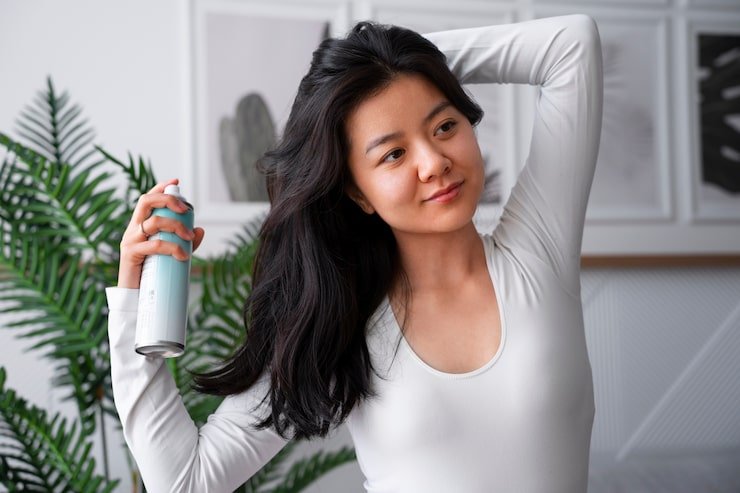
Heat styling tools like straighteners and curling irons can quickly damage your hair if not used carefully. Always apply a heat protectant spray before styling to shield your strands from high temperatures.
Limit heat styling to a few times a week. Try air-drying your hair or using lower heat settings to reduce stress on your hair.
Avoiding Harsh Chemicals
Chemicals in hair dyes, relaxers, and perms can weaken your hair shaft and cause breakage. Opt for natural or ammonia-free products to minimize damage.
Before applying any chemical treatment, do a patch test and deep condition your hair afterwards to restore moisture. Have you ever noticed your hair feeling brittle after a salon visit? That’s a sign to rethink your chemical choices.
Sun And Environmental Protection
Sun exposure, pollution, and harsh weather can strip your hair of moisture and nutrients. Wearing a hat or using UV protection sprays can guard your hair from these elements.
Rinse your hair with clean water after exposure to pollutants or saltwater. Small habits like this help maintain your hair’s natural barrier and prevent long-term damage.
Traditional Asian Hair Care Practices
Traditional Asian hair care practices have been passed down through generations. These methods focus on natural ingredients and gentle care. They promote healthy, strong, and shiny hair without harsh chemicals. Each culture offers unique techniques based on local herbs and oils. The practices often involve rituals that nourish both hair and scalp deeply.
Ayurvedic Hair Treatments
Ayurveda uses herbs and oils to balance hair health. Ingredients like amla, bhringraj, and neem are common. These herbs help reduce hair fall and improve scalp health. Oils such as coconut and sesame are warmed and massaged into the scalp. This boosts blood flow and strengthens hair roots. Herbal pastes are also applied to cleanse and nourish hair naturally.
Chinese Herbal Remedies
Chinese hair care focuses on herbs that improve circulation and energy flow. Ginseng, He Shou Wu, and green tea are popular choices. These herbs are made into rinses or oils for regular use. They help prevent hair loss and add shine. Traditional Chinese massage techniques stimulate the scalp to encourage growth. The remedies aim to balance the body’s inner health and hair vitality.
Japanese Camellia Oil Use
Camellia oil, known as Tsubaki oil, is a key part of Japanese hair care. It is rich in oleic acid and antioxidants. The oil moisturizes hair deeply without leaving it greasy. Women use it to smooth frizz and protect hair from damage. Camellia oil is applied to wet or dry hair, often before washing. It helps maintain softness, shine, and scalp health naturally.
Dealing With Common Hair Issues
Common hair problems affect many people, especially those with Asian hair textures. These issues can cause discomfort and affect hair’s look. Proper care helps keep hair healthy and strong. Understanding how to manage these problems is key to better hair.
Managing Hair Fall
Hair fall is a frequent concern. It happens due to stress, diet, or harsh treatments. Use gentle shampoos made for hair fall control. Avoid hot water and rough towel drying. Massage the scalp softly to improve blood flow. Eating protein-rich foods supports hair growth. Regular trims remove damaged hair and reduce breakage.
Tackling Dandruff
Dandruff causes itching and flakes on the scalp. Keep the scalp clean by washing hair regularly. Use anti-dandruff shampoos with ingredients like zinc or ketoconazole. Avoid scratching to prevent infections. Rinse hair well to remove shampoo residues. Natural oils like tea tree or coconut oil can soothe irritation. Drink plenty of water for scalp hydration.
Preventing Split Ends
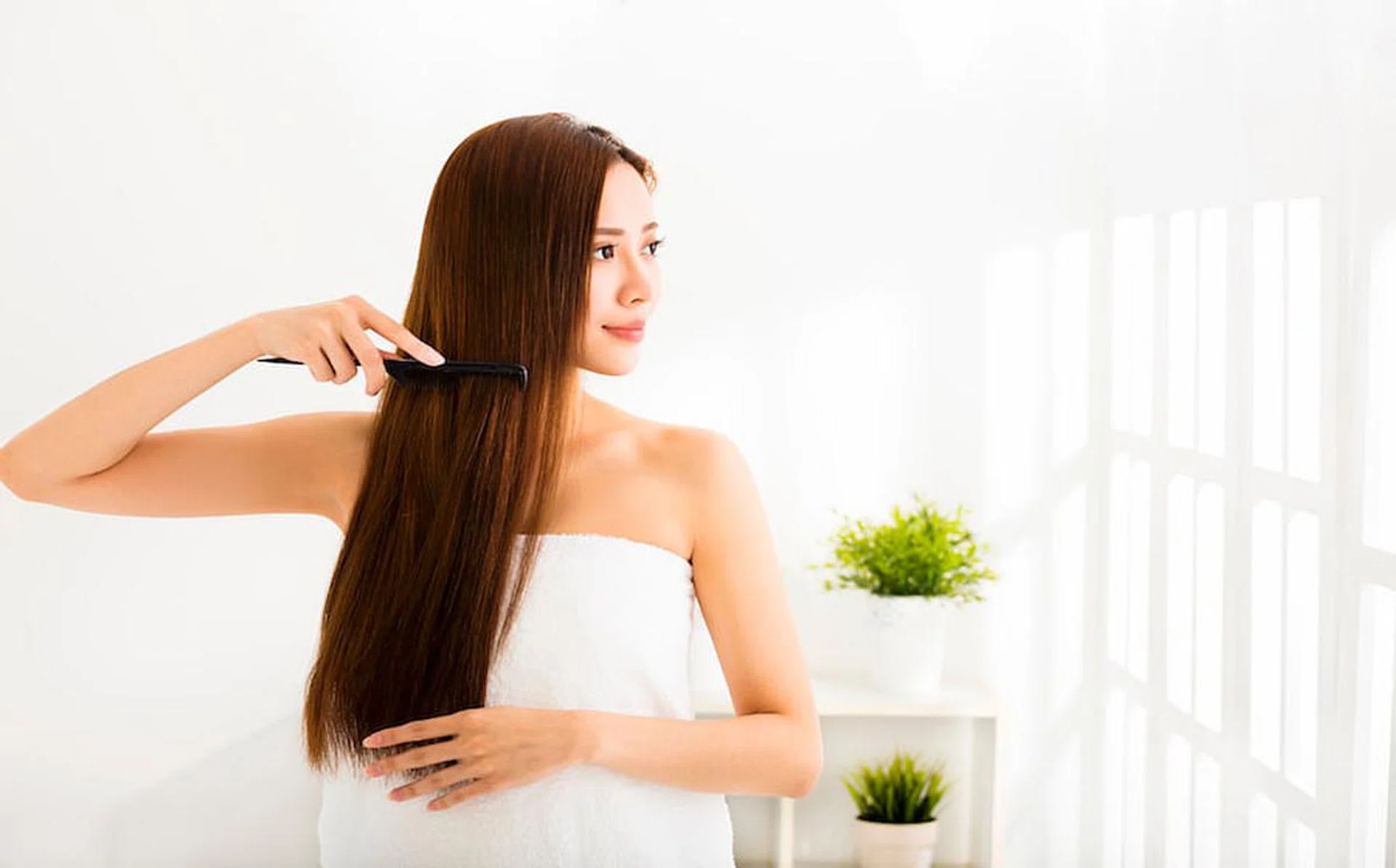
Split ends make hair look dull and frizzy. Trim hair every six to eight weeks. Use conditioners to keep hair smooth and moist. Avoid excessive heat from styling tools. Protect hair from sun and pollution with scarves or hats. Use a wide-tooth comb to detangle gently. Apply hair serums or oils to seal the ends.
Credit: www.herworld.com
Frequently Asked Questions
What Are The Best Hair Care Tips For Asian Hair?
Asian hair is typically thick and straight. Use gentle shampoos, avoid heavy oils, and moisturize regularly. Protect hair from heat and sun damage for healthy, shiny strands.
How Often Should Asian Hair Be Washed?
Washing Asian hair 2-3 times a week is ideal. Over-washing strips natural oils and causes dryness. Use mild shampoo and conditioner suited for your hair type.
Which Ingredients Benefit Asian Hair Care?
Ingredients like argan oil, green tea, and rice water nourish Asian hair. They strengthen strands, reduce breakage, and add shine. Avoid sulfates and parabens to maintain hair health.
How To Prevent Hair Loss In Asian Hair?
Maintain a balanced diet rich in vitamins and minerals. Avoid excessive heat styling and harsh chemicals. Regular scalp massages improve blood circulation, promoting healthy hair growth.
Conclusion
Healthy hair reflects good care and attention daily. Asian hair needs gentle washing and regular oiling. Using natural ingredients helps keep hair strong and shiny. Avoid harsh chemicals that can damage hair texture. Protect hair from heat and sun for best results.
Simple habits lead to beautiful, long-lasting hair health. Everyone can enjoy soft, smooth hair with patience. Take small steps today for healthier hair tomorrow.
