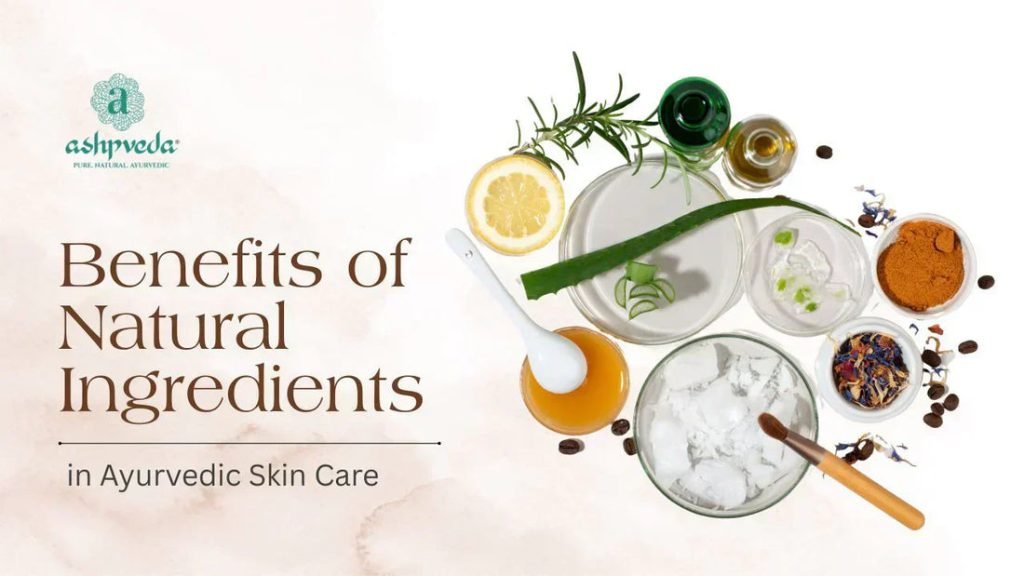
Imagine waking up to skin that feels as radiant and fresh as the morning dew. Isn’t that what you’ve always wanted?
You’re not alone. Many people are ditching chemical-laden products in favor of natural skin care solutions. Why? Because your skin deserves the best, and nature has an abundance of it. By choosing natural skin care, you’re not only nurturing your skin but also embracing a healthier lifestyle.
Intrigued? Keep reading, because you’re about to discover the secrets to glowing, healthy skin using ingredients you probably already have at home. Let’s explore how you can transform your skin care routine naturally and effortlessly.

Credit: fleurandbee.com
Natural Ingredients For Glowing Skin
Natural ingredients offer gentle care for your skin. They nourish without harsh chemicals. Using nature’s gifts supports healthy, glowing skin. These ingredients work well with all skin types. They help soothe, hydrate, and brighten your face.
Benefits Of Aloe Vera
Aloe vera is a natural hydrator. It cools and soothes irritated skin. Rich in vitamins, it boosts skin repair. Aloe helps reduce redness and inflammation. It also fights bacteria that cause acne.
Honey As A Moisturizer
Honey keeps skin soft and smooth. It locks in moisture all day long. Honey has natural antioxidants that protect skin. It helps heal wounds and blemishes. Its gentle nature suits sensitive skin well.
Role Of Coconut Oil
Coconut oil deeply moisturizes dry skin. It contains fatty acids that nourish and protect. This oil also has antibacterial properties. It helps reduce skin irritation and flakiness. Use it lightly to avoid clogged pores.
Turmeric For Brightening
Turmeric gives your skin a natural glow. It fights inflammation and reduces dark spots. Its antioxidants slow skin aging. Turmeric brightens dull and tired skin. Use small amounts to avoid staining.
Daily Habits For Healthy Skin
Healthy skin is not just about the products you apply; it’s deeply connected to the habits you practice every day. Small changes in your routine can make a big difference in how your skin looks and feels. Let’s look at some daily habits that support your skin’s natural glow and resilience.
Hydration And Its Impact
Your skin needs water to stay plump and vibrant. Drinking enough water helps flush out toxins and keeps your skin cells functioning properly.
Try to drink at least 8 glasses of water daily. If plain water feels boring, add slices of lemon or cucumber for a refreshing twist.
Have you noticed how your skin feels on days you skip water? It often looks dull and tired because it lacks moisture from the inside out.
Balanced Diet Essentials
What you eat shows up on your skin. Nutrients like vitamins C and E, omega-3 fatty acids, and antioxidants protect your skin and repair damage.
- Include colorful fruits and vegetables like berries, spinach, and carrots.
- Add nuts and seeds such as walnuts and flaxseeds for healthy fats.
- Choose whole grains over processed foods for steady energy and better skin health.
Think about your last meal—did it have enough skin-friendly nutrients? Small tweaks in your diet can lead to clearer and more radiant skin.
Adequate Sleep Benefits
Sleep is your skin’s natural repair time. During deep sleep, your body produces collagen, which keeps skin firm and smooth.
Missing sleep can lead to dark circles, puffiness, and a dull complexion. Aim for 7 to 9 hours of quality sleep each night.
Consider your bedtime routine. Simple habits like turning off screens early and keeping your room cool can improve your sleep and, in turn, your skin.
Regular Physical Activity
Exercise boosts circulation, bringing oxygen and nutrients to your skin cells. This helps your skin stay healthy and glowing.
Even a 20-minute walk daily can make a difference. Sweating also helps clear out pores, reducing the chances of breakouts.
What activity do you enjoy? Finding movement you love makes it easier to keep your skin vibrant and your body energized.
Effective Natural Cleansing Techniques
Effective natural cleansing techniques help maintain healthy skin without harsh chemicals. They remove dirt, oil, and impurities gently. Using natural ingredients soothes the skin and supports its natural balance. These methods suit all skin types and reduce irritation risks. Consistency in cleansing routines promotes clear and glowing skin.
Gentle Face Washing Methods
Use lukewarm water to open pores without drying the skin. Choose mild natural cleansers like honey or oatmeal. Massage the cleanser in soft, circular motions. Rinse thoroughly to remove all residue. Pat the face dry with a clean towel to avoid irritation.
Homemade Face Masks
Face masks made from natural ingredients nourish and hydrate the skin. Mix yogurt and honey for soothing effects. Apply the mask evenly and leave it on for 10-15 minutes. Rinse with warm water and gently pat dry. Use masks once or twice a week for best results.
Exfoliation With Natural Scrubs
Natural scrubs remove dead skin cells and brighten the face. Use ingredients like ground almonds, sugar, or coffee grounds. Mix with a small amount of oil or honey for a gentle texture. Rub the scrub softly in circular motions for 1-2 minutes. Rinse well and follow with a moisturizer to keep skin soft.

Credit: www.dermascope.com
Sun Protection The Natural Way
Protecting your skin from the sun is key to natural skincare. The sun’s rays can harm your skin, causing burns and aging. Choosing natural ways to protect your skin helps keep it healthy without harsh chemicals.
Natural sun protection relies on simple habits and safe products. These methods work gently with your skin and the environment.
Using Natural Sunscreens
Natural sunscreens use ingredients from plants and minerals. Zinc oxide and titanium dioxide are common natural blockers. They sit on the skin and reflect sunlight.
Look for sunscreens labeled “mineral” or “physical.” They avoid harmful chemicals like oxybenzone. Natural oils like coconut or raspberry seed offer mild protection too, but use them with care.
Apply sunscreen 15 minutes before going outside. Reapply every two hours or after swimming or sweating.
Protective Clothing Tips
Clothing shields your skin from UV rays. Long sleeves, hats, and sunglasses are good choices. Choose tightly woven fabrics for better protection.
Light colors reflect sunlight and keep you cool. Clothes with a UPF rating offer tested sun defense.
Cover your skin even on cloudy days. UV rays pass through clouds and can cause damage.
Timing Outdoor Activities
The sun is strongest between 10 a.m. and 4 p.m. Plan outdoor activities early or late in the day.
Shade helps reduce direct sun exposure. Trees, umbrellas, or shelters provide safe spots.
Regular breaks indoors protect your skin and body from heat.
Stress Management For Skin Health
Stress impacts skin health in many ways. It can cause breakouts, dullness, and inflammation. Managing stress naturally helps keep skin clear and glowing. Reducing stress improves blood flow and balances hormones. These changes support skin repair and slow aging.
Meditation And Relaxation
Meditation calms the mind and lowers stress hormones. A calm mind reduces skin inflammation and redness. Daily meditation sessions help restore skin’s natural glow. Relaxation techniques like deep breathing ease muscle tension. This relaxation can reduce wrinkles and fine lines.
Benefits Of Yoga
Yoga combines movement, breathing, and mindfulness. It improves circulation and oxygen flow to the skin. Regular yoga practice lowers cortisol, the stress hormone. Lower cortisol means fewer breakouts and less dryness. Yoga also promotes better sleep, which supports skin healing.
Importance Of Mindfulness
Mindfulness means paying full attention to the present moment. This awareness reduces stress and emotional eating. Less stress leads to balanced oil production in the skin. Mindful habits encourage gentle skin care routines. They prevent harsh treatments that harm skin health.

Credit: www.muloha.com
Avoiding Harmful Chemicals
Protecting your skin means avoiding harmful chemicals that can cause irritation, dryness, or even long-term damage. Many skin care products contain ingredients you might not recognize, some of which can disrupt your skin’s natural balance. Learning how to spot these chemicals and choosing safer alternatives is a smart way to care for your skin naturally.
Reading Product Labels
Understanding product labels is your first defense against harmful chemicals. Look out for ingredients like parabens, sulfates, phthalates, and synthetic fragrances, which often cause reactions or dryness.
Try to find products with simple ingredient lists. If you can’t pronounce an ingredient or it sounds like a chemical formula, it’s worth researching or avoiding. Have you ever checked your favorite lotion’s label and found unexpected ingredients?
Choosing Organic Products
Organic skin care products reduce exposure to pesticides and synthetic additives. These products often use plant-based ingredients grown without harmful chemicals, making them gentler on your skin.
Choosing organic doesn’t mean it’s always perfect—some natural ingredients can also irritate sensitive skin. Look for certifications like USDA Organic or ECOCERT to ensure authenticity. What organic product surprised you with its effectiveness?
Diy Natural Skin Care Recipes
Making your own skin care products lets you control exactly what touches your skin. Simple recipes using ingredients like honey, coconut oil, and oatmeal can be effective and nourishing.
For example, a quick face mask with honey and yogurt can soothe and hydrate your skin without any harsh chemicals. Have you tried making your own scrub or mask at home? It’s easier than you think, and your skin will thank you.
Boosting Skin Health With Supplements
Taking care of your skin isn’t just about the products you apply on the surface. What you put inside your body plays a crucial role in how your skin looks and feels. Supplements can fill nutritional gaps and support your skin from within, making your natural skincare routine more effective.
Vitamins For Skin Glow
Vitamins such as C, E, and A are well-known for their skin benefits. Vitamin C helps brighten your skin and supports collagen production, which keeps your skin firm. Vitamin E acts as an antioxidant, protecting your skin from damage caused by free radicals.
Vitamin A, often found in its retinol form, promotes cell turnover, reducing dullness and uneven texture. Have you ever noticed how your skin looks dull when you’re not eating well? That’s often due to a lack of these essential vitamins.
Essential Fatty Acids
Omega-3 and omega-6 fatty acids are vital for maintaining your skin’s barrier function. They help lock in moisture and reduce inflammation, which can calm redness and irritation. You can find these healthy fats in fish oil, flaxseed oil, and walnuts.
When my skin became dry and irritated during winter, adding an omega-3 supplement made a visible difference in just a few weeks. Could your skin benefit from a boost in these fatty acids?
Herbal Supplements
Herbs like turmeric, green tea, and aloe vera have been used for centuries to support skin health. Turmeric contains curcumin, which has anti-inflammatory properties that may reduce acne and redness. Green tea is rich in antioxidants that protect against sun damage and premature aging.
Aloe vera supplements can soothe irritated skin and promote healing from within. Have you considered how herbal supplements might complement your skincare routine naturally?
Frequently Asked Questions
What Are The Best Natural Ingredients For Skin Care?
Natural ingredients like aloe vera, honey, coconut oil, and green tea are excellent for skin care. They hydrate, soothe, and protect skin without harmful chemicals.
How Often Should I Use Natural Skin Care Products?
Use natural skin care products daily for best results. Consistency helps maintain skin health and enhances natural glow over time.
Can Natural Skin Care Prevent Acne And Blemishes?
Yes, natural skin care can reduce acne and blemishes. Ingredients like tea tree oil and witch hazel have antibacterial properties that clear skin gently.
Is Natural Skin Care Suitable For All Skin Types?
Natural skin care suits most skin types but always do a patch test. Some natural oils may not work well for very oily or sensitive skin.
Conclusion
Natural skin care helps your skin stay healthy and bright. Simple habits like drinking water and using gentle products work best. Nature offers many safe and effective ingredients for skin care. Patience is key; results take time to show. Enjoy the process and listen to your skin’s needs.
Healthy skin starts with care that feels good and natural. Keep it simple and consistent for lasting benefits. Your skin will thank you every day.
