Are you tired of battling dull, lifeless hair? Imagine running your fingers through soft, shiny locks that radiate health.
If this sounds like a dream come true, you’re in the right place. Henna, a natural plant-based dye, is your hair’s new best friend. Beyond its vibrant coloring ability, henna offers incredible hair care benefits. It strengthens your strands, reduces dandruff, and promotes a healthy scalp.
We’ll dive into how henna can transform your hair care routine, giving you the luscious locks you’ve always wanted. Get ready to discover how a simple, natural ingredient can make all the difference.
Benefits Of Henna For Hair
Henna has been a trusted natural remedy for hair care across cultures for centuries. Its benefits go beyond just coloring your hair; it actively improves hair health in several ways. If you want stronger, shinier hair with less breakage and a healthier scalp, henna might be exactly what you need.
Strengthening Hair Strands
Henna coats your hair shaft with a protective layer, which makes each strand stronger and less prone to damage. This natural coating helps reduce split ends and breakage. If you’ve noticed your hair snapping easily, regular henna treatments can build resilience over time.
Enhancing Natural Shine
Henna adds a subtle, glossy shine to your hair without using harsh chemicals. It smooths the hair cuticle, which reflects light better and makes your hair look vibrant. Imagine your hair catching the light effortlessly after just one henna session.
Reducing Hair Fall
Hair fall can be frustrating, but henna’s nourishing properties can help reduce it. By strengthening roots and improving blood circulation in your scalp, henna supports healthier hair growth. Have you tried natural options like henna to address your hair fall?
Improving Scalp Health
Henna has antimicrobial properties that can soothe an itchy, irritated scalp. It balances scalp oil and fights dandruff-causing fungi, leaving your scalp feeling fresh and healthy. A healthy scalp is the foundation of beautiful hair—does your scalp feel balanced and comfortable?

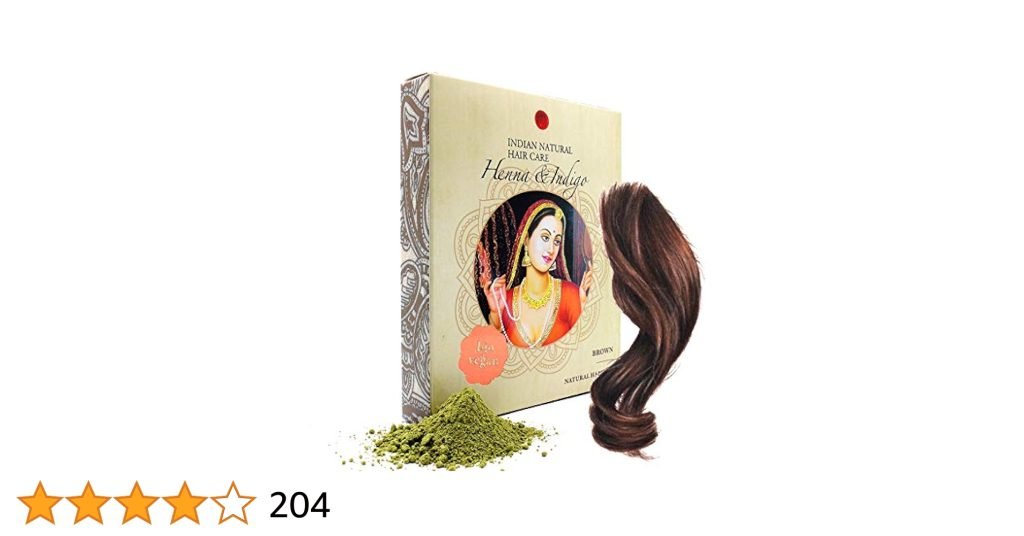
Credit: www.ebay.ca
How Henna Works On Hair
Henna has been used for hair care for centuries. It offers natural benefits beyond just coloring hair. Understanding how henna works helps you appreciate its effects on hair health and appearance.
Natural Dye And Conditioning Agent
Henna contains a natural pigment called lawsone. This pigment binds to the hair shaft and gives a rich, reddish tint. Unlike chemical dyes, henna coats the hair rather than penetrating deeply.
Besides coloring, henna acts as a conditioner. It smooths the hair surface, making strands soft and shiny. Hair feels thicker and looks healthier after henna application.
Sealing Hair Cuticles
Henna helps close open hair cuticles. Closed cuticles lock in moisture and protect hair from damage. This sealing effect reduces frizz and prevents split ends.
Sealed cuticles reflect light better. This makes hair appear glossy and vibrant. Regular henna use can improve hair texture over time.
Balancing Scalp Ph
Henna has a natural cooling effect on the scalp. It helps maintain the scalp’s pH balance. Balanced pH reduces scalp dryness and itchiness.
A healthy scalp environment supports hair growth. Henna’s soothing properties calm irritation and reduce dandruff. This creates a clean, healthy base for strong hair.
Choosing The Right Henna
Choosing the right henna is key to healthy, vibrant hair. Not all henna powders are the same. Knowing the differences helps you pick the best one for your hair type and needs.
Pure Vs. Mixed Henna
Pure henna contains only henna leaves ground into powder. It offers natural conditioning and a rich reddish tint. Mixed henna often includes other herbs or chemicals. These can change color results and may cause allergic reactions. Pure henna is safer for sensitive skin and gives a more natural shine.
Organic Options
Organic henna is grown without pesticides or synthetic fertilizers. It is gentler on the scalp and better for the environment. Organic henna powders usually have a fresher scent and finer texture. Choosing organic reduces the chance of irritation and supports sustainable farming.
Color Variations
Henna colors range from bright red to deep auburn. The final shade depends on your natural hair color and henna quality. Some henna blends include indigo or amla to create brown or black tones. Test a small strand before full application to see the exact color on your hair.
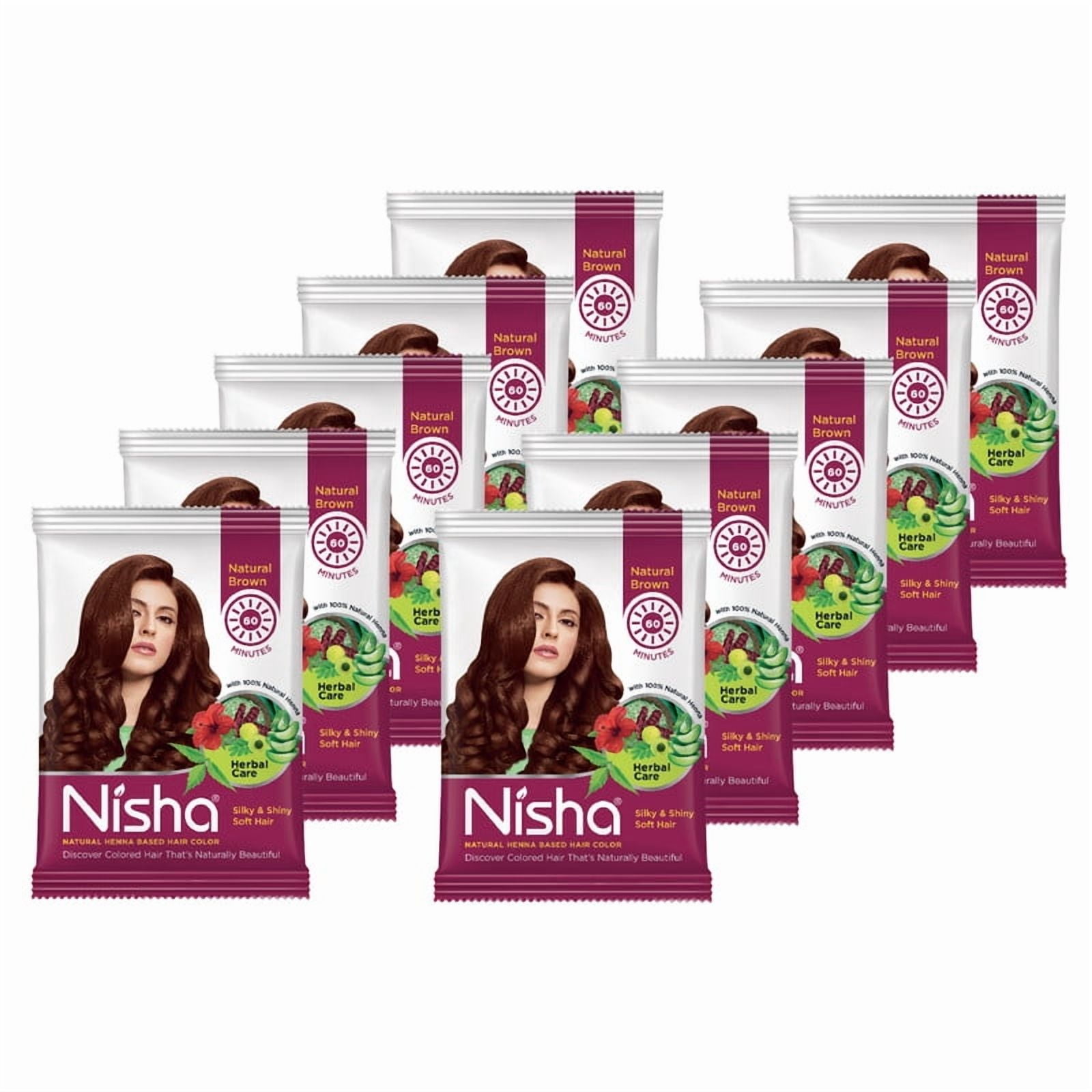
Credit: www.walmart.ca
Preparing Henna For Application
Preparing henna for hair care is a simple but important process. Proper preparation ensures smooth application and even color. It also helps the henna release its natural dye and benefits for your hair.
Henna powder needs to be mixed with liquids to form a paste. This paste should be easy to apply and stay on your hair without dripping. Small changes in preparation affect the final look and feel of your hair.
Mixing Techniques
Start with good quality henna powder. Sift it to remove lumps. Use a non-metal bowl and spoon for mixing. Add warm water slowly to the powder. Stir gently until you get a smooth paste. Cover the paste with plastic wrap. Let it sit for 6 to 12 hours. This resting time helps release the dye.
Adding Essential Oils
Essential oils improve henna’s smell and boost hair health. Add a few drops of essential oils like lavender, rosemary, or tea tree. Mix the oils well into the henna paste. These oils help nourish your scalp and reduce dryness. Avoid adding too much oil, or the paste may become too runny.
Adjusting Consistency
The paste should be thick but spreadable. Add water or lemon juice slowly to adjust thickness. If too thick, it will be hard to apply. If too thin, it will drip and be messy. Aim for yogurt-like consistency. This helps the henna stick to hair strands easily and evenly.
Applying Henna Safely
Applying henna safely is key to enjoying its natural benefits without any issues. Henna can cause allergic reactions or uneven color if not used properly. Simple steps help protect your skin and hair while getting the best results.
Patch Testing
Perform a patch test before full application. Mix a small amount of henna paste. Apply it to a small skin area, like behind the ear or wrist. Wait 24 to 48 hours and watch for redness, itching, or swelling. If irritation occurs, avoid using henna on your hair.
Application Tips
- Wear gloves to avoid staining your hands.
- Apply a thin layer of oil or petroleum jelly around your hairline to protect skin.
- Use a brush or applicator bottle for even coverage.
- Section your hair to reach every strand easily.
- Work in a well-ventilated area to avoid strong smells.
Timing And Rinsing
Leave henna on your hair for 1 to 4 hours, depending on color depth desired. Avoid leaving it longer to prevent dryness. Rinse thoroughly with water until it runs clear. Skip shampoo for the first 24 hours to let color set. Use conditioner to restore moisture after rinsing.

Credit: www.walmart.ca
Henna Hair Care Tips
Henna is a natural way to care for your hair. It strengthens, nourishes, and adds shine. Using henna correctly brings the best results. Follow these henna hair care tips for healthy, vibrant hair.
Frequency Of Use
Use henna once every 3 to 4 weeks. Frequent use can dry out your hair. Less often might not show the full benefits. Adjust based on your hair type and condition.
Combining With Other Treatments
Henna works well with natural oils like coconut or olive oil. Avoid mixing henna with chemical treatments. Wait at least two weeks after coloring or perming. This prevents damage and uneven color.
Maintaining Hair Health
Rinse henna thoroughly with cool water to keep hair soft. Use a mild shampoo after rinsing if needed. Apply conditioner to lock in moisture. Protect hair from heat styling and harsh chemicals for longer-lasting effects.
Common Myths About Henna
Henna has been used for centuries as a natural hair care treatment, but many myths still surround its use. These misconceptions often stop people from trying henna or lead to disappointing results. Understanding the truth behind these common myths can help you make better choices for your hair.
Henna Causes Hair Damage
Many believe henna damages hair, but this is rarely true when henna is pure and natural. In fact, henna coats the hair shaft, strengthening it and reducing breakage. However, if mixed with harmful chemicals or low-quality products, it might cause dryness or damage.
Think about your own hair care routine—have you noticed any damage after using pure henna? It’s important to always check the ingredients and avoid products with added chemicals.
Henna Only Works On Certain Hair Types
Some say henna works only on dark or thick hair, but that’s not the case. Henna can benefit all hair types, including fine, curly, or gray hair. The results may vary, but henna’s conditioning effects help improve texture and shine for everyone.
If you have fine or light-colored hair, you might see a different shade or level of color intensity, but the nourishing properties remain. Have you ever tried henna and been surprised by how soft your hair felt afterward?
Henna Permanently Colors Hair
Henna is often thought to permanently stain hair, but it actually builds up gradually and fades over time. The color can last for weeks or months depending on your hair type and washing routine. Unlike chemical dyes, henna does not penetrate deeply but coats the hair surface.
Are you hesitant to try henna because you worry about permanent color? Remember, henna offers a natural, semi-permanent option that you can refresh or remove with time.
Henna Recipes For Different Hair Needs
Henna is a natural powerhouse for hair care, but did you know it can be tailored to fit your specific hair needs? Different hair types and concerns benefit from unique henna recipes that boost its effectiveness. Whether your hair is dry, oily, or plagued by dandruff, the right henna blend can make a noticeable difference.
Henna For Dry Hair
Dry hair often feels brittle and looks dull. Adding moisturizing ingredients to henna can restore softness and shine.
- Mix henna powder with yogurt or coconut milk to add deep hydration.
- Add a tablespoon of honey for extra moisture retention.
- Leave the mixture on your hair for 1 to 2 hours before washing.
This combo helped me revive my dry ends after a harsh winter. You’ll notice your hair feels smoother and less prone to breakage.
Henna For Oily Hair
Oily hair can quickly become greasy and limp, making it hard to style. Using henna with balancing ingredients controls excess oil without drying your scalp.
- Use henna powder mixed with lemon juice or apple cider vinegar to help regulate oil production.
- Add a teaspoon of neem powder for its cleansing properties.
- Apply for 30 to 45 minutes, then rinse thoroughly.
After trying this recipe, my scalp felt fresh longer, and my hair didn’t get oily as fast. Have you noticed your scalp’s natural balance shifting with different shampoos?
Henna For Dandruff Control
Dandruff can be stubborn, but henna’s natural antifungal qualities can help soothe your scalp and reduce flakes.
- Combine henna with fenugreek powder, known for fighting dandruff.
- Add a few drops of tea tree oil for extra antimicrobial action.
- Keep the mask on for about an hour before washing off gently.
This mixture calmed my itchy scalp and visibly reduced flakes after a few uses. If dandruff bothers you, how often do you give your scalp a break from chemical treatments?
Frequently Asked Questions
What Are The Main Benefits Of Henna For Hair Care?
Henna naturally conditions hair, strengthens strands, and reduces breakage. It also improves scalp health and adds shine. Henna acts as a natural hair dye without harmful chemicals. It suits most hair types and supports overall hair growth.
How Often Should I Use Henna On My Hair?
Using henna once every 3-4 weeks is ideal for most hair types. Frequent use can lead to dryness, so moisturizing afterward is important. This schedule maintains hair health and vibrant color without causing damage.
Can Henna Help With Dandruff And Scalp Issues?
Yes, henna has antifungal and antibacterial properties that reduce dandruff. It soothes scalp irritation and balances oil production. Regular henna treatments can improve scalp cleanliness and reduce itching effectively.
Is Henna Safe For Colored Or Chemically Treated Hair?
Henna is generally safe for chemically treated hair but may alter hair color. It’s recommended to do a strand test first. Avoid mixing henna with chemical dyes to prevent unexpected results.
Conclusion
Henna nourishes hair and keeps it healthy. It adds shine and strength naturally. Using henna regularly can reduce hair fall. It also helps control dandruff and scalp problems. Henna is a safe, natural choice for hair care. Many people enjoy its benefits without chemicals.
Try henna to see how it works for you. Simple, natural care often brings the best results. Give your hair the gentle care it needs. Henna can be a great part of your routine.