Imagine if you could keep your favorite skincare products fresh and effective without relying on synthetic chemicals. Sounds too good to be true?
It’s not! Natural preservatives for skin care are becoming a game-changer for those of you who are passionate about maintaining healthy, glowing skin while minimizing exposure to harsh additives. These natural wonders not only extend the shelf life of your beauty essentials but also offer additional benefits that could make your skin sing with joy.
You’re about to discover how these ingredients can transform your skincare routine into a more eco-friendly and skin-loving experience. Curious to know more? Let’s dive into the world of natural preservatives and unveil their secrets for your skin’s health and vitality.

Credit: www.naturalorganicskincare.com
Benefits Of Natural Preservatives
Natural preservatives offer many benefits for skin care products. They protect the product from bacteria and mold while being gentle on your skin. These preservatives come from plants, minerals, or natural extracts. They work effectively without harsh chemicals.
Safety Compared To Synthetic Options
Natural preservatives are safer for the skin and overall health. They do not contain harmful chemicals that may cause irritation or allergies. Synthetic preservatives sometimes lead to redness, itching, or other side effects. Natural options reduce these risks, making products suitable for sensitive skin.
Environmental Impact
Natural preservatives break down easily in the environment. They do not pollute water or soil like synthetic ones. Using natural ingredients helps protect ecosystems and wildlife. Choosing natural preservatives supports eco-friendly skincare and reduces chemical waste.
Skin Compatibility
Natural preservatives blend well with skin’s chemistry. They maintain the product’s freshness without disturbing skin balance. These preservatives help keep the skin hydrated and calm. They suit all skin types, especially dry or sensitive skin.

Credit: www.amazon.com
Common Natural Preservatives
Natural preservatives protect skin care products from spoilage and extend shelf life. They prevent harmful bacteria and mold from growing. Using natural options helps avoid synthetic chemicals that may irritate the skin. These preservatives often bring extra benefits like soothing and nourishing effects. Understanding common natural preservatives helps choose safer, effective skin care products.
Essential Oils
Essential oils come from plants and have natural antibacterial properties. They help stop bacteria and fungi from growing in skin care. Popular choices include tea tree, lavender, and rosemary oils. Each oil offers unique scents and skin benefits. Essential oils also act as antioxidants, protecting products from damage. They work best in small amounts to avoid skin irritation.
Plant Extracts
Plant extracts contain compounds that fight microbes and preserve products. Extracts from herbs like chamomile, neem, and green tea are common. These extracts calm the skin while preventing spoilage. They add natural antioxidants that keep formulas fresh longer. Plant extracts blend well with other natural ingredients. They suit sensitive skin and support gentle preservation.
Antioxidants
Antioxidants stop oxidation, a process that spoils oils and creams. Vitamin E (tocopherol) is a widely used natural antioxidant. It helps keep products stable and protects skin from free radicals. Other antioxidants include vitamin C and ferulic acid. These ingredients slow down aging and maintain product quality. Antioxidants often pair with oils and extracts for better effect.
Fermented Ingredients
Fermented ingredients come from natural fermentation of plants or microbes. They contain organic acids that prevent microbial growth. Examples include fermented rice water, soy, and kombucha. Fermentation boosts nutrients and improves skin absorption. These ingredients enhance preservation and add skin benefits like hydration and brightening. Fermented ingredients suit all skin types and enrich formulas naturally.
How Natural Preservatives Work
Natural preservatives protect skin care products by stopping harmful microbes and slowing down spoilage. They extend shelf life without harsh chemicals. These preservatives work through two main actions: killing or stopping microbes and fighting oxidation. Both help keep products safe and fresh for longer.
Antimicrobial Properties
Natural preservatives kill or stop bacteria, fungi, and molds. These microbes cause products to spoil or grow harmful germs. Ingredients like tea tree oil, honey, and rosemary have natural antimicrobial effects. They create an environment where microbes cannot survive or reproduce.
These preservatives target the cell walls or enzymes of microbes. This stops their growth and spreads. The product stays clean and safe to use. Antimicrobial action helps prevent skin infections from contaminated products.
Antioxidant Mechanisms
Oxidation damages skin care ingredients and reduces product quality. Natural preservatives act as antioxidants to fight this damage. They neutralize free radicals, which cause oxidation and spoilage.
Examples include vitamin E, green tea extract, and grape seed oil. These antioxidants protect oils and active ingredients from going rancid. This keeps the texture, smell, and effectiveness of products intact.
Antioxidants also support skin health when absorbed. They reduce signs of aging and protect skin cells from harm.
Formulating With Natural Preservatives
Formulating with natural preservatives requires careful choice and precise application. These ingredients help protect skincare products from bacteria, mold, and yeast. They extend shelf life while keeping formulas safe and gentle. Natural preservatives often come from plants, minerals, or other organic sources. Using them correctly ensures effective preservation without harsh chemicals.
Choosing The Right Preservative
Select preservatives based on your product type and ingredients. Some work best in water-based formulas, others in oils. Consider the product’s pH level and packaging. Popular natural options include:
- Grapefruit seed extract
- Rosemary extract
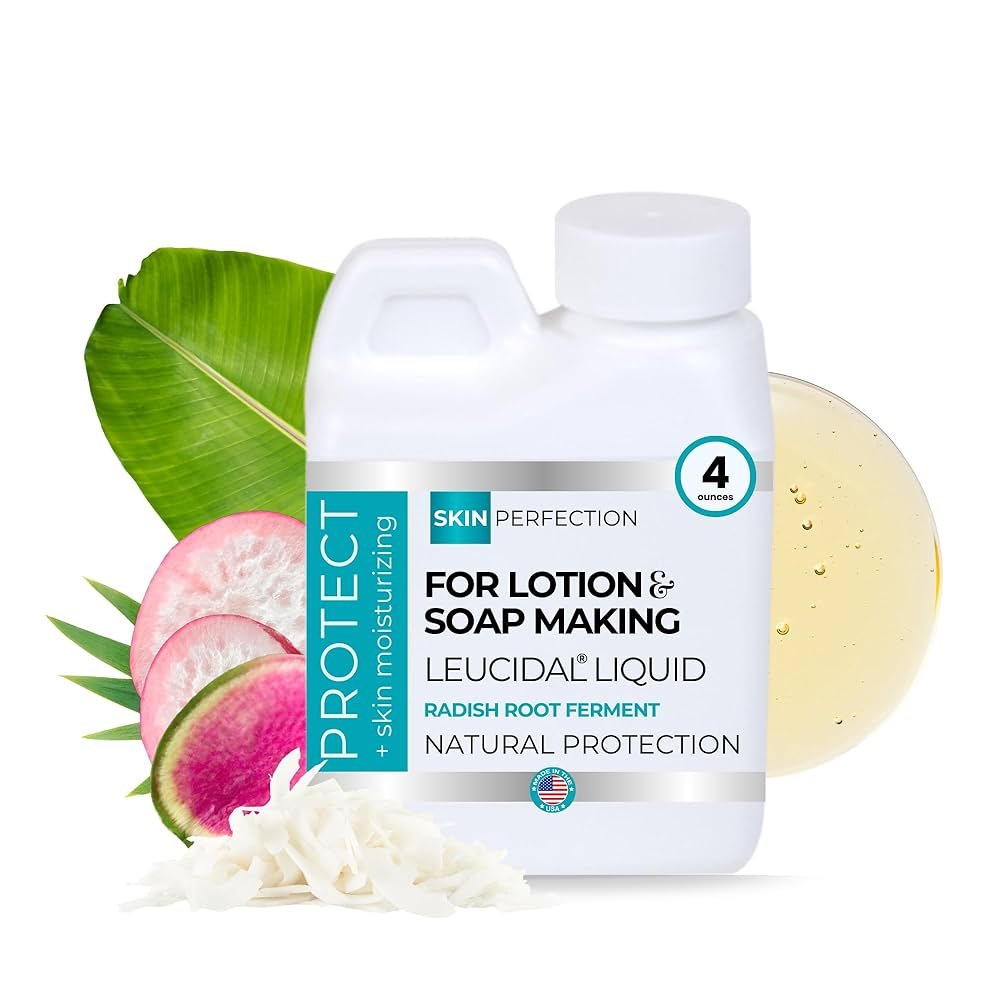
- Leuconostoc radish ferment filtrate
- Phenoxyethanol derived from green tea
- Essential oils like tea tree or lavender
Each preservative offers different antimicrobial properties. Match these to the microbes most likely to spoil your product.
Concentration And Usage Guidelines
Follow recommended concentration ranges for safety and effectiveness. Too little preservative risks contamination. Too much can irritate skin or destabilize the formula.
Typical natural preservative levels range from 0.5% to 2%. Always check supplier guidelines and test your formula. Conduct stability and microbial challenge tests to confirm protection.
Combining Preservatives For Effectiveness
Blending preservatives can improve protection. Different preservatives target different microbes. Combining them broadens the antimicrobial spectrum.
- Pair plant extracts with mild synthetic options for balance
- Use antioxidants alongside antimicrobials to prevent oxidation
- Test combinations carefully to avoid interactions
Proper combinations create a safer, longer-lasting natural skincare product.
Challenges And Limitations
Natural preservatives offer a refreshing alternative to synthetic chemicals in skin care, but they come with their own set of challenges and limitations. Understanding these hurdles can help you make better choices and set realistic expectations for your products. Let’s look closely at some key issues you might face when using natural preservatives.
Shelf Life Considerations
Natural preservatives often have shorter shelf lives compared to synthetic ones. This means your skin care products may not last as long on the shelf or in your bathroom cabinet.
For example, natural ingredients like rosemary extract or grapefruit seed extract can lose their potency faster, especially if exposed to heat or light. This can lead to quicker spoilage or reduced effectiveness in preventing bacteria and mold growth.
Think about how often you use your skincare products. If you buy in bulk or don’t finish items quickly, shorter shelf life can become a real issue. How do you balance wanting natural ingredients with the need for longer-lasting products?
Potential Allergies And Sensitivities
Natural does not always mean gentle. Some natural preservatives can cause allergic reactions or irritate sensitive skin.
Ingredients like essential oils or honey can trigger redness, itching, or breakouts in some people. Even if you’ve never had a reaction before, introducing new natural preservatives can still be risky.
Always patch test new products and read ingredient lists carefully. Are you aware of any sensitivities that might affect your choice of natural preservatives?
Regulatory Aspects
Regulations around natural preservatives vary widely depending on where you live. This can affect what ingredients can be legally used in your skin care products.
Some natural preservatives lack official approval or have limited allowable concentrations. This might restrict their use or require additional labeling to inform consumers.
For those making or selling natural skin care, staying updated on regulations is crucial. Have you checked if your favorite natural preservative meets safety standards in your country?
Trends In Natural Preservation
Natural preservation in skin care is evolving rapidly, driven by new discoveries and changing consumer demands. Brands are now blending science with nature to keep products fresh without harsh chemicals. This shift not only protects your skin but also aligns with a growing desire for cleaner, safer beauty routines.
Innovative Ingredients
New natural preservatives are emerging from unexpected sources like fermented rice, mushroom extracts, and plant-based peptides. These ingredients work by targeting bacteria and fungi while being gentle on sensitive skin. Have you noticed how some products now last longer without synthetic additives? This trend shows a move toward smarter, nature-powered solutions.
Sustainability Focus
More companies are choosing preservatives that reduce environmental impact. Ingredients harvested sustainably and biodegradable formulas are becoming standard. You can support this shift by opting for brands that share transparency about their sourcing and production methods.
Consumer Preferences
Your choices influence the beauty market more than ever. Many people now read labels carefully and avoid parabens, sulfates, and artificial fragrances. How often do you check for natural preservatives before buying? Being aware helps you pick products that are safer for your skin and the planet.
Diy Skin Care With Natural Preservatives
Creating your own skin care products at home is a rewarding way to control what goes on your skin. Using natural preservatives helps keep your homemade creams, lotions, and serums fresh and safe without harsh chemicals. But how can you ensure your DIY creations stay effective and free from harmful bacteria?
Safe Formulation Tips
Always start with clean tools and containers to avoid contamination. Use distilled or boiled water in your recipes to reduce bacteria presence.
Measure ingredients precisely. Natural preservatives like vitamin E, rosemary extract, or grapefruit seed extract have specific effective ranges—too little won’t preserve, too much might irritate your skin.
Keep your batches small. Since natural preservatives may not last as long as synthetic ones, making smaller quantities ensures freshness and reduces waste.
Popular Recipes
- Honey and Aloe Vera Gel:Honey naturally fights bacteria, while aloe soothes skin. Combine equal parts and add a few drops of tea tree oil for extra preservation.
- Green Tea Toner:Brew strong green tea, cool it, then mix with witch hazel and a teaspoon of vitamin E oil. This toner refreshes skin and stays fresh for up to a week in the fridge.
- Coconut Oil and Shea Butter Balm:Blend melted shea butter with coconut oil and add rosemary antioxidant extract. This balm nourishes skin and resists spoilage.
Storage And Handling
Store your products in dark glass containers to protect them from light, which can degrade natural preservatives. Keep them in a cool, dry place or refrigerate when possible.
Always use clean hands or a spatula to scoop out your product. Avoid double-dipping to reduce the risk of introducing bacteria.
Label your jars with the date made and ingredients used. Check your products regularly for changes in smell, color, or texture. Would you trust a product that looks or smells off?

Credit: www.amazon.com
Frequently Asked Questions
What Are Natural Preservatives In Skin Care?
Natural preservatives are plant-based or mineral substances. They prevent microbial growth and extend product shelf life safely. Examples include vitamin E, rosemary extract, and grapefruit seed extract.
How Do Natural Preservatives Benefit Skin Care Products?
They protect products without harsh chemicals. Natural preservatives maintain product integrity and reduce skin irritation risks. They appeal to users seeking clean, eco-friendly skincare options.
Can Natural Preservatives Replace Synthetic Ones Effectively?
Yes, many natural preservatives offer comparable protection. However, their efficacy depends on formulation and product type. Combining multiple natural preservatives often ensures better preservation.
Are Natural Preservatives Safe For Sensitive Skin?
Generally, yes. Natural preservatives are less likely to cause irritation or allergies. Always check for individual sensitivities and perform patch tests before use.
Conclusion
Natural preservatives help keep skin care fresh and safe. They come from plants and foods. These ingredients protect your products without harsh chemicals. Using natural options supports healthy skin and the environment. You can trust these preservatives to keep your skin care clean.
Try them for gentle, effective protection. Your skin deserves simple, natural care every day. Choose nature’s way to preserve your beauty products. Safe, gentle, and easy to use—natural preservatives work well.
