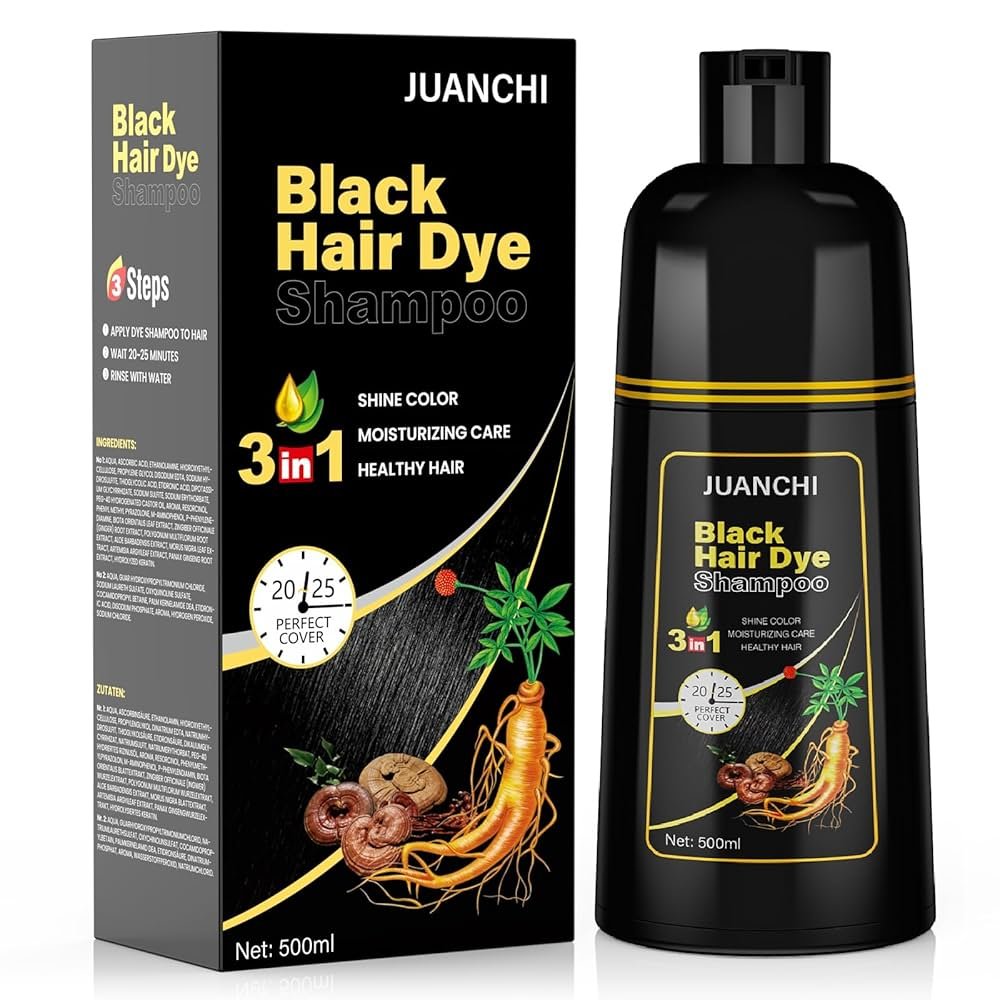
Are you tired of dealing with unruly curls, dryness, or breakage when it comes to your hair? If so, you’re not alone.
Many people with black hair face unique challenges that require special attention and care. But worry not—understanding the right techniques and products can make all the difference. Imagine transforming your hair into a crown of soft, shiny, and resilient locks.
It all starts with knowing what your hair truly needs. We’ll explore the secrets to maintaining healthy black hair, giving you the confidence and knowledge to let your natural beauty shine. Dive in to discover how to give your hair the love and care it deserves.
Hair Types And Textures
Understanding your hair type and texture is essential for effective Black hair care. Knowing how your hair naturally behaves helps you choose the right products and styling techniques that work best for you. Let’s dive into the common patterns you might find and how to identify your unique hair type.
Common Hair Patterns
Black hair comes in a beautiful variety of patterns, each with its own characteristics and care needs. The main types include:
- Type 3 (Curly):Hair forms loose to tight curls. It can range from bouncy ringlets to corkscrews.
- Type 4 (Coily/Kinky):Hair is tightly coiled with a zig-zag pattern. It often appears dense and fragile, requiring gentle handling.
Within these types, you’ll notice variations like 3A, 3B, 4A, 4B, and 4C, describing curl tightness and strand thickness. For instance, 4C hair has very tight coils and shrinks significantly when dry, which affects styling choices.
Identifying Your Hair Type
Look closely at your hair when it’s clean and stretched naturally. Are your curls loose loops or small, tight coils? This simple observation can guide your product selection.
Try this quick test: take a strand and see how it behaves when wet and dry. Does it spring back quickly or stretch out? Does it feel soft or coarse? These clues reveal your hair’s texture and porosity.
Knowing your hair type isn’t about labeling—it’s about understanding your hair’s needs. Are you using moisturizers that match your curl pattern? Are you protecting your hair’s natural shape during sleep? Asking questions like these will improve your hair care routine dramatically.
Daily Hair Care Routine
Maintaining a consistent daily hair care routine is essential for Black hair, which thrives on moisture and gentle handling. Each day presents an opportunity to nurture your hair and protect its natural texture. How you approach cleansing, moisturizing, and detangling can make a big difference in the health and appearance of your hair.
Cleansing Without Stripping
Washing Black hair too often or with harsh shampoos can strip away the natural oils that keep it soft and manageable. Choose sulfate-free shampoos or cleansing conditioners that gently remove dirt without drying out your scalp and strands. You might find that co-washing—using conditioner to cleanse—works well between shampoo days to maintain moisture.
Pay attention to water temperature too; lukewarm water is best to avoid irritating your scalp or causing frizz. Ask yourself: Is your scalp feeling clean without that tight, dry sensation? If not, it’s time to rethink your cleansing products.
Moisturizing Techniques
Black hair needs regular moisture to prevent breakage and maintain elasticity. After cleansing, apply a leave-in conditioner or a moisturizing cream to damp hair. Sealing in that moisture with natural oils like jojoba, castor, or coconut oil can keep your hair hydrated throughout the day.
Consider the LOC (Liquid, Oil, Cream) method as a simple way to lock in moisture. Have you noticed how your hair responds on days you skip moisturizing? That contrast can reveal how essential this step is for your hair’s health.
Detangling Tips
Detangling Black hair requires patience and care to avoid unnecessary breakage. Always detangle when your hair is damp and coated with conditioner or a detangling product. Use a wide-tooth comb or your fingers to gently work through knots starting from the ends and moving up toward the roots.
Break your hair into smaller sections before detangling; this makes the process easier and less painful. Have you tried detangling in the shower during conditioning? Many find it reduces breakage and tangling significantly.
Choosing The Right Products
Choosing the right products is key for healthy Black hair care. Products must nourish, protect, and support hair texture. The right ingredients keep hair strong and soft. Avoiding harmful chemicals preserves scalp health and hair growth. Careful selection helps maintain moisture and reduce breakage.
Ingredients To Look For
Choose products with natural oils and butters. They add moisture and shine.
- Shea butter: deeply hydrates and softens hair
- Coconut oil: strengthens and prevents damage
- Argan oil: adds shine and smooths frizz
- Aloe vera: soothes scalp and promotes growth
- Castor oil: supports hair thickness and health
Look for proteins like keratin and silk amino acids. They repair and protect hair strands.
Avoiding Harmful Chemicals
Steer clear of sulfates. They strip natural oils and dry hair out.
Avoid parabens and phthalates. These can irritate the scalp and harm hair health.
Limit products with alcohol. It causes dryness and frizz in textured hair.
Choose items labeled “sulfate-free” and “paraben-free” for safer care.
Protective Hairstyles
Protective hairstyles play a key role in caring for Black hair. They help keep hair strong and reduce breakage. These styles shield the hair from harsh weather and daily wear. Protective hairstyles allow hair to grow while staying healthy. Choosing the right style can save time and effort in daily hair care.
Styles That Minimize Damage
Some hairstyles protect hair better than others. Braids, twists, and buns are popular choices. They keep the ends tucked away and prevent tangling. Wigs and weaves can also protect hair when done gently. Avoid styles that pull too tight or cause pain. Loose styles allow the scalp to breathe and reduce stress on hair.
- Box braids
- Senegalese twists
- Low buns
- Flat twists
- Wigs with gentle application
Maintenance And Care
Protective hairstyles need regular care to keep hair healthy. Moisturize the scalp and hair with light oils or sprays. Cleanse the scalp gently without disturbing the style. Avoid leaving protective styles in for too long. Sleep with a satin scarf or bonnet to reduce friction. Check for signs of damage and adjust styles as needed.
- Moisturize every 2-3 days
- Wash scalp weekly
- Use gentle shampoos and conditioners
- Protect hair at night with satin or silk
- Remove styles after 6-8 weeks
Scalp Health
Scalp health plays a vital role in maintaining Black hair’s strength and shine. A clean, well-moisturized scalp supports healthy hair growth. It prevents common issues such as dryness, flaking, and irritation. Caring for the scalp means caring for the roots. This care ensures hair grows thick and strong. Proper scalp care routines keep hair looking its best every day.
Preventing Dryness And Irritation
Dry scalp causes itching and discomfort. It can lead to dandruff and hair breakage. Use gentle cleansers that do not strip natural oils. Avoid harsh chemicals that dry out the scalp. Moisturize regularly with natural oils like jojoba or coconut oil. These oils help lock in moisture and soothe irritation. Regular scalp massages increase blood flow and reduce dryness. Cover hair with a satin or silk scarf at night. This protects the scalp from friction and moisture loss.
Promoting Hair Growth
A healthy scalp creates the best environment for hair growth. Keep the scalp clean to prevent clogged follicles. Use products with ingredients like peppermint or tea tree oil. These stimulate circulation and promote new hair growth. Avoid tight hairstyles that pull on the scalp. Excess tension can damage hair roots and slow growth. Eating a balanced diet with vitamins A, C, and E supports scalp health. Drink plenty of water to keep the scalp hydrated. Consistent scalp care routines lead to stronger, longer hair over time.

Credit: www.amazon.ca
Nutrition And Hair
Nutrition plays a key role in the health of Black hair. Eating well helps hair grow strong and stay shiny. Proper nutrients support the scalp and hair follicles. They also protect hair from damage and dryness.
A balanced diet can reduce hair breakage and improve texture. Nutrients like vitamins, minerals, and proteins feed hair strands. They promote growth and maintain moisture balance in hair.
Foods That Boost Hair Health
- Spinach: Rich in iron and vitamins A and C for scalp health.
- Sweet potatoes: Full of beta-carotene which converts to vitamin A.
- Eggs: High in protein and biotin, essential for hair growth.
- Avocados: Contain healthy fats and vitamin E to nourish hair.
- Salmon: Packed with omega-3 fatty acids that strengthen hair.
- Beans: Great source of protein, iron, and zinc for hair repair.
- Carrots: Provide vitamin A to help produce scalp oils.
Supplements For Stronger Hair
- Biotin: Supports keratin production for thicker hair.
- Vitamin D: Helps create new hair follicles.
- Iron: Prevents hair loss caused by deficiency.
- Zinc: Aids in hair tissue growth and repair.
- Vitamin E: Protects hair from oxidative stress.
- Omega-3 fatty acids: Reduce inflammation and improve scalp health.
Heat Styling And Damage Prevention
Heat styling is a popular way to achieve sleek, defined looks for Black hair, but it can also cause serious damage if not done carefully. Understanding how to protect your hair while using heat tools is key to maintaining its health and shine. You don’t have to give up your favorite styles; you just need the right practices to keep your hair strong and vibrant.
Safe Heat Practices
Always start with a heat protectant spray or cream. These products create a barrier that reduces the direct impact of heat on your hair strands.
Use tools with adjustable temperature settings. Black hair often responds best to lower heat, around 300°F to 350°F, to avoid excessive dryness or breakage.
Limit how often you use heat. Try not to style with heat more than once a week to give your hair time to recover.
- Keep your hair clean and moisturized before heat styling.
- Section your hair to ensure even heat distribution.
- Use ceramic or tourmaline tools for gentler heat.
Have you noticed how your hair feels the day after heat styling? Paying attention to these signs can help you adjust your routine to prevent damage before it happens.
Alternative Styling Methods
If you want to reduce heat damage, try styles that don’t require heat at all. Protective styles like braids, twists, or bantu knots can look stunning and keep your hair safe.
Set your hair with rollers or flexi rods overnight. This method gives you beautiful curls or waves without any heat involved.
- Experiment with twist-outs and braid-outs for texture and definition.
- Use moisturizing creams and gels to hold your style in place.
- Try finger-coiling small sections for natural curls.
Could you go a week without heat styling? Exploring these alternatives might surprise you with how versatile and healthy your hair can look.

Credit: www.ebay.ca
Seasonal Hair Care
Seasonal hair care is vital for maintaining healthy Black hair throughout the year. Different weather conditions affect hair moisture, texture, and strength. Adjusting hair care habits based on the season helps prevent dryness, breakage, and frizz. This keeps hair looking vibrant and strong no matter the climate.
Adjusting Routines For Weather Changes
Cold weather dries out hair faster. Use richer moisturizers and oils. Limit washing to avoid stripping natural oils. Protect hair at night with satin or silk scarves. In warmer months, hair may need lighter products. Increased sweating and humidity require more frequent cleansing. Use leave-in conditioners to keep hair hydrated but not heavy.
Protecting Hair In Humidity And Cold
Humidity causes frizz and swelling in curls. Use anti-frizz serums and gels to smooth hair. Avoid heavy creams that attract moisture. For cold weather, shield hair from wind and low temperatures. Wear hats or scarves made of soft fabric. Deep conditioning treatments help restore moisture lost to cold air. Regular trims prevent split ends caused by dryness.

Credit: www.youtube.com
Frequently Asked Questions
What Is Black Hair Care And Why Is It Important?
Black hair care involves specialized practices to maintain natural hair health. It is crucial due to the hair’s unique texture, which can be prone to dryness and breakage. Proper care ensures moisture retention, strength, and overall hair growth.
How Do I Moisturize Black Hair Effectively?
Moisturize Black hair by using water-based leave-in conditioners and natural oils. Regular deep conditioning treatments help maintain hydration and prevent dryness. Avoid products with harsh chemicals that strip moisture.
What Are The Best Protective Styles For Black Hair?
Protective styles like braids, twists, and wigs shield Black hair from damage. They reduce manipulation and breakage while promoting length retention. Choose styles that don’t cause tension on the scalp.
How Often Should Black Hair Be Washed?
Wash Black hair every 1-2 weeks to maintain cleanliness without drying it out. Use sulfate-free shampoos to protect natural oils. Co-washing (conditioner-only washing) is a good alternative between washes.
Conclusion
Caring for Black hair needs patience and the right products. Healthy hair grows with gentle washing and good moisture. Protect hair from heat and harsh chemicals to keep it strong. Regular trims help avoid split ends and keep hair neat.
Embrace natural styles that suit your hair type. Remember, every head of hair is unique and beautiful. Simple steps lead to lasting hair health and confidence. Take time to learn what works best for your hair. Your hair deserves care, respect, and love every day.
