Imagine a skincare product that feels silky on your skin, blends perfectly, and is made from nature’s purest ingredients. Sounds appealing, right?
The secret behind this luxurious experience lies in natural emulsifiers. These tiny but mighty agents hold the power to transform your skincare routine by seamlessly blending oil and water-based ingredients. If you’re keen on enhancing your skincare regime with nature’s touch, this guide is for you.
Dive in to discover how natural emulsifiers can revolutionize your beauty routine, ensuring every application is a soothing, harmonious experience for your skin. Ready to unlock nature’s secret to perfect skincare? Read on to unveil the magic.
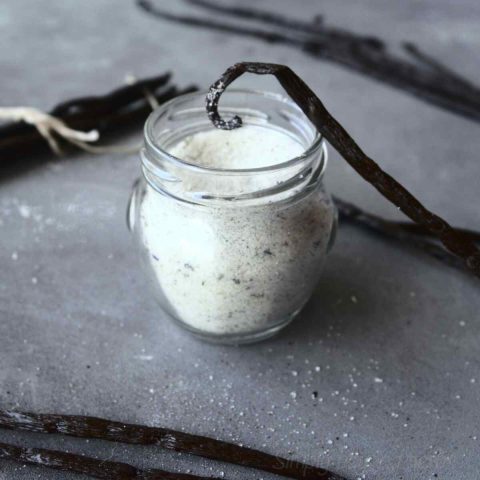
Credit: simplybeyondherbs.com
Role Of Emulsifiers In Skin Care
Emulsifiers play a vital role in skin care by helping to blend oil and water, two ingredients that normally don’t mix. This blending creates smooth and stable lotions, creams, and serums that feel pleasant on your skin. Without emulsifiers, you would notice separation in your products, making them difficult to apply and less effective.
How Emulsifiers Work
Emulsifiers have molecules with two different ends: one that loves water (hydrophilic) and one that loves oil (lipophilic). This unique structure allows them to surround tiny droplets of oil and water, holding them together in a uniform mixture. When you apply a product, emulsifiers ensure it spreads evenly without breaking apart.
Think about a homemade salad dressing you’ve shaken up. Without an emulsifier, the oil and vinegar separate quickly. Skin care emulsifiers do the same job but on a microscopic level, ensuring your cream stays consistent and effective.
Benefits Of Natural Emulsifiers
- Gentle on Sensitive Skin:Natural emulsifiers like lecithin or beeswax are less likely to irritate, making them ideal for sensitive or reactive skin types.
- Eco-Friendly:They break down more easily in the environment, reducing pollution compared to synthetic options.
- Enhanced Skin Nourishment:Many natural emulsifiers come with added skin benefits such as vitamins, antioxidants, or fatty acids that support skin health.
- Improved Product Texture:They create rich, creamy textures that feel luxurious without heavy residue.
If you’ve ever struggled with skin care products that feel greasy or cause breakouts, switching to formulas with natural emulsifiers might be the solution. Have you checked the ingredient list on your favorite lotion to see what kind of emulsifiers it contains?
Common Organic Emulsifiers
Common organic emulsifiers play a vital role in natural skincare products by blending oil and water to create smooth, stable creams and lotions. Choosing the right emulsifier affects not just texture but also how your skin feels and reacts. Understanding these natural options helps you pick products that truly suit your skin’s needs.
Lecithin From Soy And Sunflower
Lecithin is a natural emulsifier extracted from soybeans and sunflower seeds. It works wonderfully to soften and hydrate your skin while keeping oil and water mixed evenly. Many people find that products with lecithin feel lightweight yet nourishing, especially if you have dry or sensitive skin.
Have you noticed how some lotions absorb quickly without leaving a greasy residue? Lecithin often helps achieve that balance.
Beeswax And Its Properties
Beeswax is more than just a thickener—it creates a protective barrier that locks moisture in your skin. Its natural antibacterial properties also support healthy skin and reduce irritation. When you use skincare with beeswax, you’re adding a gentle, organic ingredient that helps maintain your skin’s natural moisture balance.
Think about how your skin feels after using a balm or salve made with beeswax—soft, smooth, and protected from dryness.
Cetearyl Alcohol Derived From Plants
Cetearyl alcohol is a plant-based fatty alcohol that acts as a stabilizer and thickener in creams. Unlike synthetic alcohols, it doesn’t dry out your skin. Instead, it improves the texture and spreadability of skincare products, making application easier and more pleasant.
Ever used a lotion that feels creamy but not heavy? Cetearyl alcohol often helps create that perfect consistency.
Glyceryl Stearate From Vegetable Oils
Glyceryl stearate comes from vegetable oils and helps bind water and oil in your skincare formulations. It’s known for its moisturizing effects and ability to leave skin feeling soft without clogging pores. Many natural moisturizers rely on glyceryl stearate to balance hydration and texture effectively.
Have you tried a moisturizer that feels both rich and light at the same time? Glyceryl stearate is likely part of the secret.
Plant-based Emulsifiers To Try
Plant-based emulsifiers create smooth, stable skin care products. They mix oil and water without harsh chemicals. These natural options suit sensitive skin and eco-friendly brands. Explore these popular plant-based emulsifiers for your formulations.
Acacia Gum For Gentle Formulations
Acacia gum, also called gum arabic, is mild and safe. It forms stable emulsions without irritation. This gum adds a light, smooth texture to creams and lotions. It works well in gentle facial and baby care products.
Xanthan Gum As A Stabilizer
Xanthan gum comes from fermented plant sugars. It thickens and stabilizes mixtures effectively. This gum prevents ingredients from separating over time. Use it to keep your skin care products consistent and smooth.
Guar Gum For Thickening
Guar gum is extracted from guar beans. It provides a rich, creamy texture by thickening formulas. It enhances spreadability and feel on the skin. Guar gum suits lotions, serums, and hair care products.
Sodium Stearoyl Lactylate From Coconut Oil
Sodium stearoyl lactylate is a natural emulsifier derived from coconut oil. It blends oils and water for stable textures. This ingredient improves skin feel and product absorption. It supports clean beauty products with plant-based origins.

Credit: aromantic.co.uk
Choosing The Right Emulsifier
Choosing the right natural emulsifier is key to making effective skin care products. Emulsifiers help blend oil and water components smoothly. The choice affects texture, stability, and skin feel. Several factors influence the best emulsifier for your needs. These include skin type, ingredient compatibility, and sustainability.
Skin Type Considerations
Different skin types need different emulsifiers. Dry skin benefits from rich, moisturizing emulsifiers. Oily skin requires lighter, non-greasy options. Sensitive skin needs gentle, hypoallergenic emulsifiers to avoid irritation. Choose emulsifiers that support skin’s natural barrier. This helps maintain hydration and comfort.
Compatibility With Other Ingredients
Emulsifiers must work well with all formula ingredients. Some emulsifiers mix better with natural oils and extracts. Others suit synthetic or water-based ingredients. Check emulsifier pH compatibility with other components. This prevents product separation or texture changes. Proper compatibility ensures product stability and performance.
Sustainability And Sourcing
Natural emulsifiers come from various plant-based sources. Choose sustainably harvested ingredients to reduce environmental impact. Look for certifications that guarantee ethical sourcing. Sustainable emulsifiers support eco-friendly skin care trends. This benefits your skin and the planet.
Diy Recipes With Natural Emulsifiers
Creating your own skin care products at home gives you full control over what touches your skin. Using natural emulsifiers in DIY recipes not only ensures gentle and safe formulations but also allows you to customize textures and benefits. Let’s dive into some straightforward recipes that you can try, each highlighting a different natural emulsifier.
Basic Lotion With Beeswax And Lecithin
This lotion combines beeswax and lecithin to create a smooth, moisturizing blend that locks in hydration without feeling greasy.
- Ingredients:1/4 cup beeswax, 1/2 cup almond oil, 1 teaspoon lecithin powder, 1/2 cup distilled water, 10 drops of your favorite essential oil.
- Gently melt beeswax and almond oil together over low heat.
- Remove from heat and stir in lecithin until fully dissolved.
- Slowly add distilled water while whisking vigorously to form a creamy lotion.
- Add essential oil and mix well. Transfer to a clean jar.
This lotion feels rich yet absorbs well, perfect for dry skin days. Have you noticed how natural beeswax creates a barrier without suffocating your skin?
Cream Using Cetearyl Alcohol
Cetearyl alcohol is a plant-derived fatty alcohol that thickens and stabilizes creams, giving a luxurious texture. It works well in recipes that require a bit more body.
- Ingredients:3% cetearyl alcohol, 10% shea butter, 15% jojoba oil, 70% distilled water, and a preservative like vitamin E oil.
- Heat shea butter, jojoba oil, and cetearyl alcohol together until fully melted.
- Warm the water separately to the same temperature.
- Slowly pour the water into the oil mixture while stirring continuously.
- Cool the cream while stirring until it thickens and is uniform.
This cream feels velvety and nourishes deeply. Would you believe that cetearyl alcohol can give you a spa-like cream texture without harsh chemicals?
Serum Incorporating Acacia Gum
Acacia gum acts as a natural emulsifier and stabilizer, perfect for lightweight serums that hydrate and soothe.
- Ingredients:2% acacia gum powder, 5% rosehip oil, 92% aloe vera gel, and a few drops of lavender essential oil.
- Slowly sprinkle acacia gum into aloe vera gel while stirring to avoid clumps.
- Once fully mixed and slightly thickened, add rosehip oil and essential oil.
- Whisk gently until the serum is smooth and uniform.
This serum absorbs quickly and leaves your skin feeling fresh. Have you tried using acacia gum before to create a serum that’s both natural and effective?
Tips For Formulating With Organic Emulsifiers
Formulating with organic emulsifiers requires a thoughtful approach to ensure your skincare products perform well and feel pleasant on the skin. These natural ingredients behave differently from synthetic options, so understanding how to balance and handle them can make a big difference. Let’s look at some practical tips that help you get the best results when using organic emulsifiers in your skincare formulations.
Balancing Oil And Water Phases
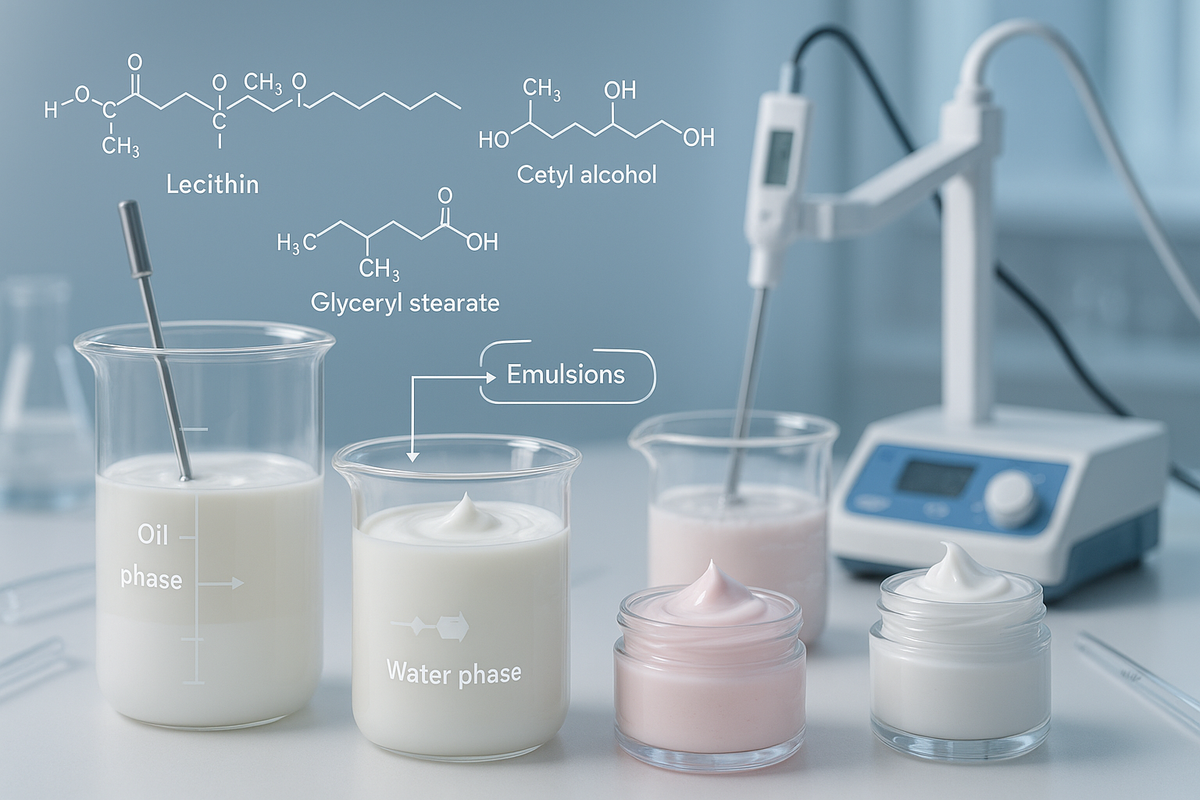
The key to a stable emulsion lies in the right ratio between oil and water phases. Organic emulsifiers often have specific preferences for these ratios, so experimenting with small batches helps you find the perfect balance.
Too much oil can cause separation, while too much water can make the texture runny. Try starting with a 70:30 water-to-oil ratio and adjust based on how your product feels and holds together.
Have you noticed how some natural creams feel heavier or lighter? That’s often because of how the oil and water phases are balanced.
Temperature Control During Mixing
Temperature plays a crucial role when working with organic emulsifiers. Many natural emulsifiers activate best between 65°C and 75°C (149°F to 167°F).
Heating both the oil and water phases separately to the right temperature before mixing helps the emulsifier work effectively. Be careful not to exceed the recommended temperature, or you might degrade delicate natural ingredients.
Have you ever tried mixing at room temperature and ended up with a lumpy cream? Heating properly can prevent that and give you a smooth, uniform texture.
Preservation And Shelf Life
Organic emulsifiers don’t have the same shelf life as synthetic ones, so preservation is vital. Natural ingredients can attract bacteria and mold if not preserved well.
Use natural preservatives like rosemary extract, vitamin E, or grapefruit seed extract to extend your product’s life safely. Always test your formulation over several weeks to check for changes in smell, texture, or color.
Ask yourself: How long do you want your skincare product to last? Planning preservation early saves you from surprises down the line.
Credit: kblcosmetics.com
Frequently Asked Questions
What Are Natural Emulsifiers In Skin Care?
Natural emulsifiers blend oil and water in skin products. They create smooth, stable creams without synthetic chemicals. Examples include beeswax, lecithin, and xanthan gum. These ingredients support gentle, eco-friendly formulations ideal for sensitive skin types.
Why Use Natural Emulsifiers Over Synthetic Ones?
Natural emulsifiers are safer and eco-friendly. They reduce irritation and allergic reactions. Synthetic emulsifiers may contain harsh chemicals. Natural options also nourish skin with added benefits like hydration and barrier support. Choosing natural helps maintain healthier skin and environment.
Which Natural Emulsifiers Suit Sensitive Skin?
Lecithin, beeswax, and cetearyl alcohol are gentle on sensitive skin. They stabilize products without causing irritation. These emulsifiers hydrate and soothe while blending ingredients effectively. Always patch test new products to ensure compatibility with your skin type.
How Do Natural Emulsifiers Improve Skin Care Products?
Natural emulsifiers enhance texture and absorption. They create consistent, creamy formulas that spread easily. This improves product feel and performance. Additionally, they support skin hydration and barrier protection, boosting overall skin health and comfort.
Conclusion
Natural emulsifiers help mix oil and water in skin care products. They keep your skin soft and hydrated without harsh chemicals. These ingredients come from plants and are gentle on all skin types. Using natural emulsifiers supports healthier skin and the environment.
Choose products with simple, natural ingredients for better skin care. Small changes can make a big difference in your routine. Try natural emulsifiers to enjoy smoother, balanced skin every day.