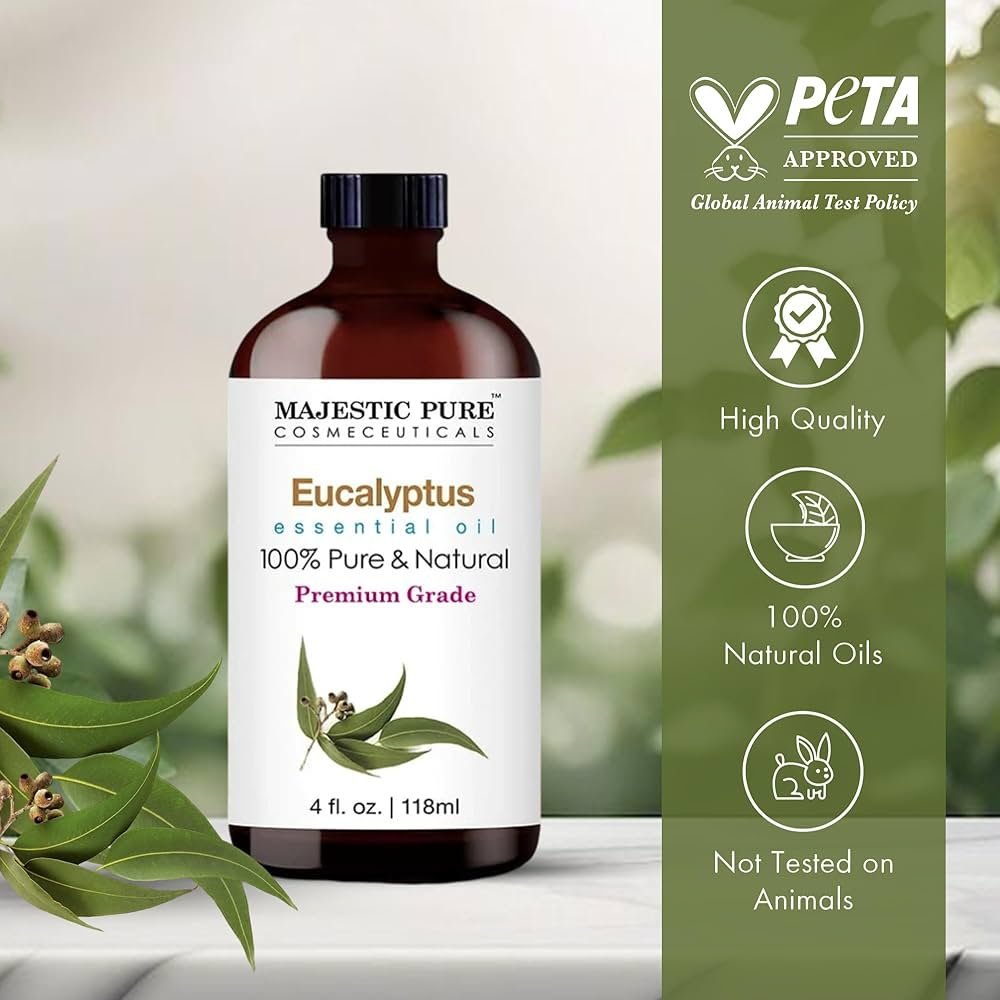
Imagine unlocking the secret to radiant, healthy skin using nature’s own remedies. If you’re tired of chemical-laden products and endless promises, it’s time to turn to the power of natural oils for your skincare routine.
These oils aren’t just a trend—they’re a time-tested solution that your skin will thank you for. You’re about to discover how oils like jojoba, argan, and rosehip can transform your skin, offering hydration, nourishment, and a youthful glow. Ready to unveil the natural beauty that lies within you?
Keep reading to find out which oils are best for your skin type and how to incorporate them into your daily regimen for maximum results.

Credit: www.amazon.ca
Benefits Of Natural Oils
Natural oils offer a range of benefits that can transform your skincare routine. They provide more than just hydration—they nourish, protect, and repair your skin. Understanding these benefits can help you choose the right oil to meet your skin’s unique needs.
Moisturizing Effects
Natural oils act as excellent moisturizers by sealing in hydration and preventing water loss. Unlike synthetic moisturizers, they often contain fatty acids that mimic your skin’s natural oils. Have you noticed how your skin feels smoother and softer after applying oils like jojoba or argan?
These oils penetrate deeply, making them ideal for dry or flaky skin. Using them regularly can improve your skin’s texture without clogging pores.
Antioxidant Properties
Many natural oils are rich in antioxidants such as vitamin E and polyphenols. These compounds fight free radicals, which cause premature aging and skin damage. Have you ever wondered why your skin looks fresher after using oils like rosehip or pomegranate seed oil?
Applying antioxidant-rich oils daily can protect your skin from environmental stressors like pollution and UV rays. This helps maintain a youthful and radiant complexion over time.
Anti-inflammatory Benefits
Natural oils often contain anti-inflammatory agents that soothe irritated skin. Oils like chamomile and calendula reduce redness and calm sensitive areas. If you struggle with redness or mild eczema, these oils might be a gentle alternative to harsh creams.
They can also help reduce swelling and discomfort after sun exposure or minor skin injuries. Isn’t it comforting to find something natural that eases your skin’s inflammation?
Healing And Repairing
Certain natural oils accelerate skin healing and tissue repair. For example, tea tree and lavender oils have antimicrobial properties that help prevent infections in minor cuts or blemishes. Have you tried using oils to speed up the recovery of your skin after a breakout?
These oils support the regeneration of damaged skin cells, promoting faster healing. Including them in your routine can reduce scarring and improve overall skin health.
Top Oils For Different Skin Types
Choosing the right natural oil for your skin type can make a huge difference in your skincare routine. Oils offer nourishment without harsh chemicals, but not every oil suits every skin type. Understanding which oils work best for your skin helps you avoid breakouts, dryness, or irritation.
Oils For Dry Skin
If your skin feels tight or flaky, you need oils that provide deep hydration and lock in moisture. Avocado oilis rich in fatty acids and vitamins that penetrate deeply to nourish dry skin. Sweet almond oilsoftens and smooths rough patches without feeling greasy.
Try adding a few drops of these oils to your moisturizer or use them alone at night. They create a barrier that keeps water in and dryness out.
Oils For Oily Skin
It might seem odd to apply oil if your skin is already oily, but certain oils help balance sebum production. Jojoba oilmimics your skin’s natural oils, tricking your skin into producing less oil overall. Grapeseed oilis lightweight and has astringent properties that tighten pores and reduce shine.
Using these oils can actually reduce the greasy feel and prevent clogged pores. Have you ever noticed how some oils leave your skin feeling clean rather than oily?
Oils For Sensitive Skin
When your skin reacts easily, choose oils with calming and anti-inflammatory effects. Chamomile oilsoothes redness and irritation, while rosehip oilpromotes healing and reduces sensitivity. Both are gentle and unlikely to cause breakouts.
Always patch test first, but these oils can provide relief without overwhelming delicate skin. What’s your experience with calming oils?
Oils For Combination Skin
Combination skin needs oils that hydrate dry areas without clogging oily zones. Argan oilbalances moisture and controls shine, making it a great all-rounder. Marula oilabsorbs quickly and nourishes without heaviness.
Applying these oils selectively can help you manage different zones effectively. Have you tried using different oils on different parts of your face?
How To Choose The Right Oil
Choosing the right natural oil for your skin can transform your skincare routine. But with so many options, how do you find the perfect match for your unique skin type? Understanding your skin’s needs and knowing what to look for in oils can save you from unwanted breakouts or dryness.
Assessing Your Skin Needs
Start by identifying your skin type: oily, dry, combination, sensitive, or normal. Each skin type benefits from different oils. For example, jojoba oil mimics your skin’s natural sebum, making it great for oily or combination skin.
If your skin feels tight or flaky, heavier oils like avocado or almond oil might work better. Sensitive skin often prefers gentle, calming oils such as chamomile or rosehip oil.
Ask yourself: What does my skin crave most—moisture, balance, or soothing? Your answer will guide you towards the right oil.
Considering Oil Comedogenic Ratings
Oils have comedogenic ratings that indicate their likelihood to clog pores. This rating ranges from 0 (won’t clog pores) to 5 (highly likely to clog pores). If you’re prone to acne, choose oils with a rating of 0 to 2.
| Oil | Comedogenic Rating | Best For |
|---|---|---|
| Argan Oil | 0 | Oily and acne-prone skin |
| Coconut Oil | 4 | Dry skin (avoid if acne-prone) |
| Grapeseed Oil | 1 | Combination skin |
Think about your past experiences with oils or moisturizers—have certain products caused breakouts? That insight can steer you away from higher comedogenic oils.
Patch Testing Tips
Even the best oil can cause irritation or allergies. Always patch test before applying oil to your face. Dab a small amount on your inner wrist or behind your ear and wait 24 hours.
If redness, itching, or swelling occurs, avoid that oil. Patch testing helps you avoid surprises and keeps your skin safe.
Have you ever skipped a patch test and regretted it? Taking this simple step can save your skin from unnecessary irritation.

Credit: www.amazon.ca
Application Techniques
Understanding how to apply natural oils effectively can transform your skincare routine. Application techniques matter because they influence how well your skin absorbs the oils and the benefits you receive. Let’s look at practical ways to use natural oils that suit different skin needs and preferences.
Cleansing With Oils
Cleansing with oils might sound counterintuitive if you have oily skin. Yet, oil cleansing can dissolve dirt, makeup, and excess sebum without stripping your skin’s natural barrier.
Start by warming a small amount of oil in your hands. Gently massage it onto dry skin for about a minute to break down impurities. Then, use a warm, damp cloth to wipe away the oil and grime, leaving your skin clean and hydrated.
Have you noticed your skin feeling tight or dry after cleansing? Switching to oil cleansing could provide that extra moisture your skin craves.
Oil As A Moisturizer
Applying oil as a moisturizer works best on damp skin. After cleansing, pat your face lightly with a towel but keep it slightly wet. This helps lock in hydration as the oil seals the moisture.
Use just a few drops and gently press the oil into your skin rather than rubbing. This method prevents irritation and ensures even coverage.
Think about your current moisturizer—could a natural oil provide the same or better hydration with fewer ingredients?
Mixing Oils With Other Products
Mixing oils with your existing skincare products can boost their effectiveness. You can add a drop or two of oil to your face cream or serum.
This blend can enhance absorption and add extra nutrients. Make sure to test the mixture on a small skin patch first to avoid any reactions.
Have you ever tried blending oils with your products? It’s an easy way to customize your routine without extra steps.
Using Oils For Massage
Facial or body massage with oils improves circulation and promotes relaxation. Choose oils with soothing scents like lavender or chamomile for an added calming effect.
Apply a generous amount and use slow, gentle strokes. Massaging for just five minutes can help your skin absorb the oils deeply and boost your mood.
Could a simple oil massage become your new self-care ritual to relieve stress and nourish your skin simultaneously?
Diy Natural Oil Blends
DIY natural oil blends offer a simple way to care for your skin using pure ingredients. These blends combine different oils to target specific skin needs. You can customize mixes for brightening, anti-aging, or acne control. Making your own blend saves money and avoids harsh chemicals. It’s easy and fun to create natural skincare tailored to you.
Brightening Mixes
Brightening oil blends help improve dull skin and add glow. Use oils rich in vitamins and antioxidants. Try mixing:
- Sweet almond oil – softens and nourishes
- Rosehip oil – boosts radiance and evens tone
- Lemon essential oil – lightens dark spots
Apply a few drops on clean skin daily. These oils brighten skin gently and naturally.
Anti-aging Blends
Anti-aging blends reduce fine lines and improve skin elasticity. Choose oils that hydrate deeply and protect skin. Good options include:
- Argan oil – rich in vitamin E and fatty acids
- Jojoba oil – mimics skin’s natural oils
- Frankincense essential oil – firms and tones skin
Massage the blend into face and neck at night. These oils support youthful, smooth skin.
Acne-fighting Combinations
Oils that fight acne reduce inflammation and kill bacteria. Pick oils known for their cleansing power. Try combining:
- Tea tree oil – natural antibacterial
- Neem oil – fights acne-causing germs
- Jojoba oil – balances skin oil production
Use sparingly on problem areas. These blends help clear skin without dryness.
Precautions And Allergies
Natural oils offer many benefits for skin care but require careful use. Some oils may cause allergies or skin irritation. Understanding precautions helps keep skin safe and healthy. Always test oils before full use to avoid reactions.
Identifying Allergic Reactions
Watch for signs after applying an oil. Common symptoms include:
- Redness or rash
- Itching or burning
- Swelling or hives
- Dry or flaky skin
Stop using the oil immediately if any symptoms appear. Perform a patch test on a small skin area before regular use. This prevents severe reactions.
Storage Tips
Keep natural oils away from heat and sunlight. Store them in dark, cool places to maintain quality. Use airtight containers to prevent contamination. Proper storage extends shelf life and preserves benefits.
Avoiding Overuse
Using too much oil can clog pores and irritate skin. Apply small amounts and observe how your skin reacts. Avoid mixing many oils at once. Gentle, moderate use keeps skin balanced and healthy.
Natural Oils Vs Synthetic Products
Choosing between natural oils and synthetic products for your skin can feel overwhelming. Both promise great results, but they work in different ways. Understanding their differences can help you make smarter choices for your skin’s health and your daily routine.
Effectiveness Comparison
Natural oils like jojoba, argan, and rosehip provide vitamins and antioxidants that nourish your skin deeply. They can improve hydration and soothe irritation without clogging pores. Synthetic products often contain targeted ingredients designed for quick results, such as hyaluronic acid or retinoids, but may lack the gentle nourishment of natural oils.
Have you noticed how some synthetic creams work fast but leave your skin feeling dry afterward? Natural oils tend to balance skin moisture better over time, though they may need more consistent use to show results. Consider what your skin truly needs: immediate effect or lasting care.
Safety And Side Effects
Natural oils usually come with fewer side effects if you choose pure, cold-pressed options. However, some people can still react to certain oils, especially if they have allergies or sensitive skin. Always patch test before using a new oil extensively.
Synthetic products may contain preservatives, fragrances, or chemicals that irritate sensitive skin or cause allergic reactions. Reading labels carefully can help you avoid harmful ingredients. Your skin deserves products that support its health without unexpected side effects.
Environmental Impact
Natural oils often come from renewable plant sources and can be biodegradable, making them a greener choice. However, the environmental cost depends on farming practices and packaging. Organic and sustainably sourced oils reduce harm to ecosystems.
Synthetic products rely heavily on petrochemicals and may involve complex manufacturing processes that increase pollution. Plastic packaging waste is another concern with many synthetic skincare items. How much does your skincare routine affect the planet? Small changes in product choice can make a big difference over time.

Credit: www.amazon.com
Frequently Asked Questions
What Are The Best Natural Oils For Skin Care?
The best natural oils for skin care include jojoba, argan, coconut, and rosehip oil. These oils hydrate, nourish, and protect skin without harmful chemicals.
How Do Natural Oils Benefit Your Skin?
Natural oils moisturize deeply, reduce inflammation, and improve skin elasticity. They also provide antioxidants that help prevent aging and skin damage.
Can Natural Oils Help With Acne-prone Skin?
Yes, oils like tea tree and jojoba help balance oil production. They reduce acne-causing bacteria and soothe inflammation without clogging pores.
How Should I Apply Natural Oils To My Skin?
Apply oils on clean, damp skin for better absorption. Use a few drops and gently massage in circular motions until fully absorbed.
Conclusion
Natural oils nourish and protect your skin gently. They suit many skin types and needs. Choose oils based on your skin’s condition and preferences. Regular use can improve softness and glow. Remember to test oils on a small skin area first.
Enjoy the simple, natural care these oils provide. Your skin will thank you for the gentle touch. Keep your routine easy and consistent. Natural oils bring balance and health to your skin. A small change can lead to better skin days.
