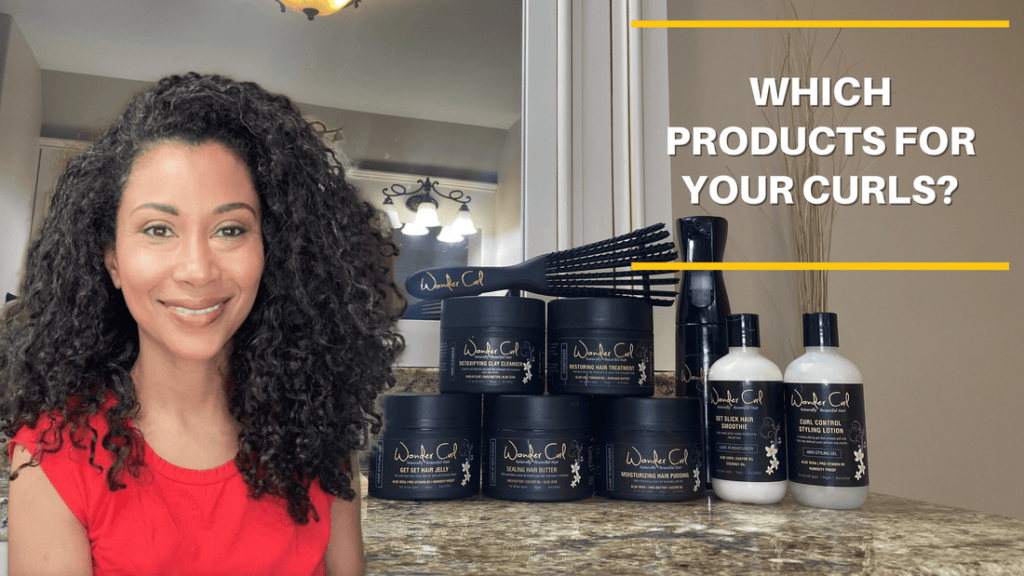
Imagine this: every time you step out, your hair turns heads. It shines with health, bounces with life, and reflects your unique style.
But achieving this level of hair perfection, especially with black hair, isn’t always easy. You might find yourself overwhelmed with endless products and advice. But what if you could discover the secrets to perfect black hair care treatments? You can achieve the vibrant, healthy hair you’ve always wanted without the guesswork.
In this blog post, we’ll reveal proven treatments that make your hair care routine effective and straightforward. Stick with us, and you’ll find the answers you’ve been looking for, tailored just for you. Get ready to transform your hair into your best accessory.
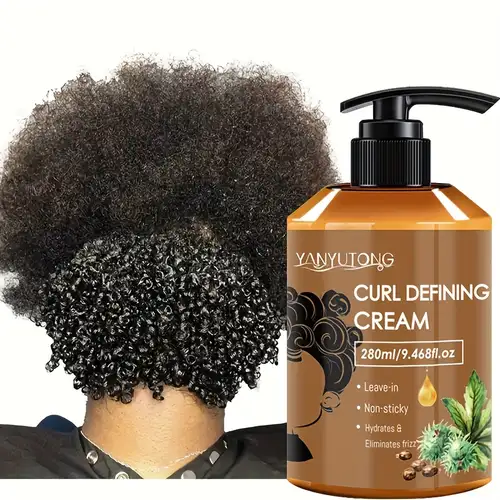
Credit: www.temu.com
Hair Types And Needs
Understanding your hair type is the first step in caring for Black hair. Each hair texture has unique needs that affect how you should treat it. Knowing these details helps in choosing the right products and treatments. Proper care enhances hair health and appearance.
Identifying Your Hair Texture
Black hair textures vary widely. They generally fall into four types:
- Type 3:Curly hair with defined curls that can range from loose to tight.
- Type 4:Coily or kinky hair, very tight curls or zigzag patterns.
Texture affects moisture retention, shrinkage, and styling options. Some hair strands feel soft and fine, while others are thick and coarse. Recognizing your hair’s curl pattern and porosity guides the best care routine.
Common Hair Issues In Black Hair
Black hair faces specific challenges due to its structure:
- Dryness:Natural oils struggle to travel down tight curls, causing dryness.
- Breakage:Fragile strands break easily without gentle handling.
- Shrinkage:Hair appears shorter than its actual length due to tight curls.
- Scalp Issues:Dry scalp and dandruff can occur from product buildup.
Addressing these issues requires moisture-rich products and protective styling. Gentle detangling and regular deep conditioning keep hair strong and healthy.
Cleansing Techniques
Cleansing is a vital part of black hair care. It removes dirt, oil, and product build-up. Proper cleansing protects natural oils and keeps hair healthy. Gentle techniques prevent dryness and breakage. Choosing the right products and caring for the scalp supports hair growth and shine.
Choosing The Right Shampoo
Select shampoos that hydrate and cleanse without stripping oils. Look for sulfate-free formulas to avoid dryness. Ingredients like aloe vera, shea butter, and coconut oil add moisture. Avoid shampoos with harsh chemicals or strong fragrances. Use shampoos designed for curly or textured hair types.
Co-washing Benefits
Co-washing means washing hair with conditioner instead of shampoo. It cleanses gently and adds moisture at the same time. Ideal for dry or brittle hair that needs extra care. Co-washing keeps curls soft and reduces frizz. Use a lightweight conditioner made for cleansing to avoid buildup.
Scalp Care Tips
Healthy scalp equals healthy hair. Massage the scalp to increase blood flow. Use oils like jojoba or tea tree for scalp nourishment. Keep the scalp clean but avoid over-washing. Watch for signs of dryness or irritation and treat early.
Moisturizing Methods
Keeping Black hair well-moisturized is key to maintaining its health and vibrancy. Moisturizing methods help prevent dryness, breakage, and promote softness. Let’s look at practical ways you can keep your hair hydrated consistently.
Best Conditioners For Hydration
Choosing the right conditioner can make a big difference in how your hair feels and looks. Look for conditioners with natural oils like shea butter, coconut oil, or jojoba oil. These ingredients lock in moisture without weighing your hair down.
Conditioners labeled as “hydrating” or “moisturizing” are often formulated specifically for dry or textured hair. You might want to try brands that focus on Black hair needs, such as SheaMoisture or Cantu. Have you noticed how some conditioners leave your hair feeling heavier instead of soft? That’s a sign to switch to lighter, water-based options.
Deep Conditioning Treatments
Deep conditioning goes beyond regular conditioning by penetrating the hair shaft for intense moisture. Try to do a deep conditioning treatment once a week or every two weeks, depending on your hair’s dryness level. You can use store-bought masks or make your own using ingredients like avocado, honey, and olive oil.
Applying heat during deep conditioning can enhance the moisture absorption. You could sit under a hooded dryer or wrap your hair in a warm towel. Does your hair feel brittle even after conditioning? Deep treatments might be what you need to restore elasticity and softness.
Daily Moisturizing Routines
Keeping your hair hydrated daily helps maintain moisture balance and prevents dryness buildup. Spritz your hair with a water-based moisturizer or a leave-in conditioner each morning. Seal in that moisture with a light oil or butter to keep your hair soft throughout the day.
Focus on moisturizing your ends as they tend to be the driest and most prone to breakage. Carry a small spray bottle with your favorite moisturizer for quick touch-ups. How often do you refresh your hair’s moisture during the day? Small, regular boosts can make a noticeable difference.
Styling Without Damage
Styling Black hair can be fun and creative without causing damage. Hair needs gentle care to stay healthy and strong. Choosing the right methods helps keep moisture locked in and prevents breakage. Protecting hair during styling reduces stress on strands and scalp. Smart choices lead to beautiful styles that last longer.
Protective Styles To Try
Protective styles shield hair from harsh elements and daily wear. They reduce the need for constant manipulation, which can cause breakage. Some popular protective styles include:
- Twists
- Braids
- Wigs
- Buns
- Updos
These styles keep ends tucked away and minimize friction. They also help retain moisture and encourage hair growth.
Heat Styling Precautions
Heat can damage hair by drying it out and causing split ends. Use heat tools on the lowest setting possible. Always apply a heat protectant spray or cream before styling. Limit heat styling to avoid weakening hair strands. Air drying is a safer option whenever possible.
Avoiding Common Styling Mistakes
Tight hairstyles can pull on the scalp and damage hair follicles. Avoid styles that cause tension or pain. Do not use harsh brushes or combs on wet hair. Detangle gently starting from the ends to the roots. Overuse of chemical treatments weakens hair and causes breakage. Give hair regular breaks between treatments for recovery.
Natural Oils And Treatments
Natural oils and treatments have been trusted for centuries in Black hair care. They nourish hair deeply, promoting health and shine. These oils penetrate the hair shaft, reducing breakage and dryness. Using natural ingredients helps maintain scalp balance and supports hair growth.
Many natural oils contain vitamins and fatty acids. These elements strengthen hair and improve its texture. Regular use of oils and treatments can restore moisture and protect hair from damage.
Benefits Of Coconut And Castor Oil
Coconut oil is rich in lauric acid, which helps hair retain moisture. It reduces protein loss and prevents split ends. Coconut oil also soothes the scalp and fights dandruff.
Castor oil contains ricinoleic acid that boosts circulation in the scalp. This promotes stronger hair roots and reduces hair fall. Castor oil is thick, sealing moisture inside the hair strands.
- Coconut oil softens and smooths hair.
- Castor oil encourages hair growth and thickness.
- Both oils protect hair from environmental damage.
Diy Hair Masks
Homemade hair masks with natural oils nourish hair deeply. They help repair damage and add shine. Mixing oils with ingredients like honey or avocado boosts benefits.
Try a simple mask with coconut oil and honey for hydration. Apply to damp hair and leave for 30 minutes. Rinse well and enjoy soft, manageable hair.
- Avocado and castor oil mask for dry, brittle hair.
- Olive oil and egg mask to strengthen strands.
- Shea butter and coconut oil mask for deep moisture.
Essential Oils For Growth
Essential oils stimulate hair follicles and improve scalp health. They offer natural scents and healing properties. Lavender oil calms the scalp and promotes hair growth.
Rosemary oil increases circulation and prevents hair thinning. Peppermint oil refreshes the scalp and encourages new hair growth.
- Mix a few drops of essential oil with a carrier oil.
- Massage gently into the scalp for better absorption.
- Use 2-3 times a week for best results.

Credit: www.youtube.com
Nutrition And Hair Health
Nutrition plays a crucial role in maintaining healthy black hair. What you eat directly affects the strength, shine, and growth rate of your hair. Paying attention to your diet can help you achieve vibrant, resilient hair from the inside out.
Foods That Promote Hair Growth
Certain foods contain vitamins and minerals that support hair health. Including these in your meals can make a noticeable difference.
- Sweet potatoes:Rich in beta-carotene, which the body converts to vitamin A, essential for scalp health.
- Spinach:Packed with iron and vitamin C, helping improve blood circulation to hair follicles.
- Eggs:A great source of protein and biotin, both vital for hair structure and growth.
- Salmon:Loaded with omega-3 fatty acids that nourish the scalp and prevent dryness.
Have you noticed how your hair reacts after eating certain foods? Tracking this can guide you to better choices.
Supplements To Consider
If your diet lacks some nutrients, supplements can fill the gaps. However, it’s important to choose them carefully.
- Biotin:Known to strengthen hair and reduce breakage.
- Vitamin D:Supports hair follicle cycling and may prevent thinning.
- Zinc:Helps repair damaged hair and keeps the oil glands around follicles working.
- Iron:Deficiency can cause hair loss, so supplementing can be crucial, especially for women.
Before adding supplements, consider getting a blood test to identify what your body actually needs. This step avoids unnecessary intake and maximizes benefits.
Hydration And Its Role
Water is often overlooked in hair care, but it’s essential for keeping your hair hydrated from within. Dehydrated hair becomes brittle and prone to breakage.
Drinking enough water helps maintain the moisture balance in your scalp and hair strands. Aim for at least eight glasses a day, adjusting based on your activity level and environment.
Have you tried monitoring your water intake alongside your hair care routine? You might find it’s the missing piece in your hair health puzzle.
Managing Hair Breakage
Managing hair breakage is essential for maintaining healthy black hair. Breakage can make hair look thin and lifeless. Understanding the causes helps to protect your strands and keep them strong. Proper care can reduce damage and promote growth.
Causes Of Breakage
- Excessive heat from styling tools weakens hair strands.
- Frequent chemical treatments cause dryness and damage.
- Rough handling during combing or brushing breaks hair.
- Lack of moisture makes hair brittle and prone to snapping.
- Environmental factors like sun and wind dry out hair.
Preventive Measures
- Use gentle shampoos and conditioners to retain moisture.
- Limit heat styling and always use heat protectants.
- Detangle hair carefully with wide-tooth combs.
- Wear protective styles to reduce manipulation.
- Deep condition regularly to restore hydration.
Repairing Damaged Hair
Start with trimming split ends to stop further breakage. Use protein treatments to strengthen weak strands. Apply natural oils like coconut or castor oil for extra nourishment. Avoid tight hairstyles that pull on the hair. Be patient; repair takes time and consistent care.

Credit: www.blackafrican.co.za
Seasonal Hair Care Tips
Seasonal changes affect black hair differently throughout the year. Hair needs specific care to stay healthy and strong. Adjusting your hair care routine with the seasons helps prevent dryness, breakage, and damage. Simple changes in products and habits make a big difference.
Adjusting Routine For Weather Changes
Cold, dry air strips moisture from hair. Hot, humid weather causes frizz and sweat buildup. Change your shampoo and conditioner based on the season. Use heavier creams in winter and lighter leave-in conditioners in summer. Avoid washing hair too often during cold months. This protects natural oils and keeps hair hydrated.
Protecting Hair In Winter
Winter air can cause hair to become brittle and dry. Cover hair with scarves or hats made from soft fabrics. Use deep conditioning treatments weekly to restore moisture. Avoid heat styling tools that dry hair more. Seal in moisture with natural oils like coconut or castor oil. Drink plenty of water to keep hair hydrated from inside.
Summer Hair Care Essentials
Summer sun and humidity can damage black hair. Use UV protectant sprays to shield hair from sun rays. Rinse hair after swimming to remove chlorine or salt. Apply lightweight oils to prevent dryness without weighing hair down. Keep hair braided or in protective styles to reduce tangling. Drink water often to maintain hair health during hot days.
Frequently Asked Questions
What Are The Best Treatments For Black Hair Care?
The best treatments include deep conditioning, moisturizing oils, and protein treatments. These nourish and strengthen black hair, preventing breakage and dryness. Regular scalp massages improve circulation and promote healthy growth. Using sulfate-free shampoos preserves natural oils and maintains moisture balance.
How Often Should I Deep Condition Black Hair?
Deep condition black hair at least once a week. This helps restore moisture and repair damage. Consistent deep conditioning improves hair softness, elasticity, and manageability. Adjust frequency based on hair dryness and styling habits for optimal results.
Can Natural Oils Improve Black Hair Health?
Yes, natural oils like coconut, castor, and jojoba oil boost black hair health. They seal moisture, reduce breakage, and add shine. Oils also protect hair from environmental damage and dryness. Regular application strengthens hair and promotes healthy growth.
Is Protein Treatment Necessary For Black Hair?
Protein treatments are essential for black hair to maintain strength. They rebuild damaged hair cuticles and prevent breakage. Use protein treatments monthly or as needed based on hair condition. Balance protein with moisture treatments for best results.
Conclusion
Black hair care needs gentle and consistent attention. Use natural oils and deep conditioners often. Protect hair from harsh weather and heat tools. Regular trims help prevent split ends and breakage. Healthy hair grows with patience and care. Simple steps bring strong, shiny, and soft hair.
Treat your hair kindly every day. Enjoy the beauty of well-cared black hair.
