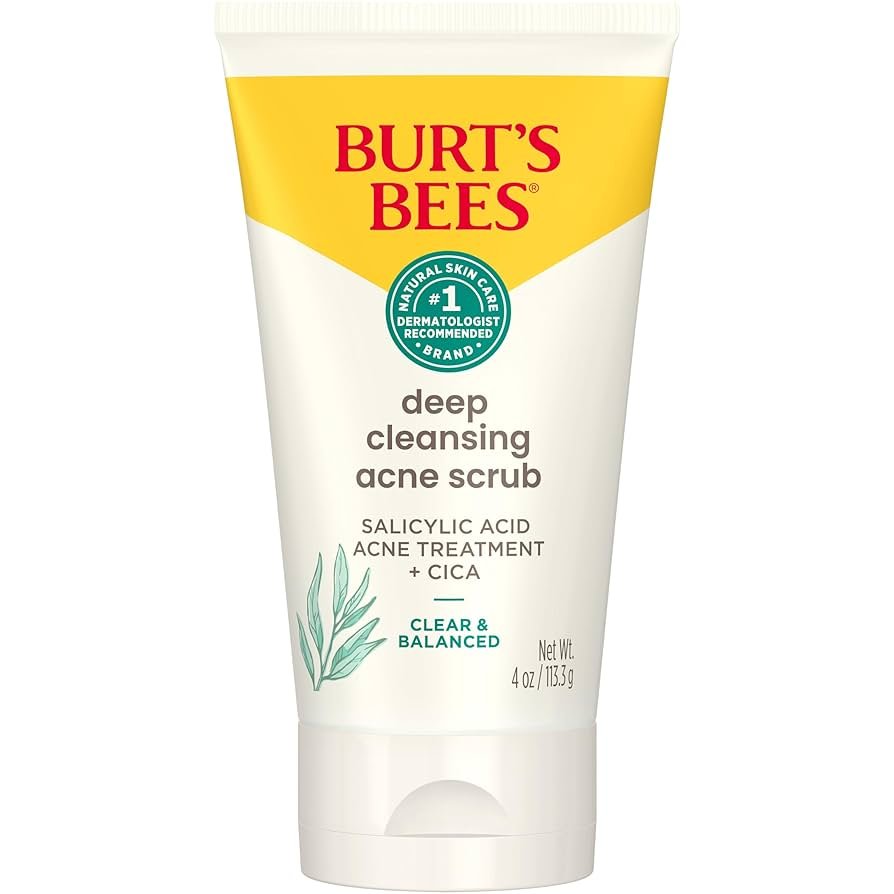
Are you tired of battling relentless acne with products that promise the world but deliver little? You’re not alone.
Many people are turning to natural skin care solutions, and for good reason. Imagine waking up to clearer, healthier skin without the harsh chemicals and unwanted side effects. By choosing acne natural skin care, you can nourish your skin with gentle, effective ingredients straight from nature.
Curious about what these natural remedies are and how they can transform your skin? Keep reading to discover the secrets to achieving a radiant complexion the natural way. Your skin will thank you.

Credit: osmiaskincare.com
Causes Of Acne
Understanding what causes acne is key to managing it naturally. Acne doesn’t appear randomly; it’s often triggered by a mix of factors that affect your skin’s balance. Knowing these causes helps you make smarter choices about your skincare and lifestyle.
Hormonal Changes
Hormones play a huge role in acne development. When your hormone levels fluctuate, like during puberty, menstruation, or pregnancy, your skin produces more oil. This excess oil can clog pores and lead to breakouts.
Think about times when your skin suddenly worsened—was it linked to your period or stress? Recognizing these patterns helps you take timely action.
Diet And Lifestyle
What you eat can influence your skin’s health more than you might expect. High sugar foods and dairy often increase inflammation and oil production, triggering acne.
Try keeping a food diary to spot connections between your diet and skin flare-ups. Simple changes, like drinking more water or eating fresh vegetables, often lead to noticeable improvements.
Environmental Factors
Pollution, humidity, and even the products you use on your skin can cause acne. Dirt and toxins clog pores, while heavy or greasy cosmetics can worsen the condition.
Ask yourself if your skin reacts after spending time outdoors or using a new product. Switching to gentle, natural skincare options might reduce breakouts.
Stress And Acne
Stress triggers your body to release hormones that increase oil production. This can quickly turn minor skin issues into painful acne.
Have you noticed your skin breaking out during busy or tough times? Managing stress through relaxation techniques or regular exercise can calm your skin as well as your mind.

Credit: www.amazon.com
Benefits Of Natural Skin Care
Natural skin care offers real benefits, especially if you’re struggling with acne. It helps your skin heal gently without causing more irritation. You’ll notice improvements not just in how your skin looks but also in how it feels and reacts over time.
Avoiding Harsh Chemicals
Many acne products contain strong chemicals that can dry out or irritate your skin. Natural skin care avoids these harsh ingredients, reducing redness and discomfort. Have you ever used a product that made your skin sting? Natural options are less likely to cause that reaction.
Nutrient-rich Ingredients
Natural products are packed with vitamins and antioxidants that nourish your skin deeply. Ingredients like aloe vera, tea tree oil, and green tea extract provide calming and healing effects. You’re not just treating acne; you’re helping your skin become healthier from the inside out.
Sustainable Practices
Choosing natural skin care also supports eco-friendly habits. These products often use biodegradable packaging and avoid harmful chemicals that pollute water and soil. How does knowing your skincare helps the planet make you feel about your routine?
Natural Ingredients That Fight Acne
Natural ingredients can be powerful allies in your fight against acne. These substances work gently with your skin, reducing inflammation and killing bacteria without harsh chemicals. Using natural remedies might be the missing piece if you’ve struggled with irritation or dryness from conventional products.
Tea Tree Oil
Tea tree oil is famous for its antibacterial and anti-inflammatory properties. Applying it can reduce the redness and swelling caused by acne. You can dilute a few drops in a carrier oil like jojoba and dab it on spots for a targeted effect.
Have you noticed how some products with tea tree oil calm your skin quickly? That’s because it fights the bacteria that cause breakouts while soothing irritated skin.
Aloe Vera
Aloe vera gel is soothing and hydrating, making it ideal for acne-prone skin that feels sensitive. It helps heal blemishes faster by reducing inflammation and redness. Try applying pure aloe vera gel directly from the leaf to calm flare-ups.
Many find that aloe vera helps their skin recover without clogging pores. Could this gentle plant be the hydration your skin needs after cleansing?
Honey
Honey, especially raw or manuka honey, has natural antibacterial properties. It also acts as a gentle exfoliant and moisturizer, which helps keep your skin clear and balanced. Apply a thin layer as a mask and leave it on for 10-15 minutes to see the glow.
Have you ever wondered why honey has been used for healing wounds for centuries? Its ability to fight infection makes it a smart choice for acne care too.
Green Tea Extract
Green tea extract is packed with antioxidants that protect your skin and reduce inflammation. It can decrease oil production, which is a common cause of acne. You can use skincare products containing green tea or apply cooled green tea bags directly on your face.
Do you think your skincare routine could benefit from a natural antioxidant boost? Green tea might be the calming agent your skin craves.
Daily Skin Care Routine
Building a daily skin care routine that focuses on natural ingredients can make a big difference in managing acne. Consistency is key, but so is using the right products that soothe your skin without causing irritation. Let’s look at how gentle cleansing, moisturizing naturally, and sun protection work together to keep your skin calm and clear every day.
Gentle Cleansing
Washing your face twice a day with a gentle cleanser helps remove dirt and excess oil without stripping your skin’s natural moisture. Look for cleansers with ingredients like aloe vera or chamomile, which calm inflammation and reduce redness.
Avoid harsh scrubs or soaps with strong fragrances—they can worsen acne and dry out your skin. Have you noticed your skin feeling tight or irritated after cleansing? That’s a sign you might need a gentler formula.
Moisturizing Naturally
Many people with acne skip moisturizer, fearing it will clog pores. However, your skin needs hydration to heal and stay balanced.
Choose lightweight, non-comedogenic moisturizers made with natural oils like jojoba or rosehip. These help soothe your skin and support its natural barrier without causing breakouts.
Applying moisturizer right after cleansing locks in moisture and keeps your skin soft throughout the day. What natural ingredients have you tried that make your skin feel nourished?
Sun Protection
Protecting your skin from the sun prevents acne scars from darkening and reduces inflammation. Natural mineral sunscreens with zinc oxide or titanium dioxide offer broad-spectrum protection without irritating sensitive skin.
Apply sunscreen every morning, even on cloudy days, to shield your skin from UV damage. If you’ve struggled with sunscreens that feel heavy or greasy, mineral options might be a better fit for your acne-prone skin.
Home Remedies For Acne
Dealing with acne at home can feel empowering and effective if you know the right remedies. Natural treatments often soothe your skin gently without harsh chemicals. Have you ever tried simple ingredients from your kitchen to calm breakouts? Let’s look at some easy ways you can treat acne using natural methods that fit your daily routine.
Diy Face Masks
Making your own face masks lets you control exactly what touches your skin. Ingredients like honey, yogurt, and turmeric have antibacterial and anti-inflammatory properties. Mixing these into a smooth paste and applying it for 10-15 minutes can reduce redness and clear up blemishes.
Try this simple mask:
- 1 tablespoon honey
- 1 tablespoon plain yogurt
- 1 teaspoon turmeric powder
Apply gently and rinse with warm water. You might notice your skin feels calmer and looks brighter afterward. Have you noticed how a quick mask can be a refreshing break in your routine?
Herbal Steam Treatments
Steaming your face helps open pores and loosens dirt and oil trapped inside. Adding herbs like chamomile, rosemary, or green tea to your steaming water can enhance the benefits with their natural antioxidants. This simple step can improve your skin’s clarity and texture over time.
To try it yourself, boil water and pour it into a bowl. Add a handful of dried herbs, then lean over the bowl with a towel covering your head to trap the steam. Stay like this for 5-10 minutes, but be careful not to get too close to avoid burns.
Spot Treatments
When a pimple appears, acting quickly can reduce its size and redness. Natural spot treatments like tea tree oil or aloe vera gel offer antiseptic and soothing effects. Apply them directly to the blemish with a cotton swab, and avoid touching the area with your fingers to prevent spreading bacteria.
Tea tree oil can feel strong, so dilute it with a carrier oil like jojoba before use. Aloe vera, on the other hand, is gentle and hydrating, making it a great choice if your skin feels irritated. What’s your go-to quick fix when a breakout surprises you?
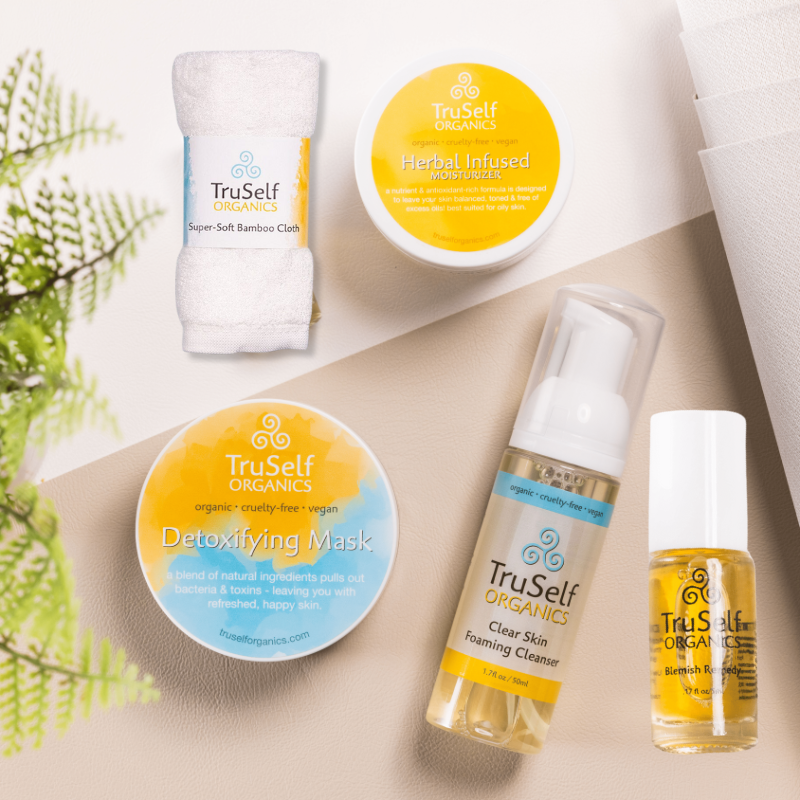
Credit: www.truselforganics.com
Lifestyle Tips For Healthy Skin
Taking care of your skin goes beyond just the products you apply. Your daily habits play a huge role in how your skin looks and feels. Adjusting your lifestyle can often lead to clearer, healthier skin without harsh treatments or chemicals.
Balanced Diet
Your skin reflects what you eat. Foods rich in antioxidants, like berries and leafy greens, help fight inflammation and reduce acne. On the other hand, too much sugar or greasy foods can trigger breakouts.
Think about adding these to your meals:
- Fresh fruits and vegetables
- Whole grains
- Lean proteins like fish and chicken
- Healthy fats from nuts and olive oil
Have you noticed how your skin reacts after certain meals? Paying attention to this can guide your food choices.
Hydration
Drinking enough water is simple but often overlooked. Water flushes out toxins and keeps your skin moist and glowing. Aim for at least 8 glasses a day, but adjust based on your activity level and climate.
If plain water feels boring, try herbal teas or water infused with cucumber and mint. These add flavor without extra sugar or calories.
Regular Exercise
Exercise increases blood flow, which helps nourish skin cells and keep them vital. Sweating also opens up your pores, helping to clear out dirt and oils.
You don’t need intense workouts; even a daily walk or yoga session can make a difference. What type of activity leaves you feeling refreshed and energized?
Quality Sleep
Sleep is when your skin repairs itself. Without enough rest, your skin looks tired and dull, and acne can worsen. Try to get 7 to 9 hours of quality sleep each night.
Creating a relaxing bedtime routine, like dimming lights and avoiding screens, can help you fall asleep faster. Have you noticed how your skin changes after a good night’s sleep?
When To See A Dermatologist
Natural skin care can help manage mild acne effectively. Still, some skin problems need expert advice. Knowing when to see a dermatologist protects your skin and health. Early care avoids scars and deep damage. Watch for signs that your acne is beyond home care. Professional treatment might be necessary to clear stubborn skin issues.
Severe Acne Symptoms
- Large, painful cysts or nodules under the skin
- Redness and swelling around acne spots
- Acne covering a large area of the face or body
- Acne causing intense pain or discomfort
- Rapidly worsening acne despite treatment
Severe acne can leave scars and affect confidence. A dermatologist can offer stronger treatments. Early intervention prevents long-term skin damage.
Persistent Skin Issues
- Acne that lasts more than several months
- Breakouts that return after trying natural remedies
- Skin irritation or reactions from current products
- Dark spots or marks left after acne heals
- Acne that affects emotional well-being
Persistent acne needs tailored care. Experts find causes beyond surface symptoms. They guide you to the best treatment plan. Don’t wait; seek help to improve skin health.
Frequently Asked Questions
What Are The Best Natural Ingredients For Acne-prone Skin?
Tea tree oil, aloe vera, honey, and green tea are effective natural ingredients. They reduce inflammation and kill bacteria without harsh chemicals.
How Can Natural Skincare Prevent Acne Breakouts?
Natural skincare products balance oil production and soothe irritated skin. They avoid synthetic irritants that often worsen acne conditions.
Is Diy Natural Skincare Safe For Acne Treatment?
Yes, DIY natural skincare can be safe if you use gentle, non-comedogenic ingredients. Always patch test before full application.
How Long Does Natural Acne Treatment Take To Show Results?
Natural acne treatments usually take 4 to 6 weeks to show noticeable improvements. Consistency and patience are key for success.
Conclusion
Natural skin care helps reduce acne gently and safely. Choosing simple, natural ingredients supports healthy skin. Consistency is key for clear and smooth skin. Avoid harsh chemicals that can worsen acne problems. Drink water and eat balanced meals to aid skin health.
Patience matters because natural care takes time to work. Try natural methods and watch your skin improve day by day. Your skin deserves care that is kind and natural.
