Struggling with thin hair can feel like a constant battle. You look in the mirror and wish for more volume, more bounce, and more confidence.
You’re not alone. Many people face the same challenge, and the good news is that there are effective solutions. Imagine waking up each day with hair that feels full and looks fabulous, without spending hours trying to style it. Intrigued?
This guide is crafted just for you. Discover simple hair care tips and tricks that can transform your thin hair into a head-turning masterpiece. Keep reading to unlock the secrets to healthier, more voluminous hair that you’ll love flaunting every day.
Causes Of Thin Hair
Understanding why your hair feels thinner than it used to can help you take better care of it. Thin hair often results from several factors working together. Knowing these causes gives you the power to make smarter choices for your hair’s health and appearance.
Genetics And Aging
Your genes play a big role in how thick your hair is. If close family members have thin hair or bald spots, you might notice the same patterns. Aging also naturally slows down hair growth and can shrink hair follicles, making strands finer and less dense.
Have you ever wondered why your hair changes texture as you get older? It’s not just in your head—this is a real biological process. Accepting this can help you focus on what you can control, like your hair care routine.
Diet And Nutrition
Your hair needs nutrients to grow strong and full. A lack of protein, iron, or vitamins like B12 and D can make hair weak and thin. Sometimes, simple changes in your diet can boost your hair’s health dramatically.
Think about your last meal—was it balanced? Eating enough leafy greens, nuts, and lean meats supports hair growth. If you skip meals or rely heavily on processed foods, your hair might suffer without you realizing it.
Hair Care Practices
How you treat your hair daily can cause thinning over time. Frequent heat styling, harsh chemical treatments, and tight hairstyles pull on hair and damage follicles. Even aggressive brushing can contribute to breakage and thinning.
Do you use heat protectant sprays or gentle shampoos? These small habits can prevent damage and keep your hair looking fuller. Sometimes, cutting back on certain styling routines makes a noticeable difference.
Environmental Factors
Pollution, sun exposure, and harsh weather can weaken hair strands. Dirt and toxins settle on your scalp, clogging follicles and slowing growth. UV rays break down hair proteins, making strands brittle and thin.
Living in a city with heavy pollution? You might need to wash your hair more often or use protective products. Even simple steps like wearing a hat can shield your hair from environmental damage.
Credit: www.walmart.ca
Choosing The Right Shampoo
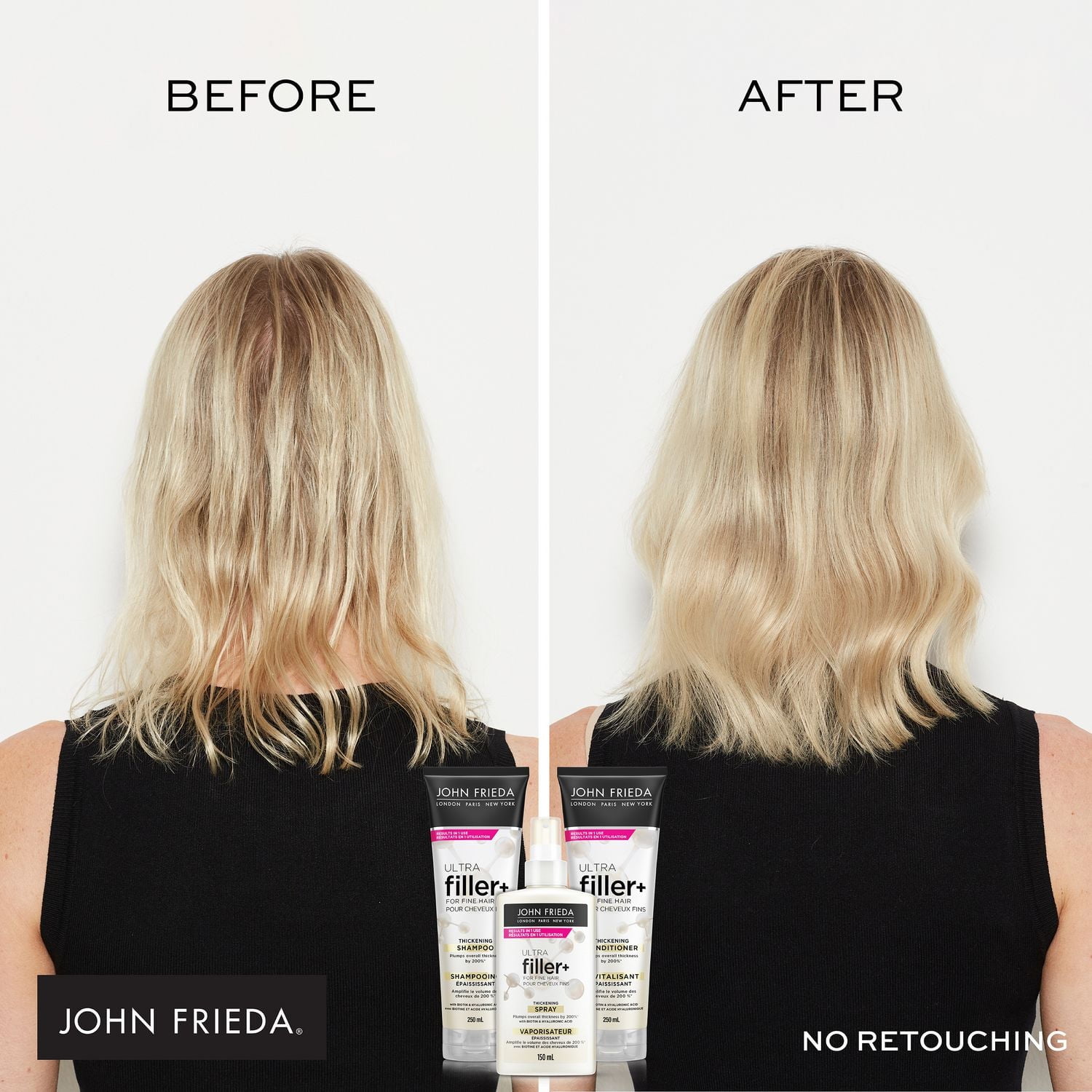
Choosing the right shampoo is crucial for thin hair. The shampoo you pick can either add volume and strength or weigh your strands down. It’s important to know what ingredients help and which ones harm your delicate hair.
Volumizing Shampoos
Volumizing shampoos are designed to lift your hair and create the illusion of fullness. They often contain lightweight formulas that don’t leave residue behind. Look for shampoos with ingredients like biotin, proteins, or panthenol, as they can strengthen hair while adding body.
I once switched to a volumizing shampoo and noticed my hair felt thicker after just a few washes. It gave me more confidence without making my scalp oily or my hair sticky. Could your shampoo be the reason your hair looks flat?
Sulfate-free Options
Sulfates strip natural oils, which can leave thin hair dry and brittle. Choosing a sulfate-free shampoo helps maintain your scalp’s natural moisture and prevents breakage. These shampoos are gentler and better suited for sensitive scalps.
If your scalp feels irritated or your hair breaks easily, a sulfate-free shampoo might solve the problem. Many brands now offer effective sulfate-free options that still cleanse well without harsh chemicals. Have you checked your shampoo label for sulfates lately?
Ingredients To Avoid
Some ingredients can harm thin hair by causing buildup or dryness. Avoid heavy silicones, parabens, and alcohols that can weigh hair down or damage its texture. These substances may make your hair look limp and lifeless over time.
- Heavy Silicones:Create buildup that blocks moisture.
- Parabens:Linked to scalp irritation.
- Alcohols (like isopropyl alcohol):Dry out strands.
Checking your shampoo’s ingredient list can save your hair from damage. Have you ever noticed your hair feeling greasy or dry after washing? The culprit might be hidden in your shampoo.
Conditioning Tips
Conditioning is a crucial step for thin hair, but it requires a careful approach. The right conditioner can add moisture and shine without weighing hair down. Understanding how to choose and apply conditioner can make a big difference in maintaining volume and health.
Lightweight Conditioners
Heavy conditioners can leave thin hair looking flat and greasy. Look for products labeled as lightweight, volumizing, or specifically designed for fine hair. Ingredients like aloe vera, glycerin, and panthenol provide hydration without adding weight.
I once switched to a lightweight conditioner and noticed my hair felt bouncier and more alive after just a week. Have you checked the labels on your conditioner to see if it’s suitable for your hair type?
Applying Conditioner Correctly
Applying conditioner only to the ends prevents your roots from becoming oily. Use a small amount and distribute it evenly through the mid-lengths and ends. Let it sit for a few minutes to allow absorption without overloading your strands.
Try using your fingers or a wide-tooth comb to spread the conditioner gently. This helps avoid breakage and ensures every strand gets the right amount of moisture.
Avoiding Overconditioning
Too much conditioner can weigh thin hair down and make it look limp. If your hair feels sticky or heavy after washing, you might be overconditioning. Pay attention to how often you use conditioner and adjust based on your hair’s response.
Have you ever felt your hair lose its volume right after conditioning? Cutting back or switching to a lighter formula could help restore that natural lift.

Credit: www.afamconcept.com
Styling Techniques For Volume
Adding volume to thin hair can feel like a challenge, but the right styling techniques can make a big difference. Simple changes in how you dry, curl, or tease your hair can lift your look and give your strands more body. Let’s dive into some practical ways to boost volume without weighing your hair down.
Blow-drying Tips
Start by flipping your head upside down while blow-drying. This encourages your roots to lift away from the scalp, creating natural volume. Use a round brush to lift sections of hair at the roots as you dry, focusing on the crown area for extra height.
Don’t forget to use a heat protectant spray before drying to keep your hair healthy. Avoid over-drying, which can make hair brittle and flat. Instead, aim for a smooth finish with a cool blast at the end to set the style.
Using Rollers And Curlers
Rollers are a great way to add volume that lasts. Choose lightweight foam rollers and set them on slightly damp hair. Leave them in for 20-30 minutes or until your hair is dry for a natural bounce.
If you prefer curling irons, opt for larger barrels to create loose waves instead of tight curls. Wrap hair around the barrel without pulling too tightly to keep volume from collapsing. After curling, gently tousle your hair with your fingers to keep the look soft and full.
Backcombing And Teasing
Backcombing lifts roots and adds instant volume, but it needs to be done carefully. Use a fine-tooth comb and work in small sections, starting near the scalp and gently pushing hair down towards the roots.
Be gentle to avoid damaging your strands. After teasing, smooth the top layer without flattening the volume underneath. Have you ever noticed how a little teasing can transform a flat ponytail into a fuller style? It’s a simple trick that makes a big impact.
Volumizing Products To Try
Volumizing products are essential for thin hair to look fuller and thicker. They add body and lift without weighing hair down. Using the right products creates the illusion of volume and boosts confidence. Here are some popular options to consider.
Mousses And Foams
Mousses and foams are lightweight and easy to apply. They coat each strand and add thickness from root to tip. These products help hair stay lifted and bouncy throughout the day. Use a small amount on damp hair before blow-drying for best results.
Root Lifting Sprays
Root lifting sprays target the hair at the scalp. They create instant lift and prevent flat roots. Spray directly onto the roots and lift hair with fingers or a comb. These sprays add volume without sticky or stiff residue.
Texturizing Powders
Texturizing powders add grip and texture to fine hair. They absorb oil and create a matte finish. Sprinkle a small amount at the roots and tousle hair for instant volume. Perfect for refreshing hair between washes and adding thickness.
Haircuts That Add Volume
Choosing the right haircut can dramatically change how your thin hair looks and feels. Haircuts that add volume do more than just style your hair—they give it life and movement. Understanding which cuts work best can help you avoid flat, lifeless styles and instead boost your confidence every time you look in the mirror.
Layered Cuts
Layers create the illusion of fullness by removing weight and allowing hair to move freely. They prevent your hair from lying flat against your scalp, which is a common issue with thin hair. Think about getting subtle, feathered layers that start around your chin to lift strands and add natural bounce.
Have you noticed how your hair feels heavier or flat after a long day? Layers can keep volume consistent from morning to night. Just make sure your stylist avoids overly choppy layers, which can make thin hair look even thinner.
Bob And Pixie Styles
Short haircuts like bobs and pixies are fantastic for thin hair because they reduce weight and create a fuller appearance. A blunt bob, for example, gives the edge of your hair a thicker look. Pixie cuts expose your neck and ears, drawing attention away from thin strands.
Trying a bob or pixie might seem bold, but many people find these cuts easier to style with volume. Have you ever considered how less hair can actually mean more body? These cuts prove it by focusing on shape rather than length.
Avoiding Heavy Ends
Thick, heavy ends pull hair down, making thin hair look even more flat. Keeping the ends light and trimmed regularly helps maintain an airy, voluminous look. Ask your stylist for a soft finish rather than blunt, heavy ends.
Think about how weighted hair feels against your scalp—it’s like pressing down on your volume. Lightening the ends can prevent this and keep your hair looking lively throughout the day. Are you ready to let go of those heavy ends that weigh you down?
Diet And Supplements For Hair Health
Taking care of thin hair goes beyond just the right shampoo or styling routine. What you eat and the supplements you take have a direct impact on how your hair grows and stays healthy. Nourishing your body with the right nutrients can strengthen fragile strands and even encourage fuller growth.
Vitamins For Hair Growth
Vitamins play a crucial role in hair health. Vitamin D helps create new hair follicles, while Vitamin E improves blood circulation to the scalp, promoting stronger roots. Biotin, often called Vitamin B7, supports keratin production, which is essential for hair strength and thickness.
Have you checked if your diet is giving you enough of these vitamins? Sometimes, a simple supplement can make a noticeable difference in hair texture and growth speed.
Protein-rich Foods
Your hair is mostly made of a protein called keratin. Eating enough protein gives your hair the building blocks it needs to grow thick and strong. Foods like eggs, chicken, fish, and legumes are excellent choices to add to your meals.
Think about your last few meals—did they include enough protein? Adjusting your diet to include these can prevent hair from becoming brittle and falling out.
Hydration And Hair Health
Water keeps your hair hydrated from the inside out. Dehydrated hair looks dull and breaks easily. Drinking enough water daily helps maintain your scalp’s natural moisture balance and supports healthy hair growth.
How much water did you drink today? Sometimes, simply drinking more water can improve your hair’s shine and resilience more than expensive products can.
Credit: www.sephora.com
Lifestyle Changes To Support Hair Volume
Supporting your hair volume isn’t just about the products you apply; your daily habits play a huge role. Small lifestyle adjustments can boost your hair’s health from the inside out. These changes nurture your scalp and strands, helping thin hair look fuller and stronger.
Reducing Stress
Stress can cause your hair to thin faster by disrupting your natural growth cycle. Have you noticed more hair fall during busy or anxious times? Managing stress through simple activities like walking, breathing exercises, or hobbies can protect your hair’s strength.
Try setting aside just 10 minutes a day to relax your mind. This not only benefits your overall health but also keeps your hair roots healthier and more resilient.
Regular Scalp Massage
Massaging your scalp improves blood flow, which feeds hair follicles with oxygen and nutrients. You don’t need fancy tools—using your fingertips for 5-10 minutes daily can make a big difference. It’s a quick habit that can encourage thicker hair growth over time.
Consider adding a nourishing oil during your massage. Oils like coconut or jojoba not only moisturize but also create a soothing experience that helps reduce scalp dryness.
Avoiding Heat Damage
Heat styling tools can weaken thin hair, causing breakage and loss of volume. Do you often reach for your straightener or curling iron? Cutting back or lowering the heat settings preserves your hair’s natural strength.
If you need to style your hair, always use a heat protectant spray. Even better, try air-drying or heat-free hairstyles to give your strands a break and keep them fuller for longer.
Frequently Asked Questions
How Can I Add Volume To Thin Hair?
Use volumizing shampoos and conditioners to lift roots. Avoid heavy products that weigh hair down. Blow-dry hair upside down for extra volume.
What Foods Promote Healthy Thin Hair Growth?
Eat protein-rich foods like eggs, nuts, and fish. Include vitamins A, C, and E for scalp health. Hydrate well to support hair strength and shine.
How Often Should I Wash Thin Hair?
Wash thin hair every 2-3 days to avoid dryness. Use gentle, sulfate-free shampoos to protect strands. Over-washing can strip natural oils and cause breakage.
Which Hairstyles Suit Thin Hair Best?
Choose layered cuts to create movement and fullness. Avoid heavy bangs or blunt cuts that flatten hair. Loose waves add texture and volume to thin hair.
Conclusion
Taking care of thin hair needs gentle steps and patience. Choose light shampoos and avoid heavy products. Use a wide-tooth comb to reduce breakage. Eat healthy foods to support hair growth. Protect your hair from heat and harsh sun. Small changes make a big difference over time.
Enjoy your hair’s natural beauty and softness. Keep these tips in mind for healthy, fuller-looking hair every day. Simple care helps thin hair stay strong and bright.
