Are split ends turning your hair dreams into nightmares? You’re not alone.
Split ends are a common hair woe that can leave your locks looking dull and lifeless. But don’t worry—there is hope! Imagine running your fingers through silky, healthy hair that shines with vitality. Sounds good, right? In this guide, we’re diving deep into the ultimate hair care routine specifically designed to tackle split ends.
You’ll discover simple, effective tips and tricks that can transform your hair from frazzled to fabulous. Stay with us as we reveal secrets that your hair will thank you for, giving you the confidence to flaunt your locks every day!

Credit: www.lotusbotanicals.com
Causes Of Split Ends
Split ends happen when the hair shaft breaks or splits at the tip. Many factors cause this damage. Understanding these causes helps protect hair and reduce split ends. Here are the main reasons hair develops split ends.
Environmental Damage
Sun exposure dries out hair and weakens strands. Wind causes tangles that lead to breakage. Pollution deposits dirt and chemicals on hair. These factors strip natural oils and make hair brittle.
Heat Styling Effects
Using hot tools like straighteners and curling irons harms hair. High heat removes moisture and breaks down protein. Frequent heat styling makes hair dry and prone to splits.
Chemical Treatments
Hair coloring, perming, and relaxing change hair structure. Chemicals remove natural oils and damage the protective outer layer. This leaves hair fragile and more likely to split.
Mechanical Stress
Brushing or combing hair roughly causes breakage. Tight hairstyles pull on hair strands. Using harsh hair ties creates tension and weak spots. All these actions increase split ends risk.
Signs Of Split Ends
Recognizing the signs of split ends early can save your hair from further damage and keep it looking healthy. Split ends don’t just make your hair look frizzy—they can cause more breakage and slow down your hair growth. Paying attention to subtle changes in your hair texture and appearance helps you act before the damage worsens.
Frayed Hair Tips
One of the clearest signs of split ends is the appearance of frayed or uneven tips on your hair strands. Instead of smooth, clean ends, you’ll notice your hair tips look rough and ragged, almost like the strands are unraveling.
Run your fingers through your hair and feel for any roughness or fuzziness at the ends. These little frays catch on clothing and brushes, causing more damage over time. Have you ever felt your hair snag on a zipper or collar? That’s often a sign of frayed ends.
Dry And Brittle Strands
If your hair feels dry or brittle, especially at the ends, it’s a red flag for split ends. Damaged ends lose moisture quickly and become fragile, breaking off easily when you comb or style your hair.
Try this simple test: gently stretch a strand of hair. If it snaps quickly or feels stiff, your ends might be suffering from dryness and damage. Keeping your ends hydrated with conditioners or oils can help, but if dryness persists, trimming might be necessary.
Hair Breakage Patterns
Noticing more hair falling out or breaking when you brush or wash it can indicate split ends. Instead of breaking near the roots, hair with split ends tends to break off mid-shaft or near the tips.
Look closely at the broken pieces you find—are they uneven or have tiny splits at the ends? This pattern of breakage signals weakened strands and split ends. Are you paying attention to how often your hair breaks? Tracking this can guide you to adjust your hair care routine effectively.
Daily Hair Care Habits
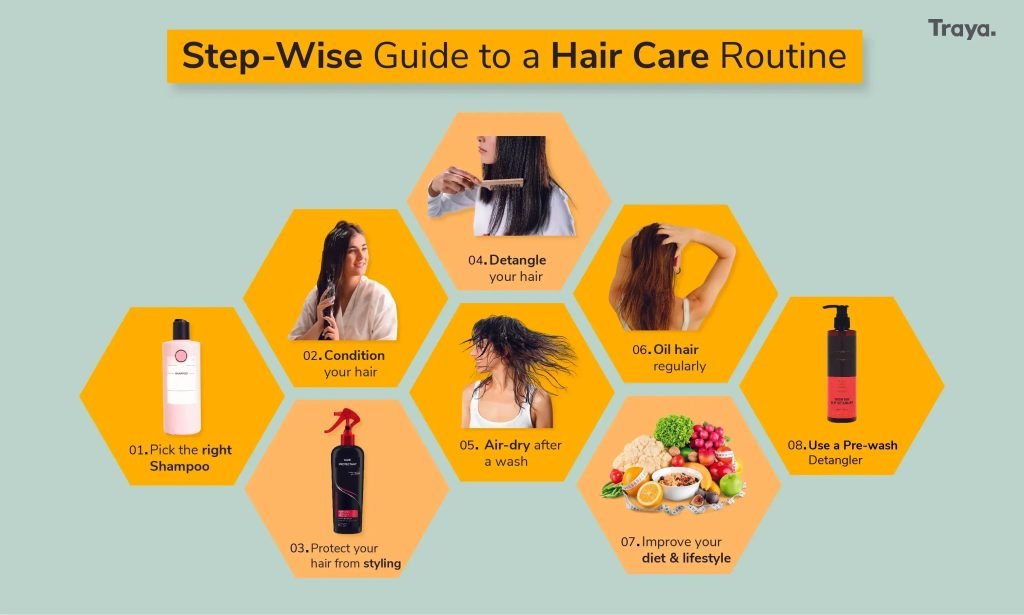
Taking care of your hair every day can make a big difference in preventing and managing split ends. Simple habits build up over time, so focusing on how you wash, condition, and brush your hair can keep those pesky split ends at bay. Have you ever noticed how small changes in your routine can change how your hair feels and looks?
Gentle Washing Techniques
Washing your hair too often or too roughly can cause damage and lead to split ends. Use lukewarm water instead of hot water to avoid drying out your hair. When applying shampoo, focus on your scalp and let the suds gently cleanse the ends as you rinse.
Try using your fingertips, not nails, to massage your scalp. This prevents unnecessary pulling and breakage. Also, consider shampooing every other day or less if your hair isn’t very oily, giving your strands time to retain natural oils.
Proper Conditioning
Conditioner is your best friend against split ends. Apply it mainly to the mid-lengths and ends of your hair, where damage is most common. Avoid the roots to prevent your hair from looking greasy or weighed down.
Leave the conditioner on for a few minutes before rinsing to allow your hair to absorb moisture. If you have very dry or damaged hair, using a deep conditioning treatment once a week can make a noticeable difference in softness and strength.
Avoiding Over-brushing
Brushing your hair too much or too hard can cause breakage and worsen split ends. Use a wide-tooth comb or a brush designed for detangling, especially when your hair is wet and more fragile. Start detangling from the ends and work your way up to the roots gently.
Have you ever felt your hair getting frizzy or breaking after brushing? That’s a sign to slow down and be more careful. Limiting brushing to twice a day or less can help maintain your hair’s natural texture and reduce damage.
Effective Hair Treatments
Effective hair treatments play a crucial role in repairing and preventing split ends. These treatments nourish your hair deeply, restoring its strength and smoothness. If you want to keep your hair healthy and free from damage, choosing the right treatment is essential.
Deep Conditioning Masks
Deep conditioning masks are a powerful way to hydrate and repair damaged hair. They penetrate the hair shaft, delivering essential nutrients that help seal split ends. Using a mask once a week can improve your hair’s texture and reduce breakage.
Look for masks with ingredients like keratin, shea butter, and argan oil. These components strengthen hair fibers and add moisture. Have you noticed how your hair feels softer after a deep conditioning session? That’s the mask working to restore your hair’s health.
Leave-in Conditioners
Leave-in conditioners offer continuous protection throughout the day. Unlike rinse-out conditioners, they stay on your hair, providing moisture and preventing further damage. Applying a leave-in product after washing helps keep split ends at bay.
Choose lightweight formulas that won’t weigh your hair down. Ingredients like aloe vera and silk proteins can smooth your strands and reduce frizz. Do you find your hair easier to manage when it’s protected with a leave-in conditioner?
Natural Oils For Repair
Natural oils are some of the best remedies for split ends. Oils like coconut, jojoba, and castor oil nourish your hair from the inside out. They seal the hair cuticle, which prevents moisture loss and stops split ends from worsening.
Applying a few drops to the ends of your hair before bed can make a noticeable difference. You don’t need much—just enough to coat the tips lightly. Have you tried using natural oils to revive your hair? Many find them to be simple yet effective solutions.
Styling Tips To Prevent Split Ends
Preventing split ends starts with smart styling choices. Gentle habits protect hair from damage and keep ends healthy. Small changes in daily routines make a big difference over time.
Heat Protection Methods
Heat from styling tools can weaken hair and cause split ends. Use a heat protectant spray or serum before applying heat. These products form a barrier to reduce damage. Set tools to a low or medium temperature. Avoid using heat on wet hair to prevent breakage.
Choosing The Right Tools
Select tools that are gentle on hair strands. Wide-tooth combs and soft-bristle brushes reduce pulling and snapping. Use ceramic or tourmaline flat irons and curling irons. These materials distribute heat evenly and cause less damage. Clean tools regularly to avoid buildup that harms hair.
Limiting Chemical Use
Chemicals like dyes and relaxers weaken hair and cause splits. Space out chemical treatments to give hair time to recover. Use mild, sulfate-free shampoos to keep hair healthy. Avoid excessive bleaching or perming. Try natural alternatives or mild treatments whenever possible.
Trimming And Maintenance
Trimming and maintenance are key to managing split ends and keeping your hair looking fresh and healthy. Regular trims prevent split ends from traveling up the hair shaft, which can cause more damage. Alongside trimming, a consistent maintenance routine supports your hair’s overall strength and shine.
How Often To Trim
Most people benefit from trimming every 6 to 8 weeks, but this depends on your hair type and how quickly it grows. If your hair splits easily, trimming every 4 to 6 weeks might be better to stop damage early. Do you notice your ends fraying faster after heat styling or coloring? That’s a sign you might need trims more often.
Diy Vs Professional Cuts
Cutting your hair at home can save time and money, but it’s easy to miss uneven spots or cut too much. Professionals have the skills to shape your hair precisely and remove split ends without sacrificing length. If you’ve tried DIY trims, did you find it challenging to get a clean line? Investing in a salon visit occasionally can make a big difference in your hair’s health.
Maintaining Hair Health Between Trims
Trims alone won’t stop split ends from forming, so you need a strong maintenance plan. Use gentle shampoos, avoid excessive heat, and apply nourishing conditioners regularly. You can also try weekly deep conditioning treatments or hair masks to keep strands hydrated and less prone to splitting.
- Brush hair gently starting from the ends to avoid breakage.
- Use a silk or satin pillowcase to reduce friction while you sleep.
- Trim off any small splits you spot between appointments to prevent worsening.
What small changes can you add to your routine today to protect your ends and keep your hair looking great until your next trim?
Diet And Lifestyle Influence
Diet and lifestyle have a strong impact on hair health. Healthy hair starts from inside the body. What you eat and how you live can affect split ends and hair strength. Good nutrition, hydration, and stress control help prevent damage and keep hair smooth. Small changes in daily habits can improve hair quality over time.
Nutrients For Strong Hair
Hair needs certain vitamins and minerals to grow healthy. Protein is the building block of hair strands. Iron helps carry oxygen to hair follicles. Vitamins A, C, D, and E protect hair from damage. Zinc and biotin improve hair strength and shine. Eating a balanced diet with fruits, vegetables, nuts, and lean meats supports strong hair.
Hydration And Hair Health
Water keeps the scalp and hair hydrated. Dry hair breaks easily and causes split ends. Drinking enough water every day helps maintain moisture. Using hydrating hair products supports water retention in hair strands. Avoiding too much heat and harsh chemicals also helps hair stay moist and healthy.
Stress Management
Stress can cause hair loss and damage. It affects the hair growth cycle and weakens follicles. Practicing relaxation techniques reduces stress levels. Activities like walking, meditation, and deep breathing calm the mind. Better stress control supports healthy hair growth and fewer split ends.

Credit: theradome.com
Products To Avoid
Choosing the right products can protect hair from split ends. Avoid items that dry out or damage hair strands. Some common products cause more harm than good. Steering clear of these helps keep hair healthy and strong.
Harsh Shampoos
Harsh shampoos strip natural oils from hair. They leave hair dry and brittle. Look for gentle, sulfate-free shampoos instead. These clean without removing moisture. Avoid shampoos with strong chemicals that cause breakage.
Alcohol-based Styling Products
Many styling products contain alcohol to dry quickly. Alcohol dries out hair and weakens strands. This leads to split ends and frizz. Choose alcohol-free or low-alcohol products. They style hair without causing damage.
Excessive Use Of Dry Shampoo
Dry shampoo absorbs oil but can build up on scalp. Too much use blocks pores and weakens roots. It can make hair dull and dry over time. Use dry shampoo sparingly and wash hair regularly. This keeps hair fresh and healthy.

Credit: www.lotusbotanicals.com
Frequently Asked Questions
What Causes Split Ends In Hair?
Split ends occur due to dryness, heat styling, chemical treatments, and environmental damage. Lack of moisture weakens hair strands, causing them to split. Regular trimming and proper hair care can prevent split ends effectively.
How Often Should I Trim Split Ends?
Trimming every 6 to 8 weeks helps remove split ends and promotes healthy hair growth. Frequent trims prevent damage from traveling up the hair shaft. This keeps hair looking smooth and prevents further splitting.
Which Hair Products Help Repair Split Ends?
Use moisturizing shampoos, conditioners, and leave-in treatments rich in proteins and oils. Products with keratin, argan oil, and shea butter strengthen hair and reduce split ends. Avoid harsh chemicals and sulfates to maintain hair health.
Can Natural Oils Prevent Split Ends?
Yes, natural oils like coconut, argan, and jojoba deeply nourish and protect hair. They seal moisture, reduce breakage, and improve hair elasticity. Regular oiling keeps hair softer, shinier, and less prone to splits.
Conclusion
Healthy hair needs care and attention every day. Avoid harsh treatments and use gentle products. Trim your hair regularly to stop split ends. Keep your hair moisturized with oils or conditioners. Protect your hair from heat and sun damage. Eating well helps your hair stay strong and shiny.
Small habits make a big difference over time. Stick to a simple routine and be patient. Your hair will look healthier and feel smoother soon. Consistency is the key to reduce and prevent split ends.
