
Imagine waking up every morning with skin that feels refreshed and looks radiant. You might be wondering how to achieve this naturally without any harsh chemicals.
The secret lies in choosing the right skin care products, specifically those from organic brands. Organic skin care is more than just a trend; it’s a commitment to health, sustainability, and purity. When you opt for organic brands, you’re not only nurturing your skin but also taking a step towards a cleaner planet.
This article will guide you through the world of skin care organic brands, helping you make informed choices that benefit both you and the environment. Get ready to discover how these brands can transform your daily routine and enhance your skin’s health. Don’t miss out on uncovering the secrets to achieving the glowing skin you’ve always dreamed of.
Benefits Of Organic Skin Care
Choosing organic skin care products offers a range of benefits that go beyond just improving your skin’s appearance. These products focus on natural, safer ingredients that work gently with your body. They also support a healthier environment, making your beauty routine a responsible choice.
Gentle Ingredients For Sensitive Skin
Organic skin care products often use plant-based ingredients like aloe vera, chamomile, and green tea. These are less likely to cause irritation or allergic reactions, making them ideal if you have sensitive skin. Have you noticed how some conventional products leave your skin red or itchy? Switching to organic can reduce those unpleasant reactions.
Because these ingredients are closer to their natural form, they maintain their soothing and healing properties better. This means your skin gets nourishment without harsh chemicals stripping away its natural oils.
Eco-friendly And Sustainable Choices
Organic brands usually commit to sustainable farming and packaging practices. This means less pollution and waste in the production process. When you buy organic, you help reduce the harmful impact on the planet.
Many organic products come in recyclable or biodegradable containers, further cutting down on environmental damage. How often do you think about the packaging of your skin care products? Choosing organic can make a real difference in reducing landfill waste.
Avoiding Harmful Chemicals
Conventional skin care often contains synthetic chemicals like parabens, sulfates, and phthalates. These can disrupt your skin’s natural balance and sometimes cause long-term health issues. Organic products avoid these harmful substances, giving you peace of mind about what you’re putting on your skin.
By choosing organic, you also reduce the risk of exposure to toxins that can build up in your body over time. Isn’t it worth using products that support your skin’s health without adding hidden risks?
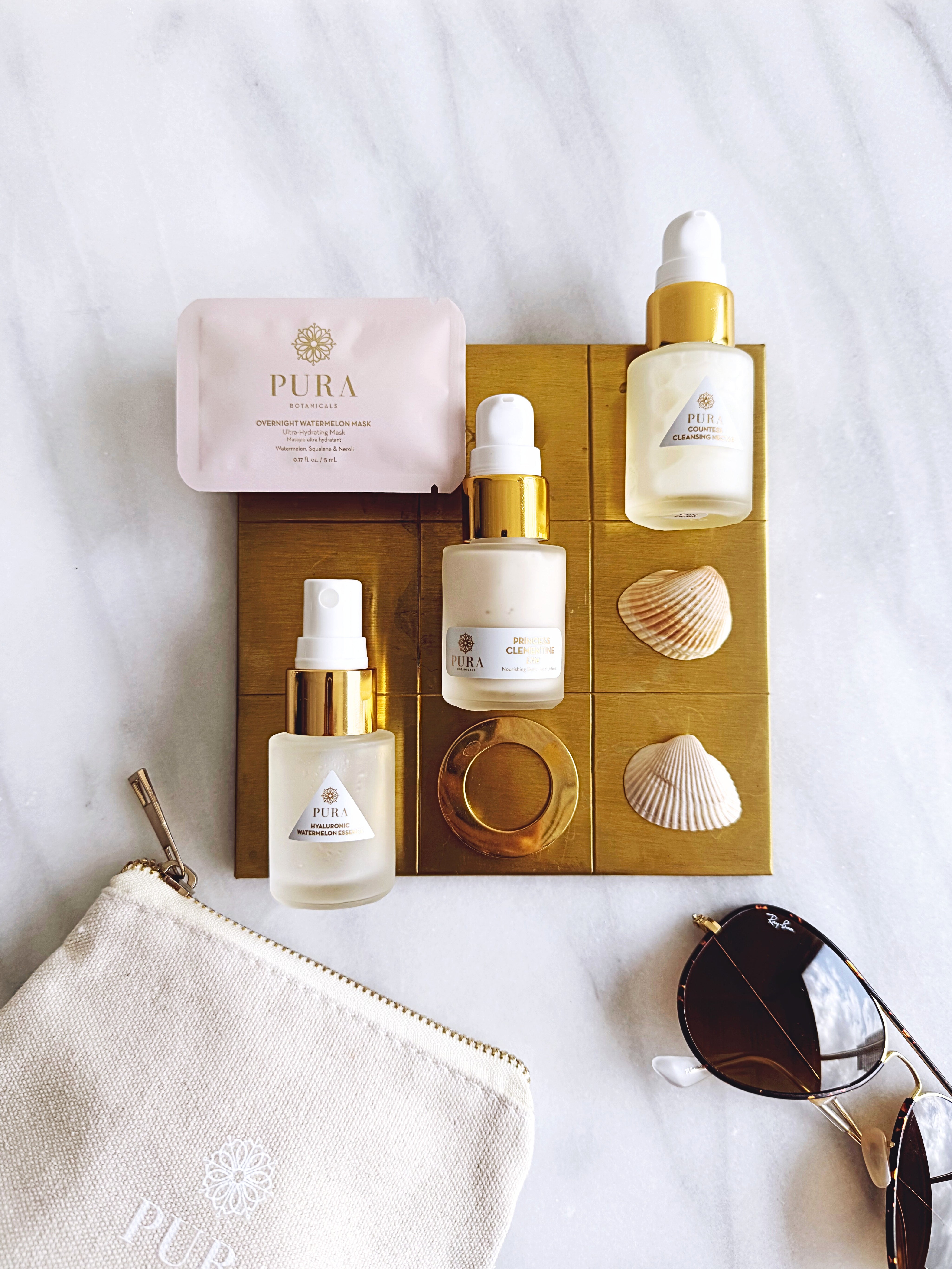
Credit: www.purabotanicals.ca
Criteria For Choosing Organic Brands
Choosing the right organic skin care brand matters a lot. It affects your skin health and the environment. Not every brand that says “organic” truly meets the standards. Knowing the key points helps you pick safe and real products. Focus on certification, ingredient honesty, and ethical practices.
Certification And Authenticity
True organic brands have official certificates. These come from trusted organizations. Certificates prove products meet strict natural and organic rules. Look for labels from USDA Organic, COSMOS, or Ecocert. They confirm no harmful chemicals or synthetic materials. Certification shows a brand’s commitment to genuine organic standards.
Transparency In Ingredients
Good organic brands clearly list all ingredients. They avoid secret formulas or vague terms. Ingredients should be easy to recognize and natural. Check if they explain the source and benefits of each item. Transparency helps you avoid allergens and harmful substances. It builds trust between the brand and the customer.
Ethical And Cruelty-free Practices
Ethical brands care about animals and people. They never test products on animals. Look for cruelty-free logos from Leaping Bunny or PETA. Also, consider brands that use fair trade ingredients. They support farmers and workers fairly. Ethical practices protect the planet and promote kindness.
Top Organic Brands To Try
Choosing the right organic skin care brand can improve your skin’s health naturally. Many brands focus on pure, plant-based ingredients. These products avoid harsh chemicals and support a gentle, effective routine. Here are some top organic brands to try. Each offers unique benefits for different skin needs and budgets.
Herbal And Plant-based Favorites
- Herbivore Botanicals – Known for using natural herbs and oils.
- Dr. Hauschka – Combines traditional herbal wisdom with modern skincare.
- Juice Beauty – Uses organic fruit juices and plant extracts.
- Weleda – Offers products made from wildcrafted plants.
- REN Clean Skincare – Focuses on plant-based, clean ingredients.
Luxury Organic Skin Care Lines
- Tata Harper – All products are made on their Vermont farm.
- Odacité – Combines organic botanicals with French skincare science.
- May Lindstrom – Handmade luxury products with wildcrafted ingredients.
- Kora Organics – Founded by Miranda Kerr, uses certified organic ingredients.
- Vintner’s Daughter – Known for high-quality, nutrient-rich formulations.
Affordable Natural Options
- Alba Botanica – Budget-friendly with natural and organic blends.
- Acure – Offers effective formulas with plant-based ingredients.
- Yes To – Uses fruits and vegetables for skin benefits.
- SheaMoisture – Focuses on natural oils and butters.
- Pacifica – Vegan, cruelty-free, and affordable organic skincare.
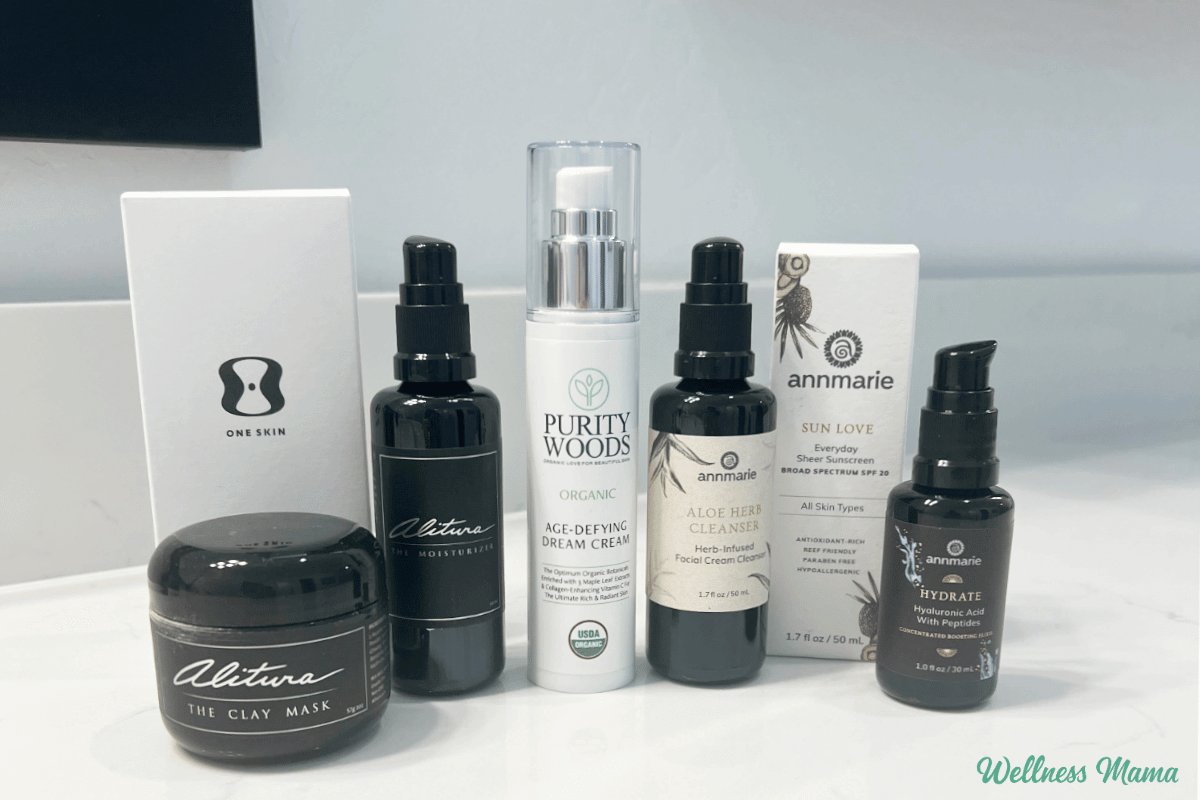
Credit: wellnessmama.com
Key Natural Ingredients To Look For
Organic skin care brands use natural ingredients that benefit the skin deeply. These ingredients soothe, nourish, and protect without harsh chemicals. Choosing products with the right natural components helps maintain healthy, glowing skin.
Soothing Aloe Vera And Chamomile
Aloe vera calms irritated skin and reduces redness. It also hydrates and cools the skin gently. Chamomile is a natural anti-inflammatory that soothes sensitive skin. Both ingredients help skin heal and stay calm.
Nourishing Oils And Butters
Oils like jojoba, argan, and coconut deeply moisturize dry skin. Butters such as shea and cocoa provide rich hydration and softness. These natural fats protect the skin’s barrier and keep moisture locked in.
Antioxidant-rich Botanicals
Green tea, rosehip, and vitamin C are powerful antioxidants. They fight free radicals that cause skin damage and aging. These botanicals brighten skin and improve overall texture.
Tips For Building An Organic Skin Care Routine
Building an organic skin care routine can feel overwhelming at first. You want products that truly nourish without harmful chemicals. The good news is that focusing on a few key steps with natural ingredients makes it simple and effective.
Cleansing With Natural Products
Choosing the right cleanser is the first step to healthy skin. Look for gentle options like aloe vera, honey, or coconut oil-based cleansers that remove dirt without stripping moisture.
Have you noticed how some cleansers leave your skin feeling tight or dry? That’s a sign to switch to something milder and more natural. Using a soft washcloth or your hands to massage the cleanser in can boost circulation and help your skin breathe.
Hydrating And Moisturizing Effectively
Hydration isn’t just about drinking water; your skin needs moisture from the outside too. Organic moisturizers with ingredients like shea butter, jojoba oil, or rosehip seed oil provide lasting hydration without clogging pores.
Try applying your moisturizer while your skin is still slightly damp. This traps moisture better and keeps your skin plump longer. If your skin feels oily, consider lighter options like aloe gel or green tea extracts instead of heavy creams.
Sun Protection With Organic Formulas
Protecting your skin from the sun’s damage is crucial, but many sunscreens contain harsh chemicals. Organic sunscreens often use minerals like zinc oxide or titanium dioxide to physically block UV rays.
Don’t skip this step even if you spend most time indoors—UV rays can penetrate windows. Applying sunscreen after your moisturizer every day keeps your skin safe and supports your organic routine’s overall health.

Credit: eluxemagazine.com
Common Myths About Organic Skin Care
Organic skin care often gets surrounded by myths that can confuse anyone looking to switch to cleaner beauty options. These misconceptions might stop you from enjoying the benefits of organic products. Let’s clear up some common myths to help you make informed choices about your skin care routine.
Organic Means Less Effective
Many believe organic products don’t work as well as chemical-based ones. However, organic ingredients can be very potent and nourishing.
For example, aloe vera and chamomile are natural but powerful in soothing and healing skin. The effectiveness depends more on the formulation than just being organic or not.
Have you noticed how some organic brands deliver noticeable results without harsh chemicals?
Natural Products Cause Allergies
It’s easy to think natural equals allergy-free, but that’s not always true. Some people may react to essential oils or botanical extracts.
Still, synthetic chemicals are also common allergy triggers. If you test products carefully and read labels, you can avoid reactions regardless of the source.
Ask yourself, are you reacting to something organic or a specific ingredient you haven’t tried before?
Higher Cost Equals Better Quality
Price doesn’t always guarantee superior organic skin care. Some brands charge more for packaging or marketing rather than ingredient quality.
You can find affordable organic options that are just as effective. Focus on ingredient lists and certifications rather than price tags.
What matters more to you — the cost or the actual benefits your skin receives?
Frequently Asked Questions
What Defines An Organic Skin Care Brand?
An organic skin care brand uses natural ingredients free from synthetic chemicals. These products promote healthier skin and eco-friendly practices. Certifications ensure authenticity and safety for sensitive skin types.
Are Organic Skin Care Products Better For Sensitive Skin?
Yes, organic products often suit sensitive skin better. They avoid harsh chemicals that cause irritation or allergies. Natural ingredients soothe and nourish without harmful side effects.
How To Identify Authentic Organic Skin Care Brands?
Look for certifications like USDA Organic or ECOCERT. Check ingredient lists for natural components. Avoid brands with synthetic fragrances, parabens, or sulfates to ensure genuine organic quality.
Do Organic Skin Care Products Work As Effectively?
Organic products can be equally effective when formulated well. They focus on skin nourishment and long-term health rather than quick fixes. Consistent use improves skin texture and appearance naturally.
Conclusion
Choosing organic skin care brands helps protect your skin and the planet. These products use natural ingredients that nourish without harsh chemicals. Your skin feels softer and healthier with regular use. Trusting organic brands supports cruelty-free and eco-friendly practices. Small changes in your routine can bring big benefits.
Keep your skin care simple and natural for lasting results. Embrace the gentle power of nature for your skin’s glow.