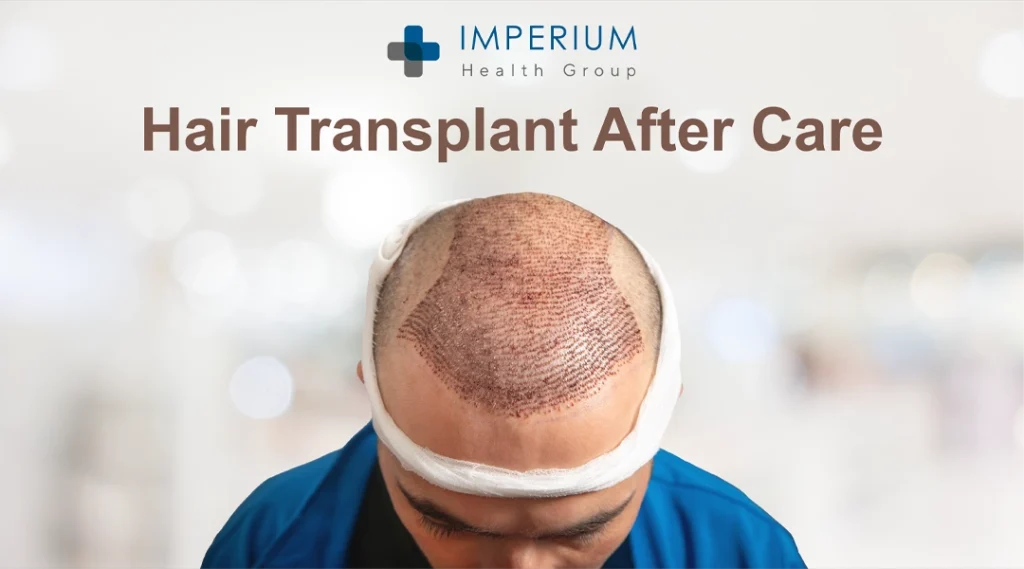
Congratulations on taking the leap towards a fuller head of hair! Your decision to undergo a hair transplant is a significant step in transforming your confidence and appearance.
But the journey doesn’t end with the procedure. The real secret to achieving the best results lies in how well you care for your new hair in the days and weeks that follow. Do you want to ensure that every strand of your newly transplanted hair thrives?
Are you eager to avoid common pitfalls that could hinder your recovery? This guide on post hair transplant care is your roadmap to success. Imagine waking up each day to see your hair grow healthier and more vibrant. By following a few essential steps, you can make that dream a reality. Ready to unlock the secrets to nurturing your new hair? Let’s dive in and discover how you can optimize your post-transplant care for the best possible results.
Credit: www.imperiumhealthgroup.com
Initial Care After Surgery
Taking care of your scalp right after a hair transplant is very important. The first few days help your new hair grow well. Proper care reduces risks like infection and swelling. Following simple steps can make a big difference in healing.
Managing Swelling And Redness
Swelling and redness are normal after surgery. To reduce them:
- Keep your head elevated while resting.
- Use cold compresses gently on swollen areas.
- Avoid touching or scratching the scalp.
- Follow your doctor’s advice on medication.
These actions help your skin calm down faster and feel comfortable.
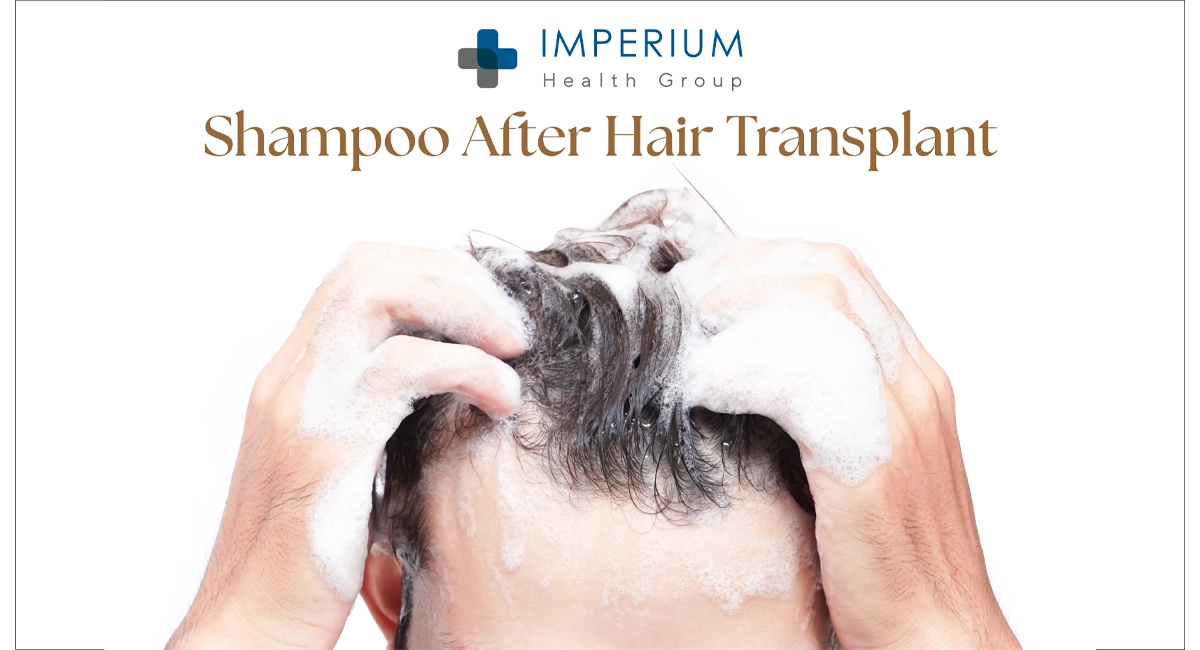
Proper Washing Techniques
Washing your scalp needs care to protect new grafts. Use these tips:
- Wait at least two days before the first wash.
- Use a mild, doctor-recommended shampoo.
- Wash with lukewarm water and avoid strong pressure.
- Pat dry with a soft towel, do not rub.
Gentle washing keeps the scalp clean without damaging new hair.
Avoiding Direct Sunlight
Sunlight can harm your healing scalp. Protect it by:
- Staying indoors or in shade during peak sun hours.
- Wearing a loose, breathable hat when outside.
- Using sunscreen if approved by your doctor.
Shielding the scalp helps prevent irritation and protects new hair follicles.
Credit: haircenterofturkey.com
Medications And Products
Proper medication and product use is vital after a hair transplant. These help reduce pain, prevent infections, and support healing. Knowing what to use and when ensures the best recovery.
Pain Relief Options
Pain after a hair transplant is common but usually mild. Over-the-counter painkillers like ibuprofen or acetaminophen help manage discomfort. Take them as directed by your doctor. Avoid strong pain medicines unless prescribed. Cold compresses can also reduce swelling and ease pain.
Antibiotics And Anti-inflammatories
Doctors often prescribe antibiotics to prevent infection. Use the full course even if you feel better. Anti-inflammatory drugs help lower swelling and redness. Follow the instructions carefully. Do not skip doses or stop early. These medicines create a safe environment for new hair to grow.
Recommended Hair Care Products
Choose gentle shampoos free from harsh chemicals like sulfates and parabens. Mild, moisturizing formulas protect sensitive scalp areas. Avoid hair products with alcohol or strong fragrances. Use products recommended by your surgeon for the best results.
- Gentle baby shampoo or special transplant shampoo
- Light hair oils or serums to keep scalp hydrated
- Non-greasy moisturizers designed for sensitive skin
Lifestyle Adjustments
Adjusting your lifestyle after a hair transplant plays a crucial role in how well and how quickly you heal. Simple changes can make a big difference in protecting your new hair follicles and encouraging healthy growth. Paying attention to your daily habits helps you avoid setbacks and supports the overall success of your transplant.
Sleeping Positions For Healing
Your sleeping position affects how well your scalp heals after the procedure. Try to sleep with your head elevated at about a 45-degree angle. This reduces swelling and prevents blood from pooling around the transplant area.
Using a neck pillow or stacking a few pillows can help maintain this position comfortably. Avoid sleeping on your stomach or sides where you might accidentally rub or press on the transplanted area. Have you noticed how a small change in how you sleep can speed up your recovery?
Dietary Tips To Support Recovery
What you eat fuels your body’s healing process. Focus on foods rich in protein, vitamins, and minerals to support new hair growth. Include plenty of fruits, vegetables, lean meats, and nuts in your meals.
Stay hydrated by drinking enough water daily—it keeps your scalp healthy and nourished. Avoid excessive alcohol, caffeine, and salty foods since they can dehydrate your body and slow recovery. Have you thought about how your diet might be affecting your hair growth?
Avoiding Physical Strain
Physical activity raises your heart rate and blood pressure, which can cause bleeding or dislodge grafts. Avoid intense workouts, heavy lifting, and bending over for at least a week after surgery. Even activities like vacuuming or gardening can put strain on your scalp.
Take short walks to keep your blood flowing without overdoing it. Listening to your body and resting when needed helps your scalp heal without interruption. Could skipping your usual gym session be the key to better results?
Monitoring Progress
Monitoring your progress after a hair transplant is essential to ensure your scalp heals well and your new hair grows as expected. Keeping a close eye on changes helps you spot any issues early and stay on track with your recovery. It’s your chance to understand how your body is responding and make adjustments if needed.
Signs Of Healthy Healing
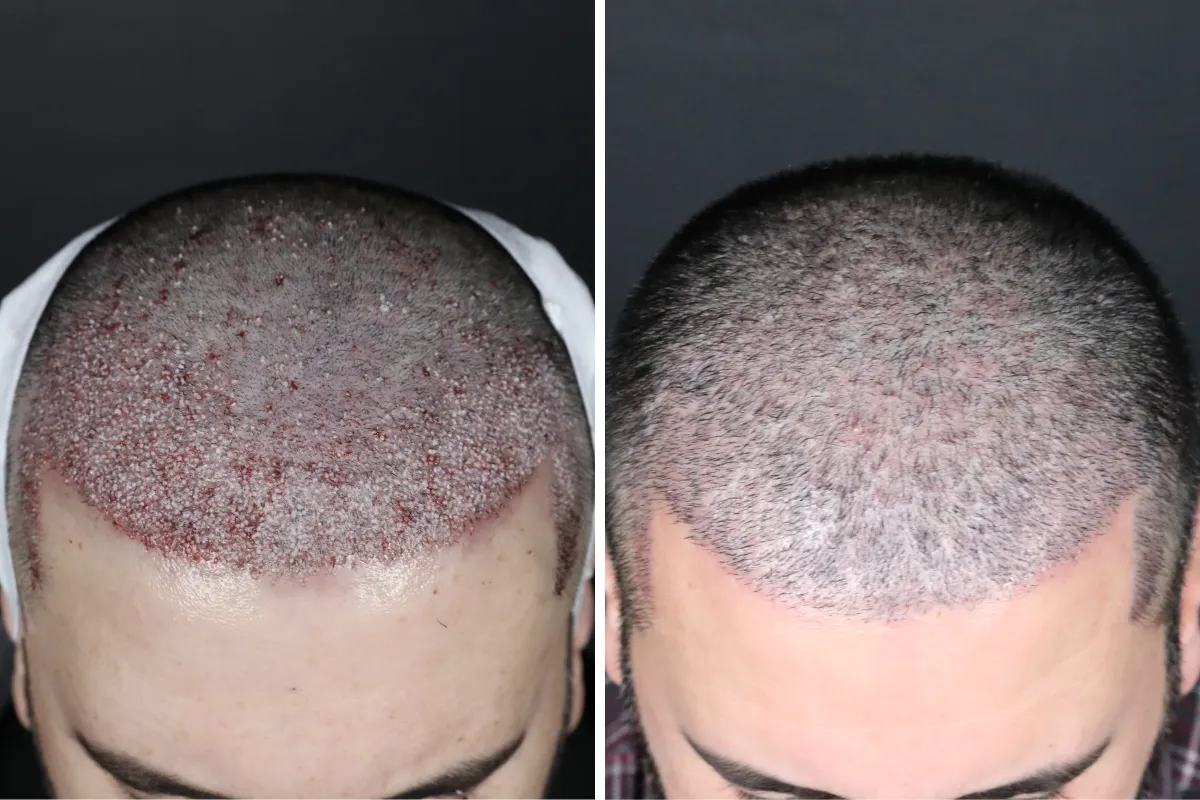
Healthy healing shows in several clear ways. You’ll notice redness and mild swelling around the transplant area, which should start fading within a week.
Scabs may form but should gently fall off without pulling. Your scalp might feel itchy—that’s a good sign your skin is repairing itself.
New hair growth often begins around three months post-transplant. This slow but steady growth means your follicles are taking hold.
- Minimal pain or discomfort that decreases over time
- No excessive bleeding or pus
- Gradual reduction in swelling and redness
- New hair strands appearing as fine, thin hairs
When To Contact Your Doctor
Not all symptoms mean smooth healing. If you experience persistent pain, swelling that worsens, or redness spreading beyond the treated area, it’s time to call your doctor.
Signs like pus, bad odor, or fever can indicate infection and need immediate medical attention. Sudden hair loss after initial growth is another warning signal.
Remember, your doctor’s guidance is crucial to avoid complications. Don’t hesitate to reach out if you feel something isn’t right—early action can save your results.
- Severe or increasing pain
- Spreading redness or warmth around the transplant site
- Yellow or green discharge
- Fever or chills
- Sudden shedding of transplanted hair
Long-term Hair Care
Taking care of your hair after a transplant doesn’t stop once the initial healing is over. Long-term hair care is key to preserving the results you worked hard to achieve. It’s about more than just shampooing—it’s about creating habits that protect your scalp and hair every day.
Maintaining Scalp Health
Your scalp is the foundation for healthy hair growth. Keeping it clean and nourished helps prevent issues like dryness, itching, or infection that could harm your new hair follicles.
- Use a mild, sulfate-free shampoo to avoid stripping natural oils.
- Massage your scalp gently to improve blood circulation without causing irritation.
- Stay hydrated and eat foods rich in vitamins like Biotin, Vitamin E, and Omega-3 to support scalp health from within.
Have you noticed how some shampoos leave your scalp feeling tight or itchy? That’s a sign to switch to gentler products that respect your skin’s natural balance.
Gentle Styling Practices
How you style your hair after a transplant can make a big difference in keeping your hair strong and secure. Avoid harsh treatments and tight hairstyles that pull on your hair follicles.
- Limit heat styling tools like flat irons or curling wands, or use them on the lowest settings.
- Avoid hairstyles such as tight ponytails, braids, or buns that stress the hair roots.
- Choose soft, wide-toothed combs and avoid vigorous brushing, especially when hair is wet.
Think about your daily routine—are you unknowingly causing damage by tugging or exposing your hair to unnecessary stress? Small changes here can protect your investment for years to come.

Credit: www.fusehair.com
Frequently Asked Questions
How Long Should I Avoid Washing Hair After Transplant?
Avoid washing your hair for the first 48 to 72 hours post-transplant. After that, use a gentle, mild shampoo. Follow your surgeon’s specific instructions to prevent dislodging grafts and ensure optimal healing.
When Can I Resume Regular Shampooing Post-transplant?
Typically, you can resume regular shampooing two weeks after the procedure. Use a mild shampoo and avoid vigorous rubbing. This helps protect new grafts and promotes healthy scalp recovery.
What Activities Should I Avoid After A Hair Transplant?
Avoid strenuous exercise, heavy lifting, and direct sun exposure for at least two weeks. These activities can increase swelling and risk of graft damage. Gentle movements and scalp care are essential during recovery.
Is It Normal To Experience Itching After Hair Transplant?
Yes, mild itching is common during the healing phase. It usually subsides within 7 to 10 days. Avoid scratching to prevent infection and graft damage. Use recommended lotions or sprays to soothe the scalp.
Conclusion
Taking good care after a hair transplant helps your new hair grow strong. Follow all the doctor’s advice carefully. Avoid touching or scratching the scalp to prevent harm. Use gentle shampoos and keep the area clean. Stay patient as results take time to show.
Rest well and avoid heavy exercise for a few weeks. Remember, small steps make a big difference in healing. Your new hair needs love and care to look its best. Keep a positive mindset and watch your confidence grow with each day.
