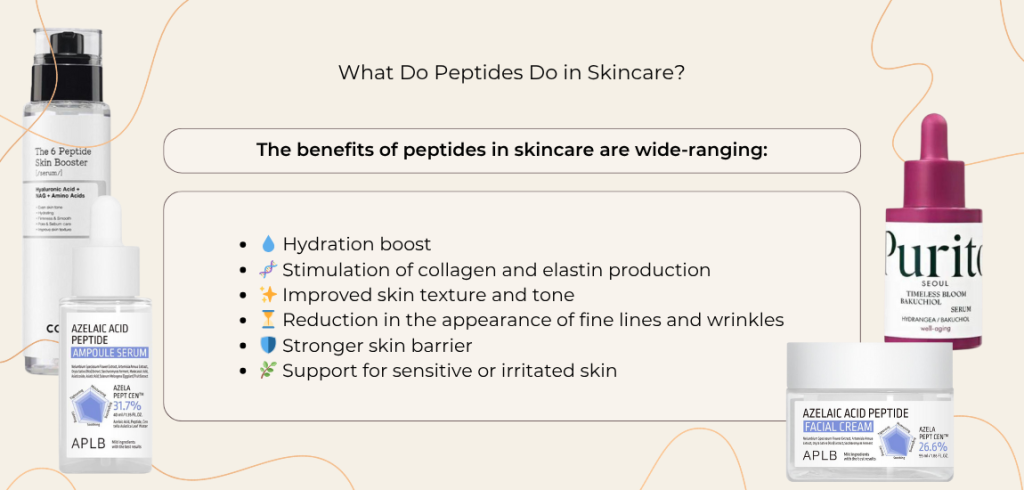
Imagine unlocking the secret to youthful, radiant skin with just a few key ingredients. That’s exactly what peptides in skincare promise.
If you’ve ever wondered how to boost your skin’s health and appearance without the fuss, you’re in the right place. Peptides are tiny powerhouses that can transform your skincare routine, and you deserve to know how. What if you could effortlessly enhance your skin’s elasticity, reduce wrinkles, and achieve that coveted glow?
By the end of this article, you’ll uncover the magic of peptides, and trust me, your skin will thank you for it. Keep reading to discover how peptides can become your skin’s new best friend.
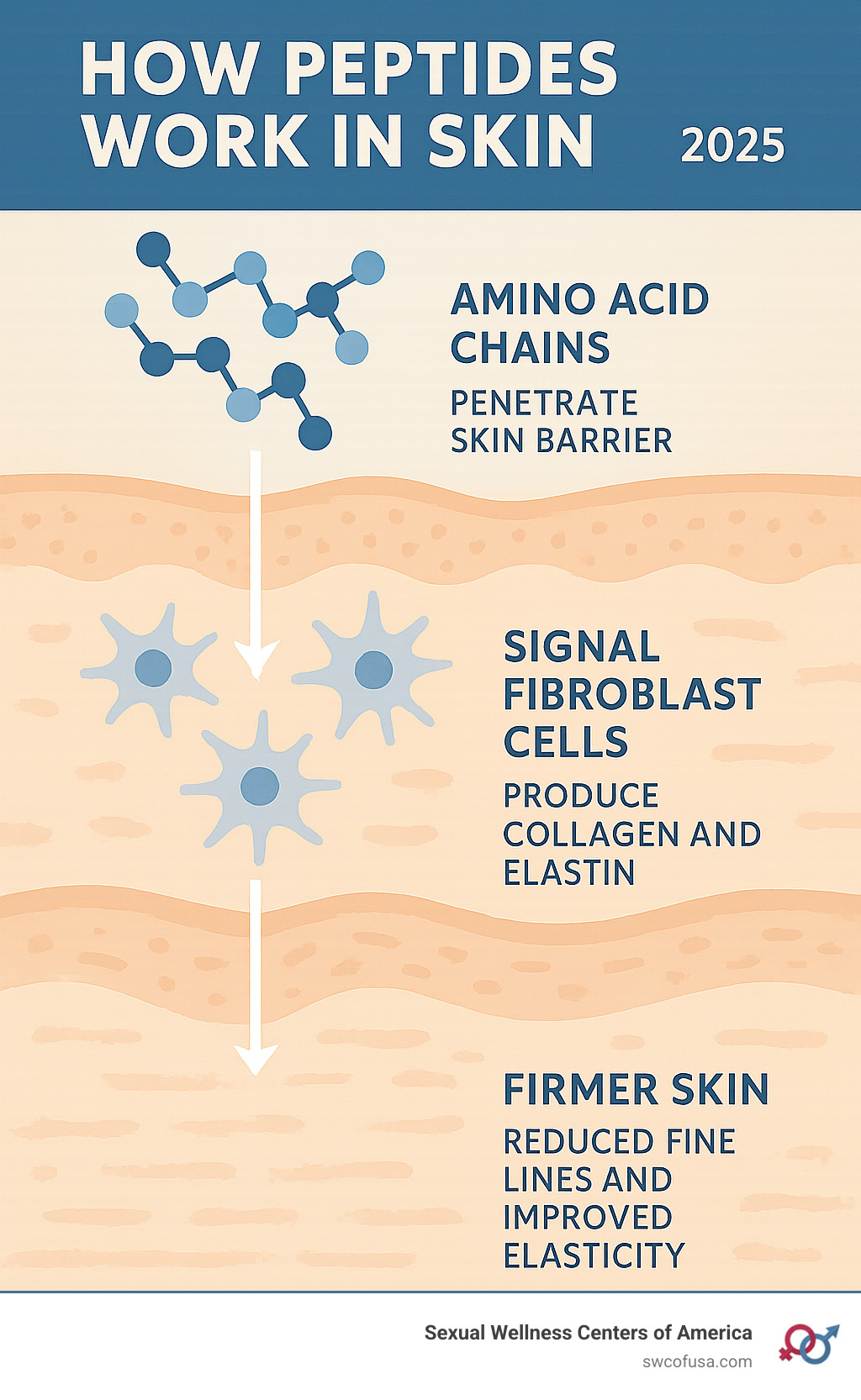
Credit: swcofusa.com
Peptides And Skin Health
Peptides play a vital role in maintaining healthy skin. They help boost skin repair and improve texture. Many skincare products now include peptides for their skin benefits. Understanding peptides helps make better skincare choices.
What Peptides Are
Peptides are small chains of amino acids. Amino acids build proteins like collagen and elastin. These proteins keep skin firm and elastic. Peptides act as messengers to skin cells. They tell cells to make more collagen and repair damage.
How Peptides Work In Skin
Peptides penetrate the skin easily because of their small size. They reach deeper layers to signal cell activity. This signal encourages skin to produce proteins. It also helps reduce inflammation and heal wounds. Over time, peptides can improve skin firmness and smooth wrinkles.
Types Of Peptides Used In Skincare
- Signal Peptides:Encourage collagen and elastin production.
- Carrier Peptides:Deliver minerals to the skin for healing.
- Enzyme Inhibitor Peptides:Slow down the breakdown of skin proteins.
- Neurotransmitter Peptides:Relax facial muscles to reduce wrinkles.

Credit: www.healthkart.com
Benefits Of Peptides For Skin
Peptides have become a key ingredient in many skincare routines, and for good reason. These small chains of amino acids deliver powerful benefits that can transform your skin’s health and appearance. Understanding how peptides work can help you decide if they deserve a spot in your daily regimen.
Boosting Collagen Production
Collagen is the protein responsible for keeping your skin firm and youthful. Peptides signal your skin cells to produce more collagen, which naturally decreases with age. I noticed a visible difference after a few weeks of using a peptide-rich serum—the skin felt firmer and looked more vibrant.
Enhancing Skin Elasticity
Elasticity allows your skin to bounce back and maintain its shape. Peptides help restore this bounce by supporting the skin’s structural proteins. Have you ever pinched your skin and watched it slowly return? Peptides make sure that return happens faster and smoother.
Reducing Fine Lines And Wrinkles
Fine lines and wrinkles can appear as collagen and elasticity decline. Peptides help reduce these signs by promoting skin repair and renewal. Using peptide products consistently can lead to softer lines and a smoother complexion without harsh treatments.
Improving Skin Hydration
Hydration is key to healthy, glowing skin. Peptides support the skin barrier, which keeps moisture locked in. After adding peptides to my skincare, I noticed my skin stayed hydrated longer, even during dry weather or long days in the office.
Choosing Peptide Skincare Products
Choosing the right peptide skincare products can feel overwhelming with so many options on the market. Understanding what to look for helps you select formulas that truly deliver results. Your skin deserves products that not only contain peptides but also support their performance effectively.
Key Ingredients To Look For
Not all peptides are created equal. Look for well-researched peptides like Matrixyl, Copper Peptides, or Palmitoyl Pentapeptide-4, known for promoting collagen and skin repair.
Check if the product includes complementary ingredients such as hyaluronic acid or niacinamide. These boost hydration and skin barrier function, enhancing peptide benefits.
Also, avoid products with heavy fillers or irritants that can counteract peptide effectiveness or cause sensitivity.
Formulations That Maximize Peptide Effectiveness
Peptides work best in lightweight, water-based serums or creams that allow deeper skin penetration. Thick, greasy formulas can block absorption and reduce impact.
Packaging matters too. Products in air-tight, opaque containers protect peptides from light and air, preserving their potency longer.
Consider the product’s pH level; peptides generally perform well in slightly acidic to neutral pH environments, so check if the brand provides this info.
Combining Peptides With Other Skincare Actives
Pairing peptides with antioxidants like vitamin C can enhance skin repair and protection. But be cautious mixing peptides with strong acids or retinol, which might break down peptide chains.
Using peptides alongside moisturizers supports skin hydration, making the peptides more effective. Have you noticed how your skin reacts when you mix certain products?
Test combinations on a small patch before applying widely to avoid irritation and find what truly works for your skin.

Credit: www.biorepublic.com
Incorporating Peptides Into Your Routine
Adding peptides to your skincare routine can feel like a game changer, but knowing how to use them properly makes all the difference. Peptides work best when applied thoughtfully alongside your other products. Understanding the right timing, layering, and consistency can help you get the most from these powerful ingredients.
Best Time To Apply Peptide Products
Peptides are generally gentle and effective both morning and night. Many find applying peptide serums after cleansing and toning, but before moisturizing, gives the best results. If you’re using active treatments like retinol or acids, consider saving peptides for your morning routine to avoid irritation.
Think about your skin’s needs throughout the day. Are you looking for repair while you sleep or protection during the day? This can guide your timing choice.
Layering With Other Skincare Steps
Peptides usually play well with most skincare ingredients, but the order matters. Start with the thinnest texture and work toward thicker creams or oils. For example, apply your peptide serum right after toner and before moisturizer.
- Avoid layering peptides directly with strong acids or exfoliants to prevent breakdown of the peptides.
- Use peptides alongside hydrating ingredients like hyaluronic acid for a boost of moisture and skin repair.
- Consider how your actives interact; peptides can complement antioxidants like vitamin C but may lose potency if mixed improperly.
Tips For Consistent Use
Consistency is key with peptides—you won’t see overnight miracles, but steady use builds long-term benefits. Keep your peptide products visible in your routine to remind yourself to use them daily.
Track your progress by noting changes in skin texture or firmness every few weeks. If you notice irritation, adjust frequency rather than stopping altogether.
What small changes can you make today to ensure peptides become a regular part of your skincare? Small habits, like setting a reminder, can turn a one-time try into lasting improvement.
Common Myths About Peptides
Peptides in skincare are often misunderstood, leading to a mix of facts and fiction. Many people hesitate to try peptide products because of these common myths. Clearing up these misconceptions helps you make better choices for your skin’s health and beauty.
Peptides Vs. Proteins
People often confuse peptides with proteins, thinking they are the same. Peptides are smaller chains of amino acids, while proteins are much larger and more complex molecules. This difference matters because peptides can penetrate your skin more easily, making them effective ingredients in skincare.
Have you ever wondered why collagen creams don’t always work? It’s because collagen is a protein too big to be absorbed by your skin. Peptides act like messengers, telling your skin to produce more collagen naturally, which is why they are more useful than applying proteins directly.
Immediate Results Expectations
Many expect peptides to deliver instant changes, like smoothing wrinkles overnight. The truth is, peptides work gradually by encouraging your skin to repair and regenerate. Results often appear after consistent use over weeks or even months.
Think about how long it takes for your hair to grow or nails to strengthen. Skin renewal is a similar slow process. If you want quick fixes, peptides might not satisfy you, but if you aim for lasting improvements, they are worth the wait.
Safety And Sensitivity Concerns
Some worry that peptides might cause irritation or allergic reactions. Actually, peptides are generally gentle and suitable for most skin types, including sensitive skin. They don’t disrupt your skin barrier like harsh chemicals can.
Still, it’s smart to patch test any new product. If you have specific allergies or skin conditions, consult a dermatologist before adding peptides to your routine. Have you ever experienced irritation from a “natural” skincare product? Peptides usually avoid that problem.
Frequently Asked Questions
What Are Peptides In Skincare Products?
Peptides are short chains of amino acids that signal skin to produce collagen. They help improve skin firmness and reduce wrinkles, promoting a youthful appearance.
How Do Peptides Benefit Skin Health?
Peptides boost collagen production, repair damaged skin, and enhance moisture retention. This leads to smoother, firmer, and more hydrated skin over time.
Are Peptides Safe For All Skin Types?
Yes, peptides are generally safe for all skin types, including sensitive skin. They are gentle and non-irritating, making them suitable for daily use.
Can Peptides Reduce Signs Of Aging?
Peptides effectively reduce fine lines and wrinkles by stimulating collagen and elastin. Regular use can visibly improve skin texture and elasticity.
Conclusion
Peptides help skin stay firm and smooth. They support collagen, which keeps skin strong. Using skincare with peptides can reduce wrinkles. Peptides work well with other ingredients too. Choose products that list peptides high on labels. Consistent use leads to better skin over time.
Simple steps can improve your skin’s health. Small changes make a big difference in skincare. Peptides offer a gentle way to care for skin. Try them and see how your skin feels.